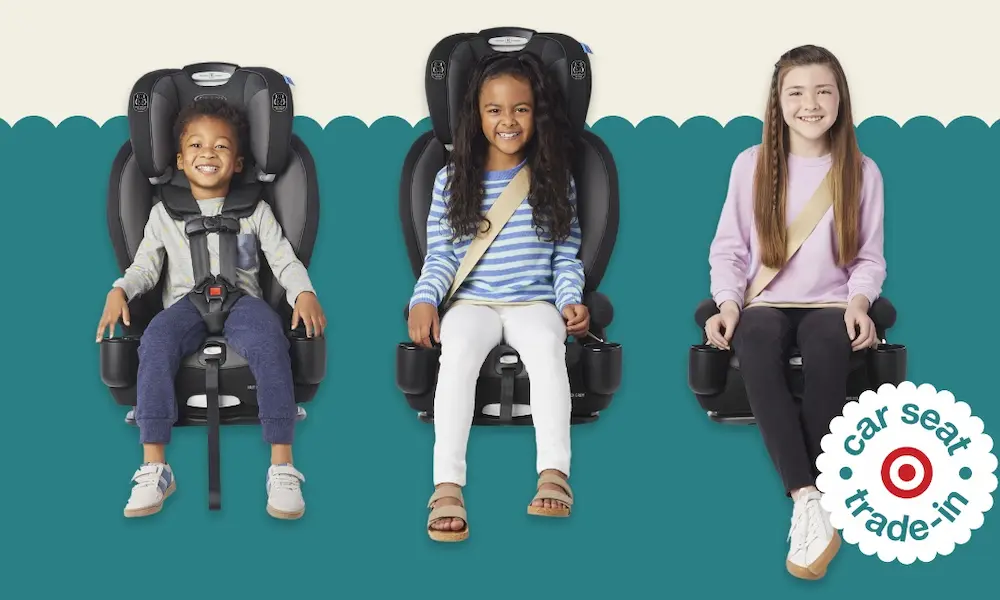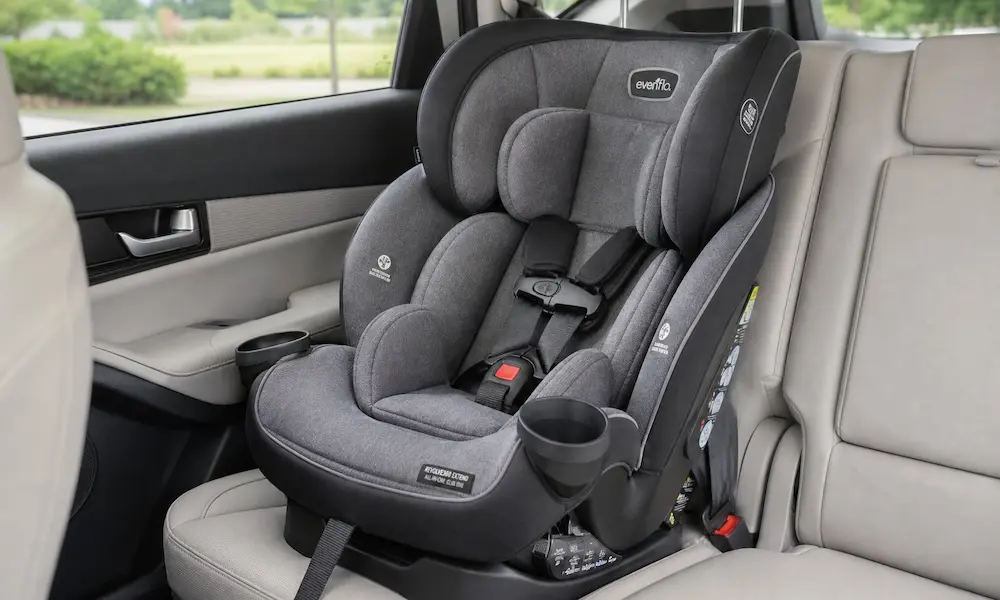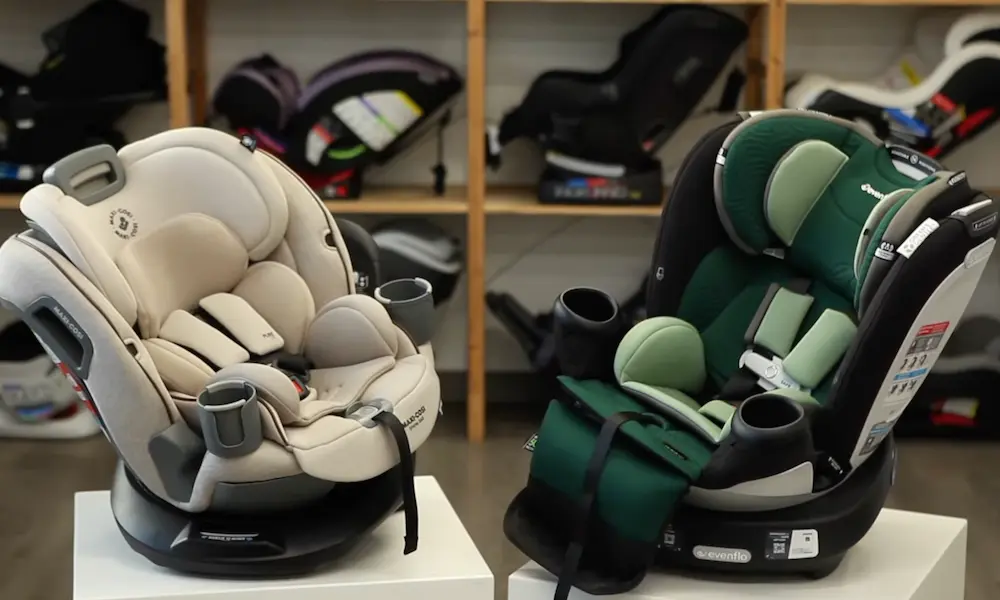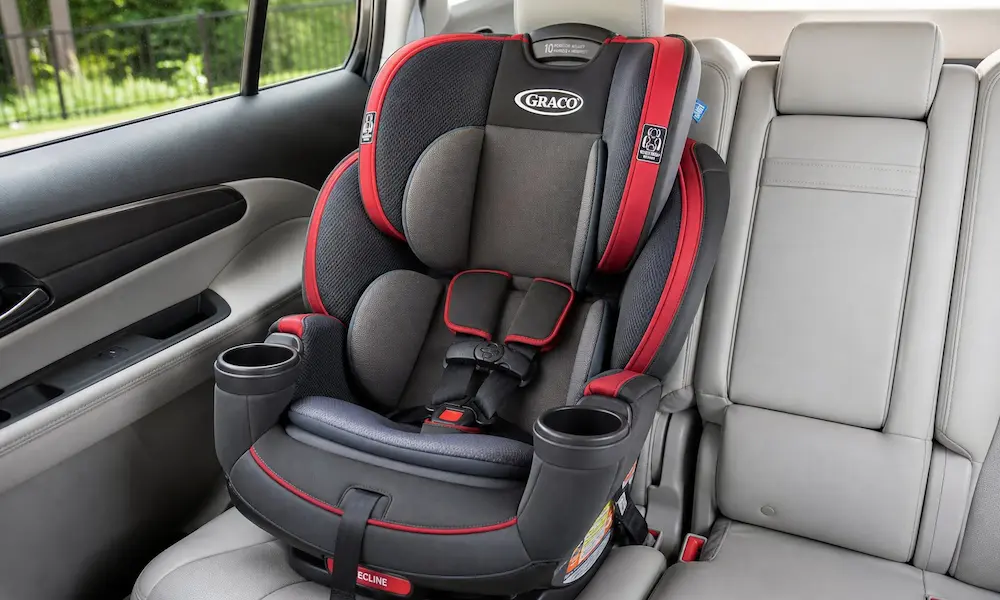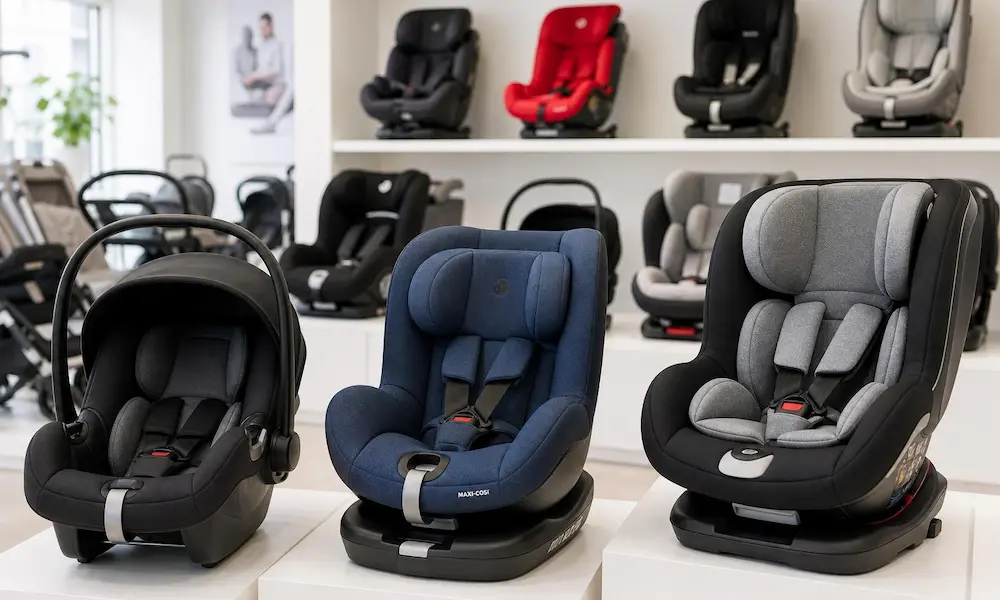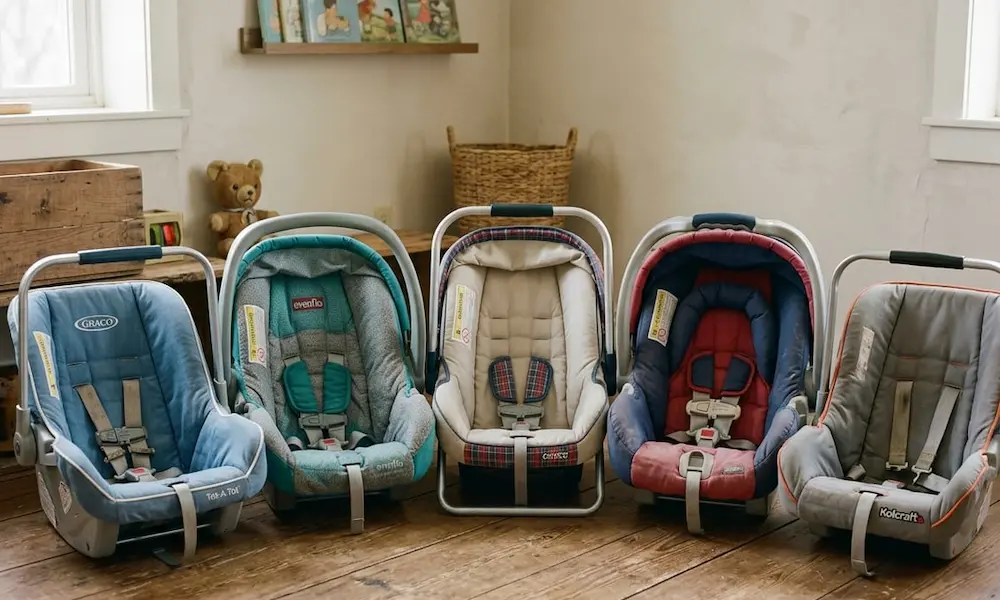
Still holding onto an old car seat and wondering what to do with it? The Walmart car seat trade-in program made headlines — and then vanished fast. Here’s the full story, plus every real option you have right now to recycle or trade in your old seat.
What Was the Walmart Car Seat Trade-In Program?
The Walmart car seat trade-in program ran from September 16 to September 21, 2019. Yes, just six days. It was supposed to run through September 30.
Walmart partnered with global recycling firm TerraCycle and opened the program at nearly 4,000 Walmart Supercenter locations nationwide. The deal was simple:
- Bring in an old, expired, damaged, or outgrown car seat
- Drop it at the customer service desk
- Walk out with a $30 Walmart gift card
The card could be spent immediately, in-store or online, on anything in the baby department. Walmart capped it at two gift cards per household. Booster seats weren’t eligible.
It was a clean, simple offer — and it completely blew up.
Why Did Walmart End the Program Early?
The response was overwhelming. In less than a week, Americans dropped off more than one million car seats. That’s not a typo.
Walmart originally aimed to divert the equivalent of 35 million plastic bottles from landfills. The program ended up recovering the equivalent of more than 200 million plastic bottles.
That sounds like a win. But the math got ugly fast.
| What Went Wrong | The Numbers |
|---|---|
| Gift cards distributed in under a week | ~$30 million in store credit |
| Seats collected | Over 1 million |
| Days the program actually ran | 6 days (ended 9 days early) |
| Original planned duration | 15 days |
The flat-rate $30 gift card was the core problem. Unlike a percentage-off coupon that requires you to spend big to save big, a flat $30 card is pure cash liability. Multiply that by one million households, and Walmart handed out roughly $30 million in store credit in less than a week.
On top of that, storing and shipping a million bulky, awkwardly shaped car seats crushed store backrooms and strained supply chains. TerraCycle had negotiated a processing fee built around predictable material volumes. A million seats in six days wasn’t predictable — it was chaos.
Walmart pulled the plug on September 21, 2019, and has never brought the program back. As of 2026, there’s no Walmart car seat trade-in event on the horizon.
Does Walmart Still Have a Car Seat Trade-In Program in 2026?
No. Walmart has permanently discontinued the trade-in program.
If you’re searching for the Walmart car seat trade-in program right now, you won’t find one. Walmart currently directs shoppers to external mail-back programs or competitor retail events instead.
The good news? You’ve got solid alternatives.
The Best Car Seat Trade-In and Recycling Options Right Now
Two major retailers run active, recurring programs. Here’s how they compare:
| Program | Target Car Seat Trade-In | Meijer Baby Gear Recycling |
|---|---|---|
| How often | Twice a year (April & September) | Once a year (May) |
| Spring 2026 dates | April 19 – May 2, 2026 | May 6 – May 19, 2026 |
| Discount | 20% off via Target Circle app | 25% off via mPerks app |
| App required | Yes – Target Circle | Yes – mPerks |
| Items accepted | Infant seats, convertibles, harness-to-booster, boosters, bases | Car seats, boosters, strollers, wagons, travel systems |
| Coupon limit | 1 coupon per account; use it twice | 1 coupon per account; use it once |
| Recycling partners | Waste Management & Ecotech | Regional industrial recyclers |
Target Car Seat Trade-In: How It Works
Target’s program celebrated its 10-year anniversary during the Spring 2026 event. It’s the most established car seat recycling program in U.S. retail history.
Here’s the step-by-step:
- Drop your old seat — expired, damaged, or crashed — in the collection bin near Guest Services
- Open the Target Circle app and scan the barcode on the bin
- A 20% off coupon loads into your app wallet automatically
- Use it toward a new car seat, stroller, high chair, playard, swing, or bouncer
You can redeem the coupon twice, and you can stack it with standard Target Circle sales and the 5% Target RedCard discount. Since 2016, Target’s program has recycled over 3.5 million car seats and recovered more than 58 million pounds of raw materials. A chunk of those recovered plastics gets reused in Target’s own “Brightroom” and “Room Essentials” product lines — over 690,000 home storage items made from recycled car seat plastic since 2022.
Meijer Baby Gear Recycling: How It Works
Meijer’s event accepts more item types than Target — including strollers, wagons, and full travel systems — which makes it a great option if you’re clearing out a whole nursery.
Here’s what to do:
- Bring your gear to the collection bin near customer service at any participating Meijer supercenter
- Scan the posted QR code or enter the code into your mPerks app
- A 25% off coupon clips to your account
- Use it once on a single baby department item (in-store or online) before June 2, 2026
In 2025 alone, Meijer collected nearly 18 tons of baby gear — a 33% jump over 2024. The program has recycled over 30 cumulative tons of baby gear since launching in 2024.
Year-Round Options When Trade-In Events Aren’t Running
Trade-in events are seasonal. If your seat expires in January or July, you need other options. Here’s what’s available year-round:
| Option | Provider | Cost & Details |
|---|---|---|
| Manufacturer mail-back | Clek Recycling Program | $40 return label via UPS; Clek seats only; get 10% off your next purchase |
| Any-brand mail-back box | TerraCycle Zero Waste Box | Buy a prepaid box online; includes UPS label and full recycling |
| State drop-off | Colorado DOT Program | Free state-funded drop-off at collection centers statewide |
| Consignment resale | Good Buy Gear | 30-point inspection; sell your non-expired, uncrashed seat for cash |
| Charity donation | WestSide Baby & local shelters | Free; accepts non-expired, uncrashed seats for low-income families |
One important note on Clek: the program only accepts Clek-branded seats packed in a box no larger than 33″ x 20″ x 20″. For every other brand, TerraCycle’s Zero Waste Box is your most flexible paid option.
Also worth knowing: some older localized programs, like the one run by University Hospitals Rainbow Babies & Children’s Hospital, have permanently closed. Always verify a program is still active before making the trip.
Why Can’t You Just Recycle a Car Seat at the Curb?
Car seats aren’t junk mail. They’re engineered to absorb serious crash forces, which means they’re built from a mix of materials that standard recycling bins can’t handle.
A single car seat contains:
- Rigid polypropylene plastic shell
- Steel reinforcement rods and metal buckles
- Expanded polystyrene (EPS) foam cushioning
- Woven nylon harness straps
- Synthetic textile covers
None of these can be tossed together into a single-stream bin. Industrial processors like TerraCycle and Waste Management have to manually disassemble each seat into clean material streams before anything can be recycled. The foam alone gets compressed by up to 90% in thermal densification machines before it’s useful as insulation material or carpet underlay. The plastic shell gets shredded, washed, and melted into pellets sold back to manufacturers.
That’s why drop-off programs matter. And it’s also why at-home disposal has to be done right.
How to Safely Dispose of a Car Seat at Home
If no program is accessible, don’t just toss an intact seat in the trash. An expired or crashed seat looks perfectly fine from the outside. Someone might pull it from the trash and reuse it — which is dangerous. A minor low-speed crash can cause invisible structural damage that makes the seat unsafe to use again.
Follow these four steps to decommission it properly:
Step 1 — Cut the harness straps
Use heavy-duty scissors or a utility knife to cut the shoulder straps, crotch buckle straps, and lower LATCH anchor webbing completely off the frame. No straps means the seat can’t be buckled into a vehicle.
Step 2 — Strip the fabric and foam
Pull off the textile cover, padding, and polystyrene foam inserts. Bag them separately.
Step 3 — Mark the shell
Write “EXPIRED,” “UNSAFE,” “DO NOT USE,” or “TRASH” in big, clear letters across the front, back, and sides of the bare plastic frame using a permanent marker.
Step 4 — Check local rules and dispose
Contact your local municipal waste department to see if disassembled metal parts can go in a scrap metal bin. If your local recycling doesn’t accept bulky plastics, put the defaced frame in regular household trash for landfill disposal.
What the Walmart Program Taught the Industry
The Walmart car seat trade-in program was a one-time event that reshaped how retailers think about product take-back programs. The flat-rate gift card model proved too expensive and too risky at scale. In less than a week, it exposed the real cost of treating recycling like a cash giveaway.
The shift since then has been clear. Target and Meijer both tie their incentives to digital loyalty apps, requiring a purchase to unlock savings. That structure protects the retailer’s margins while still getting old seats off the street. It also lets retailers collect first-party shopper data — something a $30 Walmart gift card never did.
For families, the practical takeaway is this: the Walmart car seat trade-in program isn’t coming back, but better, more consistent options now exist across multiple channels. Whether you use Target’s twice-yearly event, Meijer’s spring campaign, a mail-back box, or a state drop-off program, there’s no reason an old car seat needs to end up in a landfill intact — or worse, back on the road.