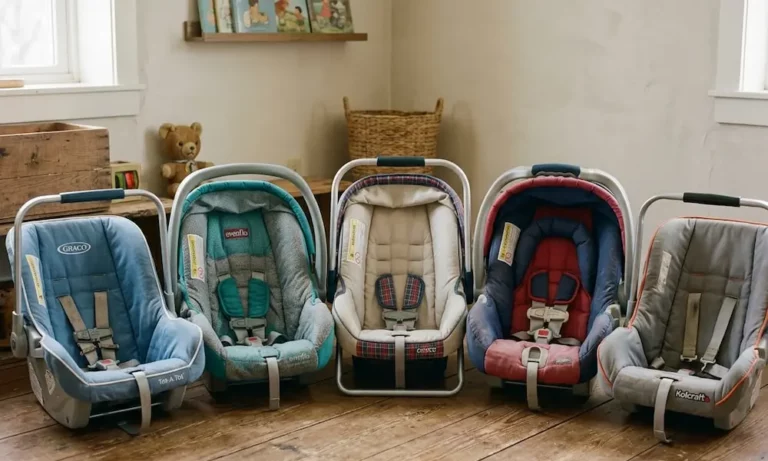
Your baby has outgrown their infant seat, and now it’s just taking up space in your garage. Before you toss it to the curb or hand it off to a stranger, you need to know a few things. The wrong move could put another child in danger — or land perfectly good gear in a landfill. Here’s exactly what to do.
First, Check If Your Car Seat Is Still Safe
Not every old infant car seat deserves a second life. Some need to go straight to the trash — responsibly. Start here before you do anything else.
Does Your Car Seat Have an Expiration Date?
Yes, car seats expire. This isn’t a marketing trick. Plastic degrades from heat and UV exposure inside your car, and even tiny cracks can cause a seat to fail in a crash.
Most infant car seats last six to ten years from the manufacture date, depending on the brand and frame type. Here’s a quick breakdown:
| Frame or Component Type | Standard Lifespan | How to Check |
|---|---|---|
| Steel-reinforced frame or belt-positioning booster | 10 years | Check the label on the underside or back of the seat |
| Plastic-reinforced belt path seat | 7 years | Find the stamped manufacture date on the rear plastic shell |
| Unspecified or older polymer seat | 6 years (default) | Apply the 6-year rule from the manufacture date |
Look for a white sticker on the bottom or back of the seat. Can’t find an expiration date? Graco’s website has a tool to help, and their certified Child Passenger Safety Technicians can answer questions directly.
Was It in a Crash?
If the seat was in any collision, it might look perfectly fine but still be compromised. Crash forces create micro-fractures in the plastic shell that are invisible to the naked eye.
NHTSA only allows continued use after a crash if all of these are true:
- The vehicle drove away from the scene
- The door closest to the seat wasn’t damaged
- No one in the car was injured
- No airbags deployed
- There’s no visible damage on the seat itself
Miss even one of these? Replace it — full stop. Some manufacturers go further and require replacement after any crash, no matter how minor.
Is It Under Recall?
A recalled seat isn’t automatically unsafe — but you need to know about it. Use NHTSA’s recall lookup tool to search by model number and manufacture date. You can also download the SaferCar app on iOS or Android. It monitors federal databases and sends you push alerts if your registered gear gets recalled.
If you haven’t already, register your seat with the manufacturer online. That way they can contact you directly if something goes wrong.
Option 1: Donate It to a Family That Needs It
If your seat is unexpired, crash-free, has all its original parts, and isn’t under recall — great news. Another family can use it.
Don’t Drop It at Goodwill or Value Village
Nationwide thrift chains like Goodwill, Value Village, and Treehouse for Kids won’t take used car seats. They don’t have certified staff to inspect them, and they can’t verify crash history. That’s a liability they’re not willing to take on — and honestly, fair enough.
Go Local Instead
Specialized family nonprofits and shelters often do accept them, with proper intake protocols. Here are a few vetted options:
| Organization | Location | Key Requirements |
|---|---|---|
| Westside Baby | Seattle / King County, WA | Unexpired, crash-free, mold-free, no harsh chemical cleaning |
| KidVantage | Bremerton, Shoreline & Issaquah, WA | Complete online Car Seat Acceptance form first |
| WeeCycle | Denver Metro, CO | Attach a completed Car Seat Donation Form to each seat |
| Pregnancy Aid of South King County | Des Moines, WA | Drop-offs Mon/Wed/Fri; Wednesday preferred for on-site inspection |
Search for local women’s shelters, pregnancy support centers, and family resource nonprofits in your area. Many have dedicated intake forms to verify safety history before accepting anything.
Option 2: Sell It Through a Vetted Platform
Posting a used infant car seat on Facebook Marketplace or Craigslist? Child safety experts strongly discourage it. Buyers can’t verify crash or cleaning history, and that’s a real problem.
A better option: GoodBuy Gear runs a 30-point safety inspection on every seat they accept, developed with certified Child Passenger Safety Technicians. A seat only qualifies for resale if it’s:
- At least two years from expiration
- Verified crash-free
- Clean with all original, legible labels
- Cleaned only per the manufacturer’s instructions
It’s a much safer way to pass a seat on without guessing.
Option 3: Recycle It Through a Retail Trade-In Program
This is the best option for old infant car seats that are expired, crashed, recalled, or just done. These programs disassemble seats, separate the materials, and feed them back into manufacturing.
Here’s what’s available in 2026:
| Retailer Program | 2026 Dates | What You Get | What Happens to the Seat |
|---|---|---|---|
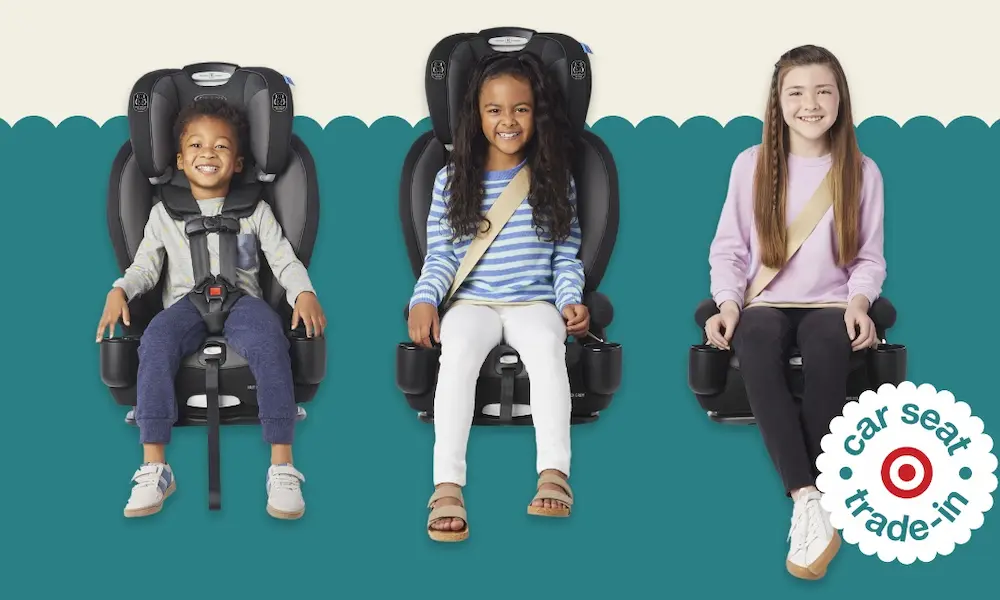
| Target Car Seat Trade-In | April 19 – May 2 (Spring) | 20% off coupon for new baby gear (valid to May 16) | Disassembled by Ecotech; plastics → storage containers, metals → construction materials |
| Meijer Baby Gear Recycling | May 6 – May 19 | 25% off one baby department item via mPerks | Recycled into shipping pallets, buckets, steel beams, carpet padding |
Target’s program has been running since 2016 and has recycled over 3.5 million car seats — nearly 58 million pounds of material diverted from landfills. Meijer’s program saw a 33% increase in recycled volume between 2024 and 2025. These programs work.
You need a free Target Circle account or a Meijer mPerks account to participate. Both are free to join.
Option 4: Use a Mail-In Recycling Program
No retail event nearby? A few brands run mail-in take-back programs year-round.
| Program | Who It’s For | Cost | How It Works |
|---|---|---|---|
| Clek Car Seat Recycling | Clek seats only | Kit fee applies | Buy a recycling kit, box up the seat, apply prepaid UPS label, drop off — get 10% off your next Clek purchase |
| Century Baby Gear via TerraCycle | Century seats, strollers, highchairs | Free | Create an account, print a free prepaid label, ship it — earn points redeemable as charity donations |
| TerraCycle Baby Gear Zero Waste Box | Any brand | Box purchase required | Buy the box, fill it, ship it back — guarantees full recycling of mixed materials |
Clek’s program launched in 2013 as the first manufacturer-run car seat recycling program in North America. It recycles 95% of returned seat materials by weight.
One heads-up: the consumer mail-back service from CarSeatRecycling.com shut down in December 2025 to focus on bulk recycling only. So if you used that before, it’s no longer an option.
Option 5: Trash It — But Do It Right
Sometimes there’s no trade-in event, no mail-in option, and the seat is way past saving. That’s okay. But putting an intact old infant car seat on the curb is genuinely dangerous. Someone might pick it up thinking they’re doing a good deed — and unknowingly strap a child into a compromised seat.
Step 1 — Strip it down
- Cut all harness straps, buckles, and LATCH straps into small, unusable pieces
- Remove all fabric covers, padding, and infant inserts
- Pull out the foam from the headrest and side wings
Step 2 — Label and destroy it
- Write “EXPIRED – DO NOT USE” or “CRASHED – UNSAFE” directly on the bare plastic shell with a permanent marker
- If you can, physically break the shell or cut the seat bottom away from the backrest
Step 3 — Make it unappealing
- Stuff everything into a heavy-duty black trash bag so the shape isn’t visible
- Add used kitty litter, dog waste bags, or soiled diapers inside the bag to deter dumpster diving
- Place the bag inside your closed trash bin rather than leaving it loose on the curb
If you’re in an area with bulky item pickup — like parts of Los Angeles — call your local waste management service to schedule a pickup instead.
One Quick Decision Guide
Not sure which path to take? Run through this:
- Is the seat expired, crashed, or recalled? → Recycle it. Start with Target or Meijer’s trade-in events, then try Clek or TerraCycle if no events are available.
- Is it in good shape with a clean history? → Donate to a local nonprofit with formal intake screening, or sell through GoodBuy Gear.
- No recycling option accessible? → Deconstruct it fully before tossing, so it can’t be reused.
About 12 million car seats get discarded in the U.S. every year. With a little effort, yours doesn’t have to end up in a landfill — and it definitely doesn’t have to end up on another child who isn’t safe in it.