Tired of that pesky oil light glowing on your Honda Fit’s dashboard? You’ve done the oil change, but that persistent reminder won’t go away. Don’t worry – resetting your Honda Fit’s oil light is simpler than you might think. This guide walks you through the exact steps you need, whether you have a 2007 model or a 2020 version.
What Is the Oil Life Indicator in Your Honda Fit?
Your Honda Fit uses a smart system called Maintenance Minder that tracks how you drive. It doesn’t just count miles – it monitors engine temperature, how long you drive, and even your driving style to calculate when you need fresh oil.
This system warns you when your oil’s additives start breaking down, which happens well before the oil turns dark and sludgy. When you change your oil, resetting this indicator is crucial – otherwise, you’ll get confusing maintenance alerts that don’t match your actual oil condition.
Why Reset Your Honda Fit Oil Light After an Oil Change?
Resetting your oil life indicator isn’t just about turning off an annoying light. Here’s why it matters:
- It syncs the computer with your actual maintenance schedule
- Prevents unnecessary service warnings
- Helps you track when you really need your next oil change
- Maintains accurate vehicle service records
Not resetting the light means your Fit’s computer thinks the old oil is still in the engine, potentially leading to confusing alerts later.
How to Reset Oil Light on Honda Fit (2007-2014 Models)
If you drive an older Honda Fit, here’s your step-by-step reset process:
- Park and prepare: Make sure your car is in park with the parking brake on.
- Turn ignition to ON: Insert your key and turn it to position II (two clicks clockwise) without starting the engine.
- Find the SELECT/RESET button: Look for this button or knob near your speedometer on the instrument panel.
- Display oil life percentage: Press the SELECT/RESET button repeatedly until you see the oil life display.
- Hold to reset: Press and hold the SELECT/RESET button for about 10 seconds until the display starts blinking.
- Complete the reset: When the display blinks, release the button, then immediately press and hold again for about 5 seconds.
- Verify reset: The oil life should reset to “100%” and the maintenance wrench symbol should disappear.
Resetting Oil Light on Newer Honda Fit Models (2015-2020)
Newer Honda Fits offer two different methods for resetting the oil light:
Method 1: Using Instrument Panel Controls
- Turn the ignition to ON position (don’t start the engine)
- Press the SELECT/RESET knob until the oil life display appears
- Press and hold the knob for 10 seconds until the display blinks
- Release the knob, then press and hold again for 5 seconds
- The display will reset to 100%
Method 2: Using Steering Wheel Controls
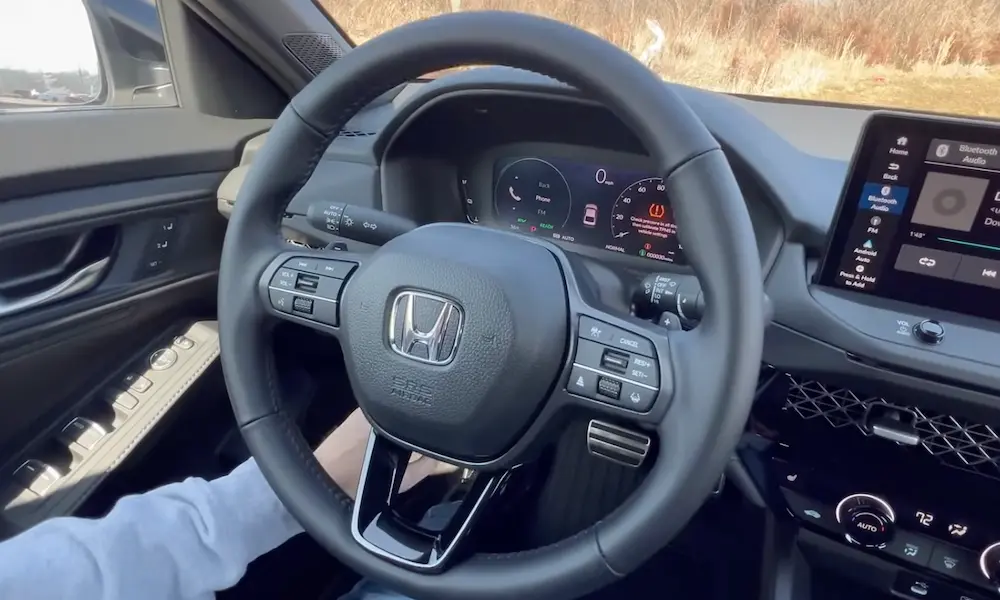
If your Fit has steering wheel buttons, you can use this easier method:
- Turn ignition to ON position
- Press the MENU or SETTINGS button on the steering wheel
- Navigate to “Vehicle Settings” using the arrow keys
- Select “Maintenance Info”
- Choose “Reset”
- Hold the ENTER button for 5 seconds until reset confirms
What if the Reset Doesn’t Work?
If you’ve tried the above steps but your oil life indicator still isn’t resetting, try these troubleshooting tips:
- Make sure the ignition is in the ON position, not START or ACC
- Hold the buttons for the full duration (full 10 seconds, then 5 seconds)
- Check that you’re viewing the correct display screen before attempting reset
- Try disconnecting the battery for 10 minutes as a last resort to reset the ECU
If you’re still having trouble, your vehicle may have a fault code that needs checking with a diagnostic tool.
Checking Your Oil Level Before Resetting
Before resetting your oil light, always verify you’ve properly completed your oil change by checking the oil level:
- Park on level ground and wait until the engine cools down
- Locate and remove the dipstick (usually has a yellow or orange handle)
- Wipe the dipstick clean with a lint-free cloth
- Reinsert the dipstick fully, then pull it out again
- Check that oil level is between the “Low” and “Full” marks
| Oil Check Step | What to Look For |
|---|---|
| Oil Color | Golden to light brown (new) |
| Oil Level | Between min/max marks |
| Oil Consistency | Smooth flowing, not thick |
| Contaminants | No metal particles or debris |
Understanding Honda Fit Oil Change Intervals
The Maintenance Minder in your Honda Fit typically signals an oil change is needed between 5,000 and 7,500 miles, depending on your driving habits. However, certain conditions may require more frequent changes:
- Frequent short trips (less than 5 miles)
- Driving in extremely hot or cold weather
- Towing or carrying heavy loads
- Driving on dusty roads
- Stop-and-go traffic
Your Honda Fit’s manual recommends using synthetic oil that meets the API service classification of SJ or higher with a viscosity of 0W-20 for most models.
Best Practices for Honda Fit Oil Maintenance
Keep these tips in mind for optimal engine health:
- Always replace the oil filter with each oil change
- Use Honda-recommended oil type (usually 0W-20 synthetic)
- Keep a maintenance log with dates and mileage
- Check for leaks regularly by inspecting your parking spot
- Consider more frequent changes if you drive in severe conditions
Proper oil maintenance is one of the most cost-effective ways to extend your engine’s life.
Model-Specific Reset Instructions
2007-2008 Honda Fit
For first-generation Fits, the reset process is slightly different:
- Turn ignition to ON
- Press SELECT/RESET button until “ENGINE OIL LIFE” appears
- Hold the button until the display blinks (about 10 seconds)
- Press again while blinking to reset to 100%
2009-2013 Honda Fit
Second-generation Fits follow this process:
- Find the INFO button on your dash
- Press until you see the oil life indicator
- Hold SELECT/RESET for 10 seconds
- Release when blinking, then hold again for 5 seconds
- Confirm reset to 100%
These step-by-step instructions have been verified by Honda Fit owners.
2015-2020 Honda Fit
The newest generation offers a digital display method:
- Use steering wheel controls to navigate to Maintenance Info
- Select Oil Life
- Choose Reset
- Confirm your selection
The Importance of Regular Oil Changes
While knowing how to reset your oil light is important, understanding why regular oil changes matter is even more crucial. Your Honda Fit’s engine depends on clean oil to:
- Lubricate moving parts to prevent wear
- Cool engine components
- Clean and remove contaminants
- Seal gaps between pistons and cylinder walls
- Prevent corrosion and rust formation
Skipping oil changes can lead to expensive repairs down the road, including engine seizing in extreme cases.
DIY Oil Change Tips for Honda Fit Owners
Many Honda Fit owners choose to change their own oil. If you’re going this route, here’s what you need:
- 3.5 to 3.7 quarts of 0W-20 synthetic oil
- Honda or quality aftermarket oil filter
- Oil filter wrench
- Drain pan
- 17mm socket (for drain plug)
- Jack and jack stands
The process is straightforward if you’re comfortable working under your car, and you’ll save money compared to service center prices.
Maintaining Your Honda Fit for Longevity
Your Honda Fit can easily exceed 200,000 miles with proper care. Beyond oil changes, remember these maintenance items:
- Rotate tires every 7,500 miles
- Replace air filter annually
- Check and replace brake fluid every 3 years
- Inspect spark plugs every 100,000 miles
- Replace transmission fluid every 60,000 miles (or when indicated)
Following these guidelines along with proper oil maintenance will keep your Honda Fit running smoothly for years to come.