Is your Honda V6 burning through oil faster than expected? Feeling strange vibrations while cruising on the highway? Your vehicle’s Variable Cylinder Management (VCM) system might be the culprit. While designed to improve fuel efficiency, this technology has caused headaches for many Honda owners.
In this guide, we’ll walk you through everything you need to know about Honda’s VCM system, why you might want to disable it, and the best methods to do so—all while keeping your vehicle running smoothly for years to come.
What Is Honda VCM and Why Does It Exist?
Honda’s Variable Cylinder Management is a fuel-saving technology introduced in 2005 for their 3.5L V6 engines. The system works by shutting down one bank of cylinders (usually three out of six) during light-load conditions like highway cruising.
When VCM activates, it uses hydraulic pressure controlled by solenoids to unlock cam followers, keeping valves closed while pistons continue moving. This creates what engineers call an “air spring” effect. The goal? To squeeze out a modest 1-2 MPG improvement in fuel economy.
This sounds clever in theory, but the execution has left much to be desired.
Common Problems Caused by Honda VCM
Excessive Oil Consumption
One of the most frustrating VCM-related issues is abnormal oil consumption. Many owners report using up to one quart of oil per 1,000 miles—far above what’s considered normal.
The problem occurs because the vacuum created in deactivated cylinders can pull oil past the piston rings. When cylinders reactivate, this oil can cause significant problems.
Misfires and Spark Plug Fouling
When oil accumulates in cylinders during deactivation, it leads to fouled spark plugs once those cylinders fire up again. This causes misfires, rough idling, and decreased engine performance that you can definitely feel from behind the wheel.
Premature Catalytic Converter Failure
All that unburned oil doesn’t just disappear. It often makes its way to the catalytic converter, coating its internal surfaces and reducing efficiency. Replacement isn’t cheap—expect to pay $1,000-$2,000 for this repair alone.
Engine Mount Failures
The uneven vibrations produced when running on three cylinders instead of six put extra stress on engine mounts. Many owners report needing to replace these mounts far earlier than expected.
Honda Models Affected by VCM Issues
VCM has appeared in numerous Honda vehicles with V6 engines, including:
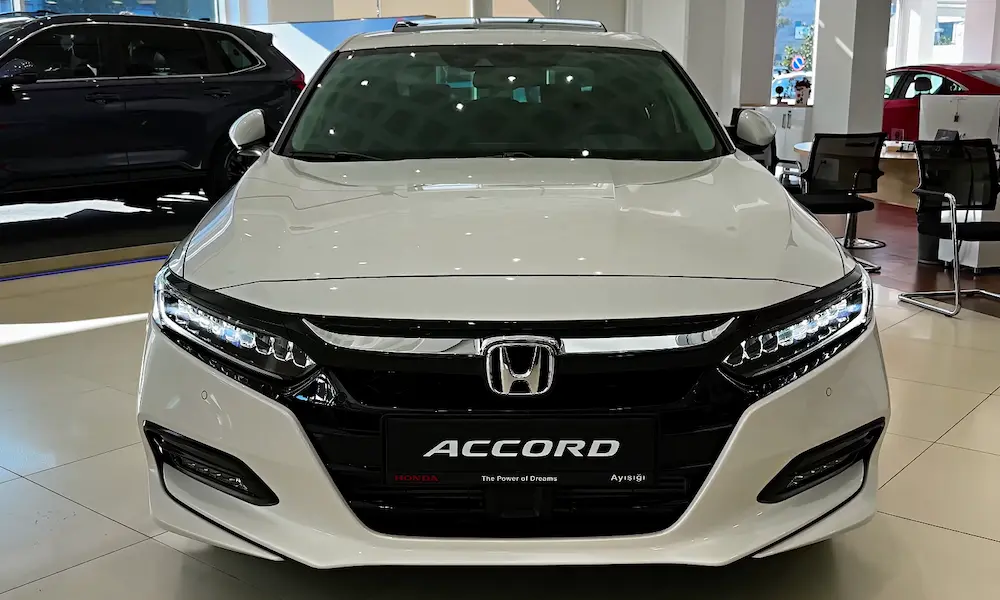
- Accord (2008-2023 V6 models)
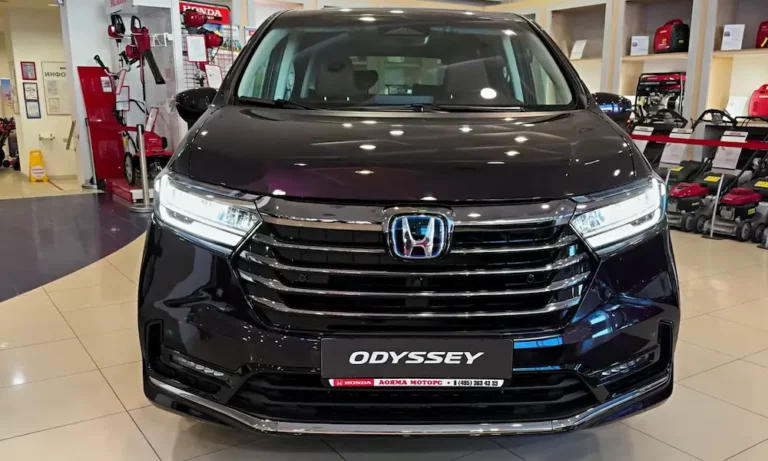
- Odyssey (2005-2023)
- Pilot (2005-2023)
- Ridgeline (2006-2023)
- Acura MDX (2007-2023)
- Acura TL and TLX (select years with V6)
If you own any of these vehicles, you might benefit from disabling the VCM system.
Top Methods to Disable Honda VCM
There are several ways to address VCM issues, ranging from simple resistor-based devices to sophisticated microcontroller systems. Let’s examine the most popular options.
Method 1: VCMuzzler II
The VCMuzzler II is the most affordable option, using a fixed resistor to trick the Engine Control Unit (ECU) into thinking the engine isn’t warm enough to activate VCM.
Pros:
- Low cost
- Simple plug-and-play installation
- No permanent modifications
Cons:
- Not adjustable for temperature changes
- May fail in extreme weather conditions
- Not CARB-certified (illegal in California)
Method 2: VCMTUNER II ($120-$150)
The VCMTUNER II represents a significant upgrade from resistor-based options. This sophisticated device uses a microcontroller that dynamically adjusts resistance based on real-time coolant temperature readings.
Pros:
- CARB-certified (legal in all 50 states)
- Automatic temperature compensation
- Overheating protection (reactivates VCM if engine exceeds 212°F)
- More reliable in varying climates
Cons:
- Higher cost
- Slightly more complex installation
Method 3: S-VCM Controller ($90-$110)
The S-VCM Controller uses digital logic to monitor coolant temperature and disable VCM only when conditions are safe.
Pros:
- 100% VCM deactivation in all driving conditions
- Doesn’t compromise engine temperature warning systems
- Moderate price point
- Simple installation
Cons:
- Not CARB-certified
- May void warranty if detected
Comparison Chart: VCM Disabling Options
| Feature | VCMuzzler II | VCMTUNER II | S-VCM Controller |
|---|---|---|---|
| Price | $12.99-$50 | $120-$150 | $90-$110 |
| Technology | Fixed resistor | Dynamic microcontroller | Digital logic |
| CARB-certified | No | Yes | No |
| Installation difficulty | Very easy | Moderate | Easy |
| Weather adaptability | Poor | Excellent | Good |
| Reliability | Moderate | High | High |
How to Install the VCMTUNER II
If you’ve decided to go with the VCMTUNER II (our recommended option due to its legality and reliability), here’s a step-by-step installation guide:
- Prepare the vehicle: Make sure your engine is cool before starting.
- Locate the ECT sensor: Find the Engine Coolant Temperature sensor near the thermostat housing. Follow the upper radiator hose to help locate it.
- Install the harness: Connect the VCMTUNER II between the ECT sensor and the ECU harness.
- Connect power: Attach the red wire to the positive battery terminal using the provided ring terminal.
- Mount the device: Secure the module using the included brackets in a location that won’t be exposed to extreme heat or moisture.
- Test operation: Start the engine and verify that VCM has been disabled. The ECO light on your dashboard should no longer illuminate during driving.
For visual learners, this detailed installation guide walks through each step of the process.
Impact on Fuel Economy and Performance
Disabling VCM will affect your vehicle in two main ways:
Fuel Economy
You’ll likely see a decrease of 1-2 MPG after disabling VCM. This is the trade-off for improved reliability and reduced oil consumption.
Performance
Most owners report smoother acceleration, eliminated vibration, and better overall drivability after disabling VCM. The slightly reduced fuel economy is a small price to pay for these improvements.
Real-World Results from Disabling VCM
One Reddit user with a 2011 Honda Odyssey reported dramatic improvements after installing a VCMTUNER II and replacing fouled spark plugs:
- Oil consumption dropped from 1 quart per 1,200 miles to virtually none
- Misfires completely eliminated
- No further issues with the catalytic converter
- Smoother, more consistent power delivery
This is just one of many success stories from Honda owners who’ve disabled VCM.
Legal and Warranty Considerations
Emissions Compliance
If you live in California or another state that follows CARB regulations, the VCMTUNER II is your only legal option for disabling VCM. It has received CARB Executive Order D-809-1, making it compliant with emissions regulations.
Warranty Implications
While dealers may try to void warranty coverage if they detect a VCM disabling device, the Magnuson-Moss Warranty Act offers some protection. The manufacturer must prove that your aftermarket device caused the specific failure they’re refusing to cover.
Many owners report that dealers don’t notice or mention VCM disabling devices during service visits, but your experience may vary.
The Broader Context: Honda’s Response
Despite a 2013 class-action lawsuit highlighting VCM issues and resulting in extended warranties for affected components, Honda has made no fundamental redesign of the VCM system.
Interestingly, the resale market has taken note of these problems. Vehicles with documented VCM disabling often command higher prices due to their perceived improved reliability.
Should You Disable Your Honda’s VCM?
The decision ultimately depends on your priorities and circumstances:
Consider disabling VCM if:
- You’re experiencing oil consumption issues
- Your vehicle has frequent misfires or rough idling
- You plan to keep your Honda for many years
- You value reliability over slight fuel savings
You may want to leave VCM active if:
- Your vehicle is still under powertrain warranty
- Maximum fuel economy is your top priority
- You live in an emissions-strict region without access to CARB-certified options
- Your specific vehicle hasn’t shown any VCM-related problems
Preventative Maintenance After Disabling VCM
After disabling VCM, consider these maintenance steps to address any existing damage:
- Change your oil and filter: Start fresh with clean oil to remove any contamination.
- Check your spark plugs: If you’ve had misfires, inspect and replace fouled spark plugs.
- Inspect engine mounts: Look for signs of premature wear or deterioration.
- Monitor oil consumption: Keep track of oil levels to ensure the problem is resolved.
By taking these steps, you’ll give your Honda the best chance at a long, trouble-free life without VCM-related issues.
The Future of Cylinder Deactivation Technology
While Honda’s implementation has been problematic, cylinder deactivation technology itself isn’t inherently flawed. Newer systems from other manufacturers use more sophisticated approaches with fewer reliability issues.
Honda’s newer engines have started to move away from VCM, suggesting that even the manufacturer recognizes the system’s limitations.
Taking Action: Next Steps
If you’re experiencing VCM-related issues, don’t wait until expensive damage occurs. The average cost for piston ring replacement related to VCM problems is around $6,000—far more than any VCM disabling device.
Consider your options, choose the solution that fits your needs and budget, and join the thousands of Honda owners who’ve taken control of their vehicle’s reliability by addressing VCM issues head-on.
Remember that an informed decision is always the best one—whether you choose to disable VCM or keep your vehicle stock, understanding the system helps you make the right choice for your specific situation.