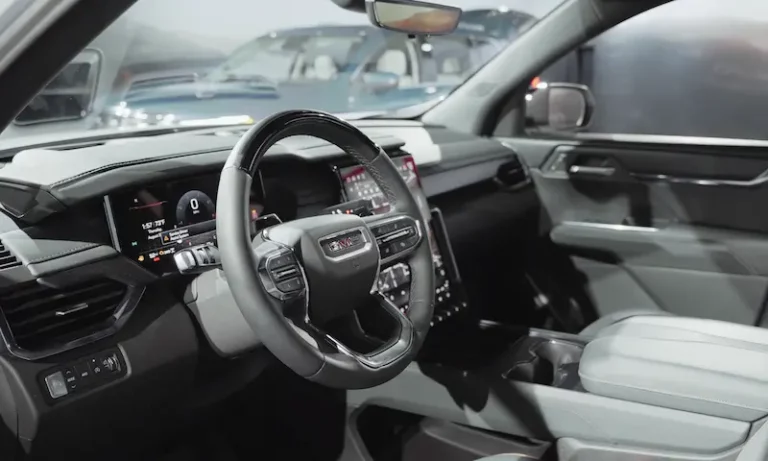
Are you stuck with a GM vehicle and can’t access the ignition because you’ve lost your key? This frustrating situation happens more often than you might think. While removing an ignition lock cylinder without a key is challenging, it can be done with the right knowledge and tools. I’ll walk you through several methods to solve this problem, but remember – only attempt this on a vehicle you legally own.
Legal Considerations Before Starting
Before diving into any ignition cylinder removal, you absolutely must be the legal owner of the vehicle. According to safety guidelines from professional locksmiths, attempting this procedure on a vehicle you don’t own could be considered theft or tampering. Always have your vehicle registration and proof of ownership handy.
For your safety, disconnect the battery before starting any work. This prevents electrical shorts and disables the airbag system while you’re working near the steering column.
Understanding Your GM Ignition Lock Cylinder
GM vehicles use different ignition lock designs depending on their age and model. Here’s what you need to know:
Older GM Models (Pre-2000)
Older GM vehicles typically use simpler ignition systems that are easier to remove without a key. These usually have a visible release pin or button that can be accessed with basic tools.
Modern GM Models (2000-Present)
Newer GM vehicles employ sophisticated security systems including:
- The HU100 high security ignition system (found in most post-2010 models)
- Transponder-equipped keys that communicate with the vehicle’s computer
- More complex retainer mechanisms
Method 1: Using Specialized GM Ignition Removal Tools
The most professional approach requires specialized tools designed specifically for GM ignitions.
For HU100 High Security Ignitions (2010+ Models)
These modern GM vehicles require specific removal tools based on model:
- HU100 Ignition Removal Tool V1 (Yellow/Blue): Works on 2010-2018 Chevy Equinox, 2010-2016 Buick LaCrosse, and 2011-2017 Buick Regal
- HU100 Ignition Removal Tool V2 (Green): For 2014-2015 Chevy Silverado, 2015 GMC Yukon, and 2015 Cadillac Escalade
- HU100 Ignition Removal Tool V3 (Black): Compatible with 2015-2019 Chevy Colorado and GMC Canyon
- HU100 Ignition Removal Tool V4 (Red): Designed for 2017-2019 Chevy Cruze
You can purchase these specialized tools from automotive locksmith suppliers if you plan to do this work yourself.
Step-by-Step Process:
- Remove the steering column covers (typically held by Phillips-head screws)
- Locate the retainer access hole positioned behind the ignition
- Insert the appropriate HU100 tool into the hole
- Apply pressure to depress the retaining mechanism
- With the retainer depressed, remove the cylinder in the “OFF” position
This method offers the advantage of removing the cylinder without drilling or causing damage to the ignition assembly. As demonstrated in professional instructional videos, this approach typically takes 10-15 minutes.
For GM 7-Tumbler Ignitions
For vehicles with the Z keyway ignition system, specialized removal kits are available that can extract the cylinder without causing damage.
Method 2: Sidebar Depression Technique
If you don’t have access to specialized tools, you can try the sidebar depression method:
- Locate the sidebar access point – This is typically a small hole or slot near the cylinder
- Fashion a tool – Use a straightened paperclip, thin pick, or small screwdriver
- Insert your tool into the sidebar access point
- Apply pressure to depress the sidebar mechanism
- Rotate and remove the cylinder while maintaining pressure
This technique works because most GM ignition cylinders use a sidebar mechanism that, when depressed, allows the cylinder to rotate and release. According to automotive security experts, this method requires patience and careful manipulation of the sidebar.
Method 3: Drilling Method (Last Resort)
The drilling method should only be used as a last resort when other methods have failed:
- Select a drill bit slightly larger than the key slot (typically 1/8″ or 3/16″)
- Position the drill bit in the center of the key slot
- Drill slowly and carefully into the cylinder
- Continue drilling until you feel the internal mechanisms break free
- Use pliers to rotate and remove the damaged cylinder
This method is destructive and will require a complete replacement of the ignition cylinder. However, as noted by professional locksmiths, it’s sometimes the only option when other approaches have failed.
Vehicle-Specific Removal Techniques
Different GM models require slightly different approaches. Here’s a breakdown by popular vehicle types:
Chevrolet Silverado/GMC Sierra (2014-2015)
These trucks use the HU100 V2 (green) tool for removal:
- Remove the steering column covers
- Locate the access hole at the 4 o’clock position behind the cylinder
- Insert the green HU100 tool and depress firmly
- Pull the cylinder straight out while maintaining pressure
Chevrolet Equinox (2010-2018)
For the Equinox:
- Remove the upper and lower steering column covers
- Insert the yellow/blue HU100 V1 tool into the access hole
- Press down firmly to depress the retainer tab
- Remove the cylinder with the ignition in the “OFF” position
Chevrolet Cruze (2017-2019)
The Cruze requires:
- Steering column cover removal
- Insertion of the red HU100 V4 tool
- Firm pressure on the retaining mechanism
- Gentle removal of the cylinder assembly
Costs of Professional Ignition Cylinder Replacement
If DIY methods seem too challenging, here’s what you can expect to pay for professional service:
| Component | Cost Range |
|---|---|
| Ignition Cylinder Part | $20-$400 |
| Labor | $70-$720 |
| Total Professional Replacement | $200-$930 |
These costs vary based on your vehicle model and local service rates. According to automotive repair estimates, luxury vehicles and those with complex security systems typically fall at the higher end of the price spectrum.
GM Ignition Recall Information
It’s worth noting that GM issued a major recall for ignition switch problems in many vehicles manufactured between 2003 and 2014. If you’re experiencing ignition issues in an affected vehicle, you might be eligible for a free repair under this recall. The National Highway Traffic Safety Administration provides details on affected models.
Affected vehicles include certain:
- Chevrolet Cobalt (2005-2010)
- Pontiac G5 (2007-2010)
- Saturn Ion (2003-2007)
- Chevrolet HHR (2006-2011)
- Pontiac Solstice (2006-2010)
- Saturn Sky (2007-2010)
Reinstalling a New Ignition Cylinder
Once you’ve successfully removed the old cylinder, here’s how to install a new one:
- Purchase the correct replacement cylinder for your specific GM model
- Insert the new cylinder into the housing with the key in the “OFF” position
- Rotate the key to verify proper operation and full range of motion
- Reconnect the battery and test all electrical functions
- Reassemble the steering column covers
Most replacement cylinders come with new keys. If you purchase a keyed-alike cylinder, you can maintain the same key for both ignition and doors.
Tools You’ll Need
For a successful ignition cylinder removal, gather these tools:
- Phillips and flathead screwdrivers
- Model-specific HU100 removal tool (if applicable)
- Thin pick or paperclip (for sidebar method)
- Drill and appropriate bits (last resort method)
- Needle-nose pliers
- Protective gloves
- Flashlight or headlamp
Having the right tools ready before you start will make the job much easier and prevent damage to surrounding components.
Preventing Future Key Loss
To avoid future ignition cylinder removal headaches:
- Create spare keys and store them in secure locations
- Consider using a key tracking device
- Keep a record of key codes from your dealer or locksmith
- For newer vehicles with transponder keys, maintain a backup programmed key
Common Mistakes to Avoid
When removing a GM ignition lock cylinder without a key, avoid these pitfalls:
- Excessive force: This can damage the steering column or internal components
- Improper tools: Using the wrong tools can damage the cylinder or make removal harder
- Ignoring the battery: Always disconnect the battery before working on ignition components
- Rushing the process: Take your time to avoid damaging components
Why GM Ignition Cylinders Fail
GM ignition cylinders typically fail for several reasons:
- Wear and tear: Regular use eventually wears down internal components
- Poor manufacturing: Some GM models had known design flaws in their ignition systems
- Foreign objects: Debris inside the cylinder can cause binding
- Key damage: Worn keys can damage the internal tumblers
Understanding why failures occur can help you recognize symptoms before you’re completely locked out.
Making the Decision: DIY vs. Professional Help
Consider these factors when deciding whether to tackle this job yourself:
DIY is appropriate when:
- You have mechanical experience
- You can access the correct specialty tools
- The vehicle is older with a simpler ignition system
- You’re willing to risk potential damage
Professional help is better when:
- Your vehicle has advanced security features
- You need to maintain warranty coverage
- You’re uncomfortable with the disassembly process
- The vehicle is a newer model with complex systems
Professional locksmith services for ignition cylinder removal typically start at $95 plus service fees.
Important Safety Precautions
Safety should always be your priority:
- Work in a well-ventilated area
- Disconnect the battery before starting
- Wear protective gloves and eye protection
- Avoid damaging the steering column or airbag components
- Keep track of all removed parts and screws
- Use proper tools to prevent injury
By following these safety guidelines, you’ll minimize risks while working on your vehicle’s ignition system.
Working with Modern GM Security Systems
Modern GM vehicles integrate the ignition cylinder with various security systems:
- Transponder systems: These communicate with the Engine Control Module
- Passlock/Passkey: These systems require proper resistor values in the key
- Steering column interlock: Safety feature that prevents steering without the key
When removing cylinders from these vehicles, you’ll need to maintain the integrity of these systems or have them reprogrammed afterward.
Remember, removing a GM ignition lock cylinder without a key is challenging but possible with the right approach. Always ensure you own the vehicle legally before attempting any ignition work, and don’t hesitate to call a professional if you’re unsure about any aspect of the procedure.