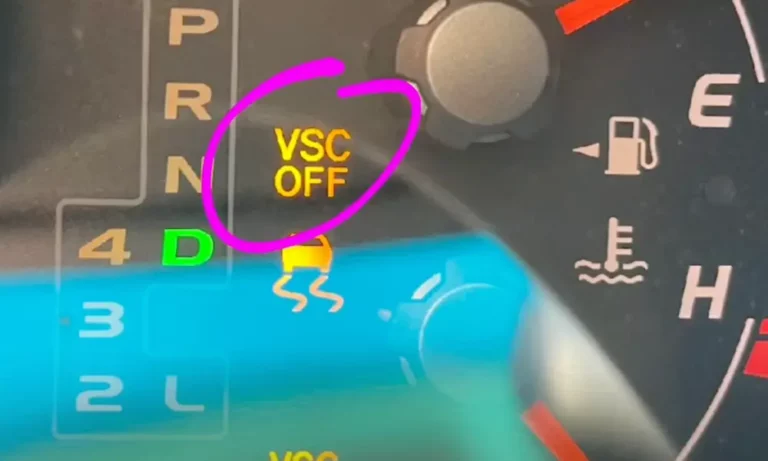
Have you noticed that pesky VSC light glowing on your Lexus dashboard? Don’t worry—you’re looking at a fixable problem. The Vehicle Stability Control system is a crucial safety feature that helps keep your car stable during challenging driving conditions. When that warning light comes on, it’s telling you something needs attention. This guide walks you through several proven methods to reset your VSC light and get back on the road safely.
What Does the VSC Light Mean on a Lexus?
The VSC light indicates a potential issue with your Vehicle Stability Control system. This advanced safety feature works alongside your Traction Control (TRAC) system, using sensors to monitor wheel speed, steering angle, and yaw rate. When your car detects instability, the VSC system jumps into action by adjusting engine power and applying individual brakes to keep you heading in your intended direction.
When the light comes on, it doesn’t always mean something catastrophic has happened. Sometimes it’s just a temporary glitch or sensor error that needs resetting.
Common Causes of VSC Light Activation
Before attempting to reset the light, it helps to understand what might have triggered it:
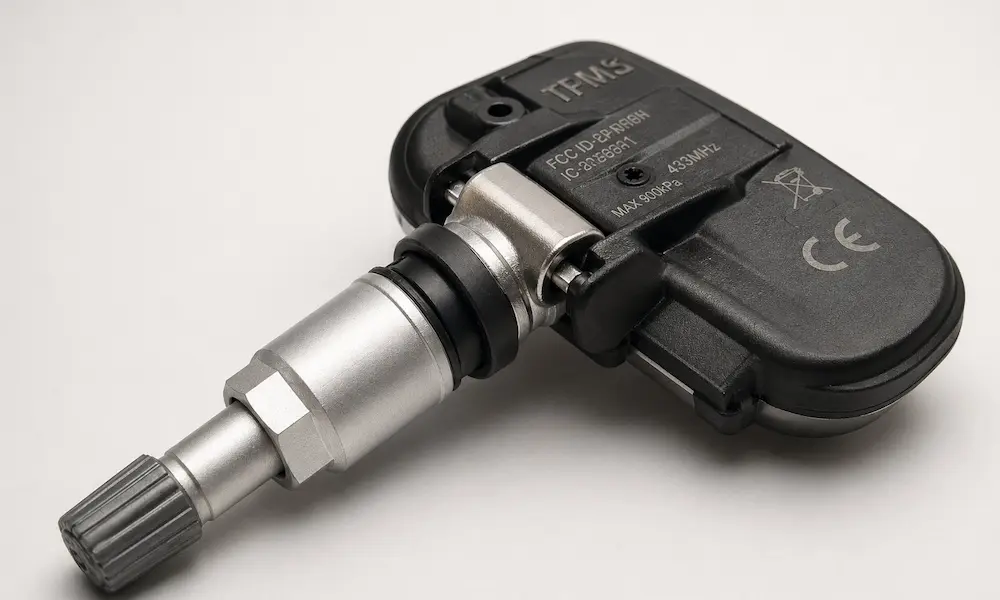
- Faulty wheel speed sensors: These can become dirty, damaged, or misaligned
- Low brake fluid or brake system issues: The VSC system integrates with your brakes
- Steering angle sensor problems: Misalignment can send incorrect data to your car’s computer
- Battery issues: A weak battery can cause electronic sensor errors
- Bad weather conditions: Driving through deep puddles can temporarily trigger the system
- Recent maintenance: Sometimes work on related systems can trigger the VSC light
Method 1: Using the OBD-II Scanner (Most Reliable)
The most effective way to reset your Lexus VSC light is using an OBD-II scanner. This method communicates directly with your vehicle’s computer system.
Step-by-Step Process:
- Park and turn off your engine on a level surface
- Locate the OBD-II port under the dashboard on the driver’s side
- Connect your OBD-II scanner to this port
- Turn the ignition to the “ON” position (don’t start the engine)
- Follow scanner prompts to access the VSC system
- Read any error codes (write these down for reference)
- Select the option to clear codes related to VSC/TRAC systems
- Turn off the ignition and disconnect the scanner
- Restart your vehicle to check if the VSC light has been reset
If the light remains off, congratulations! If it returns immediately, you likely have an underlying issue that requires attention from a mechanic.
Method 2: Battery Disconnection Reset
If you don’t have access to an OBD-II scanner, this method might work for minor electronic glitches.
Step-by-Step Process:
- Ensure your vehicle is off and parked safely
- Open the hood and locate the battery
- Disconnect the negative terminal using a 10mm or 12mm wrench
- Wait 15-20 minutes to allow the car’s computer to fully reset
- Reconnect the negative terminal securely
- Start your vehicle to see if the VSC light has been cleared
This method essentially performs a “hard reset” of your car’s computer systems. It’s less reliable than using an OBD-II scanner and won’t fix persistent mechanical issues.
Method 3: Manual Sensor Recalibration
Some Lexus vehicles allow for manual recalibration of the steering angle and yaw rate sensors, which are common culprits behind VSC warnings.
Step-by-Step Process:
- Locate the diagnostic port under the hood (typically near the fuse box)
- Identify the E1 and TS terminals in the diagnostic port
- Turn the ignition to the “ON” position (don’t start the engine)
- Connect the terminals using a wire jumper
- Touch the TS terminal four times within eight seconds
- Watch for the ABS and VSC lights to flash, indicating recalibration
- Turn off the ignition once the lights stabilize
- Restart your vehicle to check if the VSC light has been reset
This method works well for sensor-related issues but requires comfort with identifying electrical terminals.
Method 4: Using the VSC/TRAC Button
Many Lexus models come with a dedicated VSC button that can temporarily disable and re-enable the system.
Step-by-Step Process:
- Locate the VSC/TRAC button (usually near the gearshift or on the dashboard)
- Press and hold the button for at least three seconds
- Look for “VSC OFF” indicator on the dashboard
- Press the button again to reactivate the system
- Check if the VSC light has been cleared
This method is primarily useful for temporarily disabling the system (like when trying to free your car from snow or mud) rather than fixing persistent issues.
Post-Reset Maintenance Tips
After successfully resetting your VSC light, consider these maintenance tips to prevent future issues:
Regular Maintenance Checks
- Inspect brake fluid levels monthly
- Clean wheel speed sensors during routine service
- Check for loose connections in the VSC system
- Maintain proper tire pressure and condition
- Address check engine lights promptly as they can affect VSC
Driving Habits That Help Prevent VSC Issues
- Avoid deep puddles when possible
- Drive cautiously in snow and ice
- Accelerate gradually on slippery surfaces
- Maintain consistent maintenance schedule for all systems
Preventing Future VSC Light Activations
The best way to avoid VSC issues is through preventive maintenance:
| Maintenance Task | Recommended Frequency | Benefit |
|---|---|---|
| OBD-II system scan | Every 3-6 months | Catches early warning codes |
| Brake system inspection | With tire rotations | Ensures VSC can function properly |
| Wheel sensor cleaning | Annually | Prevents false readings |
| Battery testing | Twice yearly | Maintains stable power for sensors |
| Tire rotation and balance | Every 5,000-7,000 miles | Ensures even traction for VSC |
When It’s Time to Visit a Mechanic
While many VSC light issues can be resolved with the methods above, some situations warrant professional attention:
- The VSC light returns immediately after resetting
- Multiple warning lights (ABS, Check Engine, etc.) are illuminated
- You notice changes in vehicle handling or braking
- The VSC system repeatedly activates during normal driving
- Your OBD-II scanner shows the same error codes after multiple resets
In these cases, a certified Lexus technician can perform a comprehensive diagnosis and proper repair.
Understanding VSC Light Behavior
The VSC light can behave in different ways, each indicating something specific:
- Solid light: Generally indicates a system fault requiring attention
- Flashing light: Often means the VSC system is actively engaging during driving
- Light with other warnings: Indicates potentially related systems are affected
Resetting VSC Light on Specific Lexus Models
While the general procedures above work for most Lexus vehicles, certain models have specific considerations:
Lexus ES Models
The VSC button location on the Lexus ES 350 is typically near the gear shifter. These models often respond well to the OBD-II scanner method.
Lexus RX Models
RX models sometimes require a more specific steering angle sensor recalibration. After clearing codes with an OBD-II scanner, perform this calibration:
- Start with the steering wheel straight
- Turn ignition to ON position (don’t start engine)
- Turn steering wheel all the way left, then all the way right
- Return to center position
- Turn ignition off, wait 10 seconds, then restart
Lexus IS Models
IS models, particularly those from 2006-2013, sometimes show VSC warnings alongside maintenance required lights. After resetting the VSC light, be sure to also reset the maintenance light if needed.
Final Thoughts
Resetting the VSC light on your Lexus doesn’t have to be intimidating. In many cases, it’s a simple process that can be completed in your driveway with basic tools or an inexpensive OBD-II scanner. Remember that the VSC system is there for your safety, so addressing any persistent issues promptly is important.
By following the methods in this guide, you can often resolve the problem yourself and save a trip to the dealership. Keep your VSC system in good working order, and it will continue to provide the stability and control that makes your Lexus safe in challenging driving conditions.