If you drive a Hyundai with a 2.4-liter engine and you’ve been hearing about recalls, you’re probably wondering what’s going on. The Hyundai 2.4 engine recall affects millions of vehicles and involves serious safety risks—including engine fires. Here’s everything you need to know to protect yourself and your car.
Why Hyundai Recalled Millions of 2.4L Engines
The problem starts in the factory. When Hyundai manufactured the Theta II 2.4L engines at their Alabama plant, they drilled oil passages through the crankshaft. This drilling process left behind metal shavings and debris.
Here’s where it went wrong: the cleaning process didn’t remove all that metallic junk. When engines fired up for the first time, oil pressure pushed these metal bits straight into the tiny space between your connecting rod bearings and crankshaft. Since this debris came from inside the crankshaft, it bypassed the oil filter entirely.
Those metal particles act like sandpaper against your bearings. They scratch the crankshaft, generate heat, and gradually destroy the bearing surface. Eventually, the bearing can seize, the connecting rod can snap, and in the worst cases, that broken rod punches a hole through your engine block.
When that happens while you’re driving, hot oil sprays onto your exhaust system. That’s how engine compartment fires start—without any warning or collision.
Which Hyundai Models Are Affected
The Hyundai 2.4 engine recall isn’t just one recall—it’s a series of campaigns that kept expanding as more problems surfaced.
Theta II 2.4L GDI engines (the direct-injection models) got hit hardest:
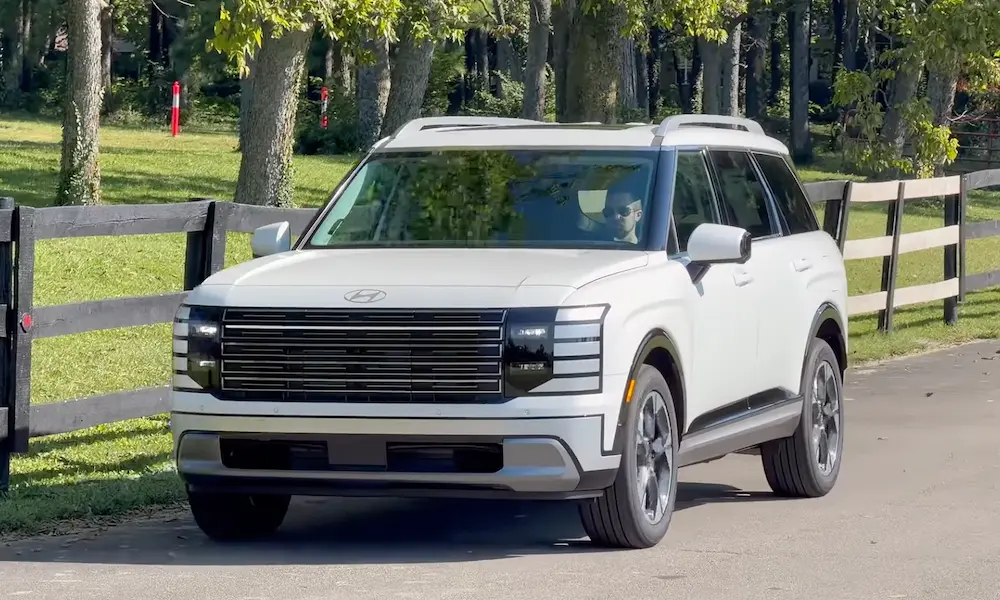
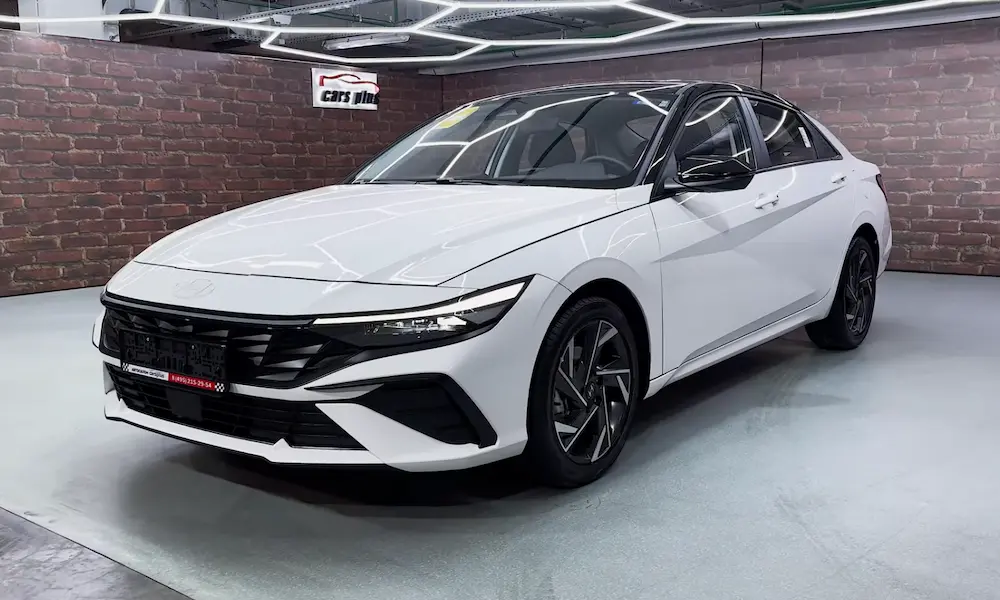
- 2011-2019 Sonata
- 2013-2019 Santa Fe Sport
- 2014-2015 and 2018-2019 Tucson
But the issue spread beyond just the high-tech GDI engines. The Theta II 2.4L MPI engines (multi-port injection) failed too:
- 2010-2012 Santa Fe
- 2010-2013 Tucson
Hyundai also recalled related engines like the 2.0L Theta II turbocharged models and even smaller engines (2.0L Nu and 1.6L Gamma) that showed similar bearing failures.
The NHTSA recall database shows campaigns stretching from 2015 through 2021, covering different model years as the scope kept widening.
| Model | Years Affected | Engine Type |
|---|---|---|
| Sonata | 2011-2019 | 2.4L GDI |
| Santa Fe / Santa Fe Sport | 2010-2014, 2013-2019 | 2.4L MPI & GDI |
| Tucson | 2010-2015, 2018-2019 | 2.4L MPI & GDI |
| Sonata Hybrid | 2011-2019 | 2.4L MPI & 2.0L Nu |
What Hyundai’s Doing to Fix It
Replacing millions of engines before they fail isn’t realistic. Instead, Hyundai developed software called the Knock Sensor Detection System (KSDS).
Your engine already has knock sensors—little microphones that listen for pinging sounds. The KSDS software update reprograms these sensors to detect a different sound: the rhythmic clatter of a worn-out connecting rod bearing.
When the system hears that telltale knock, it triggers a flashing check engine light and throws code P1326. Your car immediately enters “limp mode”—cutting power and limiting your speed to around 45-60 mph.
It’s annoying, but it’s intentional. By restricting engine speed, the system reduces stress on that failing bearing. The goal is to get you safely to a dealership before the rod snaps and your engine catches fire.
The Bearing Clearance Test
When you bring your car in with code P1326, the dealership runs a Bearing Clearance Test. A technician connects a tablet to your car and runs the engine through specific RPM ranges while the software analyzes vibration patterns.
If the test fails, you’re getting a new engine under warranty—free.
If it passes, the noise was probably a false alarm. They’ll replace the knock sensor wiring (which can corrode and trigger false codes), update your software, and send you on your way.
Your Warranty Coverage Explained
Two major class action lawsuits created two different warranty programs. Which one you have depends on your specific engine.
Lifetime Warranty (Theta II GDI Only)
If you’ve got a 2.4L GDI engine from the first group of recalls, you hit the jackpot. The Theta II GDI settlement provides lifetime warranty coverage for your short block.
This covers:
- Engine block
- Crankshaft
- Connecting rods
- Pistons
The warranty lasts for the entire life of the vehicle, with no mileage limit. It even transfers if you sell the car.
The catch: You must get the KSDS software update installed. No update, no lifetime warranty.
15-Year/150,000-Mile Extension (Other Engines)
If your car has a 2.4L MPI, 2.0L Nu, or 1.6L Gamma engine, you’re covered under the second settlement. This warranty extends coverage to 15 years from the original sale date OR 150,000 miles, whichever comes first.
It’s not lifetime, but it’s still substantial. And like the GDI warranty, it transfers to new owners.
| Engine Type | Warranty Length | Transferable? | KSDS Required? |
|---|---|---|---|
| 2.4L GDI (Theta II) | Lifetime | Yes | Yes |
| 2.4L MPI (Theta II) | 15 years / 150k miles | Yes | Yes |
| 2.0L Nu GDI | 15 years / 150k miles | Yes | Yes |
| 1.6L Gamma GDI | 15 years / 150k miles | Yes | Yes |
The “Exceptional Neglect” Trap
Here’s where things get frustrating. Both warranties have an exclusion for something called “Exceptional Neglect”.
Hyundai defines this as failing to change your oil for 365 consecutive days OR 15,000 miles—whichever comes first.
If your engine fails and the dealership finds heavy sludge or varnish inside, they can deny your claim. The burden of proof shifts to you. You’ll need maintenance records showing you changed your oil within those intervals.
This clause hammers second and third owners especially hard. If the previous owner didn’t keep receipts, or if there’s a gap in the service history, you might be stuck with a $7,000+ repair bill even though you’re technically covered.
Forums like reddit r/Hyundai are full of horror stories where people with seized engines got denied because they couldn’t prove oil changes from years ago.
Pro tip: Keep every oil change receipt. Photograph them. Store them digitally. If you buy a used Hyundai, demand maintenance records before you sign.
Signs Your Engine Might Be Failing
Don’t wait for the check engine light. Watch for these warning signs:
Noise changes: A rhythmic knocking or ticking that speeds up when you accelerate is the classic symptom. It sounds like marbles rattling in a can.
Metal shavings in oil: If your oil looks sparkly or has visible particles during an oil change, that’s bearing material breaking down.
Low oil pressure warning: The oil light might flicker at idle or stay on constantly as bearing clearances increase.
Rough idle: The engine might shake or vibrate more than usual, especially when cold.
If you notice any of these, don’t ignore them. Get to a dealership immediately. The earlier you catch bearing wear, the better your chances of getting a free replacement before catastrophic failure.
What Happens During an Engine Replacement
If your engine fails the Bearing Clearance Test, Hyundai will replace it. Here’s what to expect:
Timeline: In normal times, replacements take 1-2 weeks. During the height of the recall (2020-2022), some owners waited 2-4 months for back-ordered engines.
Loaner vehicles: The settlement guarantees you a loaner car. Reality is messier. Many dealerships don’t have enough loaners for everyone. You might need to rent a car yourself and submit for reimbursement—which can take months.
What gets replaced: For most failures, you get a “short block” (block, crank, rods, pistons). The dealership transfers your existing cylinder head, oil pump, and accessories. If you’ve got a hole in the block or fire damage, you might get a complete “long block” assembly.
Software updates: The replacement engine comes with the latest KSDS software pre-installed.
One more thing: If you had your engine replaced under earlier recalls, watch out. Recall 180 addresses a separate defect where technicians sometimes improperly tightened the high-pressure fuel line during installation. That can cause fuel leaks. Get that inspection done.
Don’t Confuse Engine Fires with ABS Fires
If you’ve heard about Hyundai’s “park outside” warning, that’s a different fire risk.
Recall 251 addresses Anti-Lock Brake System modules that can short-circuit and catch fire while your car is parked and turned off. This affects 1.6 million vehicles, including Elantras, Tucsons, and Sonatas.
The ABS issue has nothing to do with engine bearings. It’s caused by moisture getting into the brake module’s circuit board. Because the ABS stays powered even when the car’s off, a short can start a fire in your garage overnight.
If your VIN is included in both recalls, you’re dealing with two separate fire risks. Get both fixes done.
How to Check if Your Car Is Affected
Don’t guess. Check your VIN:
- Go to Hyundai’s recall lookup tool
- Enter your 17-character VIN (found on your dashboard or driver’s door jamb)
- Review all open recalls and service campaigns
You can also check the NHTSA recall database for complete recall details and owner complaints.
If your car shows open recalls, schedule service immediately. If the KSDS update is listed, make that your priority—it activates your extended warranty coverage.
Getting Reimbursed for Past Repairs
Already paid for an engine replacement out of pocket? Both settlements included reimbursement programs.
What’s covered:
- Engine repairs and parts
- Towing charges
- Rental car costs
- Lost resale value if you sold the car cheap due to engine failure
- Additional “goodwill” payments if your car caught fire
The deadlines have passed for filing new claims (August 2021 for Theta II GDI, July 2024 for the E2 settlement). But if you filed before the deadline and haven’t been paid yet, follow up with the settlement administrator.
Keep records of everything: invoices, rental receipts, insurance communications, and bank statements. The reimbursement process is notoriously slow and bureaucratic.
The Bigger Picture: NHTSA’s Response
The Hyundai 2.4 engine recall didn’t just happen because Hyundai felt generous. The National Highway Traffic Safety Administration forced their hand.
In 2020, NHTSA levied a $140 million penalty against Hyundai for failing to recall vehicles promptly. The agency concluded Hyundai knew about the defect for years before acting.
Part of that penalty required Hyundai to build a new data analytics lab in the U.S. specifically to catch safety trends faster. It fundamentally restructured how Hyundai monitors warranty claims.
This wasn’t a friendly recall. This was regulatory enforcement at its strongest.
Should You Buy or Keep a Recalled Hyundai?
If you’re shopping for a used Hyundai with a 2.4L engine, the recall isn’t automatically a deal-breaker—but do your homework.
Good signs:
- The KSDS update has been installed
- The engine was already replaced under warranty (essentially a new engine with full coverage)
- Complete maintenance records showing regular oil changes
- The vehicle has the lifetime warranty (GDI models)
Red flags:
- No service records
- The owner doesn’t know if recalls were completed
- The car is approaching the 15-year cutoff (for non-GDI models)
- Evidence of deferred maintenance
If you already own one, don’t panic. Millions of these engines are still running fine. Just stay on top of the KSDS update, change your oil religiously, and keep those receipts.
The transferable warranty actually makes these cars more valuable in the used market if everything’s been properly maintained and documented.
Final Thoughts
The Hyundai 2.4 engine recall represents one of the automotive industry’s most complex safety crises. What started as a manufacturing shortcut—inadequate cleaning of crankshaft oil passages—cascaded into millions of recalls, hundreds of millions in penalties, and a complete restructuring of Hyundai’s safety monitoring.
For owners, the path forward is clear: get the KSDS software update, maintain meticulous oil change records, and don’t ignore warning signs. The warranty protections are comprehensive if you follow the rules.
And if your check engine light starts flashing with code P1326? Don’t keep driving. That’s your engine’s way of screaming for help before it punches a hole through itself.