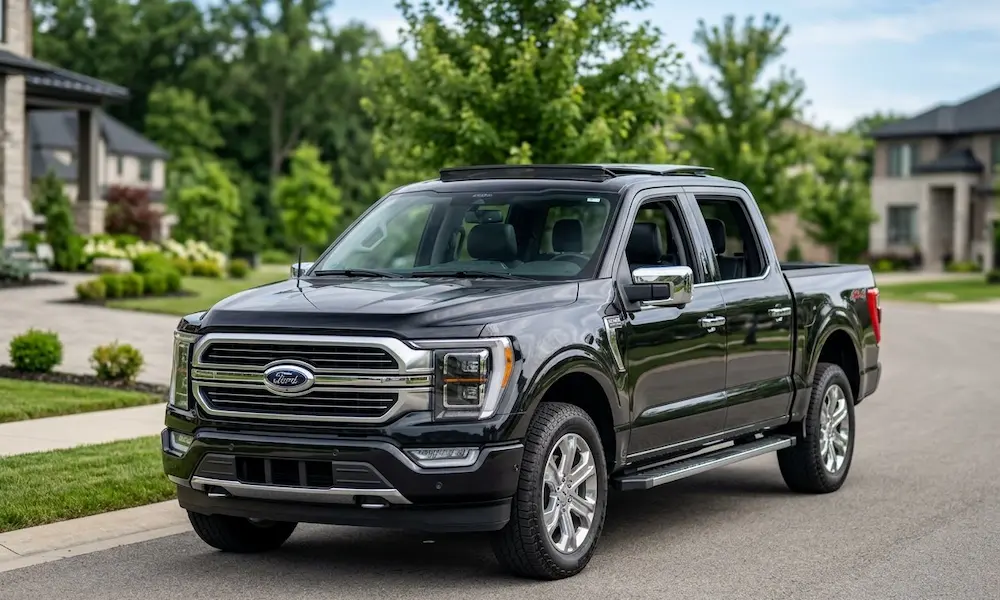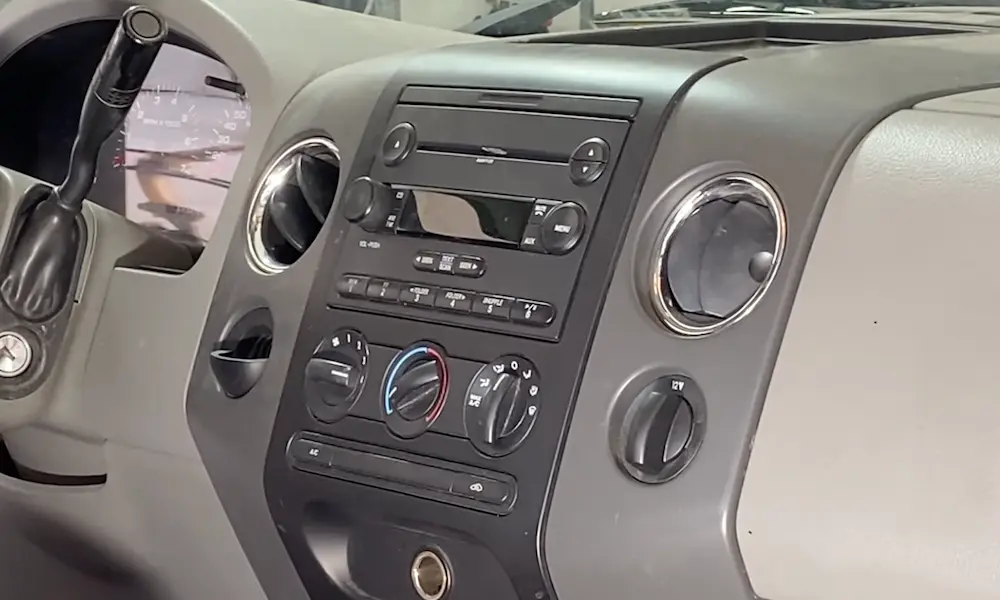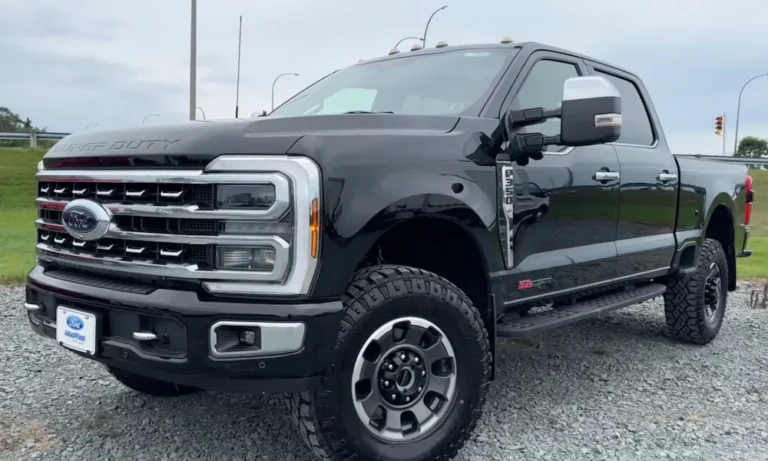
If you’re driving a Ford F-250 or Raptor with the 6.2L V8, you’ve probably heard whispers about engine issues. Some are minor annoyances, others can leave you stranded with a hefty repair bill. This guide breaks down the real Ford 6.2 engine problems, what to watch for, and how to keep your truck running strong.
The Valve Spring Nightmare That Can Kill Your Engine
Here’s the problem that keeps 6.2L owners up at night: valve spring failures. When one of these springs breaks, the valve can drop straight into the cylinder while your engine’s running. The result? Bent valves, destroyed pistons, and a repair bill that’ll make you wince.
This issue typically shows up between 100,000 and 150,000 miles, though some unlucky owners have seen failures as early as 50,000 miles. With 16 valves in your engine, that’s 16 potential failure points waiting to happen.
You’ll know something’s wrong when you hear unusual tapping sounds, feel sudden power loss, or notice rough idling. The scary part? Sometimes there’s zero warning before catastrophic failure.
What it’ll cost you: Engine replacement runs $8,000 to $15,000. Some mechanics suggest preventive valve spring replacement around 100,000 miles, but that’s a $3,000-$5,000 decision you’ll need to weigh carefully.
Why This Engine Has 16 Spark Plugs (And Why That’s a Problem)
The 6.2L uses a dual-plug setup that sounds great on paper but creates maintenance headaches. Each cylinder gets two spark plugs—one accessible from the top, another tucked near the exhaust manifolds.
Those lower plugs are a real pain. You’ll need to remove wheel well liners and contort yourself into tight spaces just to reach them. They’re also prone to corrosion from exhaust heat, and removal can be tricky when terminals separate.
The coil-on-plug system for the upper plugs has its own issues. Corrosion inside coil boots leads to arcing, which can create visible sparks in your engine bay. That’s not just bad for performance—it’s a potential fire hazard.
Smart move: Use quality NGK Iridium IX plugs and don’t skip the dielectric grease during installation. Replace plugs every 100,000 miles, and when one coil fails, consider replacing all eight to avoid repeat failures.
| Spark Plug Issue | Warning Signs | Typical Cost |
|---|---|---|
| Lower plug corrosion | Hard starts, misfires | $300-$500 (parts & labor) |
| Coil boot arcing | Visible sparks, rough idle | $80-$150 per coil |
| Terminal separation | Stuck plugs, misfires | $400-$800 if extraction needed |
Your Engine’s Drinking Oil Like It’s Going Out of Style
Many high-mileage 6.2L engines start guzzling oil at alarming rates—we’re talking one quart every 700-1,000 miles in bad cases. The culprits are worn piston rings, valve stem seals, or a faulty PCV system.
Ford even issued a Technical Service Bulletin for 2015-2016 models with leaking baffles in the right valve cover. That internal leak lets oil seep where it shouldn’t, and you’ll see blue smoke from your exhaust.
The PCV valve on the passenger side valve cover is a cheap fix that often solves oil consumption issues. This $50-$100 part regulates crankcase pressure, and when it fails, it can suck oil straight into your combustion chambers.
Watch your dipstick. If you’re adding oil between changes, don’t ignore it. Start with the PCV valve before assuming you need new rings or seals.
Ignition Coils That Arc and Spark in All the Wrong Places
The coil-on-plug ignition system on the 6.2L develops a dangerous quirk: coils start arcing to nearby metal components, including the fuel rail. Moisture gets into coil boots, corrosion sets in, and suddenly high-voltage electricity is finding alternative paths to ground.
You can actually see this happening. Run your truck in darkness and pop the hood—you might spot visible sparks jumping around. It’s equal parts fascinating and terrifying.
The interconnected nature means one failing coil often leads to others following suit. That’s why many techs recommend replacing all coils together, even though it’s a $640-$1,200 hit.
Prevention tip: During any spark plug service, inspect those coil boots carefully. Apply fresh dielectric grease to create a moisture barrier that’ll buy you time.
Timing Chain Troubles Before You Hit 150K
After 100,000 miles, timing chain tensioners can lose their grip, letting the chain slap around. You’ll hear it during cold starts—a distinctive rattle that goes away as oil pressure builds.
If the chain jumps time, you’re looking at potential valve-to-piston contact. Unlike valve spring failures, timing chain issues usually give you warning through noise and diagnostic codes (P0016 or P0017).
The timing chain system depends on proper oil pressure to function. That’s why synthetic oil and regular 5,000-mile changes aren’t optional—they’re insurance against a $800-$2,000 repair.
The Warm Start Problem That’ll Test Your Patience
Got a 2017-2019 model? You might notice something weird: the engine cranks forever when you restart it after it’s been sitting for 45 minutes or so. Cold starts are fine, but warm starts are brutal.
The fuel pump check valve isn’t holding pressure like it should. When the engine sits warm, fuel pressure bleeds off, and the system needs time to repressurize before the engine fires. Summer heat makes it worse.
Ford hasn’t issued a recall, but updated fuel pump assemblies are available. At $400-$800 plus labor to drop the tank, it’s not cheap—but it beats getting stranded.
That Annoying Ticking You Can’t Unhear
If you’ve got a 2017 or newer 6.2L, you’ve probably noticed a ticking or rattling noise at idle. That’s your Intake Manifold Runner Control (IMRC) system acting up.
The IMRC controls butterfly valves in the intake to optimize airflow at different RPMs. When the vacuum actuators lose their seal, those runners flutter instead of staying put. It’s mostly a noise issue—your truck will still run fine—but the ticking drives some owners crazy.
Your options:
- Live with it (free, but annoying)
- Simple spring modification ($50 and 20 minutes)
- Complete intake manifold replacement ($1,500+)
- Disable via ECU tuning (may affect emissions)
Exhaust Manifold Headaches in the Rust Belt
If you live where they salt the roads, exhaust manifold problems might be in your future. The combination of aluminum heads and steel studs creates a corrosion cocktail that makes stud removal a nightmare.
Exhaust manifold studs seize and break when you try to remove them, turning a straightforward $650 manifold replacement into a $1,050+ ordeal. In severe cases, the cylinder head comes off just to extract broken studs.
Cracked manifolds themselves happen less often but do occur between 75,000-150,000 miles. You’ll hear exhaust leaks and might notice performance changes.
How to Keep Your 6.2L Running Past 200K
Despite everything you’ve just read, plenty of 6.2L engines cruise past 200,000 miles without major drama. The difference? Obsessive maintenance.
Your maintenance checklist:
Every 5,000 miles:
- Oil change with full synthetic
- Quality oil filter (don’t cheap out here)
- Visual inspection for leaks
Every 75,000 miles:
- PCV system inspection and replacement if needed
- Check valve cover gaskets
Every 100,000 miles:
- All 16 spark plugs replaced
- Inspect all ignition coils
- Consider timing chain inspection
150,000+ miles:
- Seriously consider preventive valve spring replacement
- Monitor oil consumption closely
- Budget for potential major repairs
| Maintenance Item | Interval | Cost | Skip It Risk |
|---|---|---|---|
| Synthetic oil change | 5,000 miles | $75-$100 | Timing chain failure |
| Spark plug replacement | 100,000 miles | $300-$500 | Ignition system cascade failure |
| PCV valve | 75,000 miles | $50-$100 | Excessive oil consumption |
| Valve spring preventive replacement | 100,000-150,000 miles | $3,000-$5,000 | Catastrophic engine failure |
The Brutal Truth About Cost of Ownership
Let’s talk money. The 6.2L isn’t a cheap engine to maintain long-term, especially once you pass 100,000 miles. You need to budget for repairs that other engines don’t face.
Set aside funds for a complete ignition system overhaul ($1,500-$2,000) and potentially preventive valve spring replacement ($3,000-$5,000). When valve springs do fail catastrophically, you’re looking at $8,000-$15,000 for engine replacement or a remanufactured engine swap.
Compare that to diesel options with their own DEF systems, DPF filters, and turbo issues, and the 6.2L starts looking reasonable. For folks who need gasoline power in a heavy-duty truck, this engine remains one of the few viable choices.
Is the 6.2L Really That Bad?
Here’s my honest take: the 6.2L is a solid workhorse that can absolutely deliver 200,000+ miles of service. But it demands respect and maintenance. You can’t treat it like a set-it-and-forget-it engine.
The valve spring issue is the elephant in the room. It’s the one problem that can turn a running truck into a paperweight overnight. Everything else—spark plugs, oil consumption, timing chains—gives you warning signs and manageable repair costs.
Fleet operators report excellent durability with proper maintenance schedules. The engine’s cast iron block and robust internals provide a solid foundation. It’s the ancillary components—springs, coils, seals—that cause grief.
If you’re buying used, get a thorough pre-purchase inspection focusing on these known issues. If you own one now, stick to that maintenance schedule religiously. And if you’re deciding between a 6.2L and other options, factor in the potential for expensive repairs alongside the benefits of simple gasoline power.
The 6.2L isn’t perfect, but with eyes wide open and a proactive approach, it can serve you well. Just don’t ignore those warning signs or skip maintenance to save a few bucks. This engine will punish negligence in ways your wallet won’t appreciate.