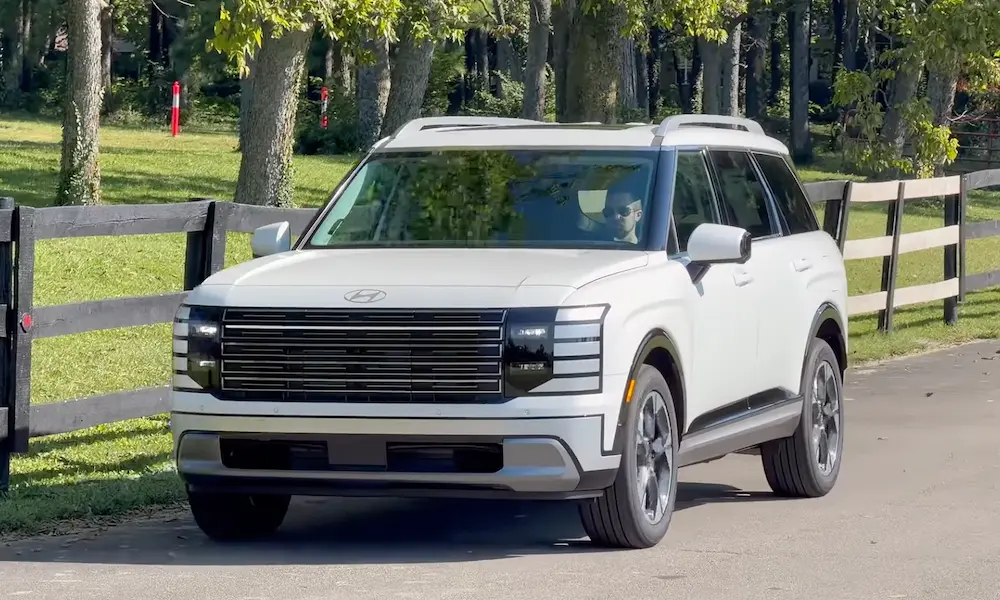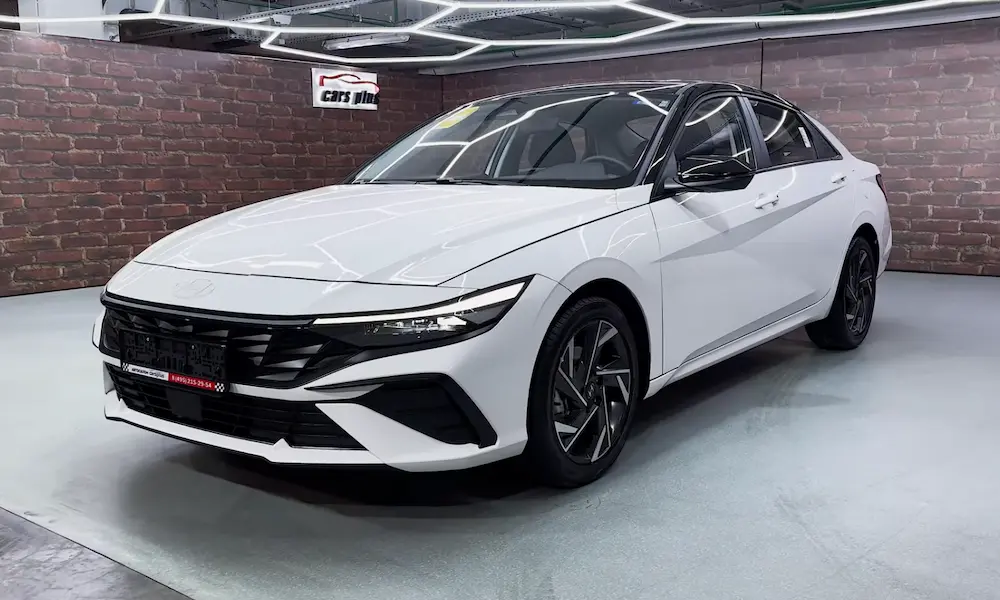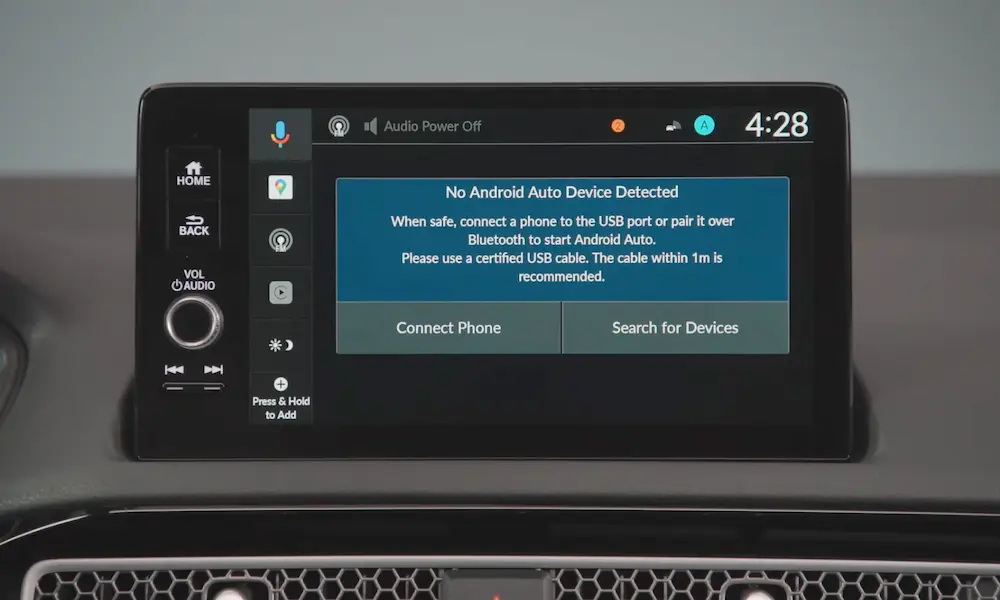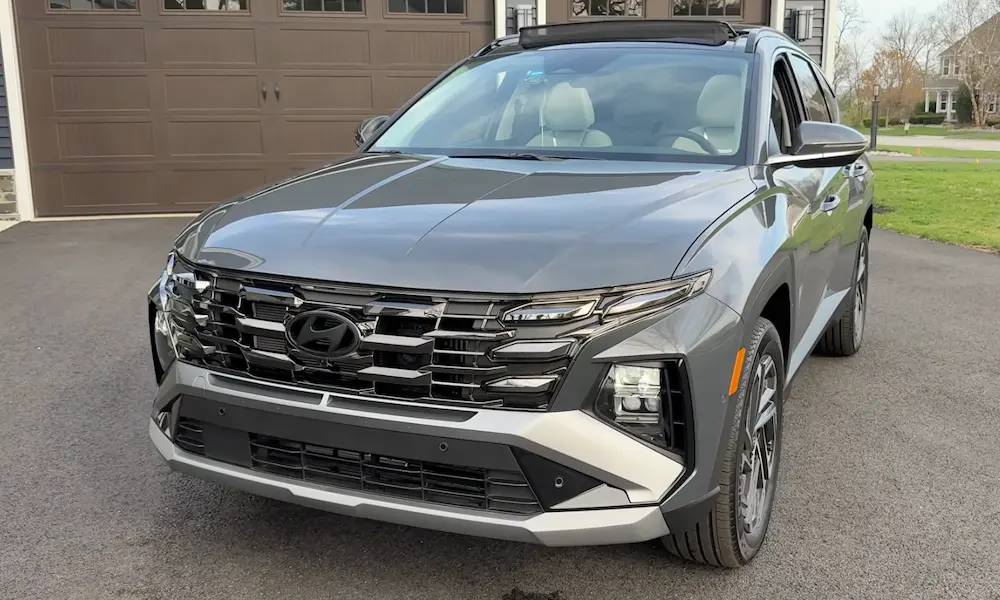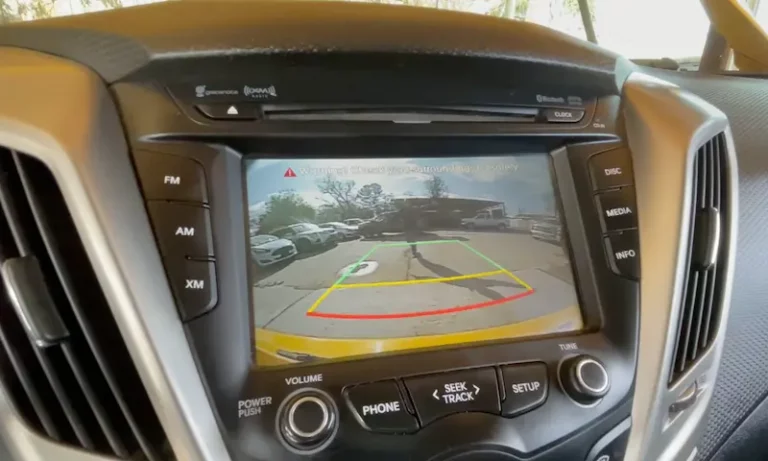
Is your Hyundai showing a black screen when you back up? You might be affected by a major safety recall. Over 226,000 Hyundai vehicles in the U.S. and 48,500 in Canada have faulty backup cameras that could leave you in the dark when reversing. Let’s break down what this recall means for you and how to get it fixed.
Which Hyundai Models Are Affected?
The backup camera recall targets specific Hyundai vehicles manufactured between 2021 and 2022. Check if your car is on this list:
- Hyundai Elantra (2021-2022) – Including standard, hybrid, and N variants
- Hyundai Santa Fe (2021-2022) – Including standard, hybrid, and plug-in hybrid models
The manufacturing defect affects approximately 226,118 vehicles in the United States and an additional 48,509 in Canada. Not all vehicles within these model years are affected, so it’s important to check your specific VIN number to confirm.
What’s Actually Wrong With the Backup Cameras?
The problem is more than just an inconvenient glitch—it’s a serious safety issue that prompted Hyundai’s official recall.
The Technical Problem
The backup cameras have defective solder joints on their printed circuit boards (PCBs). These joints connect the signal processor to the circuit board, and when they crack, your backup camera can completely fail.
These cracks develop over time due to:
- Heat stress (especially in hot weather)
- Normal vehicle vibration
- Regular use that causes expansion and contraction
How the Camera Fails
When the camera fails, you’ll notice one of these symptoms:
- Complete black screen when you shift into reverse
- Static or white noise instead of a camera image
- Delayed image that appears after several seconds
- Screen that goes blank prematurely
About 5% of the recalled vehicles (roughly 11,305 cars) have already shown these defects, and Hyundai’s testing shows that affected cameras typically fail within 18-24 months of normal use.
Why This Is a Serious Safety Issue
This isn’t just about convenience—it’s a federal safety violation. The National Highway Traffic Safety Administration (NHTSA) requires all vehicles to have working backup cameras under Federal Motor Vehicle Safety Standard No. 111.
A properly functioning backup camera must:
- Show a clear image of a 10×20 foot zone behind your vehicle
- Display this image within 2 seconds of shifting to reverse
- Maintain visibility for at least 4 seconds after shifting out of reverse
Without a working backup camera, you’re at higher risk of:
- Backing into objects you can’t see
- Hitting pedestrians, especially children who may be below your line of sight
- Causing property damage while parking
Before backup cameras became mandatory in 2018, backover accidents caused approximately 210 deaths and 15,000 injuries annually in the U.S., with children under 5 and adults over 70 making up more than half of these fatalities.
How to Check If Your Hyundai Is Affected
Don’t wait for problems to appear—be proactive about checking if your vehicle is included in this recall.
Step 1: Find Your VIN Number
Your Vehicle Identification Number (VIN) is a 17-digit code that can be found:
- On your driver’s side dashboard (visible through the windshield)
- Inside the driver’s side door jamb
- On your vehicle registration or insurance documents
Step 2: Verify Your Recall Status
Once you have your VIN, you can check if your vehicle is affected by:
- Using Hyundai’s official recall lookup tool at hyundaiusa.com/recalls
- Checking the NHTSA’s recall lookup database
- Calling Hyundai’s customer service at 855-371-9460
The VIN ranges for affected vehicles are non-sequential, so even if your friend’s identical model isn’t affected, yours still could be.
What to Do If Your Camera Is Already Failing
If you’ve already noticed your backup camera acting up or failing completely, take these immediate steps:
Safe Driving Practices Until Repair
- Perform a full walkaround before entering your vehicle to note any obstacles
- Use all three mirrors (rearview and both side mirrors) when backing up
- Turn and look over your shoulder to check blind spots
- Back up slowly and be ready to stop instantly
- Use parking sensors if your vehicle is equipped with them
Reporting the Issue
It’s important to document and report backup camera failures:
- Take a photo or video of the black screen or static if possible
- Contact your Hyundai dealer to report the issue
- File a complaint with NHTSA through their website or by calling 1-888-327-4236
Hyundai’s Recall Solution and Timeline
Hyundai has developed a comprehensive plan to address this safety concern.
The Fix
Hyundai will replace the entire backup camera assembly free of charge. The repair procedure includes:
- Removing the rear liftgate or trunk liner
- Installing a new camera assembly (different part numbers for Elantra and Santa Fe models)
- Updating the infotainment system firmware to version 2.1.3
This repair takes approximately 45 minutes and uses improved camera units with properly formed solder joints manufactured after April 2022.
When You’ll Be Notified
Hyundai began sending official recall notifications to dealers on November 21, 2024, and will start mailing owner notifications on January 19, 2025. However, you don’t need to wait for a letter to schedule your repair—if your VIN is confirmed as part of the recall, you can contact your dealer immediately.
Reimbursement for Prior Repairs
If you already paid to fix your backup camera for this specific issue before the recall was announced, Hyundai will reimburse you if:
- You can provide repair receipts
- The repair was completed before November 21, 2024
- The problem was related to the solder joint failure described in the recall
Submit your reimbursement request with copies of all repair orders, receipts, and proof of payment to Hyundai Customer Care.
Scheduling Your Free Repair
Getting your camera fixed is straightforward and won’t cost you anything.
Finding an Authorized Dealer
Only authorized Hyundai dealers can perform the recall repair. To find one near you:
- Use the dealer locator on Hyundai’s website
- Call Hyundai’s concierge line at 855-371-9460
- Use the MyHyundai app to locate nearby service centers
What to Expect at Your Appointment
When you take your vehicle in for repair:
- The service department will verify your VIN is part of the recall
- A technician will replace the camera assembly
- The dealership will test the new camera to ensure it works properly
- You should receive documentation confirming the recall repair was completed
Most dealers can complete this repair same-day if they have the parts in stock.
Extended Warranty and Future Protection
Hyundai is standing behind their repair with additional coverage.
Enhanced Warranty Coverage
The replacement cameras come with an extended warranty:
- 12-year/unlimited-mileage warranty specifically for the camera assembly
- This significantly exceeds the standard 5-year/60,000-mile bumper-to-bumper coverage
- The warranty transfers to subsequent owners if you sell your vehicle
How to Maintain Your New Camera
To keep your replacement backup camera working properly:
- Clean the lens periodically with a soft, damp cloth
- Avoid harsh chemicals that could damage the lens coating
- Don’t use pressure washers directly on the camera area
- Report any new issues immediately to your dealer
Industry Context: Not Just a Hyundai Problem
This recall highlights broader challenges in automotive electronics.
The Shift to Lead-Free Solder
The industry’s move to environmentally friendly lead-free solder has introduced new reliability challenges:
- Lead-free solder joints are more brittle
- They’re more susceptible to cracking under thermal stress
- Automotive environments (heat, vibration, moisture) are particularly demanding
Other Camera Recalls in the Industry
Hyundai isn’t alone in facing backup camera problems:
- Honda recalled over 500,000 vehicles in 2023 for similar camera issues
- Toyota faced backup camera recalls affecting multiple models in 2022
- Nissan and FCA have also issued camera-related recalls in recent years
These industry-wide problems suggest a need for more rigorous testing standards for automotive camera systems.
Table: Affected Vehicles by Production Location
| Model | Production Facility | Units Affected | Production Dates |
|---|---|---|---|
| Elantra | HMMA (Alabama) | 75,291 | Nov 2020 – Nov 2021 |
| Elantra | HMC (South Korea) | 54,463 | Nov 2020 – Mar 2022 |
| Elantra N | HMC (South Korea) | 1,186 | Sep 2021 – Feb 2022 |
| Santa Fe | HMMA (Alabama) | 84,421 | Nov 2020 – Nov 2021 |
| Santa Fe PHEV | HMC (South Korea) | 1,760 | May 2021 – Mar 2022 |
Table: Backup Camera Failure Symptoms and What They Mean
| Symptom | Technical Cause | Safety Risk Level |
|---|---|---|
| Complete black screen | Total circuit failure | High – No visibility |
| Static/white noise | Partial circuit failure | High – Unusable image |
| Delayed image (>2 seconds) | Intermittent connection | Medium – Reduced reaction time |
| Premature screen blanking | Signal processing error | Medium – Insufficient viewing time |
| Distorted/pixelated image | Degrading connection | Low – Still usable but deteriorating |
What This Recall Says About Hyundai Quality
This recall is part of a larger pattern for Hyundai in recent years.
Recent Recall History
The backup camera recall is actually Hyundai’s fourth major recall announced in November 2024 alone, bringing their total recalled vehicles to over 1.1 million in the U.S. this year. This follows other significant electronic system recalls in 2023.
According to J.D. Power’s 2024 Vehicle Dependability Study, Hyundai has fallen below industry average specifically for electronic component reliability. However, their recall response has been prompt and comprehensive.
Hyundai’s Quality Improvement Efforts
To address these recurring issues, Hyundai has:
- Switched to a more reliable reflow soldering technique for electronics
- Implemented automated optical inspection systems to detect joint irregularities
- Enhanced stress testing protocols for electronic components
- Committed $47 million specifically for this recall’s repair costs
Looking Forward: Regulatory Changes and Future Prevention
This widespread camera recall may lead to regulatory changes.
Potential NHTSA Improvements
The NHTSA has proposed expanding Federal Motor Vehicle Safety Standard No. 111 to include:
- Redundant camera systems for larger vehicles
- Standardized diagnostic codes specifically for visibility systems
- Mandatory OTA (over-the-air) update capability for camera firmware
These changes could add $120-$180 to vehicle production costs but would help prevent similar issues in the future through better system monitoring.
Taking Action Now
Don’t wait for your backup camera to fail or for the official notice to arrive in the mail. If your Hyundai is affected, schedule your free repair as soon as possible.
Remember that a functioning backup camera isn’t just a convenience feature—it’s a critical safety system that could prevent a tragic accident. Taking quick action on this recall ensures you’re doing your part to keep yourself and those around your vehicle safe.