Wondering what fuel your Hyundai Santa Fe needs? Getting this right matters more than you might think. Using the correct gas type not only keeps your engine healthy but also affects your SUV’s performance and fuel economy. I’ll cut through the confusion and explain exactly what gas your Santa Fe needs, whether premium fuel makes any difference, and how fuel choices vary across different models and regions.
What Type of Gas Does a Hyundai Santa Fe Use?
Most Hyundai Santa Fe models in North America require regular unleaded gasoline with an octane rating of 87 (R+M)/2. This applies to all engine types, including the turbocharged variants. Despite what some might assume, even high-performance Santa Fe models with turbo engines don’t need premium fuel.
The requirement for 87-octane fuel covers:
- 2.4L naturally aspirated engines (185 HP)
- 2.0L Turbo GDI engines (235 HP)
- 2.5L Turbo GDI engines (277 HP)
This information comes directly from Hyundai’s technical guides, which explicitly state these engines are optimized for regular unleaded.
Do Turbocharged Santa Fe Models Need Premium Gas?
No, they don’t. This might surprise you, but Hyundai’s turbocharged Santa Fe engines are specifically designed to run optimally on regular 87-octane fuel.
The 2025 Santa Fe’s impressive 2.5L Turbo GDI engine produces 277 horsepower and 311 lb-ft of torque while using regular unleaded gas. Hyundai achieves this through advanced engineering:
- Sophisticated knock sensors
- Variable valve timing
- Adaptive engine management systems
These technologies allow the engine to adjust its timing automatically to prevent engine knock, eliminating the need for premium fuel even under high-performance demands.
Will Premium Gas Improve My Santa Fe’s Performance?
Not really. Using premium fuel in a Santa Fe designed for regular gas offers no meaningful benefits. While some owners report subjective improvements in performance or fuel economy with premium gas, Hyundai explicitly states that higher-octane fuels are unnecessary unless specified.
Some Santa Fe owners on forums report perceived improvements like:
- Smoother engine operation
- Better throttle response
- Slight increases in fuel economy
However, these claims lack scientific verification and conflict with Hyundai’s engineering specifications. The ECU in your Santa Fe isn’t designed to take advantage of premium fuel’s higher octane rating, so you’re essentially wasting money.
Regional Variations in Fuel Requirements
Interestingly, fuel requirements for the Santa Fe can vary depending on where you live:
North America: 87-Octane Standard
In the US and Canada, Santa Fe models are calibrated for 87-octane regular unleaded gas, which uses the Anti-Knock Index (AKI) rating system.
Australia: 91-Octane Requirement
The Australian-market Santa Fe with the 2.5L turbo-petrol engine requires minimum 91-octane unleaded fuel according to official specifications. This isn’t because the engine is different but because Australia uses the RON (Research Octane Number) system for measuring fuel octane.
To put this in perspective:
- 87 AKI (North America) ≈ 91 RON (Australia)
- Both are essentially “regular” unleaded in their respective markets
Fuel Economy and Gas Type in Different Santa Fe Models
Your Santa Fe’s fuel economy varies significantly based on engine type, with fuel type playing a less important role than many believe:
| Santa Fe Model | Engine Type | EPA Estimated MPG (Combined) | Recommended Fuel |
|---|---|---|---|
| 2025 Standard | 2.5L Turbo GDI | 24 MPG | Regular (87 octane) |
| Hybrid | 1.6L Turbo GDI Hybrid | 42 MPG | Regular (87 octane) |
| 2016-2020 | 2.4L Naturally Aspirated | 22 MPG | Regular (87 octane) |
| 2016-2020 | 2.0L Turbo | 21 MPG | Regular (87 octane) |
As you can see from EPA estimates, the hybrid model offers significantly better fuel economy while still using regular unleaded gas.
Understanding Fuel Quality vs. Octane Rating
Fuel quality and octane rating are different things. While your Santa Fe doesn’t need high-octane premium gas, it does benefit from quality fuel with good detergent additives.
The Importance of TOP TIER Gasoline
Hyundai recommends using TOP TIER detergent gasoline to maintain engine health. This is especially important for GDI (Gasoline Direct Injection) engines found in modern Santa Fe models, which are more prone to carbon buildup on intake valves.
TOP TIER gas brands include:
- Shell
- Chevron
- Costco
- Exxon
- BP
- Phillips 66
Using these brands helps prevent:
- Carbon deposits on intake valves
- Fuel injector clogging
- Reduced fuel economy over time
- Engine performance issues
Ethanol Blends and Your Santa Fe
Your Santa Fe can safely use E15 gasoline (containing 15% ethanol), but should never use E85 (85% ethanol) unless specifically designated as a FlexFuel vehicle. Most Santa Fe models are not FlexFuel vehicles.
Methanol-blended fuels should strictly be avoided as they can cause corrosion and damage to your fuel system components.
Common Fuel-Related Issues in Santa Fe Models
GDI engines in the Santa Fe line are susceptible to certain fuel-related problems:
Carbon Buildup
Direct injection engines don’t spray fuel over the intake valves, which can lead to carbon accumulation over time. To minimize this:
- Use TOP TIER gasoline consistently
- Consider periodic fuel system cleaning with products like Techron
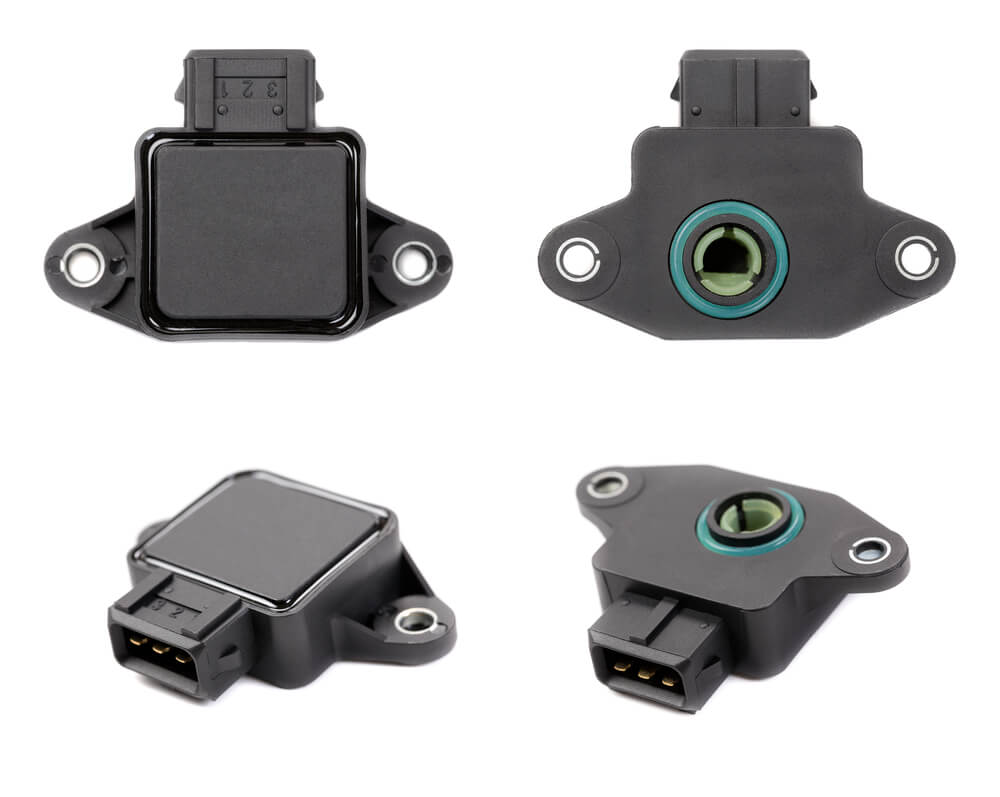
- Perform intake/throttle body decarbonization at around 45,000-50,000 miles
Fuel Economy Variability
Santa Fe owners sometimes report inconsistent fuel economy. This can be related to:
- Driving habits and conditions
- Climate and temperature
- Fuel quality differences
- Maintenance status
Preventing Fuel System Issues in Your Santa Fe
Keeping your Santa Fe’s fuel system healthy doesn’t require premium fuel, but it does benefit from consistent maintenance:
- Use quality fuel from reputable stations with TOP TIER detergent additives
- Replace the fuel filter according to the maintenance schedule
- Keep your gas tank above 1/4 full when possible to prevent fuel pump overheating
- Avoid running on fumes which can draw sediment into your fuel system
- Consider fuel system cleaners every 5,000-10,000 miles
What Happens If You Use The Wrong Gas Type?
Using the wrong gas type in your Hyundai Santa Fe can have different consequences:
Using Premium in a Regular-Fuel Santa Fe
- No engine damage will occur
- No performance or fuel economy benefits
- Wasted money on more expensive fuel
Using Regular When Premium is Required (rare specific models)
- Potential engine knocking
- Reduced performance
- Possible long-term engine damage
- Decreased fuel economy
Using E85 in a Non-FlexFuel Santa Fe
- Potential serious engine and fuel system damage
- Poor performance and stalling
- Expensive repairs
Compression Ratios and Knock Prevention
Your Santa Fe’s engine has been carefully designed with specific compression ratios to work with regular fuel:
- 2.4L engine: Compression ratio of 11:1
- 2.0L Turbo: Compression ratio of 10:1
- 2.5L Turbo: Similar high compression design
Despite these relatively high compression ratios, Hyundai’s engine management systems are sophisticated enough to adjust ignition timing to prevent knock with regular 87-octane fuel. This design eliminates the need for premium gas that older high-compression engines required.
The Evolution of Santa Fe Fuel Requirements
Throughout its model history, the Hyundai Santa Fe has consistently been designed to use regular unleaded fuel. This owner-friendly approach has remained consistent even as engine technology has advanced:
- Early models (2001-2012): Regular unleaded
- Middle generation (2013-2018): Regular unleaded
- Current models (2019-2025): Regular unleaded
This consistency reflects Hyundai’s commitment to providing performance without the added cost of premium fuel.
Making the Most of Your Hyundai Santa Fe’s Fuel Economy
To maximize your Santa Fe’s efficiency while using the manufacturer-recommended regular unleaded gas:
- Maintain proper tire pressure according to the door jamb sticker
- Drive smoothly without excessive acceleration or braking
- Remove unnecessary weight from your vehicle
- Use cruise control on highways
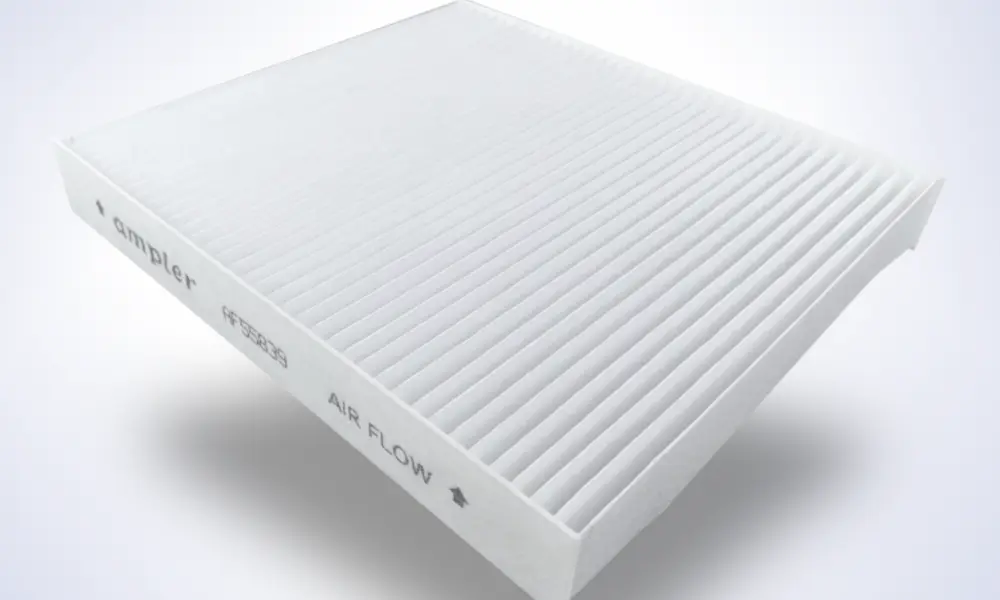
- Keep up with regular maintenance including air filter changes
- Monitor your driving style with the in-dash efficiency gauge
Is Premium Gas Ever Worth It for a Santa Fe?
For nearly all Santa Fe owners, premium gas is simply not worth the extra cost. The engines are specifically calibrated for 87-octane fuel, and the sophisticated engine management systems adjust timing accordingly.
If you’ve had your Santa Fe’s engine professionally tuned with aftermarket software that specifically calls for premium fuel, then higher octane may be necessary. Otherwise, you’re better off investing that money in regular maintenance or higher quality regular unleaded from TOP TIER stations.
Bottom Line on Hyundai Santa Fe Gas Type
Your Hyundai Santa Fe is engineered to perform optimally with regular unleaded gasoline (87 octane in North America, 91 RON in Australia). Premium fuel offers no benefits and is an unnecessary expense for standard Santa Fe models. Instead of spending extra on premium gas, focus on using quality fuel from reputable stations and maintaining your vehicle according to the manufacturer’s recommendations.
The fuel quality matters more than the octane rating – choose TOP TIER gasoline with good detergent additives to keep your engine clean and running smoothly for years to come.