Thinking about getting that Discount Tire certificate but wondering if it’s just another upsell? You’re not the only one eyeing that protection plan at checkout. Whether you’re driving a luxury vehicle with pricey tires or a daily commuter with standard wheels, the question remains the same: are you getting real protection or just spending money you’ll never see again? Let’s dig into what these certificates actually cover, when they’re worth it, and when you might want to save your cash for coffee instead.
What Exactly Does a Discount Tire Certificate Cover?
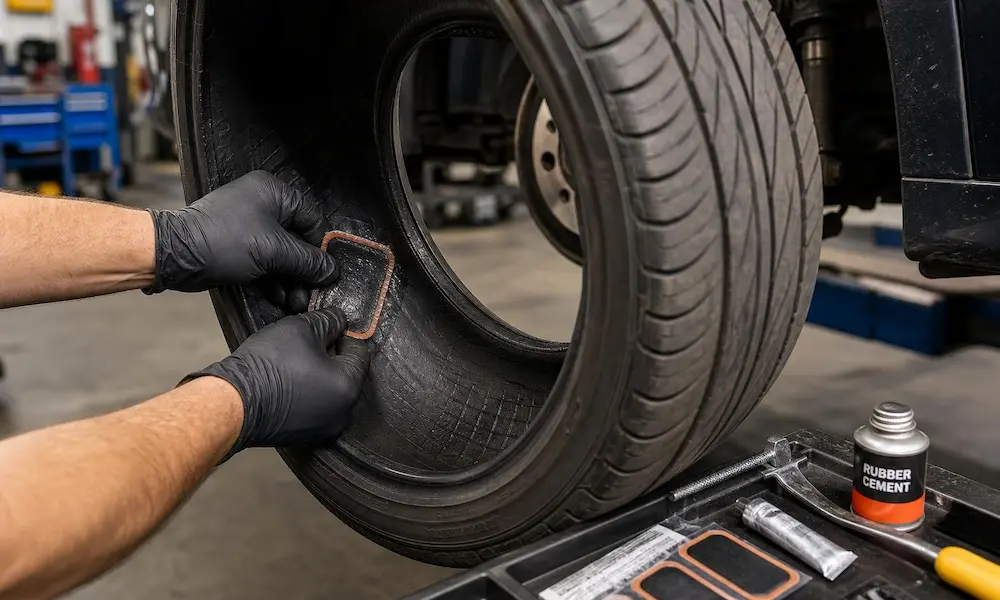
The Discount Tire Certificate for Repair, Refund or Replacement protects your tires against road hazard damage for three years or until your tread wears down to 3/32″ (whichever comes first). Unlike some competitor warranties that prorate coverage based on tire wear, Discount Tire offers full replacement value if your tire gets damaged by covered road hazards.
The certificate covers:
- Punctures from nails, screws, and other sharp objects
- Cuts and impacts from road debris
- Damage from potholes and road hazards
- Blowouts caused by road conditions
One notable feature is emergency service coverage. If you get stranded with tire damage outside normal business hours, you can get repairs elsewhere and call Discount Tire within five business days for potential reimbursement.
How Much Does This Protection Actually Cost?
Certificate pricing follows a percentage-based model, typically costing between 15-18% of your tire’s purchase price. Here’s a quick breakdown:
| Tire Price | Approximate Certificate Cost | Percentage of Tire Value |
|---|---|---|
| $100-150 | $18-25 | 15-18% |
| $200-250 | $30-45 | 15-18% |
| $300-400 | $45-64 | 15-18% |
Many customers report successfully negotiating these prices down by initially declining the coverage and then accepting a lower “special offer” price. According to discussions on Ridgeline Owners Club, some customers have secured discounts of 10-20% off the certificate price.
When the Certificate Actually Makes Sense
For Premium and Performance Tires
If you’re rolling on expensive rubber, the certificate starts looking more attractive. Tesla owners have reported paying around $270 to protect four tires worth $300 each, according to discussions on Tesla forums. When a single tire replacement might cost you $300-400, that protection can pay for itself with just one incident.
Low-profile performance tires are particularly vulnerable to damage from potholes and road debris. Their thin sidewalls provide less cushioning against impacts, making damage more likely. The certificate becomes a reasonable hedge against the higher probability of damage these tires face.
For Drivers in Pothole Paradise
Your location significantly impacts the value proposition. If you live in areas with:
- Frequent construction zones
- Harsh winters that create pothole seasons
- Rural roads with debris
- States known for poor road conditions (looking at you, Michigan)
Then the certificate value increases substantially. Reddit discussions reveal that drivers in areas with challenging road conditions report higher certificate usage rates, sometimes claiming multiple replacements within the coverage period.
For Peace of Mind Seekers
Some drivers simply sleep better knowing they’re covered. If you’re the type who buys the extended warranty on electronics because you hate unexpected expenses, the certificate might align with your risk tolerance. The customer satisfaction data from Discount Tire shows 97.1% of certificate users would purchase again, suggesting most who actually use the coverage find value in it.
When to Skip the Certificate (And Save Your Money)
For Budget Tire Owners
The math simply doesn’t work in your favor if you’re buying budget-friendly tires under $150. Paying $18-25 per tire for protection means you’re spending nearly 20% of the tire’s value up front. Self-insurance (setting aside the money you would spend on certificates) often makes more economic sense for lower-priced tires.
When You Have Free Alternatives
Several competitors offer superior coverage at zero additional cost:
- Costco: Provides five-year road hazard protection included with tire purchases. While prorated based on tread wear, this free coverage includes lifetime rotation, balancing, and inflation checks.
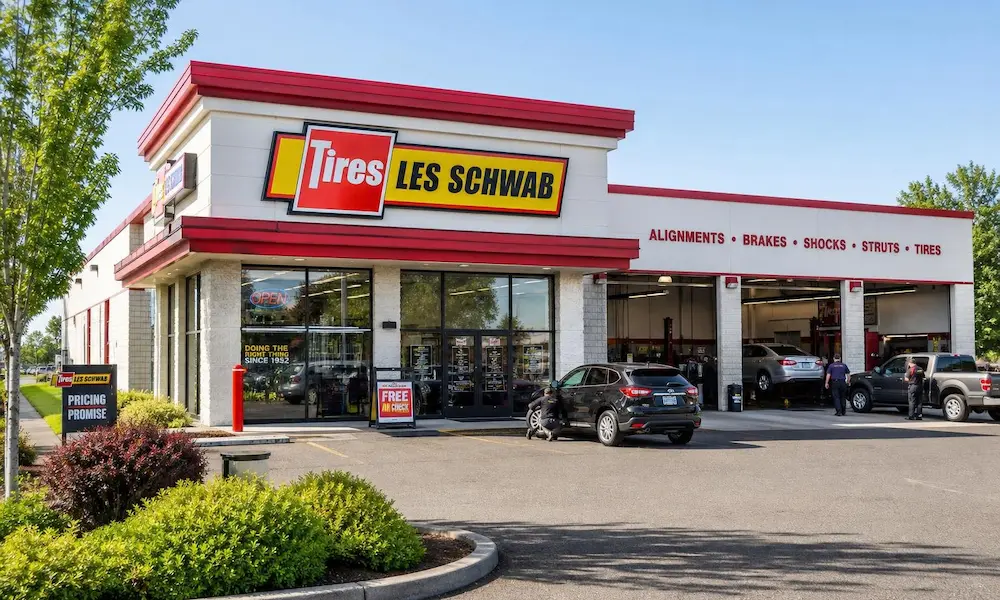
- Les Schwab: Offers 100% road hazard replacement for the full life of the tire at no extra cost, though this option is limited to western states where they operate.
- Tire Rack + Discount Tire: Interestingly, if you order through Tire Rack (now owned by Discount Tire) and have installation done at a Discount Tire location, you get two years of free road hazard coverage.
For AWD Vehicle Owners
If you drive an all-wheel-drive vehicle, be especially cautious. AWD vehicles typically require replacing tires in matched sets to prevent drivetrain damage. However, the Discount Tire certificate only covers the damaged tire, not the full set replacement that might be necessary.
As discussions on Reddit highlight, AWD owners can find themselves paying out of pocket for three additional tires even with certificate coverage on the damaged one. This significantly undermines the certificate’s value proposition for AWD vehicles.
The Fine Print That Could Cost You
The Repurchase Requirement
Here’s where things get tricky: if you use your certificate and get a replacement tire, you must purchase a new certificate for that replacement tire. This effectively means you’re paying twice for protection on the same wheel position.
As many users on Bob Is The Oil Guy forums point out, this requirement significantly impacts the long-term value, especially for drivers who experience multiple incidents over time.
Important Exclusions
The certificate doesn’t cover:
- Collision damage
- Vandalism
- Tire chain damage
- Mechanical vehicle problems causing tire damage
- Normal wear and tear
- Pre-existing damage
- Tires worn beyond 3/32″ tread depth
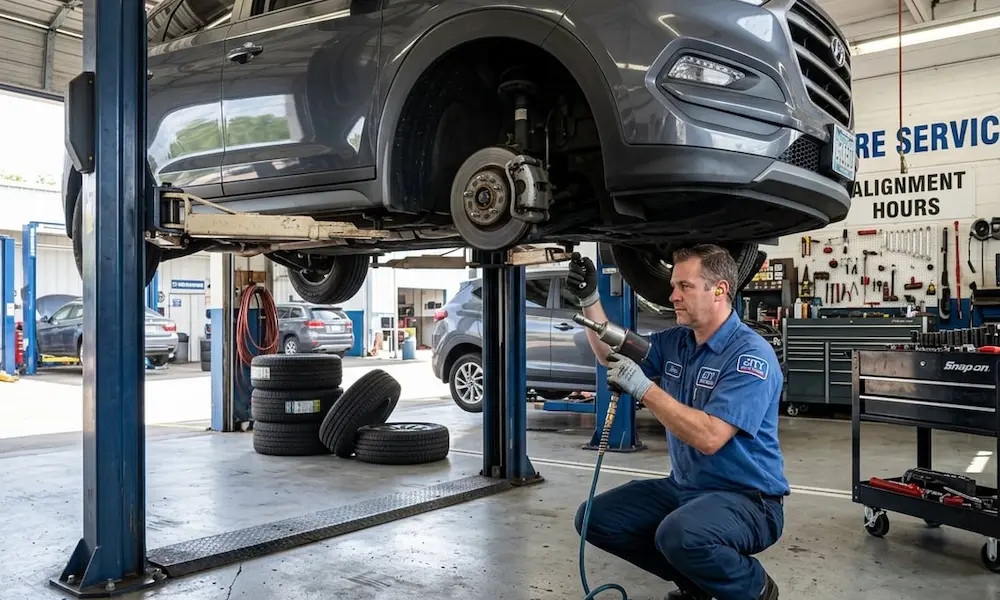
Also note that while the certificate covers the tire, you’ll still pay installation fees for the replacement.
Real Customer Experiences
Customers report widely varying experiences with the certificates, largely depending on their specific circumstances:
Positive Experiences:
Many drivers praise the hassle-free claims process. On Bogleheads, users share stories of quick replacements with minimal questions asked. Others appreciate the emergency service option when stranded away from Discount Tire locations.
Mixed Results:
The satisfaction statistics from Discount Tire (97.1% would purchase again) come with an important caveat: this polling only includes customers who have successfully used their certificates, potentially skewing results toward satisfied users.
Common Complaints:
The most frequent frustration comes from the requirement to repurchase certificates for replacement tires. This effectively doubles the protection cost for a single wheel position if you have an incident.
How to Decide: A Quick Decision Guide
Consider Purchasing If:
- Your tires cost more than $200 each
- You drive frequently in construction zones or areas with poor roads
- You have low-profile or performance tires more susceptible to damage
- No Costco or Les Schwab locations are accessible in your area
- You prefer full replacement over prorated coverage
Skip the Certificate If:
- Your tires cost less than $150 each
- You have access to Costco, Les Schwab, or can order through Tire Rack
- You drive an AWD vehicle requiring tire set replacements
- You’re comfortable self-insuring against tire damage
- You prefer to invest the certificate cost elsewhere
The Bottom Line on Discount Tire Certificates
The Discount Tire Certificate represents expensive insurance with notable limitations. While it provides peace of mind through full replacement coverage, most customers receive better value from free alternatives at Costco, Les Schwab, or through Tire Rack purchases. The requirement to repurchase certificates for replacement tires significantly undermines the value proposition, particularly for drivers who might experience multiple tire issues.
For premium tires exceeding $250 each, the certificate may justify its cost, especially in high-risk driving environments. However, for most drivers with standard tires under $200, the combination of manufacturer warranties, free alternatives, and self-insurance provides superior economic value.
Think of the certificate as expensive peace-of-mind insurance rather than a cost-effective protection strategy. If you hate surprise expenses and drive expensive tires in pothole country, it might be worth it. For everyone else, your money is probably better spent elsewhere.