Is your Kia Sorento blowing warm air instead of the refreshing cold you need? Your AC system might need a refrigerant recharge. This guide walks you through the entire process of recharging your Kia Sorento’s AC system yourself, potentially saving hundreds in mechanic fees while getting your cooling back to optimal performance.
How to Identify When Your Kia Sorento Needs an AC Recharge
Your Sorento’s air conditioning system relies on the correct amount of refrigerant to cool effectively. Here are the telltale signs it needs a recharge:
- Air blowing from vents isn’t as cold as it used to be
- Cooling is inconsistent or takes longer than normal
- AC compressor cycles on and off rapidly
- Unusual noises when the AC runs
These symptoms often indicate low refrigerant levels rather than a complete system failure. Before diving into a recharge, you need to identify what type of refrigerant your specific Sorento model requires.
Understanding Your Sorento’s Refrigerant Requirements
Kia changed refrigerant types in newer Sorento models due to environmental regulations. Using the wrong type can damage your system permanently.
| Sorento Generation & Years | Refrigerant Type | Capacity (Without Rear AC) | Capacity (With Rear AC) |
|---|---|---|---|
| 1st Gen XM (2009–2015) | R-134a | 600g | 750g |
| 2nd Gen UM (2015–present) | R-1234yf | 700g | 800g |
Always verify these specifications by checking the refrigerant information sticker under your hood. This small label typically shows the exact refrigerant type and capacity for your specific vehicle.
Tools and Materials You’ll Need for a Kia Sorento AC Recharge
Proper preparation ensures a smooth recharge process:
- Refrigerant canister matching your vehicle’s type (R-134a or R-1234yf)
- Recharge hose with integrated pressure gauge (0-60 PSI range)
- Safety glasses and gloves
- Thermometer or infrared temperature gun (optional but helpful)
- Well-ventilated workspace
R-1234yf is significantly more expensive than R-134a, sometimes costing 3-5 times more. Budget accordingly if you have a newer Sorento model.
Step-by-Step Kia Sorento AC Recharge Process
1. Prepare Your Vehicle
Start by positioning your Sorento in a well-ventilated area away from open flames or heat sources. Then:
- Start the engine and let it reach normal operating temperature
- Set AC controls to maximum cooling and highest fan speed
- Open all doors to properly monitor the system’s performance
2. Locate the Low-Pressure Service Port
The low-pressure service port is where you’ll connect your recharge equipment:
- Look along the larger diameter AC line (usually running from the compressor to the firewall)
- It’s typically located on the passenger side of the engine compartment
- The port has a plastic cap, often blue or black for R-134a systems and yellow for R-1234yf systems
Never connect to the high-pressure port (smaller line), as this can cause dangerous pressure buildup.
3. Check Current Refrigerant Pressure
Connecting your gauge to the low-pressure port gives crucial baseline information:
- Remove the protective cap from the service port
- Attach your recharge hose firmly to the port
- Check the pressure reading with engine running and AC on max:
- For R-134a systems: Normal reading is 25-45 PSI
- For R-1234yf systems: Normal reading is 22-42 PSI
Pressure readings below these ranges confirm your system needs a recharge. Readings at zero suggest a leak that needs professional attention before recharging.
4. Add Refrigerant to Your Kia Sorento
Now for the actual recharge process:
- Shake the refrigerant can vigorously for 30 seconds
- Connect the can to your recharge hose according to manufacturer instructions
- Invert the can (turn upside down) while charging to ensure only gas enters the system
- Depress the trigger in short 5-10 second bursts, releasing between bursts
- Regularly check pressure readings on the gauge
- Continue until pressure reaches the middle of the green zone on your gauge
During this process, you should notice the air from your vents getting progressively colder. Using a thermometer, ideal vent temperatures should reach 38-45°F (3-7°C).
5. Complete the Recharge and Verify Performance
Once you’ve reached proper pressure:
- Close the valve on your refrigerant can
- Disconnect the hose from the service port
- Replace the port cap securely
- Check all vents for proper cooling
- Turn AC off and restart it to verify normal cycling
A properly recharged system should now produce consistently cold air and have normal compressor cycling patterns.
Preventing Common Mistakes During Kia Sorento AC Recharge
Even experienced DIYers can make these errors:
- Overcharging the system: Stop at the recommended pressure. Overcharging doesn’t improve cooling and can damage the compressor.
- Using incorrect refrigerant: Double-check your refrigerant type before purchasing supplies.
- Charging while not running: Always recharge with the engine running and AC on max.
- Ignoring safety precautions: Refrigerant can cause frostbite or eye injuries if not handled properly.
- Adding refrigerant to a leaking system: If your system has a significant leak, adding refrigerant is a temporary fix at best.
Cost Comparison: DIY vs. Professional AC Recharge
Understanding the financial implications helps you make an informed decision:
| Service Option | Average Cost | What’s Included |
|---|---|---|
| DIY Recharge | $20-$80 | Basic refrigerant refill only |
| Professional Service | $250-$372 | Complete diagnostics, system evacuation, leak detection, and precision recharge |
While DIY is significantly cheaper, professional service includes system testing that can identify underlying issues before they become major problems.
When DIY Isn’t Enough: Signs Your Sorento Needs Professional AC Service
Not all AC issues can be solved with a simple recharge. Consider professional help if:
- Pressure readings are extremely low or zero (indicates leak)
- AC cools initially after recharge but quickly returns to blowing warm
- Strange noises continue after recharge
- Visible refrigerant oil spots appear under the vehicle
- Compressor clutch isn’t engaging
These symptoms suggest problems beyond low refrigerant levels that require professional diagnosis.
Maintaining Your Kia Sorento’s AC System After Recharge
Keep your newly recharged system running optimally with these maintenance tips:
- Run the AC for at least 10 minutes weekly, even in winter
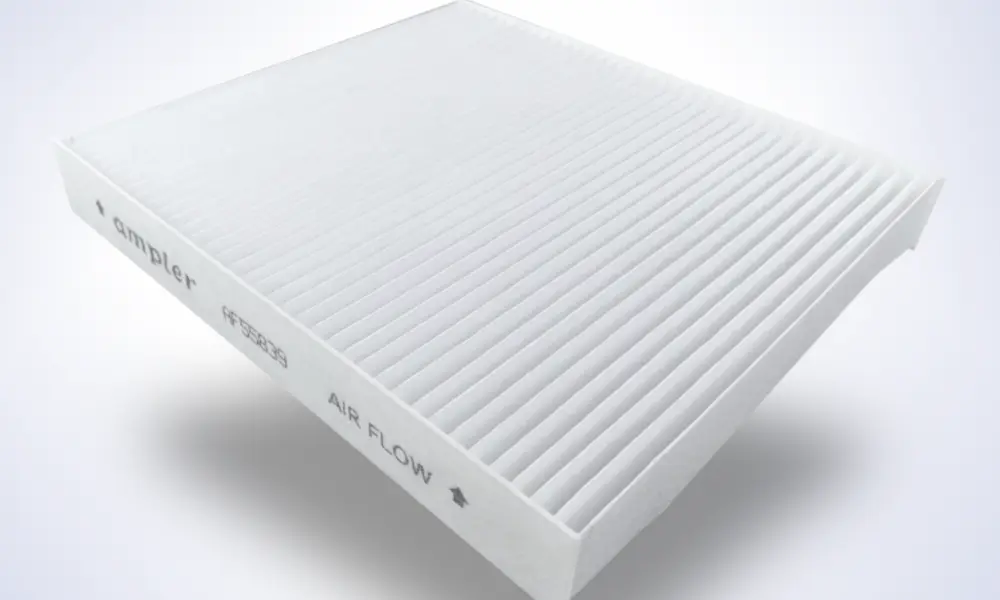
- Replace your cabin air filter annually for maximum airflow
- Keep the condenser (front of radiator) clear of debris
- Have refrigerant levels checked during regular maintenance
- Address any cooling performance changes promptly
Regular maintenance is significantly cheaper than major AC system repairs.
Safety Considerations When Handling Refrigerant
Refrigerants require specific safety precautions:
- Always work in well-ventilated areas
- Wear gloves and eye protection
- Keep refrigerant canisters away from heat sources
- Never puncture or incinerate refrigerant containers
- Avoid breathing refrigerant vapor
- Store unused refrigerant according to manufacturer instructions
Environmental regulations also require proper handling of refrigerants. Never intentionally release refrigerant to the atmosphere.
Troubleshooting Common Issues After Recharging
If you’ve completed the recharge but aren’t getting optimal results:
- Still not cold enough? Check if you’ve reached the proper pressure level and that your compressor is engaging.
- Compressor cycling too frequently? You might have overcharged the system.
- Cold air only at high RPM? Your compressor may be wearing out.
- Cold then warm air? You might have a partial blockage in the system.
Some Sorento models also have additional problems worth addressing during an AC service, such as weak blower motors or blend door actuator issues that can mimic refrigerant problems.
Understanding Your Kia Sorento’s AC System Components
Knowing the basic components helps troubleshoot issues:
- Compressor: Pressurizes the refrigerant, typically belt-driven from the engine
- Condenser: Located in front of the radiator, releases heat from the refrigerant
- Expansion valve/orifice tube: Controls refrigerant flow into the evaporator
- Evaporator: Inside the dashboard, where heat is absorbed from the cabin air
- Receiver/drier: Filters the refrigerant and removes moisture
A failure in any of these components can mimic low refrigerant symptoms but won’t be fixed by a recharge alone.
Legal and Environmental Considerations
Be aware that:
- In some regions, purchasing certain refrigerants requires EPA certification
- Intentionally venting refrigerant is illegal and harmful to the environment
- R-134a is being phased out due to its high global warming potential
- R-1234yf was introduced as a more environmentally friendly alternative
Always dispose of empty refrigerant containers according to local regulations.
By following this comprehensive guide, you can successfully recharge your Kia Sorento’s AC system and enjoy cool, comfortable driving again. Remember that while DIY recharging can save money, persistent issues should always be addressed by an HVAC-certified automotive technician to ensure your system’s longevity and performance.