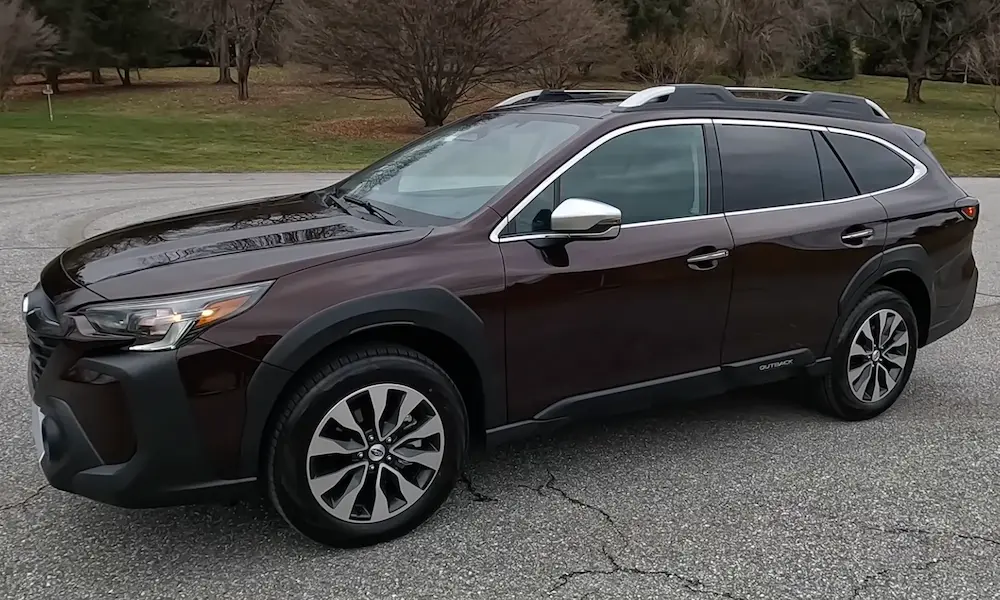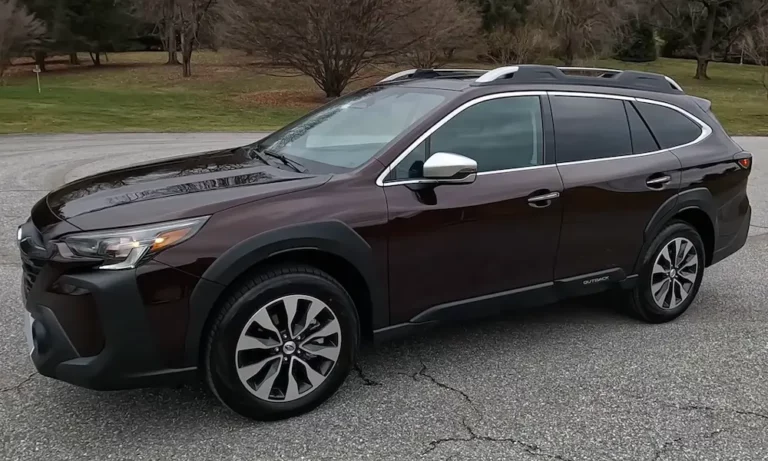
You’ve been eyeing that Subaru Outback, drawn by its versatile crossover design and all-wheel-drive capability. But the question remains: can you count on it for the long haul? Let’s dive into what makes Outbacks tick (or occasionally stop ticking), their common issues, and how they stack up against the competition over their six generations of production.
Subaru Outback Reliability: The Short Answer
Subaru Outbacks score above average in reliability with 3.5/5 ratings from both Consumer Reports and RepairPal. They’re known for longevity, with many units exceeding 200,000 miles when properly maintained. However, their reputation varies by generation, with earlier models (1995-2009) showing more mechanical robustness than newer ones (2010-present), which face more electronic and transmission concerns.
How Reliability Has Changed Across Outback Generations
First Generation (1995-1999): The Golden Standard
The original Outback set a high bar for reliability. These models featured:
- Robust 2.2L flat-four engines
- Simple mechanical systems with few electrical gremlins
- Occasional head gasket issues in high-mileage examples
- Rust-prone rear subframes in cold climates (addressed via recall)
These first Outbacks represent the most reliable in the lineup, with critical failures being rare. Many are still on the road today, speaking to their impressive durability.
Second Generation (2000-2004): Strong But Flawed
While maintaining mechanical toughness, the second generation introduced:
- The 2.5L engine and optional 3.0L flat-six
- More reports of oil leaks
- Occasional fuel vapor intrusion into the cabin
- Transmission shifting quirks in automatics
- Subframe rust issues (addressed by recall)
Despite these flaws, many owners report these models easily reaching 200,000+ miles with proper maintenance.
Third Generation (2005-2009): Mixed Performance
Complexity increased with this generation, bringing:
- The powerful 3.6L flat-six option
- Unintended acceleration complaints in some models
- Takata airbag recalls (affecting many manufacturers)
- Stalling incidents in the 2008 model year
- A solid 81/100 score in J.D. Power’s initial quality assessments
This generation marks the end of the “old school” Outbacks before the significant changes that came next.
Fourth Generation (2010-2014): CVT Introduction
A pivotal shift occurred with:
- Introduction of the Continuously Variable Transmission (CVT)
- Early CVT units showing shuddering and hesitation
- Notable oil consumption issues in the 2.5L engine
- Class-action lawsuits over engine problems
- First signs of infotainment reliability concerns
Despite these growing pains, this generation maintained an 81.6/100 J.D. Power rating for initial quality.
Fifth Generation (2015-2019): Oil and Transmission Troubles Peak
Problems became more pronounced:
- Widespread oil consumption and leakage in 2.5L engines
- Faulty piston rings causing accelerated wear
- A serious “do not drive” recall for steering column failures
- Multiple CVT reliability lawsuits
- Declining owner confidence despite solid initial quality ratings
This era represents perhaps the low point in Outback reliability history.
Sixth Generation (2020-Present): Technology Challenges
The newest Outbacks bring:
- Advanced driver assistance systems
- Turbocharged 2.4L engine option
- Battery drain from parasitic electrical loads
- More fragile windshields prone to cracking
- Improved predicted reliability (80/100 from Consumer Reports)
- Extended CVT warranty coverage (10 years/100,000 miles)
- Persistent complaints about infotainment system glitches
Common Outback Issues and How to Address Them
1. CVT Transmission Problems
The Issue: Subaru’s CVT transmissions, especially in 2010-2015 models, are known for:
- Shuddering and vibration
- Hesitation during acceleration
- Premature wear patterns
- Repair costs averaging $3,500-$6,000
The Fix: Contrary to Subaru’s “lifetime fluid” claims, proactive maintenance makes a huge difference:
- Change CVT fluid every 30,000 miles
- Address any shuddering immediately before damage compounds
- Consider Subaru’s extended warranty (10 years/100,000 miles) on newer models
2. Oil Consumption Issues
The Issue: The 2.5L engines (2010-2019) often:
- Burn through oil between changes
- Develop leaks from failing head gaskets
- Have faulty piston rings causing excessive consumption
- Require repairs ranging from $1,500-$4,000
The Fix: Regular vigilance is key:
- Check oil levels monthly, not just at service intervals
- Address any leaks immediately
- Consider aftermarket head gasket solutions for older models
- Keep detailed records of oil consumption for warranty claims
3. Electrical and Infotainment Gremlins
The Issue: Newer Outbacks (2020-2025) struggle with:
- Battery drain causing dead batteries overnight
- Infotainment systems that freeze or reboot randomly
- EyeSight driver-assistance false alarms
- Glitchy touchscreen responses
The Fix: Technology requires different approaches:
- Ensure all software updates are applied promptly
- Disconnect accessories when parked for extended periods
- Consider aftermarket battery solutions for chronic drain issues
- Use warranty coverage for persistent problems
4. Fragile Windshields
The Issue: 2018-2023 models feature:
- Thin, acoustic-laminated windshields
- High susceptibility to cracking from minor impacts
- Replacement costs of $600-$800
- Multiple replacements over vehicle lifetime for many owners
The Fix: Prevention is difficult but important:
- Maintain greater following distance
- Consider aftermarket windshield protection film
- Check insurance coverage for glass replacement before purchase
Outback Reliability By the Numbers
| Reliability Metric | Outback Rating | Industry Average | Notes |
|---|---|---|---|
| Consumer Reports Score | 3.5/5 | 3/5 | Strong safety and comfort ratings offset by infotainment complaints |
| RepairPal Ranking | 10th among midsize SUVs | – | Average annual repair cost: $607 |
| J.D. Power Brand Ranking | 17th in 2023 | – | Infotainment issues drag down overall scores |
| Owner Repurchase Intent | 70% | 65% | Higher satisfaction with vehicle capability than reliability |
| Average Lifespan | 200,000+ miles | 150,000 miles | Significantly better than average with proper maintenance |
Maintenance: The Key to Outback Longevity
Critical Maintenance Schedule
| Service | Recommended Interval | Official Interval | Notes |
|---|---|---|---|
| Engine Oil | 5,000-6,000 miles | 6,000 miles | Synthetic oil provides better protection |
| CVT Fluid | 30,000 miles | “Lifetime” | Experts strongly disagree with Subaru’s lifetime claim |
| Cooling System | Annual inspection | Every 30,000 miles | Crucial for preventing head gasket failure |
| Differential Fluid | 30,000 miles | 30,000-60,000 miles | Essential for AWD system health |
| Timing Belt (pre-2013) | 105,000 miles | 105,000 miles | Catastrophic if neglected on earlier models |
Best Model Years to Consider
If you’re shopping for an Outback, some years stand out:
- 2000-2004: Great for budget buyers seeking durability, but check for rust and maintenance history
- 2010-2014: Mixed bag – look for documented CVT fluid changes and no oil consumption
- 2020-2025: Choose Certified Pre-Owned with warranty coverage for electronics and transmission
Avoid the 2013-2015 models due to peak oil consumption issues, and be cautious with 2015-2019 unless service records confirm CVT maintenance.
How Outbacks Compare to Competitors
Reliability Comparison
| Vehicle | RepairPal Score | Average Annual Repair Cost | Common Issues |
|---|---|---|---|
| Subaru Outback | 3.5/5 | $607 | CVT, oil consumption, electronics |
| Honda CR-V | 4.5/5 | $407 | Oil dilution (2017-2018), AC issues |
| Toyota RAV4 | 4.0/5 | $429 | Transmission clunking, fuel system |
| Ford Edge | 3.5/5 | $611 | Water pump, PTU failures |
| Jeep Grand Cherokee | 3.0/5 | $666 | Electrical, TIPM failures |
While the Outback doesn’t match Honda or Toyota for overall reliability, it offers significantly better performance than many American and European competitors, especially in adverse weather conditions.
Real Owner Experiences
Outback owners frequently report mixed but mostly positive experiences:
“I’m at 235,000 miles on my 2005 Outback. Regular maintenance and one head gasket replacement at 180k. It just keeps going.”
“Love the capability, hate the infotainment. My 2022 has been in the shop three times for screen freezes, but never left me stranded mechanically.”
“After owning Toyotas for years, my 2018 Outback burns about a quart of oil every 2,000 miles. Dealer says it’s ‘within spec’ but I’m disappointed.”
“The AWD system is incredible in snow. Worth the occasional quirks for someone living in Michigan.”
What Makes an Outback Reliable (or Not)
Strengths That Build Reliability
- Symmetrical AWD System: Legendary capability with fewer components than competitors’ systems
- Boxer Engine Design: Lower center of gravity improves handling stability
- Safety Features: Consistently high crash test ratings and active safety tech
- Simplified Model Range: Fewer variations mean better parts availability and dealer familiarity
Weaknesses That Hurt Reliability
- Complex CVT Design: More prone to issues than traditional automatics
- Oil System Vulnerabilities: Horizontal engine layout creates unique lubrication challenges
- Electrical Complexity: Newer models pack in technology that’s prone to glitches
- Thin Windshields: Cost-cutting measure that leads to frequent replacements
Is a Subaru Outback Right for You?
The Outback makes the most sense for:
- Drivers in snowy or rainy climates where AWD provides tangible benefits
- Outdoor enthusiasts who value ground clearance and rugged capability
- Those willing to follow a strict maintenance schedule
- Buyers who prioritize safety features and crash protection
You might want to look elsewhere if:
- You’re seeking the absolute lowest maintenance costs
- You have a long commute that would accelerate CVT wear
- You’re particularly sensitive to electronic glitches
- You want class-leading fuel economy
How to Buy a Reliable Used Outback
When shopping for a pre-owned Outback:
- Prioritize maintenance records: Look for evidence of regular oil changes and CVT fluid services
- Check for oil leaks: Examine the undercarriage, particularly around valve covers and cylinder heads
- Test the CVT thoroughly: Drive at various speeds and evaluate for shuddering, hesitation, or whining
- Verify electronics function: Test all infotainment features, cameras, and driver assistance systems
- Check for recalls: Use the NHTSA database to confirm all recalls have been addressed
- Consider a pre-purchase inspection: $150 spent on a Subaru specialist’s evaluation could save thousands
The Bottom Line on Outback Reliability
Subaru Outbacks are more reliable than average but fall short of the gold standard set by some Japanese competitors. Their unique combination of capability, safety, and comfort comes with trade-offs in maintenance requirements and specific mechanical vulnerabilities.
With proper care and diligent maintenance, an Outback can easily provide 200,000+ miles of service. The key is understanding its quirks, addressing small issues before they become major problems, and following a more conservative maintenance schedule than Subaru recommends – especially regarding transmission fluid.
For many owners, the Outback’s all-weather capability and versatility outweigh its idiosyncrasies, making it a practical choice for those willing to commit to proper care. Just don’t expect Toyota-like maintenance neglect forgiveness or Honda-level trouble-free operation.