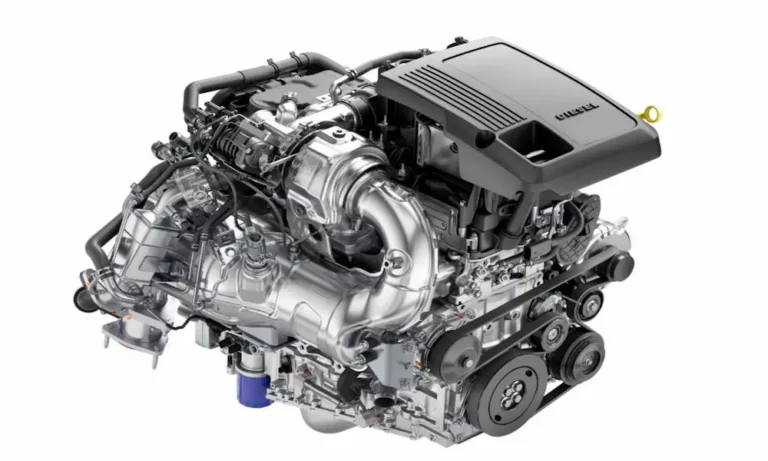
Thinking about deleting emissions systems on your L5P Duramax? While the promise of better performance might be tempting, there’s a lot more to consider. From mechanical hiccups to legal headaches, understanding what you’re getting into can save you thousands in repairs and potential fines.
What Is an L5P Delete?
An L5P delete refers to the removal of emissions control systems from the 6.6L Duramax diesel engine found in 2017-2023 GM trucks. This typically includes removing the:
- Exhaust Gas Recirculation (EGR) system
- Diesel Particulate Filter (DPF)
- Selective Catalytic Reduction (SCR) system
These modifications are performed to increase power, improve fuel economy, and eliminate regeneration cycles. But they come with significant downsides you need to understand.
The Legal Reality of L5P Deletes
Let’s address the elephant in the room first – deletes are illegal for on-road vehicles.
The Environmental Protection Agency (EPA) prohibits tampering with emissions systems under the Clean Air Act. Despite what some shops might tell you, there’s no loophole or exemption for “off-road use only” when the vehicle was designed for highways.
Penalties have gotten much stiffer in recent years:
| Penalty Type | Potential Cost |
|---|---|
| Civil Fines | $4,819 per violation |
| Commercial Fines | Up to $48,192 per modified vehicle |
| Criminal Penalties | Possible in extreme cases |
Since 2020, the EPA has cracked down significantly on shops, tuners, and even individual owners. Many previously popular tuning companies have stopped offering delete services altogether.
Common L5P Delete Problems
MAP Sensor Failures After Deletion
When removing emissions systems, the Manifold Absolute Pressure (MAP) sensor often encounters issues. In stock L5P engines, this sensor typically fails between 30,000-50,000 miles due to soot buildup from the EGR system.
While deletion eliminates the source of contamination, improper tuning can still cause MAP sensor failures. If the sensor isn’t properly calibrated in your tune, you’ll experience:
- Rough idle
- Random stalling
- Poor throttle response
- Check engine lights
Cleaning or replacing your MAP sensor during the delete process is essential to prevent these issues.
Transmission Overload and Failure
Your L5P’s Allison 1000 transmission was designed to handle stock power levels. After a delete and tune, torque output often jumps from 910 lb-ft to well over 1,000 lb-ft.
Without supporting upgrades, this leads to:
- Transmission slipping
- Shuddering during acceleration
- Premature clutch pack failure
- Overheating issues
As one technician on HP Tuners Forum put it: “Deleting emissions without upgrading the transmission is like installing a supercharger on a stock clutch—failure is inevitable.”
Fuel System Contamination Issues
While deletion can reduce some sources of contamination, it introduces new concerns for your fuel system:
- Delete tunes often run higher rail pressure
- Increased fuel volume through injectors
- Higher combustion temperatures
Without proper filtration upgrades, these factors accelerate injector wear and fuel pump strain. Low-quality delete kits can introduce contaminants during installation that damage your high-pressure fuel system.
Heat Management Challenges
Removing the DPF changes exhaust flow and heat distribution through your engine bay. While this reduces exhaust gas temperatures (EGTs) under normal operation, it creates hot spots during heavy loads.
Without proper cooling upgrades, you risk:
- Blown head gaskets
- Warped cylinder heads
- Turbocharger failures
- Intercooler inefficiency
Many delete shops overlook these thermal management issues, focusing only on the delete components themselves.
Warranty and Financial Implications
Say Goodbye to Your Warranty
Any emissions modifications immediately void your GM powertrain warranty. Even worse, the dealer can detect delete tunes even if you reinstall your stock parts before service.
The financial implications are significant:
- L5P engine repairs often cost $8,000-15,000
- Turbocharger replacements run $2,500-4,000
- Injector sets cost $3,000-4,500
And it’s not just engine components. GM can deny warranty coverage for:
- Transmission issues
- Electrical problems
- Cooling system failures
- Any component potentially affected by the tune
The Real Cost of an L5P Delete
While the performance benefits might seem attractive, the total cost is much higher than just the delete kit:
| Component | Typical Cost |
|---|---|
| Basic Delete Kit | $3,299-6,000 |
| Professional Installation | $1,500-3,000 |
| Transmission Upgrades | $2,500-4,200 |
| Cooling System Upgrades | $800-1,500 |
| Potential Fines | $4,819+ |
| Lost Warranty Value | $3,000-7,000 |
The payback period for fuel savings (even at 2-4 MPG improvement) typically exceeds seven years compared to maintaining stock emissions systems – assuming you don’t face repair costs.
Performance Considerations
Power Gains vs. Reliability Trade-offs
A properly executed L5P delete typically yields:
- 15-25% more horsepower
- 20-30% more torque
- 2-4 MPG fuel economy improvement
- Elimination of regeneration cycles
However, these gains come with reliability concerns. The L5P platform was designed with emissions systems integrated into its operation. Removing these components stresses other parts of the engine that weren’t designed for the additional power.
Long-term durability issues include:
- Increased cylinder pressure stressing head gaskets
- Higher exhaust velocity accelerating turbo wear
- Increased vibration affecting engine mounts
- Faster oil breakdown from higher temperatures
Emissions Equipment Benefits You’re Losing
Modern emissions systems do provide some benefits:
- DPF captures harmful particulates that otherwise enter your engine bay
- EGR reduces combustion temperatures, protecting components
- SCR system allows for optimal fuel timing
Removing these systems means you’re also eliminating their protective functions, not just their restrictions.
Technical Requirements for Successful Deletion
If you’re still considering a delete despite the drawbacks, be aware that quality matters tremendously.
Quality Components Matter
Budget delete kits often use:
- Thin-walled tubing that cracks
- Poor fitment requiring modification
- Low-grade sensors prone to failure
- Generic tunes not specific to your engine
Proper L5P deletion requires:
- Cast stainless steel downpipes
- CNC-machined EGR blockers
- Custom ECM calibration
- Transmission tuning
Comprehensive System Rebalancing
Successful deletion means addressing all affected systems:
- Cooling System Upgrades: Enhanced intercooling and radiator capacity
- Transmission Reinforcement: Modified valve body and upgraded clutches
- Filtration Improvements: Better air and fuel filtration
- Custom Tuning: Vehicle-specific calibration, not generic files
Cutting corners on any of these areas typically leads to costly problems within 10,000-20,000 miles.
The Environmental Impact
Beyond the legal and technical issues, there’s the environmental aspect to consider.
Deleting emissions systems increases:
- Nitrogen oxide (NOx) emissions by 310-400%
- Particulate matter by up to 1,500%
These pollutants contribute to respiratory illnesses and environmental damage. The emissions control systems on your L5P represent millions in engineering investment to reduce these harmful outputs.
Alternative Performance Upgrades
If you’re seeking better performance without the legal and reliability risks, consider these alternatives:
- Aftermarket cold air intakes (within legal limits)
- Enhanced intercooling systems
- Premium diesel fuel additives
- Regular maintenance and quality filters
- Professional ECM tuning that maintains emissions equipment
These modifications can provide modest power gains and better drivability while keeping your truck legal and warranty intact.
Making an Informed Decision
The L5P is an engineering marvel that balances impressive power with emissions compliance. While deletion might seem like a shortcut to better performance, the combination of legal risk, warranty loss, reliability concerns, and environmental impact makes it a questionable choice for most owners.
If you do choose to delete, understand you’re accepting:
- Complete legal responsibility for an emissions-non-compliant vehicle
- The full financial burden of any mechanical failures
- Potential difficulty selling the vehicle later
- Contributing significantly more pollution to the environment
The truth is that for most daily drivers and even work trucks, the stock L5P configuration offers the best balance of performance, reliability, and peace of mind.