That “Parking Assist Unavailable” message on your Lexus dash is annoying — especially when you’re trying to squeeze into a tight spot. The good news? Most causes are fixable without a dealership visit. This guide walks you through every reason it happens and exactly what to do about it.
What “Parking Assist Unavailable” Actually Means
Your Lexus parking assist isn’t just one thing. It’s a network of ultrasonic sensors, cameras, and a dedicated Electronic Control Unit all working together in real time.
When one part of that network sends bad data — or no data at all — the system shuts itself down. It’s a deliberate safety choice. The logic is simple: no information is safer than wrong information.
So when you see “Lexus parking assist unavailable,” the system isn’t broken in the traditional sense. It’s telling you something specific is off.
The Most Common Culprit: Dirty Sensors
Start here before anything else. It’s the fix that works most often.
Your bumper-mounted ultrasonic sensors emit high-frequency sound pulses and listen for the echo. Mud, snow, ice, or road grime on the sensor face absorbs or scatters those pulses. The system gets no echo back, so it shuts down rather than guess.
How to clean them:
- Use a soft microfiber cloth and mild soap
- Wipe each sensor gently — they’re usually small circular dots on your front and rear bumpers
- Don’t use a pressure washer directly on them; high-pressure water can force moisture into the sensor housing
- In winter, check for a thin layer of ice over the sensor face — even an invisible frost layer can block the vibrating diaphragm
After cleaning, restart the car. The “unavailable” message often clears immediately.
Weather Conditions That Trigger the Warning
Your location in the US matters here. Different climates cause different problems.
| Environmental Factor | What Goes Wrong | What You’ll See |
|---|---|---|
| Snow or ice buildup | Blocks acoustic pulse; restricts sensor diaphragm | “Clean Sonar” warning or full deactivation |
| Heavy rain | Water droplets misread as nearby objects | Intermittent false alarms, then “Unavailable” |
| Mud or road grime | Absorbs ultrasonic energy, kills return echo | Reduced range or total system failure |
| Extreme heat (AZ, TX) | Thermal stress degrades sensor seals, lets moisture in | Works in the morning, fails by afternoon |
| Car wash pressure | Water ingress into sensor or harness seals | Temporary malfunction until it dries out |
If you’re in the Northeast or Midwest during winter, road salt and sticky snow are the top offenders. In the South, heat-related sensor seal degradation is more common — the sensor works fine at 8am and fails by 2pm.
Heavy rain is its own category. Torrential downpours can cause the system to misread moving water as a nearby obstacle. Rather than trigger constant false alarms that train you to ignore warnings, the system goes “unavailable” until conditions improve.
The 2021–2026 Software Recall You Need to Know About
This one’s big. If you own a Lexus built between 2021 and 2026, there’s a good chance your “unavailable” error is a software bug — not a hardware problem.
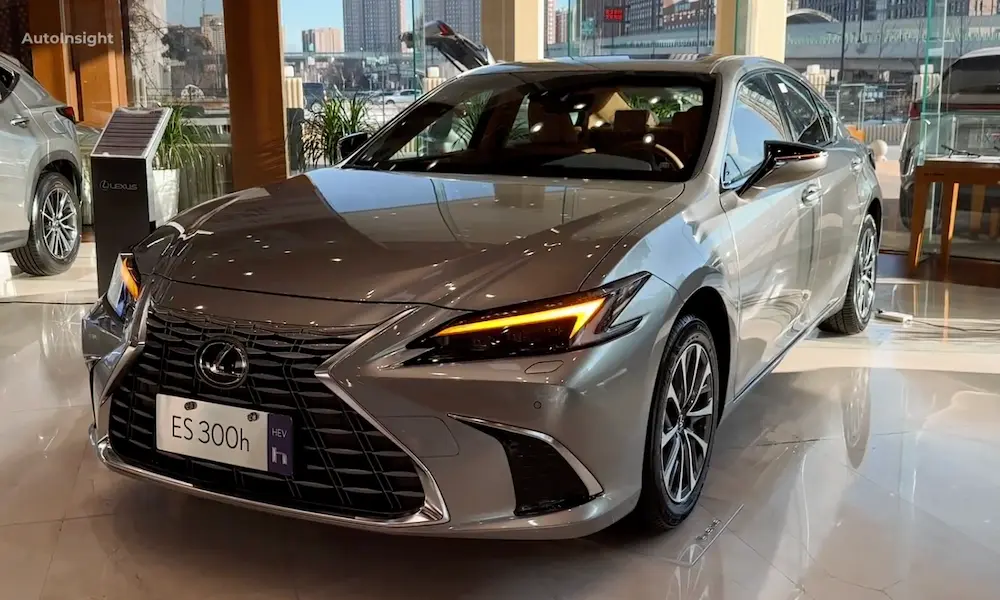
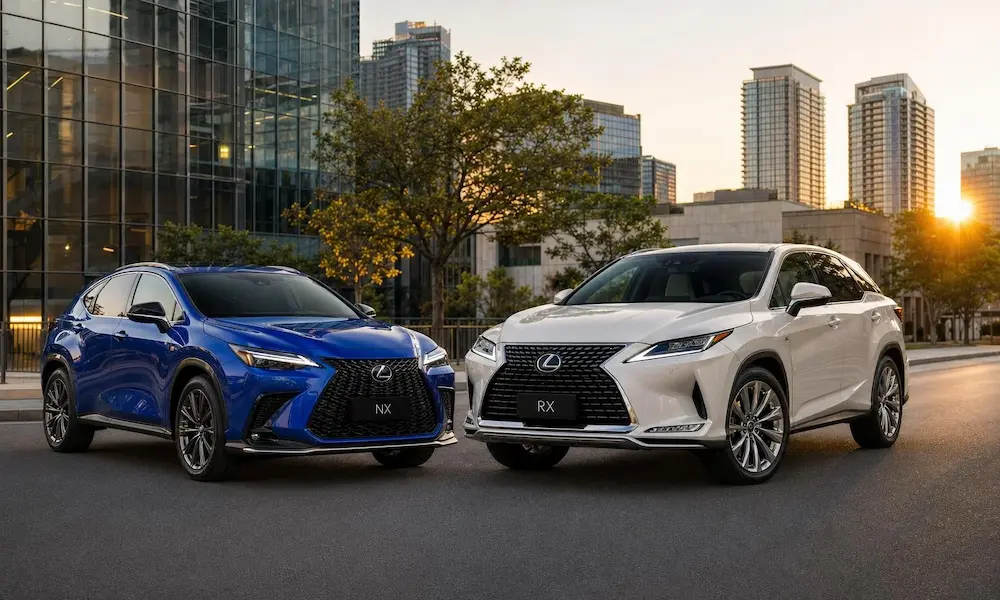
Approximately 1.24 million vehicles — including the RX, NX, LX, ES, and LS — were built with a Parking Assist ECU containing faulty software logic.
Here’s what happens: if you shift into reverse within about four seconds of starting the car, the camera initialization process conflicts with the infotainment display process. The ECU gets overwhelmed, and the rearview image fails to appear within the legally required two-second window. You get a black screen, a frozen image, or an “unavailable” message.
| Affected Model | Years | Core Issue |
|---|---|---|
| Lexus RX (all variants) | 2021–2026 | Camera display delay, PVM initialization failure |
| Lexus NX (all variants) | 2021–2026 | ECU software conflict on rapid gear selection |
| Lexus ES (sedan) | 2021–2026 | Backing image rendering failure |
| Lexus LX (luxury SUV) | 2021–2025 | Boot-up logic errors affecting rearview safety |
| Lexus LS (flagship sedan) | 2021–2025 | Data processing vs. display output conflict |
The fix is a firmware update to the Parking Assist ECU — dealer-performed, and covered under the recall at no cost. Check your VIN at NHTSA’s recall database to confirm if your vehicle is affected.
Your 12-Volt Battery Is More Important Than You Think
Lexus hybrids get all the attention for their high-voltage systems, but the parking assist runs entirely off the 12-volt auxiliary battery. A weak battery is a surprisingly common cause of the “unavailable” message.
When the 12V battery drops below roughly 11.5 volts, the car’s power management system starts cutting non-essential loads to protect the starter. Parking assist sensors are often first on the chopping block — they’re sensitive to voltage fluctuations and get disabled to prevent false readings.
You’ll notice this pattern: the warning appears on the first cold start of the day, then disappears once the alternator or DC-to-DC converter recharges the battery.
Battery-related triggers to watch for:
- Warning appears only on cold mornings
- Multiple systems show errors simultaneously (blind spot, pre-collision, parking assist all at once)
- Car is more than 3–4 years old or sits unused for long periods
- You recently jump-started the vehicle or replaced the battery
That last point matters. Disconnecting the battery causes the Parking Support Brake to lose its calibration data. The system enters safe mode and stays “unavailable” until you complete a recalibration procedure.
How to Recalibrate After a Battery Disconnect
This is the fix most DIYers miss. If your parking assist went unavailable right after a battery replacement or jump-start, this is almost certainly why.
The NHTSA-documented initialization procedure works like this:
- Start the engine or hybrid system
- Shift into reverse with the brake pedal held down — the screen may show “System is initializing”
- Shift back into Park
- Turn the steering wheel all the way left to the lock
- Turn all the way right to the opposite lock
- Return the wheel to center
- Shift back into reverse
The system re-learns the steering wheel’s neutral position and the camera’s field of view. The “unavailable” message should clear and your predictive course lines should reappear.
On newer models with Advanced Park, you may also need to drive at approximately 23 mph on a straight road for a short distance to calibrate the wheel speed sensors and forward cameras.
Fuse Check: Quick and Free
Before booking a dealer appointment, check your fuses. A blown fuse can kill the entire parking assist system — and it takes two minutes to check.
| Fuse Location | Amperage | What It Protects |
|---|---|---|
| Driver’s footwell (interior) | 7.5A / 10A | Parking Assist ECU, Multi-Information Display |
| Engine bay (under hood) | 15A / 20A | Panoramic View Monitor, ABS/VSC Controller |
| Luggage compartment (rear) | 30A fusible link | Rear PKSB actuators, trailer hitch interface |
| Instrument panel (multiplex) | 5A | Steering angle sensor, gateway module |
On many models like the RX 350 and ES 350, the primary parking assist fuse sits in the driver’s side footwell behind a plastic cover. You’ll need needle-nose pliers to pull it.
One important rule: always replace with the exact amperage specified. Going higher to “prevent future blowouts” can permanently damage the Parking Assist ECU — which is an expensive mistake.
The Volume Knob Reset (Seriously, Try This)
On 2022-and-newer Lexus models running the Lexus Interface platform, the parking assist is part of a larger software ecosystem. Like any computer, it can hang or glitch.
Press and hold the physical volume knob for 3–5 seconds while the car is running. This forces a full reboot of the infotainment and safety interface without deleting your settings. It clears active memory and often resolves “unavailable” errors caused by a momentary software glitch.
Also worth trying: fold and unfold your side mirrors using the interior door switch. On models with auto-tilting mirrors, the parking assist ECU and mirror control modules share the same multiplex network. If the mirrors lost their home position, the parking assist may disable itself because it can’t confirm mirror tilt status. A manual fold/unfold cycle can re-establish that network handshake.
Diagnostic Trouble Codes: What the Scanner Will Tell You
If the basic fixes don’t work, a scan tool will point you to the exact problem. Here are the codes you’re most likely to see:
| DTC Code | What It Means | Likely Cause |
|---|---|---|
| C1AEC | Front sensor communication malfunction | Damaged harness, loose connector, or failed front sensor |
| C1AED | Rear sensor communication malfunction | Impact damage to rear bumper or wiring |
| C1AF0 | Sensor power supply circuit fault | Blown fuse or short circuit in 12V supply line |
| C1626 | Parking Assist ECU software error | Module failure or firmware update needed |
| C1AEE | Steering angle sensor calibration error | Battery disconnect or failed steering sensor |
Code C1AEC is especially common after front-end collisions — even minor ones that look cosmetically fine. The impact can fracture copper strands inside the wiring harness without breaking the plastic connector. Since parking assist sensors often run in a serial configuration, one broken wire can take out the entire front array.
If you’ve had recent bodywork done and the warning appeared shortly after, ask the shop to inspect the bumper harness specifically. Reusing a harness that absorbed impact forces is a common collision repair mistake.
Aftermarket Accessories and Sensor Conflicts
If you own a GX 460, LX 570, or LX 600 and recently added a trailer hitch or rear-mounted spare tire carrier, that accessory may be physically blocking your rear sensors. The system reads the obstruction as a constant nearby object and eventually flags as unavailable.
Lexus lets you disable specific sensors through the Multi-Information Display settings. This stops the constant error — but you do lose active braking protection for those sensor zones. It’s a trade-off worth knowing about before you assume something’s broken.
Your Rights If the Dealer Can’t Fix It
If you’ve been back to the dealership three or four times for the same Lexus parking assist unavailable error and it’s still not resolved, US Lemon Laws may apply. Most states require a buyback or replacement if a dealer can’t fix the same defect after a reasonable number of attempts — or if the vehicle is out of service for more than 30 days for that specific issue.
Keep detailed records of every visit — dates, mileage, what the service advisor wrote on the repair order, and any diagnostic codes retrieved. That paper trail is what makes a Lemon Law claim viable.
The 2021–2026 recall makes this especially relevant. If your dealer hasn’t performed the firmware update and you’re still seeing the error, that’s a documented, unresolved safety recall — not just an inconvenience.