Wondering when to change your Mazda 3’s oil? Confused about whether you need to follow the “severe” or “normal” maintenance schedule? You’re about to discover exactly what your Mazda 3 needs—and when it needs it. This guide breaks down every service interval, explains the differences between turbo and non-turbo engines, and gives you the real costs you’ll face over your car’s lifetime.
Understanding Your Mazda 3’s Maintenance Monitor System
Mazda equips the Mazda 3 with a smart vehicle status monitor that tells you when it’s time for service. This system tracks your driving conditions and alerts you through dashboard indicators when maintenance is due.
But don’t rely solely on the monitor. The maximum interval between services should be 10,000 miles or 12 months, whichever comes first. Many owners find that their cars need service before hitting these limits, especially if they drive in tough conditions.
The Mazda maintenance schedule isn’t just a suggestion—it’s essential for keeping your warranty valid and your car running smoothly for years to come.
Regular Maintenance Items Every Mazda 3 Owner Should Know
Oil Changes: The Most Critical Service
Oil changes are the heartbeat of your Mazda 3’s maintenance schedule. The SKYACTIV-G engines require 5W-30 synthetic oil, with the 2.0L engine taking about 4.7 quarts and the 2.5L slightly more.
For normal driving conditions, change your oil every:
- 10,000 miles or 12 months (maximum)
For severe conditions (more on this later), change it every:
- 5,000 miles or 6 months
Using the right oil matters enormously. The wrong type can reduce engine life and efficiency. Mazda’s specifications call for synthetic oil that meets specific standards, so don’t skimp here.
Tire Rotation: Preventing Uneven Wear
The Mazda 3’s suspension geometry (particularly its negative camber) makes regular tire rotations crucial. Without them, you’ll see uneven wear patterns that can force premature tire replacement.
Rotate your tires every:
- 10,000 miles (with every oil change)
Don’t forget monthly tire pressure checks too. Most Mazda 3 models require between 35-40 PSI, depending on your specific year and trim. The correct pressure settings make a huge difference in handling, fuel economy, and tire life.
Air Filters: Engine and Cabin
Two separate air filters keep your Mazda 3 breathing properly:
Engine air filter: Replaces every 20,000 miles
Cabin air filter: Replaces every 30,000 miles or 24 months
These intervals might need adjustment if you drive in dusty areas or heavily polluted cities. A clogged engine air filter reduces performance and fuel economy, while a dirty cabin filter affects air quality inside your car and can even limit defrosting efficiency.
Normal vs. Severe Driving: Which Schedule Should You Follow?
What Counts as “Severe” Driving?
Mazda defines severe driving conditions as:
- Vehicles idled for long periods
- Driving mainly on unpaved roads
- Operating in mountainous regions
- Driving in extreme temperatures (hot or cold)
- Frequent short trips in cold weather
- Stop-and-go traffic
If any of these describe your typical driving, you should follow the severe schedule. Many automotive experts recommend that most urban drivers follow the severe schedule regardless of official classifications.
Impact on Service Frequency and Costs
Following the severe schedule essentially doubles your maintenance frequency for many services:
| Service Item | Normal Schedule | Severe Schedule | Cost Impact Per Year |
|---|---|---|---|
| Oil Change | Every 10K miles | Every 5K miles | +$200-400 |
| Air Filter | Every 20K miles | Every 15K miles | +$20-30 |
| Brake Checks | Every 10K miles | Every 5K miles | Varies |
This more frequent service will increase your annual maintenance costs, but it’s far cheaper than dealing with premature component failures. Most repair professionals agree that following the severe schedule is worth the investment for long-term reliability.
Engine-Specific Maintenance: Turbo vs. Non-Turbo
SKYACTIV-G Non-Turbo Engines (2.0L and 2.5L)
The naturally aspirated engines in the Mazda 3 are known for reliability and relatively simple maintenance:
Spark plug replacement: Every 75,000 miles
Timing chain: Designed to last the life of the vehicle
Carbon buildup: Less common, but can occur after 120,000+ miles
These engines typically deliver better fuel economy and lower long-term maintenance costs. The timing chain system is a major plus—unlike older cars with timing belts that needed regular replacement, the chain should last the vehicle’s lifetime under normal conditions.
SKYACTIV-G Turbo Engines (2.5T)
The turbocharged variants offer more power but require additional care:
Spark plug replacement: Every 40,000 miles (nearly half the interval of non-turbo)
Oil consumption: Some 2021+ models have reported oil consumption issues
Fuel requirements: 91+ octane recommended for optimal performance
Fuel economy: 20-25% lower MPG in real-world conditions
Turbo engines run hotter and under more pressure, which affects component life. Some owners of 2021 and newer turbo models have reported oil consumption issues, with Mazda issuing technical service bulletins to address these concerns.
The performance benefits come at a cost—not just in maintenance but in fuel economy. City driving particularly impacts turbo fuel economy, with some owners reporting averages as low as 17-19 MPG in urban conditions.
Major Service Milestones: What to Expect
30,000-Mile Service
At this milestone, expect these key services:
- Engine air filter replacement
- Comprehensive brake inspection
- Detailed suspension examination
- Brake fluid inspection and potential replacement
This service typically costs $300-500 at dealerships but can be done for $100-150 if you’re comfortable with DIY maintenance. Proper brake fluid inspection is crucial at this point—brake fluid absorbs moisture over time, reducing its effectiveness.
60,000-Mile Service
This more extensive service includes:
- Transmission fluid service (despite Mazda’s “sealed for life” claims)
- Spark plug inspection or replacement (especially for turbo engines)
- Comprehensive cooling system check
- All items from the 30,000-mile service
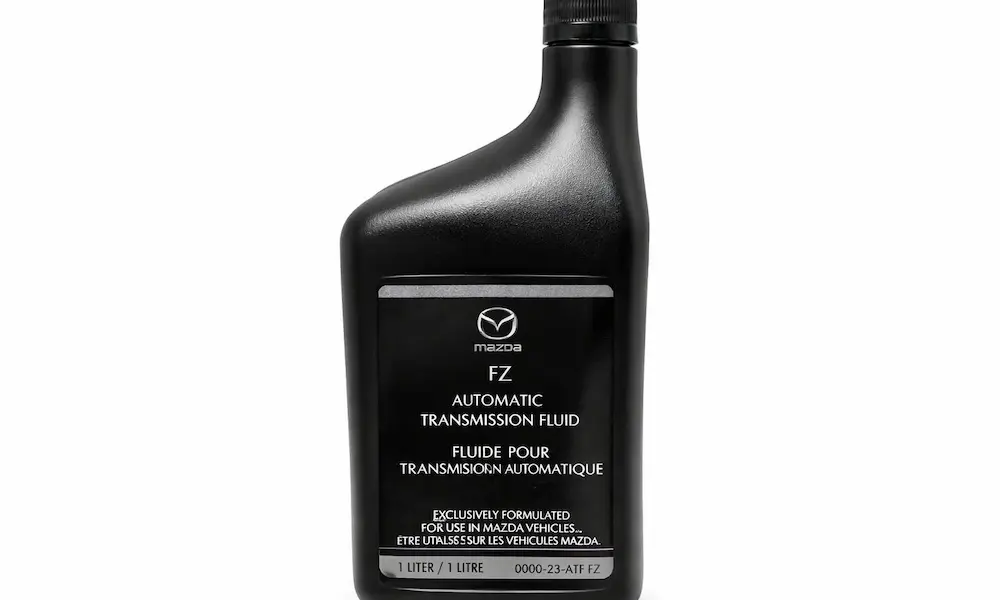
The transmission fluid service is particularly important. While Mazda markets their transmissions as “sealed for life,” many experts recommend a drain and fill (not a complete flush) at this interval. This typically requires 4-6 quarts of specialized transmission fluid.
120,000-Mile Service
This major service milestone includes:
- Coolant system flush
- Timing chain inspection
- Drive belt replacement
- Complete system evaluation
- All previous service items
This service can cost $800-1,200 at dealerships but represents critical maintenance for vehicle longevity. The coolant replacement requires specific FL-22 coolant to prevent engine damage. After this initial replacement at 120,000 miles, subsequent coolant changes should occur every 60,000 miles.
Maintenance Costs: Budgeting for Your Mazda 3
DIY vs. Professional Service
Doing maintenance yourself can save significant money:
| Service | DIY Cost | Professional Cost | Savings |
|---|---|---|---|
| Oil Change | $35-45 | $80-120 | 60-70% |
| Air Filter | $15-25 | $50-80 | 70-80% |
| Cabin Filter | $20-30 | $70-100 | 70-75% |
| Brake Fluid | $20-30 | $100-150 | 80-85% |
Basic DIY maintenance requires some tools: socket sets, oil drain pans, filter wrenches, and torque wrenches. This investment typically pays for itself within the first year if you perform your own oil changes.
However, some services like transmission work or timing system service often require professional equipment and expertise. Reputable mechanics can provide valuable insights for these more complex tasks.
Year-by-Year Cost Projections
Based on comprehensive cost data, here’s what you can expect to pay for Mazda 3 maintenance over time:
- Year 1: $245 (average)
- Year 5: $514 (average)
- Year 10: $841 (average)
The probability of major repairs also increases with age:
- Year 1: 1.56% chance
- Year 5: 7.34% chance
- Year 10: 15.80% chance
These projections assume normal driving conditions and a mix of DIY and professional maintenance. Your actual costs may vary based on driving habits, local labor rates, and whether you choose dealer service or independent shops.
Turbo vs. Non-Turbo Ownership Costs
Owning a turbocharged Mazda 3 typically costs more in the long run:
- 15-25% higher maintenance costs
- More frequent spark plug changes
- Potential oil consumption issues
- Premium fuel requirements
- 20-30% higher fuel consumption
Many owners find the performance benefits worth these additional costs, but it’s important to budget accordingly. The fuel economy difference becomes particularly noticeable in city driving.
Common Issues and How to Prevent Them
Known Mazda 3 Problem Areas
Several issues appear more frequently in certain model years:
Electrical system malfunctions: Most common in 2015-2019 models with touchscreen infotainment systems. These can include random setting changes, unwanted phone dialing, and navigation system failures.
Brake system problems: Most frequent in 2004-2015 model years, including premature pad wear, master cylinder failures, and ABS pump issues. Regular inspections can prevent many of these problems.
Sway bar link failures: Common in 2004-2012 and 2014-2015 models, causing rattling and clunking noises from the rear suspension. Replacement parts cost $30-100 plus labor.
Preventive Maintenance Strategies
To maximize reliability and minimize costs:
Monitor fluid levels monthly: Check engine oil, coolant, brake fluid, and power steering fluid. Low fluid levels can cause expensive damage if not addressed promptly.
Use quality parts and fluids: OEM or equivalent parts typically last longer than economy alternatives. Genuine Mazda oil filters are particularly recommended.
Adopt good driving habits: Gentle acceleration, gradual braking, and allowing proper warm-up time extend component life. Regular highway driving helps clear carbon deposits from direct-injection engines.
Expert Recommendations for Long-Term Ownership
Service Timing Optimization
Smart scheduling can save money and time:
Bundle services when possible: Combine oil changes with tire rotations and fluid checks. Many dealerships offer package deals for bundled services that cost less than individual appointments.
Prepare for seasonal changes: Test your battery before winter, check your cooling system before summer, and consider seasonal tire changes in regions with extreme weather. Proactive preparation prevents roadside emergencies.
Component Upgrade Considerations
Some components benefit from upgrades:
Battery replacements: Typically needed every 3-5 years, with OEM batteries often lasting longer than economy replacements. Cold climates significantly reduce battery life.
Tire quality: Impacts safety, fuel economy, and ride comfort. All-season tires work for most climates, but dedicated winter tires dramatically improve safety in snow and ice conditions. Follow Mazda’s rotation patterns for even wear.
Documentation and Relationship Building
For the best long-term ownership experience:
Keep detailed maintenance records: Preserve warranty coverage and enhance resale value with digital records or physical log books tracking all service performed, parts used, and issues addressed.
Find a trusted mechanic or DIY community: Building relationships with knowledgeable professionals or joining online Mazda communities can provide valuable insights and troubleshooting help when needed.
The Real-World Mazda 3 Ownership Experience
The Mazda 3’s reputation for reliability isn’t accidental—it comes from consistent maintenance following manufacturer guidelines. Owners who stick to recommended service schedules typically enjoy 200,000+ miles of reliable service.
Proactive care costs significantly less than reactive repairs. A $100 oil change seems expensive until you’re facing a $4,000 engine replacement due to neglect. Regular maintenance isn’t just about avoiding breakdowns—it’s about preserving performance, fuel economy, and your car’s value.
By following this maintenance schedule and addressing small issues before they become big problems, your Mazda 3 can provide many years of enjoyable, reliable transportation. The key is consistency—regular service on time, every time, using quality parts and fluids.