Wondering when to change your Toyota Highlander’s oil? Confused about when those spark plugs need replacing? You’ve come to the right place. This comprehensive guide breaks down everything you need to know about maintaining your Toyota Highlander for optimal performance and longevity. We’ll cover all the maintenance milestones, costs, and expert recommendations to keep your vehicle running smoothly for years to come.
The Basic Toyota Highlander Maintenance Schedule
Toyota’s official maintenance schedule for the Highlander follows a structured pattern based on both mileage and time intervals (whichever comes first). Here’s what you need to know about the fundamental service pattern:
5,000-Mile Service: The Foundation of Maintenance
Every 5,000 miles (or 6 months), your Highlander needs some basic attention:
- Tire rotation to ensure even wear
- Multi-point inspection checking critical components
- Fluid level checks
- Brake component inspection
- Wiper blade examination
If you purchased your Highlander new, these services are typically covered under ToyotaCare for the first 25,000 miles or 2 years. This complimentary maintenance program adds significant value during those early ownership years.
Oil Change Intervals: What Toyota Says vs. What Experts Recommend
Toyota officially recommends changing your Highlander’s oil and filter every 10,000 miles or 12 months under normal driving conditions. However, this has sparked considerable debate among automotive professionals.
Many independent mechanics and former Toyota technicians suggest 5,000-mile oil change intervals regardless of Toyota’s official stance. The reasoning behind more frequent oil changes includes:
- Better engine protection, especially for high-mileage vehicles
- Improved performance in stop-and-go traffic
- Reduced risk of oil degradation in extreme temperatures
- Prevention of oil filter thread damage
While the 10,000-mile interval may be sufficient under ideal conditions, most experts agree that 5,000-mile oil changes provide an inexpensive insurance policy against potential engine issues.
Major Service Milestones Every Highlander Owner Should Know
Your Toyota Highlander has several significant maintenance milestones that require more comprehensive service:
30,000-Mile Service: The First Major Checkpoint
When your Highlander hits 30,000 miles, it’s time for the first major service, which typically includes:
- Engine air filter replacement
- Cabin air filter replacement
- Transfer case/differential service (for AWD models)
- All previous maintenance items
- Additional inspections of critical components
This service typically costs between $300-$500 depending on your location and whether you choose a dealership or independent shop. The 30,000-mile service marks a significant maintenance point that shouldn’t be skipped.
60,000-Mile Service: Comprehensive Care
The 60,000-mile service is particularly thorough and includes:
- Transmission fluid change
- Spark plug replacement (for V6 engines)
- Brake fluid exchange
- All previous maintenance items
- Comprehensive system inspections
This service typically ranges from $600-$900 and represents a critical maintenance point for ensuring your Highlander’s long-term reliability. The 60,000-mile service package addresses numerous wear items that have reached their service life.
90,000-Mile Service: Repeating Critical Maintenance
At 90,000 miles, your Highlander will need a service similar to the 30,000-mile checkpoint, but with more intensive inspections of:
- Drive components
- Suspension elements
- All previous maintenance items
- Additional fluid checks
120,000-Mile Service: The Major Overhaul
The 120,000-mile service is typically the most comprehensive and expensive, costing between $800-$1,200. This service includes:
- Spark plug replacement for 4-cylinder engines
- Coolant system service
- Comprehensive inspection of all vehicle systems
- All previous maintenance items
This service milestone is crucial for high-mileage Highlanders and helps ensure continued reliability as your vehicle ages.
Engine-Specific Maintenance Variations
The Toyota Highlander has been offered with different engine options over the years, and maintenance requirements vary accordingly:
Spark Plug Replacement: Significant Differences by Engine Type
The maintenance schedule varies dramatically based on which engine powers your Highlander:
- V6 engines require spark plug replacement every 60,000 miles or 6 years
- 4-cylinder engines can operate until 120,000 miles or 12 years before requiring new plugs
This difference stems from the V6 engine’s more complex design and higher performance demands. The cost differential is equally significant:
- V6 spark plug replacement: $300-$600
- 4-cylinder spark plug replacement: $200-$400
The V6 service is more expensive because the spark plugs are buried beneath intake manifolds, requiring more extensive disassembly. Some owners have reported dealerships charging up to $1,000 for V6 spark plug replacement, making it worth shopping around for this service.
Transmission Maintenance: Protecting Your Drivetrain
Transmission fluid service should occur every 60,000 miles or 6 years under normal driving conditions. However, severe driving conditions may require service as early as 30,000-45,000 miles.
Many Toyota technicians recommend simple drain-and-fill procedures rather than complete transmission flushes to avoid potential complications. This conservative approach protects transmission components while still providing the benefits of fresh fluid.
Essential Fluid Service Intervals
Various fluids in your Highlander require periodic replacement to maintain optimal performance:
Coolant System Maintenance: Long-Life Technology
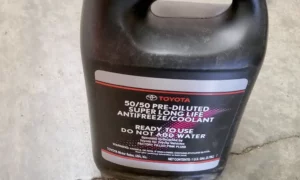
Toyota uses long-life coolant systems requiring initial replacement at 100,000 miles, followed by 50,000-mile intervals thereafter. Some dealers recommend 30,000-mile coolant changes, but this typically represents unnecessary maintenance.
As confirmed in Toyota forums, Toyota’s red coolant is designed for extended service intervals. While the coolant’s color may darken over time, this doesn’t necessarily indicate a need for replacement before the recommended interval.
Brake Fluid Service: Safety First
Brake fluid replacement should occur every 60,000 miles or 6 years, though some sources suggest 3-year intervals for optimal brake system protection. Moisture content testing can help determine actual replacement needs, as brake fluid degrades primarily through water absorption rather than mileage.
Fresh brake fluid ensures your Highlander’s braking system performs optimally, especially during emergency stops. This relatively inexpensive service provides significant safety benefits.
All-Wheel Drive Maintenance: For AWD Models Only
AWD-equipped Highlanders require transfer case and rear differential service every 30,000 miles. This maintenance is crucial for AWD system longevity and typically costs $150-$250 per service.
Under severe driving conditions, you may need to service these components every 15,000 miles. Properly maintaining your AWD system prevents expensive repairs down the road.
The Truth About “Normal” vs. “Severe” Driving Conditions
Toyota defines severe driving conditions as circumstances requiring more frequent maintenance intervals. What many owners don’t realize is that most driving actually qualifies as “severe” under Toyota’s criteria, including:
- Extensive stop-and-go traffic
- Short trips under 5 miles
- Extreme temperatures (hot or cold)
- Towing or carrying heavy loads
- Driving in dusty conditions
Under severe conditions, key maintenance intervals change significantly:
- Oil changes every 5,000 miles instead of 10,000
- Air filter inspections every 5,000 miles
- Transfer case service every 15,000 miles for AWD models
- More frequent transmission service at 30,000-45,000 mile intervals
Many automotive experts recommend following severe driving schedules regardless of your actual conditions. The cost difference is minimal compared to potential repair expenses from inadequate maintenance.
Cost Analysis and Planning for Highlander Maintenance
Understanding the costs associated with maintaining your Highlander helps with budgeting for these necessary expenses:
Annual Maintenance Expenses by Driving Pattern
Maintenance costs vary significantly based on your driving patterns:
Low-mileage drivers (8,000 miles annually)
- Expected annual cost: $300-$400
- Primary expenses: Oil changes and tire rotations
- One major service approximately every 4 years
Average drivers (12,000 miles annually)
- Expected annual cost: $400-$600
- Includes regular maintenance plus occasional larger services
- Major service approximately every 2.5-3 years
High-mileage drivers (18,000+ miles annually)
- Expected annual cost: $600-$800
- Multiple oil changes and inspections yearly
- Major service approximately every 1.5-2 years
These estimates exclude major services occurring every 30,000-60,000 miles, which add substantial costs in specific years.
ToyotaCare Benefits: Free Maintenance for New Vehicles
New Toyota Highlanders include ToyotaCare coverage for 2 years or 25,000 miles, providing free maintenance and 24-hour roadside assistance. This program covers:
- Oil changes
- Tire rotations
- Multi-point inspections
- Fluid level checks
ToyotaCare Plus extends coverage for additional years and mileage, though cost-benefit analysis suggests independent service may be more economical after the initial coverage expires.
Practical Maintenance Recommendations
Based on extensive research and expert opinions, here are some practical recommendations for maintaining your Highlander:
Oil Change Strategy: More Frequent is Better
Despite Toyota’s 10,000-mile recommendation, most independent experts advocate 5,000-mile oil change intervals for enhanced protection. This approach provides:
- Superior engine protection for high-mileage vehicles
- Better performance in challenging driving conditions
- Reduced long-term maintenance costs through prevention
- Easier service procedures with less risk of complications
The modest additional cost of more frequent oil changes is excellent insurance against expensive engine repairs later.
Service Provider Selection: Dealership vs. Independent Shops
While Toyota dealerships offer expertise and genuine parts, independent shops can provide equivalent service at reduced costs. Maintaining detailed service records is crucial regardless of service provider to preserve warranty coverage.
Many owners find that independent Toyota specialists offer the best balance of expertise and value. These shops typically have Toyota-specific diagnostic equipment and experience but charge less than dealerships.
Maintenance Record Keeping: Protecting Your Investment
Toyota cannot deny warranty claims solely due to lack of service records, but proper documentation protects against disputes. Digital records, receipts, and service logs should be maintained throughout ownership.
Many owners use smartphone apps to track maintenance or simply keep a folder with all service receipts. Whatever system you choose, consistent record-keeping helps maintain your vehicle’s warranty and resale value.
Special Considerations for Toyota Highlander Owners
Several factors can influence your specific maintenance needs:
Model Year Variations: Check Your Owner’s Manual
Specific maintenance requirements can vary by model year and trim level, making owner’s manual consultation essential. Hybrid models may have different intervals for certain components, particularly related to the hybrid battery cooling system.
The official Toyota owner’s portal provides access to digital versions of owner’s manuals if you don’t have yours handy.
Geographic Factors: Location Matters
Environmental conditions significantly impact maintenance needs. Vehicles in harsh climates, high-altitude locations, or areas with poor air quality may require more frequent service regardless of mileage.
For example, Highlanders driven in extremely cold climates may need more frequent fluid checks, while those in dusty environments benefit from more frequent air filter replacements.
Extended Warranty Considerations: Protecting Your Coverage
Following manufacturer maintenance schedules is typically required for extended warranty coverage. However, more frequent maintenance rarely voids warranties and often provides additional protection.
If you have an extended warranty, review its terms regarding maintenance requirements to ensure you’re meeting all obligations for continued coverage.
Maintenance Tables: Quick Reference Guides
Basic Maintenance Schedule
| Mileage | Service Type | Typical Cost | Key Components |
|---|---|---|---|
| 5,000 | Basic | $0-$100 | Tire rotation, inspection |
| 10,000 | Oil Change | $50-$100 | Oil, filter, inspection |
| 15,000 | Basic | $0-$100 | Tire rotation, inspection |
| 20,000 | Oil Change | $50-$100 | Oil, filter, inspection |
| 25,000 | Basic | $0-$100 | Tire rotation, inspection |
| 30,000 | Major | $300-$500 | Filters, fluids, inspections |
Engine-Specific Maintenance Comparison
| Maintenance Item | 4-Cylinder Engine | V6 Engine | Cost Difference |
|---|---|---|---|
| Spark Plugs | Every 120,000 miles | Every 60,000 miles | V6 costs $100-$200 more |
| Oil Change | 5-7 quarts | 6-8 quarts | V6 costs $10-$20 more |
| Air Filter | Every 30,000 miles | Every 30,000 miles | Same cost |
| Timing Belt/Chain | Timing chain (lifetime) | Timing chain (lifetime) | No regular replacement needed |
Beyond the Basics: Maximizing Your Highlander’s Lifespan
While following the maintenance schedule is essential, these additional practices can help extend your Highlander’s life:
Proactive Maintenance Practices
Don’t just stick to the minimum requirements. Consider these additional steps:
- Battery testing at every oil change (free at many auto parts stores)
- Cleaning throttle bodies every 30,000 miles to prevent rough idle
- Checking and cleaning brake calipers during brake service
- Inspecting suspension components regularly, especially if you hear unusual noises
Driving Habits That Extend Vehicle Life
How you drive affects how long your Highlander will last:
- Allow proper warm-up time (30-60 seconds) before driving, especially in cold weather
- Avoid aggressive acceleration and hard braking when possible
- Complete longer drives occasionally to fully warm up the engine and clear carbon deposits
- Don’t let your fuel tank run consistently below 1/4 full, as the fuel pump relies on gasoline for cooling
The Toyota Highlander is built for longevity, but proper maintenance is essential to reach those high-mileage milestones. By following this maintenance schedule and implementing these recommendations, you’re setting your Highlander up for many years of reliable service.
Remember that while Toyota’s official recommendations provide adequate protection under ideal conditions, most experts recommend erring on the side of caution with more frequent service, particularly for oil changes and fluid replacements. This approach maximizes your vehicle’s longevity while minimizing unexpected repair costs.