Struggling with your Mazda’s i-Stop system constantly disabling itself or refusing to work? You’re dealing with one of the most frustrating yet fixable features in modern Mazdas. Let’s cut through the confusion and get your fuel-saving system back on track.
What is Mazda i-Stop and How Does it Work?
Mazda’s i-Stop is an intelligent start-stop system that automatically shuts off your engine when you’re stopped at lights or in traffic, then restarts it when you release the brake. Unlike other brands’ systems, Mazda’s uses a unique combustion restart method that positions pistons optimally before shutdown, allowing for quicker, smoother restarts.
The system was designed to improve fuel economy and reduce emissions, but many owners find themselves facing recurring issues that disable these benefits.
Most Common Mazda i-Stop Problems
1. Weak or Aging Battery Issues
The number one culprit behind i-Stop problems is battery health. The system needs a robust battery with at least 65.7% state of charge to function properly.
Even batteries that show “normal” voltage readings around 12.7V can fail the i-Stop’s stricter requirements if they’re more than 3-4 years old. For example, a 2020 Skyactiv X owner solved persistent i-Stop failures by replacing their 3.5-year-old Panasonic battery (330 CCA) with a 600CCA Yuasa unit.
Solution: Replace your battery with a Mazda-approved deep-cycle battery specifically designed for start-stop systems. Check voltage monthly (should be ≥12.4V at rest) and plan on replacing every 3-4 years.
2. Battery Reset Issues After Replacement
Many owners replace their battery but find i-Stop still doesn’t work. This happens because the system requires a specific reset procedure after battery replacement.
Solution: After installing a new battery, follow this reset sequence:
- Warm the engine, then turn off ignition
- Press the i-Stop button for 3 seconds within 5 seconds of turning ignition on
- Start the engine, let idle for 10 minutes, then take a test drive
This recalibration process is critical for the system to recognize the new battery’s capacity.
3. Software and Control Module Glitches
Software anomalies in the power control modules (PCMs) and battery energy control modules (BECMs) often disrupt i-Stop operation.
For example, a 2024 CX-90 recall addressed engine restart failures caused by improper hybrid-assist software, requiring PCM/BECM reprogramming to fix the issue.
Solution: Visit your Mazda dealership to check for available software updates for your specific model and year. Some issues can be resolved through simple computer reprogramming.
4. Sensor Communication Failures
The i-Stop system relies on multiple sensors working together. Intermittent i-Stop failures in CX-5 models have been linked to steering angle sensor miscommunication.
Solution: Perform a steering angle recalibration by turning the wheel from lock-to-lock during system initialization, or have a technician reset communication between sensors.
5. Environmental Conditions Preventing Activation
Many owners don’t realize that i-Stop won’t activate unless very specific conditions are met:
| Condition | Requirement for i-Stop Operation |
|---|---|
| Engine Temp | Between 30–110°C |
| Steering Position | Near-straight alignment |
| Ambient Temperature | Between -10–50°C |
| Other Systems | No active regen braking or transmission issues |
Solution: Check that you’re meeting all operational prerequisites. Common oversights like maximum AC settings or having the hood open will automatically deactivate i-Stop.
6. Short Driving Patterns
Brief trips under 10 minutes prevent adequate battery recharging, while aggressive braking or frequent stops in sport mode inhibit i-Stop engagement.
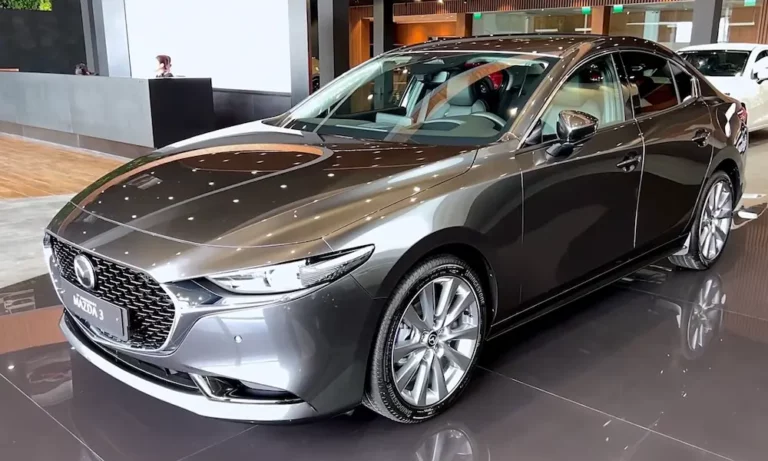
A 2023 Mazda 3 owner noted system inactivity during urban commutes, which was resolved by taking longer highway drives to fully recharge the battery.
Solution: Take occasional longer drives (20+ minutes) at highway speeds to allow the battery to fully recharge.
7. Special Battery Requirements and Costs
Mazda’s i-Stop system requires specialized batteries that cost significantly more than standard ones.
Mazda’s i-Stop-compatible batteries (like Motolite EFB) cost 2-3 times more than conventional units due to enhanced cycle durability. In the Philippines, owners reported replacement costs exceeding ₱14,703 ($260).
Solution: Despite the higher cost, always use Mazda-approved EFB (Enhanced Flooded Battery) or AGM (Absorbent Glass Mat) batteries designed specifically for start-stop systems.
8. Diagnostic Tool Limitations
Dealership diagnostic tools sometimes fail to detect subtle battery degradation or software bugs. A 2021 CX-30 owner reported no error codes despite i-Stop inactivity.
Solution: Request manual battery voltage checks using a multimeter. Readings at or below 11.5V typically indicate a failing battery, even if the diagnostic tool shows no issues.
9. Steering Angle Sensor Problems
The i-Stop system requires the steering wheel to be in a near-straight position to activate. If the steering angle sensor is miscalibrated, the system may incorrectly determine the wheel position.
Solution: Try this simple fix: With the engine running, turn the steering wheel all the way to the left, then all the way to the right, and back to center. This can recalibrate the steering angle sensor and restore proper i-Stop functionality.
10. System Override During Active Climate Control
Many Mazda owners don’t realize that when climate control is set to maximum heating or cooling, the i-Stop system automatically disables to maintain cabin comfort.
Solution: Use moderate climate control settings when you want i-Stop to remain active. The system will automatically balance comfort with fuel efficiency.
11. Recall-Related Issues
Some Mazda models have had i-Stop issues addressed through official recalls. For example, the 2024 CX-90 had a recall for engine restart failures.
Solution: Check if your vehicle has any outstanding recalls by visiting the NHTSA website and entering your VIN number.
12. Electrical System Interference
Additional electrical accessories or aftermarket equipment can sometimes interfere with the i-Stop system’s proper operation.
Solution: If you’ve recently added accessories like dash cams, radar detectors, or other electronic equipment, try disconnecting them temporarily to see if i-Stop function improves.
How to Reset the Mazda i-Stop System
If your i-Stop system isn’t working properly, try these reset procedures:
Basic Reset Method
- Press and hold the i-Stop OFF button for approximately 10 seconds while the engine is running
- Release the button and check if the i-Stop indicator light turns green
Battery Memory Reset Method
- Disconnect the negative terminal from your battery
- Wait at least 15 minutes (this clears the electronic memory)
- Reconnect the battery terminal
- Start the engine and let it idle for at least 10 minutes to relearn parameters
Maintaining a Healthy i-Stop System
To keep your i-Stop system functioning optimally:
- Regular Battery Checks: Test voltage monthly (should be ≥12.4V at rest)
- Proactive Battery Replacement: Replace your battery every 3-4 years with an EFB or AGM type specifically designed for start-stop systems
- Software Updates: When visiting your dealer for service, ask about available software updates
- Driving Habits: Incorporate occasional longer drives to maintain proper battery charge
Is the i-Stop System Worth the Hassle?
While i-Stop reduces idling emissions, fuel savings are relatively modest (about 0.7% over 10,000 km). Some critics argue that the battery and starter wear might offset environmental benefits.
However, Mazda’s combustion-based restart mechanism is designed to minimize mechanical strain compared to other manufacturers’ conventional starter-based systems.
If the issues persist and cause significant frustration, you can always drive with the system disabled by pressing the i-Stop OFF button before each trip.
Is Your i-Stop Problem a Safety Concern?
While most i-Stop issues are related to convenience rather than safety, any restart failure could potentially leave you stranded at an intersection. If you experience your engine failing to restart after an automatic i-Stop engagement, it’s important to have your vehicle inspected immediately.
For serious concerns, you can report safety issues to the National Highway Traffic Safety Administration (NHTSA).