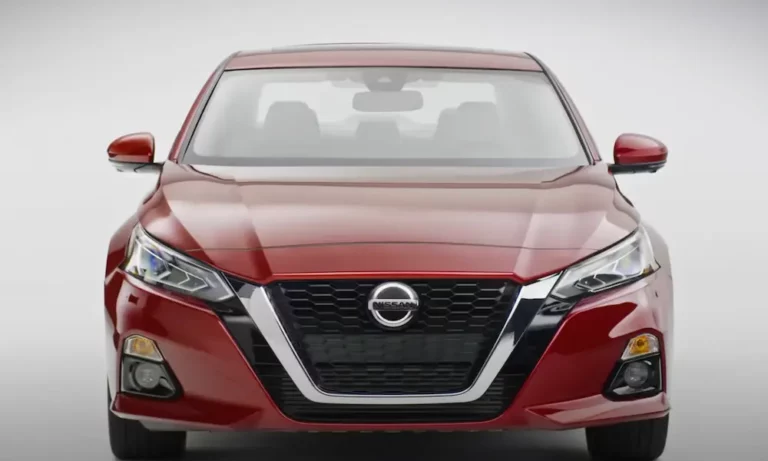
Ever stood at the pump wondering if your Altima needs regular or premium fuel? You’re about to get clarity on exactly what gas your Nissan Altima needs, saving you both money and potential headaches.
Nissan Altima Fuel Requirements: The Quick Answer
Most modern Nissan Altimas (2022-2025) run perfectly fine on 87-octane regular unleaded gasoline. This applies to the standard 2.5L engine found in most trims. If you have the turbocharged VC-Turbo engine, you can still use regular gas, but premium fuel will give you slightly better performance.
Fuel Requirements for Different Nissan Altima Models and Years
Current Models (2022-2025)
The fuel requirements for the newest Altima models break down like this:
| Engine Type | Recommended Fuel | Alternative Fuel | Performance Impact |
|---|---|---|---|
| 2.5L 4-cylinder | 87-octane (regular) | N/A | None – designed for regular |
| 2.0L VC-Turbo | 93-octane (premium) | 87-octane (regular) | 248 hp with premium vs. 236 hp with regular |
The standard 2.5L engine delivers 188-182 horsepower while achieving impressive fuel economy ratings of up to 27 city/39 highway MPG.
For the turbocharged variants, Nissan’s engineering allows for flexibility. As the Nissan of points out, “The VC-Turbo engine will run on regular fuel with a slight reduction in horsepower.”
Older Altima Models (2002-2021)
Older Altimas have different fuel requirements depending on the engine:
| Model Years | Engine Type | Required Fuel |
|---|---|---|
| 2019-2021 | 2.0L VC-Turbo | 93-octane recommended, 87-octane acceptable |
| 2019-2021 | 2.5L 4-cylinder | 87-octane (regular) |
| 2002-2018 (with V6) | 3.5L V6 | 91-octane (premium) |
| 2002-2018 (4-cylinder) | 2.5L 4-cylinder | 87-octane (regular) |
The V6-equipped Altimas from earlier generations (especially the 2002-2006 models with the 3.5L V6) required premium fuel to support their 245-270 hp output. The sportier SE-R models also needed premium to prevent engine knocking.
Why Octane Ratings Matter for Your Altima
The octane rating isn’t just a number—it directly impacts how your Altima’s engine performs.
For Standard 2.5L Engines
The naturally aspirated 2.5L engine (with a compression ratio of 10.3:1) works efficiently with 87-octane fuel. This is because Nissan equipped these engines with advanced knock sensors and engine control units that adjust timing accordingly.
According to the Nissan Altima owner’s manual: “Use unleaded regular gasoline with an octane rating of at least 87 AKI (Anti-Knock Index).”
For Turbocharged VC-Turbo Engines
The VC-Turbo engine is an engineering marvel with a variable compression ratio (ranging from 8:1 to 14:1). While it can run on regular gas, premium fuel helps it achieve optimal performance.
Using regular gas in the VC-Turbo results in approximately a 5% horsepower reduction—from 248 hp down to 236 hp. The engine automatically adjusts its parameters to prevent knocking when using lower octane fuel.
Cost vs. Performance: Is Premium Worth It?
For most Altima owners with the standard 2.5L engine, there’s absolutely no benefit to using premium gas. You’d just be spending more money without gaining performance.
For VC-Turbo owners, the decision comes down to priorities:
- Using regular gas (87-octane): More economical, slightly reduced performance
- Using premium gas (91-93 octane): Higher cost, full performance potential
Let’s break down the actual costs:
| Fuel Type | Approx. Cost/Gallon | MPG (Combined) | Cost Per Mile |
|---|---|---|---|
| Regular (87) | $3.81 | 32 MPG (2.5L) | $0.119 |
| Premium (93) | $4.11 | 28 MPG (VC-Turbo) | $0.147 |
Based on current fuel data, the premium-fueled VC-Turbo costs about 23% more per mile to operate than the regular-fueled 2.5L engine.
Common Misconceptions About Nissan Altima Fuel Requirements
Many people have wrong ideas about what gas their Altima needs. Let’s clear those up:
Myth: Premium Gas Makes Any Altima Perform Better
For the standard 2.5L engine, using premium fuel provides zero performance benefits. This engine is specifically designed to run optimally on 87-octane fuel.
Many Altima owners on Reddit discussions confirm they see no tangible benefits from using premium in non-turbo models.
Myth: Using Regular Gas in Turbo Models Damages the Engine
While the VC-Turbo engine performs best with premium fuel, it’s designed to safely operate on regular gas. The engine’s computer automatically adjusts timing and other parameters to prevent damage.
Myth: All V6 Altimas Need Premium
While the 3.5L V6 models generally required premium fuel, not all did. Always check your specific model year’s owner manual for the definitive answer.
Fuel Economy and Tank Size Information
The Altima’s fuel economy varies by engine type and drivetrain:
| Model/Trim | City MPG | Highway MPG | Combined MPG | Tank Size |
|---|---|---|---|---|
| 2.5L FWD | 27 | 39 | 32 | 16.2 gallons |
| 2.5L AWD | 25 | 34 | 29 | 16.2 gallons |
| 2.0L VC-Turbo | 25 | 34 | 29 | 16.2 gallons |
With a full tank, most Altimas can travel approximately 470-590 miles depending on driving conditions and the specific engine/drivetrain configuration.
The Nissan Service Center points out that midgrade (89 octane) and premium (91-93) are optional for “slightly more performance” in turbo models but unnecessary for daily driving in standard models.
The Technical Explanation: Why Different Engines Need Different Fuel
The science behind octane requirements comes down to engine design:
Compression Ratio and Knock Resistance
Higher compression ratios generate more power but also create more heat and pressure, which can cause knock (pre-ignition) with lower-octane fuels.
The standard 2.5L engine in the Altima has a compression ratio of 10.3:1, which is well-suited for 87-octane fuel. The engine includes knock sensors that adjust timing if any pre-ignition is detected.
Variable Compression Technology
The VC-Turbo engine in the Altima is truly revolutionary. As explained in Nissan’s press materials, this engine can physically change its compression ratio from 8:1 to 14:1 depending on driving conditions.
This technology allows it to safely use regular gas by adjusting to a lower compression ratio, but it achieves its maximum horsepower and torque when running on premium fuel.
Best Practices for Fueling Your Nissan Altima
Follow these tips to keep your Altima running smoothly:
- Use the fuel grade recommended in your owner’s manual
- Purchase gasoline from reputable stations with high turnover
- Look for Tier 1 gasoline with detergent additives to keep fuel injectors clean
- Don’t mix premium and regular gas—it doesn’t create “midgrade” fuel
- Keep your gas tank at least quarter-full to prevent fuel pump issues
- Avoid running on empty, as sediment at the bottom of the tank can clog filters
What About E15 and Higher Ethanol Blends?
Nissan Altimas are designed to safely use gasoline with up to 10% ethanol (E10), which is standard in most U.S. gas stations.
According to the Nissan Owner’s Manual, fuels with higher ethanol content (like E15 or E85) should be avoided unless your vehicle is specifically labeled as Flex Fuel capable. Using these higher ethanol blends in a standard Altima could void your warranty and potentially damage fuel system components.
How Engine Design Has Evolved to Use Regular Gas
Nissan has made significant engineering advances to allow newer Altimas to run efficiently on regular gas:
- Advanced knock sensors detect pre-ignition and adjust timing in real-time
- Improved cooling systems help maintain optimal engine temperatures
- Computer-controlled variable valve timing optimizes performance with regular fuel
- More efficient combustion chamber designs reduce the likelihood of knock
- The innovative VC-Turbo technology physically changes compression ratios as needed
These advances have allowed Nissan to create powerful engines that don’t require expensive premium fuel for daily driving.
The Bottom Line on Nissan Altima Fuel Requirements
Here’s what you need to remember about fueling your Nissan Altima:
- 2022-2025 standard 2.5L models: Use 87-octane regular unleaded gasoline
- 2019-2025 VC-Turbo models: Can use 87-octane regular gas, but 93-octane premium fuel maximizes performance
- Pre-2019 V6 models: Generally require 91-93 octane premium fuel
- Pre-2019 4-cylinder models: Use 87-octane regular unleaded gasoline
The best source for your specific model is always your vehicle’s owner’s manual. Following Nissan’s recommendations will ensure optimal performance, efficiency, and longevity for your Altima.
Next time you pull up to the pump, you can fuel with confidence knowing exactly what your Nissan Altima needs!