Have a 6.7 Cummins that’s feeling a bit sluggish? Or maybe you’re looking to unleash the beast that’s hiding under your hood? You’re in the right place. This guide breaks down exactly how to transform your 6.7 Cummins from factory specs to a tire-smoking powerhouse—all while keeping things reliable enough for daily driving.
Understanding Your 6.7 Cummins Potential
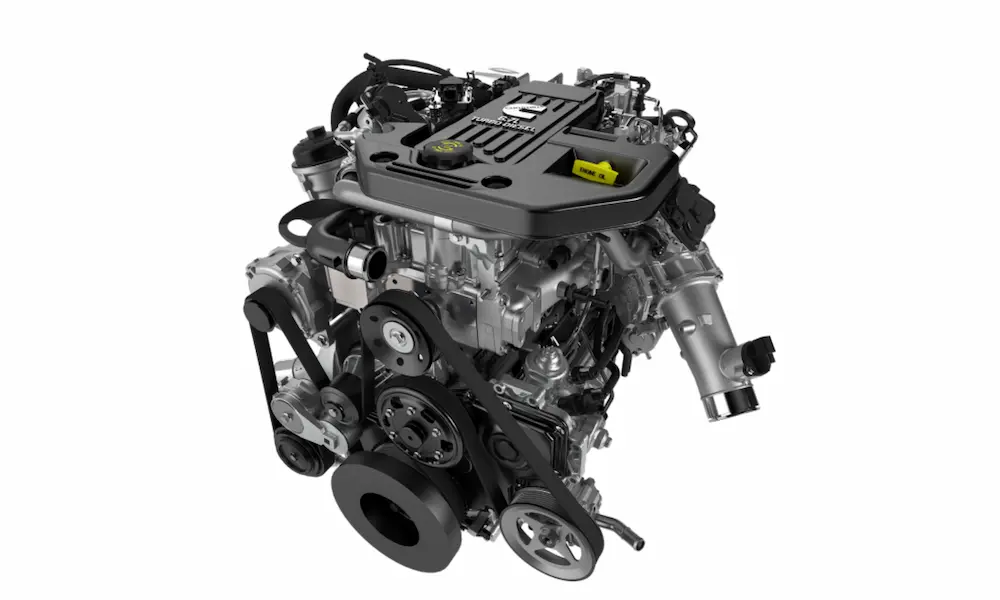
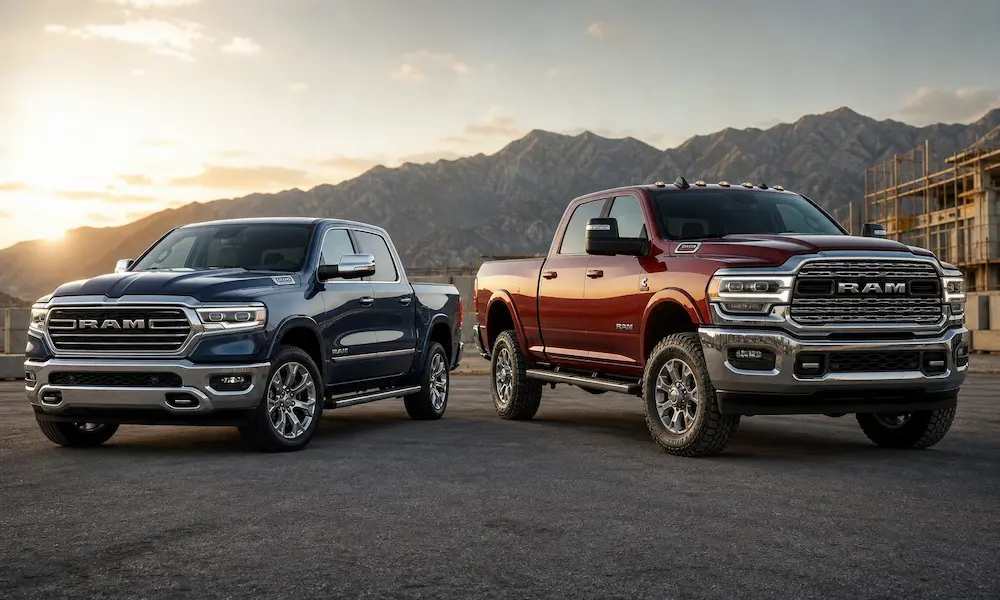
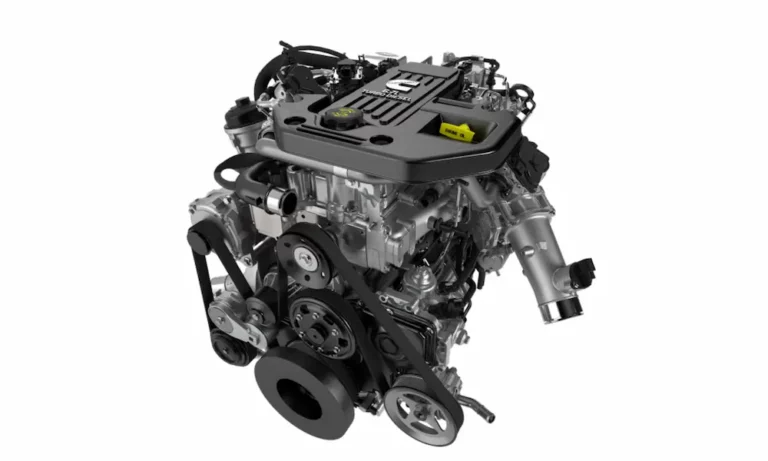
The 6.7L Cummins inline-six diesel engine that powers Ram 2500 and 3500 trucks is already impressive from the factory—pushing out 385-400 horsepower and 850-1,000 lb-ft of torque. But that’s just the beginning of what this engine can do.
What makes the 6.7 Cummins special is its robust design and tremendous upgrade potential. With the right modifications, you can safely push this powerplant to 500+ horsepower and over 1,000 lb-ft of torque without sacrificing reliability.
Stage 1: Basic Performance Upgrades (Keep Your Warranty)
If you’re looking for noticeable power gains without voiding your warranty or removing emissions equipment, start here:
Programmers and Tuners
A quality tuner is the most cost-effective upgrade you can make. Devices like the Edge Evolution CTS3 and Smarty Touch tuners can add 90-120 horsepower while maintaining all emissions equipment. These work by optimizing:
- Fuel injection timing
- Turbo boost pressure
- Torque management parameters
The EZ Lynk platform stands out by offering real-time air-fuel ratio monitoring—crucial for preventing lean conditions when towing heavy loads.
Cold Air Intake Systems
Your engine needs to breathe! Factory air intake systems are restrictive by design.
The S&B Filters enclosed cold air intake system increases airflow by an impressive 54.6% compared to stock while actually maintaining factory filtration efficiency. Dyno testing shows this simple bolt-on mod can add 11 horsepower and 19 lb-ft of torque just by reducing intake air temperatures and minimizing restriction.
Exhaust Upgrades
A 4-inch turbo-back exhaust system is the sweet spot for the 6.7 Cummins. This modification:
- Decreases exhaust gas temperatures by up to 150°F under load
- Complements tuning adjustments for better power delivery
- Improves the exhaust note without being excessively loud
For those wanting to keep their emissions equipment, systems that retain the selective catalytic reduction (SCR) provide substantial flow improvements while keeping things legal.
Stage 2: Moderate Performance Builds (500-600 HP)
Ready to take things up a notch? These modifications target the 500-600 horsepower range while still keeping your truck street-friendly:
Turbocharger Upgrades
The stock variable-geometry turbo (VGT) becomes a restriction when pushing for higher power levels. The BorgWarner S364.5SX-E turbo with a 64mm compressor wheel delivers impressive performance, hitting 28 PSI of boost at just 1,650 RPM—that’s 400 RPM sooner than stock.
With a flow capacity of 68 pounds per minute, this turbo setup supports up to 550 horsepower while retaining your factory exhaust brake functionality.
High-Pressure Fuel System Modifications
More air needs more fuel! Two critical upgrades here:
- Dual CP3 Conversion: Adding a second high-pressure fuel pump with 10mm stroker pumps maintains rail pressure above 26,000 PSI even when pushing 600 horsepower. This eliminates the need for CP4 retrofits and their potential reliability issues.
- Lift Pump Upgrade: The FASS Titanium 165 GPH lift pump ensures adequate fuel supply to your injection system, reducing injector failure rates by a remarkable 73% compared to stock pumps.
Intercooler Improvements
The factory intercooler becomes a serious bottleneck when pushing higher boost levels. The Banks Intercooler system reduces exhaust gas temperatures by up to 200°F in the rear cylinders while adding approximately 27 horsepower and 51 lb-ft of torque through denser, cooler airflow.
Consider this comparison table showing the benefits of aftermarket intercoolers:
| Specification | Factory Intercooler | Banks Intercooler | Mishimoto Intercooler |
|---|---|---|---|
| Core Volume | Standard | +27% larger | +35% larger |
| EGT Reduction | Baseline | Up to 200°F | Up to 180°F |
| HP Gain | N/A | ~27 HP | ~25 HP |
| Torque Gain | N/A | ~51 lb-ft | ~48 lb-ft |
Stage 3: Heavy-Duty Reliability Upgrades
As power increases, you’ll need these supporting modifications to keep everything running reliably:
Head Studs and Gaskets
The factory head bolts become a serious weak point when running increased boost. ARP 625+ head studs increase clamping force by 42%, dramatically reducing the risk of head gasket failure under high boost conditions.
This is absolutely essential if you’re pushing beyond 35 PSI of boost pressure.
Valve Train Reinforcement
The stock valve springs and pushrods weren’t designed for high-RPM operation. Upgrading to Hamilton Cams’ 110 lb/in valve springs and Fleece Performance’s 3/8″ pushrods prevents valve float at higher RPMs, which is critical for extended high-RPM operation.
Cooling System Enhancements
The 6.7 Cummins has a known issue with rear cylinder cooling. The Fleece Coolant Bypass system redistributes coolant flow to the rear cylinders, lowering peak temperatures by up to 40°F during hard pulls.
Stage 4: Extreme Performance (700+ HP)
For those seeking competition-grade power, these modifications take the 6.7 Cummins to its limits:
Compound Turbo Systems
A compound turbo setup uses two turbochargers working in series—a large atmospheric turbo feeding a smaller, quicker-spooling turbo. The ATS Aurora 5000+ system pairs a 72mm atmospheric charger with a 58mm VGT primary, achieving up to 65 PSI of boost across a wide 1,200-3,500 RPM powerband.
Add methanol/water injection (at a 7:1 ratio) to cool the charge air by up to 120°F, allowing for more aggressive timing without detonation.
Cylinder Head Modifications
Ported cylinder heads with 37.5mm intake valves increase airflow by 22% at 0.600″ lift. This modification requires 150 lb/in valve springs and .165″ wall pushrods to handle the additional stress.
For extreme applications, O-ringed blocks with fire rings contain combustion pressures exceeding 2,500 PSI.
Comprehensive Fuel System Overhaul
For 700+ horsepower builds:
- Dual 10mm CP3 pumps with 30% over injectors deliver up to 5,200 mm³/stroke of fuel
- A 200 GPH FASS system with ½” feed lines ensures adequate fuel supply
- Nitrous oxide injection (150-300 HP) helps with turbo spool below 2,000 RPM
Transmission Considerations
All this power means nothing if your transmission can’t handle it. The Aisin AS69RC transmission benefits greatly from:
- Sun Coast Triple-Disc billet converters
- 300M output shafts capable of handling 1,200 lb-ft of input torque
- Type F transmission fluid, which reduces shift times by 15% compared to Mercon LV
Real-World Power Gains: What to Expect
This table shows realistic power gains at each upgrade stage:
| Upgrade Stage | Approximate HP | Approximate Torque | Daily Drivability | Emissions Compliant |
|---|---|---|---|---|
| Factory Stock | 385-400 HP | 850-1,000 lb-ft | Excellent | Yes |
| Stage 1 | 450-500 HP | 1,000-1,100 lb-ft | Excellent | Yes* |
| Stage 2 | 500-600 HP | 1,100-1,300 lb-ft | Very Good | Partial |
| Stage 3 | 600-700 HP | 1,300-1,500 lb-ft | Good | No |
| Stage 4 | 700+ HP | 1,500+ lb-ft | Fair | No |
*When using emissions-compliant tuning options
The Balanced Approach: Performance with Reliability
The 6.7L Cummins responds exceptionally well to systematic upgrades, but respecting its thermodynamic limits is crucial. A phased approach works best:
- Start with tuning and airflow improvements
- Progress to fuel system and moderate turbo upgrades
- Add supporting reliability modifications
- Move to fully built configurations only when necessary
Three key lessons from experienced Cummins tuners:
- EGT management through proper intercooling and exhaust flow is absolutely critical above 500 HP
- Valvetrain stability requires investment proportional to your RPM targets
- Emissions-compliant builds can now achieve 450+ HP through advanced tuning strategies
With careful planning and quality components, your 6.7 Cummins can deliver tremendous power while maintaining the reliability that made these engines famous in the first place.