Ever wondered if you’re putting the right gas in your Dodge Charger? With so many trim levels and engine options, it’s easy to get confused about what fuel your muscle car really needs. Whether you’re driving a fuel-efficient V6 or a thundering HEMI V8, using the correct gas type isn’t just about performance—it’s about protecting your investment and maximizing what your Charger can do.
Dodge Charger Fuel Requirements: The Basics
Different Dodge Charger models have different fuel requirements based on their engine types. Here’s what you need to know:
| Engine Type | Recommended Fuel | Minimum Acceptable | Found In |
|---|---|---|---|
| 3.6L V6 Pentastar | 87 Octane (Regular) | 87 Octane | SXT, GT |
| 5.7L HEMI V8 | 89 Octane (Mid-grade) | 87 Octane | R/T |
| 6.4L HEMI V8 | 91+ Octane (Premium) | 91 Octane | Scat Pack, SRT8 |
| 6.2L Supercharged HEMI | 91+ Octane (Premium) | 91 Octane | Hellcat |
It’s not just about what you can use—it’s about what your Charger performs best with. Let’s break it down by engine type.
V6 Charger: Regular Gas Is All You Need
If you drive a Charger with the 3.6L Pentastar V6 engine (SXT or GT trims), you’re in luck—your car runs perfectly fine on 87-octane regular unleaded gasoline.
The V6 Charger’s engine has a compression ratio of 10.1:1, which is specifically designed to work with regular gas. Don’t waste your money on premium fuel—it won’t give you any noticeable performance or efficiency benefits in a V6 Charger.
As one Charger owner on Reddit put it: “Octane rating is about resistance to knock—a basic V6 won’t benefit from premium.” This makes sense because the V6 engine isn’t tuned aggressively enough to require the knock resistance of higher-octane fuel.
5.7L HEMI V8: Mid-Grade Recommended, Regular Acceptable
Things get a bit more interesting with the 5.7L HEMI V8 found in the Charger R/T. According to official Dodge guidance, this engine can run on 87-octane regular gas, but 89-octane mid-grade fuel is recommended for optimal performance.
Real-world experiences support this. In dyno tests, the 5.7L HEMI showed that when using 87-octane instead of higher octane:
- Peak boost pressure reduced by about 10%
- Highway fuel economy slightly decreased
- Throttle response was less immediate
However, it’s worth noting that the acceleration differences were minimal—0-60 mph times remained practically identical regardless of fuel type. So while mid-grade is recommended, your R/T won’t leave you stranded if you occasionally need to use regular gas.
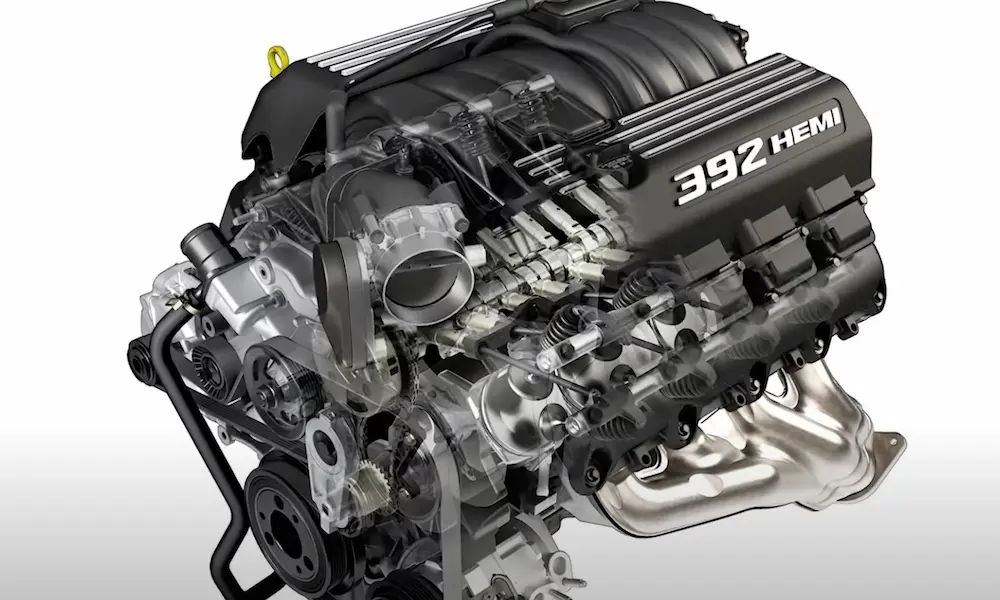
6.4L HEMI V8: Premium Gas Only
If you drive a Scat Pack or SRT8 with the 6.4L HEMI V8, you’ll need to be stricter about your fuel choice. These high-performance models require 91-octane or higher premium gasoline.
The 6.4L engine has a higher compression ratio (10.9:1) and more aggressive tuning that makes it prone to engine knock with lower-octane fuels. When knock occurs, the engine computer will pull timing to protect the engine, resulting in:
- Noticeably reduced horsepower
- Audible engine pinging
- Potentially poor fuel economy
A YouTube test demonstrated that using 87-octane in a Scat Pack caused audible knocking and reduced power output. While modern engines have protections to prevent immediate damage, continued use of low-octane fuel in these high-performance engines isn’t recommended.
Hellcat Models: Premium Is Mandatory
For the supercharged 6.2L HEMI Hellcat models, premium fuel (91+ octane) is absolutely mandatory. The forced induction and high compression in these engines make them extremely sensitive to fuel quality.
Using anything less than premium in a Hellcat could lead to:
- Significant power loss
- Engine knock
- Potential long-term damage
- Voided warranty claims
When you’re driving a car with 700+ horsepower, the extra cost of premium fuel is a small price to pay for protecting your investment.
E85 and Ethanol Blends: Special Considerations
Some Charger owners, especially those with modified engines, turn to E85 (an ethanol blend) for additional performance. E85 has an octane rating equivalent of around 105, which allows for increased boost pressure and power in tuned applications.
However, stock Chargers aren’t designed to run on high ethanol blends without modifications. If you’re interested in running E85, you’d need:
- An aftermarket conversion kit
- Upgraded fuel injectors (often 1000cc or larger)
- Possible fuel pump upgrades
- Professional tuning
E85 can provide 10-12% more horsepower in properly tuned applications, but it also reduces fuel economy by 20-30% due to ethanol’s lower energy content. It’s generally not practical for daily-driven stock Chargers.
The 2024-2025 Dodge Charger: New Engines, New Requirements
The next-generation Charger introduces significant changes to the lineup, including both electric (Daytona R/T and Scat Pack) and gasoline-powered (SIXPACK H.O. and S.O.) options.
The gas models replace the HEMI V8 with a 3.0L Twin Turbo Hurricane inline-6 engine, producing between 420-550 horsepower depending on the trim. While specific octane requirements aren’t explicitly stated in all sources, forced induction engines typically require premium fuel for optimal performance.
The electric Daytona variants, of course, eliminate gasoline requirements entirely—they run on a 400V battery system instead.
Is Premium Gas Worth It For Your Charger?
For V6 owners, the math is clear: stick with 87-octane regular gas. At roughly 50-60 cents more per gallon for premium, you’d spend an extra $450+ annually (assuming a 15-gallon tank filled weekly) with no tangible benefits.
For 5.7L HEMI R/T owners, mid-grade (89 octane) represents a good compromise. The extra cost (about $150 annually over regular) may be worth it for the slight improvements in performance and economy.
For 6.4L Scat Pack and Hellcat owners, premium fuel isn’t optional—it’s necessary. The performance decrease and potential for engine damage make the higher fuel cost a necessary expense of ownership.
Best Practices for Fueling Your Charger
- Follow Dodge’s recommendations: The owner’s manual provides the most accurate guidance specific to your model.
- Use Top-Tier gasoline when possible: Brands like Shell, Chevron, and others include detergent additives that help prevent carbon buildup, particularly important in direct-injection engines. Research shows these additives can help maintain performance over time.
- Be consistent with your fuel: Switching frequently between different octane levels can confuse your engine’s learning algorithm, potentially affecting performance.
- Don’t mix E85 with regular gasoline unless your vehicle is specifically modified and tuned for flex-fuel operation.
- Consider seasonal changes: Some drivers report that their HEMI engines are more sensitive to fuel quality during hot summer months when knock is more likely.
The Cost-Performance Equation
For most Charger owners, the decision comes down to balancing cost against performance. Here’s a simple way to look at it:
| Model | Required Fuel | Recommended Fuel | Performance Impact of Lower Octane |
|---|---|---|---|
| V6 (SXT/GT) | 87 | 87 | None – save your money |
| R/T (5.7L) | 87 | 89 | Slight power loss, minor economy impact |
| Scat Pack/SRT (6.4L) | 91+ | 91+ | Significant power loss, possible knocking |
| Hellcat (6.2L SC) | 91+ | 93+ | Severe power loss, potential damage |
Environmental Considerations
If environmental impact matters to you, consider that ethanol blends like E85 can reduce greenhouse gas emissions by up to 40% compared to pure gasoline. However, the reduction in fuel economy partly offsets this benefit.
The newest electric Charger models represent Dodge’s acknowledgment of the industry’s shift toward electrification, offering muscle car performance with zero tailpipe emissions.
The Bottom Line on Dodge Charger Fuel Types
Your Dodge Charger’s fuel requirements directly reflect its performance potential. From the practical V6 to the earth-shaking HEMI V8s, each engine demands the right fuel to deliver the experience Dodge engineers designed.
By matching your fuel choice to your specific Charger model, you’ll ensure optimal performance, longevity, and the authentic muscle car experience that makes the Charger legendary. Don’t compromise on fuel quality when your Charger’s performance is at stake—give your American muscle the fuel it deserves.