Your Nissan Altima won’t start, and you’re already running late. We get it – few things are more frustrating than turning your key only to hear…nothing. Or maybe it’s cranking but not catching. Either way, you need solutions fast. This guide walks you through the most common reasons your Nissan Altima isn’t starting and provides step-by-step fixes you can try before calling a tow truck.
Is Your Nissan Altima Cranking But Not Starting, or Not Cranking At All?
Before diving into specific repairs, you need to identify what’s actually happening when you try to start your car:
No Crank (Nothing Happens)
- You turn the key or push the button and hear nothing
- No engine turning sounds
- Usually points to battery, wiring, or starter issues
Cranks But Won’t Start
- Engine turns over when you try to start it
- You hear the familiar “rur-rur-rur” sound
- Typically indicates fuel delivery or engine sensor problems
Intermittent Starting Problems
- Sometimes starts fine, sometimes doesn’t
- May point to loose connections or failing components
Identifying which symptom you’re experiencing will help narrow down the likely culprits.
Dead Battery: The #1 Cause of Nissan Altima Starting Problems
When your Altima won’t start, a dead or weak battery is the first thing to check. Battery problems cause approximately 50% of all no-start conditions.
How to Check Your Battery:
- Look for dashboard lights – If they’re dim or don’t light up at all, your battery is likely the culprit.
- Check battery voltage – Using a multimeter, test the battery. A healthy battery should show:
- 12.6V or higher when resting
- No lower than 10V when cranking
- Inspect battery connections – Look for:
- Corrosion (white or greenish powder)
- Loose terminals
- Damaged cables
| Battery Voltage | What It Means |
|---|---|
| 12.6V+ | Fully charged |
| 12.0-12.5V | Partially charged |
| Below 12.0V | Discharged/weak |
Quick Battery Fixes:
- Clean corrosion from terminals using a wire brush and baking soda/water solution.
- Tighten loose connections – A loose battery terminal can mimic a dead battery.
- Jump-start your Altima – If it starts with a jump but dies after turning it off, your battery or alternator is likely failing.
- Check battery age – Most car batteries last 3-5 years. If yours is older, it might need replacement regardless of how it looks.
Starter Motor Problems in Nissan Altimas
If your battery checks out fine but your Altima still won’t crank, the starter motor might be your culprit.
Signs of a Failing Starter:
- Single click sound when turning the key (different from rapid multiple clicks of a weak battery)
- Grinding noise during start attempts
- Intermittent starting – Sometimes works, sometimes doesn’t
DIY Starter Tests:
- Listen carefully – A single loud click when turning the key often indicates a bad starter or solenoid. Multiple rapid clicks usually point back to battery issues.
- Try the tap test – With someone turning the key, gently tap the starter motor with a hammer or wrench. If this makes it start, the starter needs replacement. This works because the light impact can temporarily unstick internal components in a failing starter.
- Check starter connections – Ensure all wires connected to the starter are tight and free of corrosion.
- Bypass the relay – As a temporary diagnostic measure, you can bypass the starter relay. Locate the starter relay in your engine bay fuse box and jump the appropriate terminals. This test can confirm whether the problem is in the starter itself or in the control circuit.
Ignition Switch and Key Problems
Sometimes the issue isn’t with the battery or starter but with the system that tells them to work – your ignition switch.
Symptoms of Ignition Switch Failure:
- Dashboard lights flicker when turning the key
- Car starts then immediately dies
- Key won’t turn or feels stuck
- Accessories don’t power up when key is in the “ON” position
Testing and Fixing Ignition Issues:
- Try a spare key – If you have one, see if it works better. Sometimes the key itself wears out.
- Wiggle test – If wiggling the key while turning sometimes helps it start, your ignition switch is likely worn.
- Check for steering wheel lock – Sometimes the steering wheel locks in a position that prevents the key from turning. Gently turn the steering wheel back and forth while attempting to turn the key.
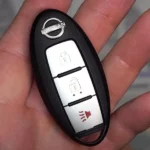
- Look for key fob battery issues – For push-button start Altimas, a dead key fob battery can prevent starting even if the physical key works.
Fuel System Problems Preventing Your Altima from Starting
If your engine cranks normally but won’t fire up, fuel delivery issues are likely suspects.
Diagnosing Fuel Problems:
- Listen for the fuel pump – Turn your key to the “ON” position (not all the way to START) and listen near the back seat for 2-3 seconds. You should hear a brief humming sound as the fuel pump primes. No sound could indicate a blown fuse, bad relay, or pump failure.
- Check fuel-related fuses and relays – Look in your owner’s manual for their location and inspect them for damage.
- Try the starter fluid test – WARNING: Only attempt if you’re comfortable with engine mechanics. Spray a small amount of starter fluid into the air intake while someone cranks the engine. If the engine briefly fires, then dies, you have a fuel delivery problem.
- Fuel pressure check – This requires a special gauge, but Nissan Altimas should have 40-60 psi of fuel pressure. Lower pressure indicates pump or regulator issues.
Security System and Immobilizer Issues in Nissan Altimas
Modern Altimas have anti-theft systems that can sometimes prevent starting even with the correct key.
Signs of Security System Problems:
- Security light blinking or staying on in the dashboard
- Engine cranks but won’t start with no other obvious issues
- Key turns but nothing happens despite good battery
Resetting Your Nissan’s Immobilizer:
- Check if the security light is blinking – A blinking “Security” light indicates the immobilizer is actively preventing starting.
- Try this reset procedure:
- Disconnect the battery
- Depress the brake pedal repeatedly for 30 seconds (discharges capacitors)
- Reconnect battery
- If equipped, insert intelligent key in slot
- Turn key to ON and wait for security light to go out before attempting to start
- Try an alternate key if you have one to rule out a defective key transponder.
- Key programming issues – Sometimes after battery replacement or electrical work, the car “forgets” your key programmed status. A dealer can reprogram it, though some DIY methods exist for certain models and years.
Brake Switch Problems (Push-Button Start Models)
A surprising number of no-start conditions in newer Altimas with push-button start stem from a faulty brake switch.
Symptoms of Brake Switch Failure:
- Dashboard lights come on but engine won’t crank until waiting or pressing brake very hard
- Brake lights don’t illuminate when pedal is pressed
- Push-button won’t respond despite having a charged key fob
Fixing Brake Switch Issues:
- Check your brake lights – Have someone watch while you press the brake pedal. If they don’t light up, your brake switch may be binding or failed.
- Reset the switch – Sometimes you can fix this by wiggling the switch or cleaning the pin. The switch is located under the dash above the brake pedal.
- Replace if necessary – Fortunately, the brake switch is relatively inexpensive ($15-30) and simple to replace. It usually twists out from its mounting bracket above the brake pedal assembly.
Ground Connection and Wiring Problems
Electrical connections, especially grounds, are critical for proper starting. Poor grounds can mimic many other problems.
Finding Ground Issues:
- Check the engine ground strap – Follow the negative cable from the battery to where it connects to the engine block. This connection should be tight and free of corrosion.
- Clean and tighten ground connections – A corroded ground can mimic a dead battery. Loosen, clean, and re-tighten ground connection bolts to renew the connection.
- Inspect for damaged wiring – Look for:
- Frayed wires
- Rodent damage (surprisingly common)
- Harnesses that have rubbed against engine components
- Voltage drop testing – For more thorough diagnosis, you can perform voltage drop tests across ground and power connections.
Sensor Failures Common in Nissan Altimas
Several key sensors can prevent your Altima from starting if they fail.
Critical Sensors to Check:
- Crankshaft Position Sensor – This tells your car’s computer the engine position and speed. When it fails, your Altima may crank but not start.
- Camshaft Position Sensor – Works with the crankshaft sensor to control ignition and fuel injection timing.
Both these sensors are common failure points in Nissan Altimas. When they fail, you might notice:
- Engine cranks normally but won’t start
- Car starts then stalls immediately
- No fuel pump prime sound when key is turned to ON
The good news: these sensors are relatively inexpensive ($15-45 each) and not too difficult to replace. Many mechanics recommend replacing both at the same time since they commonly fail together.
Alternator Issues Affecting Starting
While primarily responsible for charging your battery while driving, a failing alternator can indirectly cause starting problems.
How to Check Your Alternator:
- Voltage test with engine running – A properly functioning alternator should produce 13.5-14.5V. Below this indicates an alternator that’s undercharging and will eventually drain your battery.
- Battery drains overnight – If your Altima starts fine in the evening but is dead by morning (repeatedly), your alternator may not be charging sufficiently.
- Dashboard battery light – Pay attention if this warning light comes on while driving.
- Dim headlights that brighten with increased RPM can indicate alternator problems.
Fuse and Relay Checks for Nissan Altimas
Blown fuses or faulty relays can prevent various systems from working correctly.
Key Fuses and Relays to Check:
- Locate fuse boxes – Nissan Altimas typically have two: one in the engine compartment and another inside the cabin (often on the driver’s side of the dash).
- Check these critical fuses:
- Ignition fuse
- Starter fuse
- Fuel pump fuse
- ECU/ECM fuse
- Test relays by swapping – Many relays in the fuse box are identical. If you suspect a bad relay, try swapping it with another of the same type (like A/C or horn relay) to see if the problem moves or resolves.
- Visual inspection – Look for blown fuses (broken metal strip inside) and signs of heat damage or corrosion on relays.
When to Try the Push-Button Start Slot (Intelligent Key Models)
Newer Altimas with push-button start have a backup method if the key fob isn’t being detected properly.
Using the Emergency Key Slot:
- Locate the key slot – On most models, there’s a slot in the console or near the push-button.
- Remove physical key – Press the release button on your key fob and remove the hidden physical key.
- Insert key in the designated emergency slot.
- Depress brake and push start button as normal.
This bypasses potential wireless communication issues between your key fob and the car’s receivers.
Comprehensive Diagnosis Checklist
When troubleshooting your Altima’s starting problems, work through these steps methodically:
- Battery – Check voltage, connections, age
- Starter – Listen for clicking, try the tap test
- Security system – Look for blinking security light
- Ground connections – Inspect and clean
- Fuel system – Listen for pump prime, check fuses
- Key and ignition – Try spare key, check for binding
- Brake switch (push-button models) – Verify brake lights work
- Critical sensors – Consider crankshaft and camshaft position sensors
- Alternator – Check charging voltage
- Fuses and relays – Inspect all starting-related fuses
By following this structured approach, you can efficiently isolate and fix the cause of your Nissan Altima not starting – potentially saving hundreds in towing and diagnostic fees.
Remember that some issues may require professional diagnostic equipment or access to Nissan’s proprietary systems. Don’t hesitate to seek professional help if these steps don’t resolve your problem, especially if you’ve recently had a “check engine” light or other warning indicators.