Is your Nissan Frontier blowing warm air instead of the icy blast you’re craving? Before you rush to the mechanic, you might be able to fix it yourself. A simple refrigerant recharge could get your truck’s AC blowing cold again in less than 30 minutes with the right tools and know-how.
What You Need to Know About Nissan Frontier AC Recharge
Most Nissan Frontier owners don’t realize how straightforward an AC recharge can be. Your truck’s air conditioning system works by cycling refrigerant through a closed system. Over time, small amounts of this refrigerant can escape, leading to decreased cooling performance.
The good news? You can often restore cooling power by adding the right amount of refrigerant to the system.
Identifying Your Frontier’s Refrigerant Type and Capacity
Before you buy anything, you need to know exactly what refrigerant your truck uses. This isn’t something to guess at.
Look under your Frontier’s hood for the AC system information label. It’s typically a yellow or white sticker near the radiator support or on the underside of the hood. This label tells you:
- The exact type of refrigerant your truck needs
- How much refrigerant the system holds when full
Most Nissan Frontiers manufactured before 2019 use R-134a refrigerant. Newer models (2019+) typically use R-1234yf, which requires different equipment and handling.
Here’s a quick reference table for Nissan Frontier refrigerant capacities:
| Model Years | Refrigerant (R-134a) | Compressor Oil (PAG) |
|---|---|---|
| 1998-2007 | 25.0 oz (710g) | 6.75 oz (192g) |
| 2008-2013 | 26.5 oz (750g) | 6.0 oz (170g) |
| 2014-2018 | 24.64 oz (700g) | 6.0 oz (170g) |
Gathering the Right Supplies
For a successful DIY recharge, you’ll need:
- R-134a refrigerant with gauge and hose (for pre-2019 models)
- Safety glasses and gloves
- Thermometer (to measure vent temperature)
- Clean rag
AC recharge kits that include refrigerant, oil, and a gauge with hose are available at most auto parts stores. For older Frontiers, a standard R-134a kit will work fine.
Finding the Low-Side Service Port
Locating the correct service port is critical. Never attempt to charge through the wrong port!
- Start with your truck’s engine off and cool.
- Open the hood and locate the AC compressor (it’s belt-driven and found at the front of the engine).
- Follow the larger-diameter aluminum line from the compressor toward the firewall.
- The low-pressure service port has a black or blue plastic cap.
The low-side service port is the only one you should use for adding refrigerant. The high-pressure port (which has a red or smaller cap) should never be used for charging and can be dangerous if accessed improperly.
Checking Current Refrigerant Pressure
Before adding refrigerant, you need to know how much your system needs:
- Make sure your truck has been sitting for at least 30 minutes (system pressure stabilizes).
- Connect your gauge to the low-side service port by removing the cap and pushing the quick-connect fitting onto the port.
- Start the engine and turn AC to maximum cool with the fan on high.
- Note the pressure reading on your gauge.
Compare your reading to this temperature-pressure chart for R-134a:
| Ambient Temp (°F) | Expected Low-Side PSI |
|---|---|
| 65°F | 25-35 PSI |
| 70°F | 35-40 PSI |
| 75°F | 35-45 PSI |
| 80°F | 40-50 PSI |
| 85°F | 45-55 PSI |
| 90°F | 45-55 PSI |
| 95°F | 50-55 PSI |
| 100°F | 50-55 PSI |
If your pressure reading is significantly lower than the recommended range for your current ambient temperature, your system likely needs refrigerant.
The Recharging Process
Now that you’ve confirmed your system needs refrigerant, it’s time to add it:
- With the engine running and AC on max cool:
- Shake the refrigerant can vigorously for about 30 seconds.
- Attach the can to the gauge hose according to the kit instructions.
- Turn the valve to begin adding refrigerant in short bursts.
- Stop every 30 seconds to check the pressure gauge.
- Continue until you reach the proper pressure range for your current ambient temperature.
Remember to keep the can upright while charging to ensure both refrigerant and oil enter the system. Tilting or inverting the can will force liquid refrigerant into the system, which can damage your compressor.
Checking Your Progress
As you add refrigerant, you should notice:
- The low-side pressure rising toward the target range
- The AC vents getting progressively colder
- The compressor cycling normally (you’ll hear it engage and disengage)
A properly charged system should blow air that’s approximately 30-45°F cooler than the ambient temperature. You can verify this by using a thermometer at the center vent.
Common Nissan Frontier AC Problems Beyond Low Refrigerant
If your AC still isn’t cooling properly after a recharge, you might have other issues:
Refrigerant Leaks
If the refrigerant level drops quickly after recharging, you likely have a leak. Common leak points include:
- Connection fittings
- Condenser (front of radiator)
- Evaporator (inside dashboard)
- Hoses and lines
Refrigerant leaks often leave oily residue near the leak point. A professional AC service can use dye and UV light to pinpoint leaks.
Compressor Issues
The compressor is the heart of your AC system. If it’s not engaging (you won’t hear a click when you turn on the AC), check:
- Compressor clutch gap
- Electrical connections to the compressor
- Compressor relay and fuse
A failing compressor might also make grinding or squealing noises when running.
Clogged Condenser or Cabin Filter
Your Frontier’s cooling performance can be reduced by:
- Debris blocking the condenser (leaves, bugs, dirt)
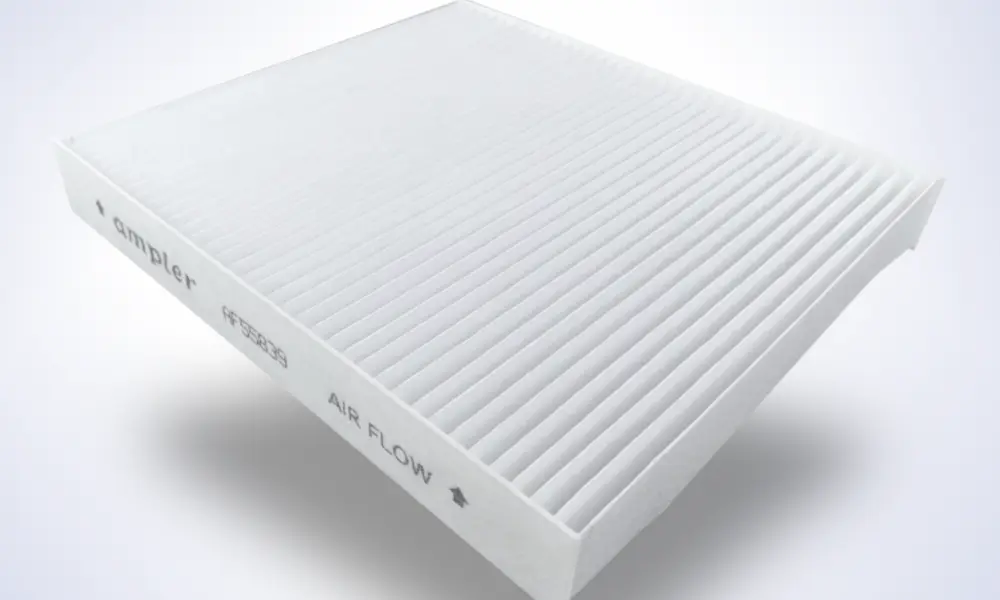
- A clogged cabin air filter restricting airflow
These are easy fixes that can make a big difference in cooling performance.
Maximizing Your Nissan Frontier’s AC Performance
Even after a successful recharge, these tips will help maintain optimal cooling:
- Run the AC regularly (even in winter) to keep seals lubricated
- Clean the condenser fins (front of radiator) of debris
- Replace the cabin air filter annually
- Park in shade when possible
- Use a windshield sun shade when parked
Environmental and Safety Considerations
Refrigerant handling comes with responsibilities:
- Never vent refrigerant to atmosphere (it’s illegal and harmful to the environment)
- Wear gloves and eye protection during the recharge process
- If you suspect a large leak, have a professional recover remaining refrigerant before repairs
- Dispose of empty refrigerant cans according to local regulations
According to the National Highway Traffic Safety Administration, proper refrigerant handling is not just environmentally responsible—it’s the law.
Professional Diagnostics: Know When to Call It Quits
Sometimes DIY isn’t enough. Consider professional service if:
- Your system won’t hold pressure after recharging
- You hear unusual noises from the compressor
- The AC blows cold intermittently
- You’ve added the maximum refrigerant capacity and it’s still not cooling
A full professional AC service includes leak detection, system evacuation (removing all old refrigerant and moisture), and precise recharging to factory specifications.
The Bottom Line on Nissan Frontier AC Recharge
Recharging your Frontier’s AC can save you significant money compared to a shop visit. With the right tools and careful attention to pressure readings, most owners can successfully restore their truck’s cooling performance in under an hour.
Just remember—refrigerant doesn’t simply “wear out.” If your system needs frequent recharges, you have a leak that should be addressed before it causes more expensive damage.
Stay cool out there!