Is your Nissan Rogue blowing warm air instead of the crisp, cold breeze you need? Your AC system might need a refrigerant recharge. This common maintenance task can save you hundreds at the mechanic if you’re comfortable doing it yourself. Let’s walk through everything you need to know about recharging your Nissan Rogue’s AC system properly and safely.
What You Need to Know About Nissan Rogue AC Refrigerant
Before grabbing your tools, you need to identify the correct refrigerant type for your Rogue. Nissan made an important change a few years back:
- 2008-2018 Rogues: Use R-134a refrigerant
- 2019 and newer Rogues: Use R-1234yf refrigerant
Using the wrong refrigerant can seriously damage your AC system and lead to costly repairs. Always check the label under your hood to confirm your specific model’s requirements.
Refrigerant Capacity by Model Year
Different model years have slightly different refrigerant capacities:
| Model Year | Refrigerant Type | Capacity | Oil Type and Amount |
|---|---|---|---|
| 2008-2013 | R-134a | 18 oz (510g) | PAG-46, 5 oz |
| 2014-2018 | R-134a | 17.6 oz (499g) | PAG-46, 3.7-5 oz |
| 2019+ | R-1234yf | 17.6 oz (500g) | PAG oil (per label) |
Don’t overfill! Adding too much refrigerant can damage your compressor and reduce cooling performance.
Tools and Materials You’ll Need
Here’s your shopping list before starting your nissan rogue ac recharge:
- Refrigerant can (R-134a or R-1234yf, depending on your model)
- AC recharge hose with pressure gauge
- PAG-46 oil (if your system needs an oil top-up)
- Safety glasses and gloves
- UV leak detection kit (optional but recommended)
- Digital thermometer (to check vent temperature)
Most auto parts stores carry DIY recharge kits in the $40-60 range, which include the refrigerant can and a gauge hose.
How to Check If Your AC Needs Recharging
Before adding refrigerant, make sure your system actually needs it:
- Start your engine and set AC to maximum cooling with highest fan speed
- Check air temperature from center vents (should be 35-45°F when working properly)
- Look for these signs of low refrigerant:
- Air isn’t cold enough
- AC cycles on and off frequently
- Visible frost on AC lines
Step-by-Step Nissan Rogue AC Recharge Process
1. Find the Low-Pressure Service Port
The low-side port is the crucial connection point for your recharge. In the Nissan Rogue, you’ll find it on the larger AC line between the evaporator and compressor. It has a plastic cap marked with an “L” or “LOW.”
Remove this cap carefully and keep it safe—you’ll need to replace it later.
2. Check for Leaks (Recommended)
If your system keeps losing refrigerant, you likely have a leak. Before recharging:
- Add UV dye to the system (many recharge kits include this)
- Run the AC for 15-20 minutes
- Use a UV light to check for fluorescent traces indicating leak points
- Small leaks can be fixed with sealant included in some kits, but larger leaks require professional repair
3. Prepare Your Recharge Hose and Can
Follow these steps to set up your equipment:
- Make sure your car is off
- Attach the recharge hose to the refrigerant can following the kit instructions
- Purge air from the hose (follow kit instructions)
- Connect the hose’s quick-connect fitting to the low-pressure port by pulling back the outer ring, pushing it onto the port, and releasing the ring
4. Start the Recharge Process
Now you’re ready to add refrigerant:
- Start the engine and set the AC to max cool, highest fan speed
- For R-134a systems, keep the can upright for vapor charging
- Squeeze the trigger or open the valve on your recharge hose
- Add refrigerant slowly, in short bursts of 5-10 seconds
- Check the pressure gauge between bursts (target pressure varies by outside temperature, but typically 25-35 psi on the low side)
- Stop when you reach your model’s specific capacity or when the gauge shows proper pressure
5. Monitor System Performance
During and after recharging:
- Watch the pressure gauge carefully
- Measure the vent temperature (should drop to 35-45°F)
- Listen for smooth compressor operation (no clicking or grinding)
- If the compressor cycles rapidly, you may have overcharged—bleed off a small amount
6. Complete the Job
When finished:
- Disconnect the recharge hose from the low-pressure port
- Replace the port cap securely
- Check for any refrigerant leakage around connections
- Test AC operation at various fan speeds
DIY vs. Professional Recharge: Cost Comparison
Doing a nissan rogue ac recharge yourself can save significant money:
| Service | DIY Cost | Professional Cost |
|---|---|---|
| Basic Recharge | $40-60 | $233-313 |
| With Leak Test | $60-80 | $280-360 |
| With Evacuation | Not DIY-friendly | $300-400 |
Professional service includes evacuation, leak testing, and precise filling, which explains the higher cost. According to RepairPal, you can expect to pay $171-251 for labor and about $63 for parts at a shop.
Special Considerations for R-1234yf Systems (2019+ Models)
Newer Rogues with R-1234yf systems require special attention:
- R-1234yf is significantly more expensive than R-134a
- The service ports look different to prevent cross-contamination
- This refrigerant is slightly flammable, so take extra precautions
- Many DIYers find professional service more cost-effective for R-1234yf systems due to specialized equipment requirements
Common Problems During AC Recharge
Watch out for these issues:
Pressure Reading Too Low Even After Adding Refrigerant
This often indicates:
- Major leak in the system
- Failed compressor
- Blockage in the system
Pressure Reading Too High
This suggests:
- System overcharged
- Cooling fan problems
- Restricted airflow through condenser
AC Works Temporarily Then Blows Warm Again
Likely causes:
- Slow leak in the system
- Partially clogged expansion valve
- Failing compressor clutch
Environmental and Safety Considerations
Remember these important points:
- Refrigerant release into the atmosphere is illegal and harmful to the environment
- Wear gloves and eye protection during the recharge process
- Keep refrigerant cans away from heat sources
- Never mix refrigerant types
- If you suspect a large leak or system damage, take your Rogue to a professional
Regular Maintenance to Extend AC System Life
To keep your Nissan Rogue’s AC running smoothly:
- Recharge only when necessary (every 3-5 years is typical)
- Run your AC system weekly, even in winter
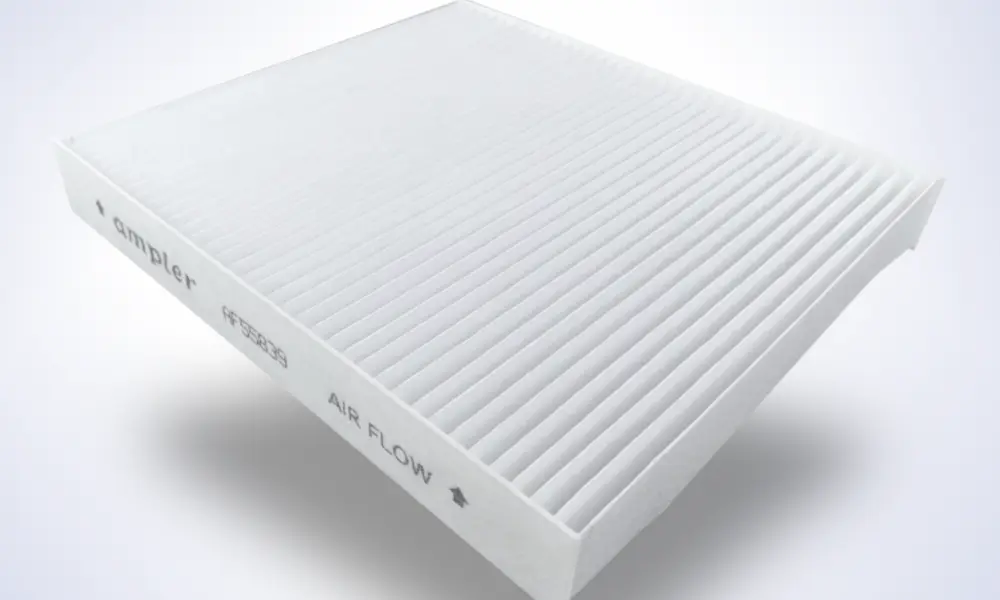
- Replace the cabin air filter annually
- Keep the condenser clean and free of debris
- Address strange noises or performance issues promptly
Maintaining your Nissan Rogue’s AC system properly not only keeps you comfortable but also prevents more expensive repairs down the road. With the right tools and careful attention to detail, a DIY nissan rogue ac recharge is a manageable task that can save you hundreds of dollars and provide the satisfaction of a job well done.
Just remember: when in doubt, especially with newer R-1234yf systems or if you suspect major problems, consulting a professional technician is the safest choice for your vehicle and your wallet in the long run.