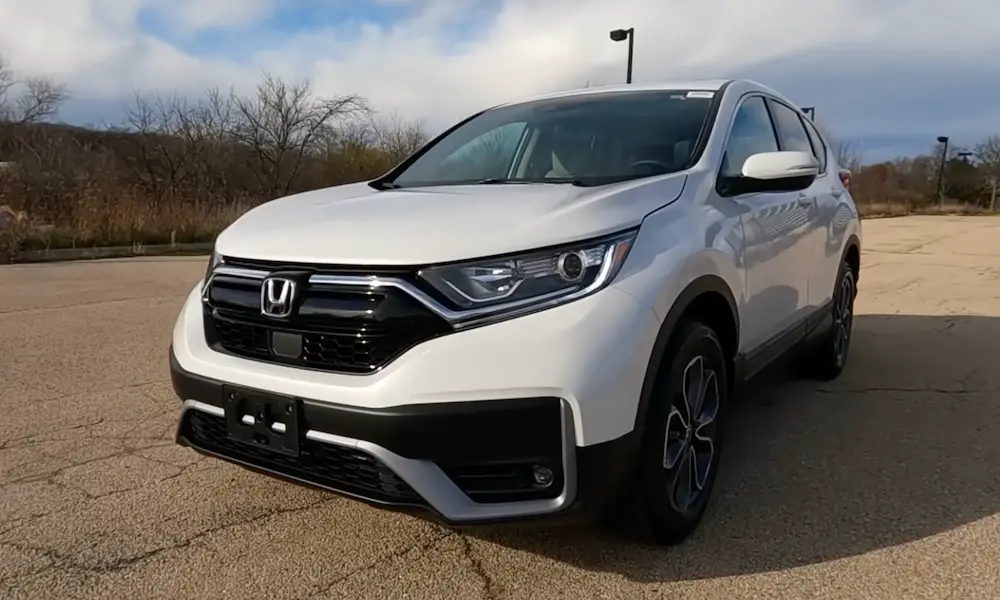
Is your Honda CR-V blowing warm air instead of the cool breeze you desperately need? You might be experiencing one of the many common air conditioner issues that have plagued these popular SUVs across multiple generations. From minor refrigerant leaks to catastrophic compressor failures, these problems can leave you sweating during summer drives and facing potentially expensive repairs.
The Infamous “Black Death” Syndrome in Second-Generation CR-Vs (2002-2006)
If you own a 2002-2006 Honda CR-V, you might already be familiar with the dreaded “Black Death” phenomenon. This isn’t just a minor malfunction—it’s a complete system disaster.
“Black Death” occurs when your AC compressor’s internal components disintegrate, sending metal particles throughout the entire air conditioning system. These tiny metal fragments mix with the lubricating oil, creating a thick black sludge that clogs the narrow passages in your AC system. The contamination is so thorough that it’s nearly impossible to clean completely.
Watch for these warning signs:
- Your AC compressor seizes up suddenly
- You’ve had AC repairs but the problem keeps coming back
- You notice black sludge when the system is serviced
- There’s grinding or unusual noises coming from the compressor area
What makes “Black Death” so expensive to fix is that you can’t just replace the compressor. The entire AC system needs replacement, including:
| Component | Function | Why It Needs Replacement |
|---|---|---|
| Compressor | Pressurizes refrigerant | Source of metal debris |
| Condenser with drier | Cools and condenses refrigerant | Contaminated with metal particles |
| Expansion device | Controls refrigerant flow | Clogs with debris |
| Evaporator | Removes heat from cabin air | Internal passages contaminated |
| AC hoses | Carry refrigerant | Lined with debris |
The cost for a complete system replacement can range from $2,000 to $3,000 or more at dealerships—a significant expense for an older vehicle.
Third-Generation (2007-2011) CR-V Compressor Issues
If you drive a third-generation CR-V, your AC compressor remains the number one problem. The internal components tend to fail, requiring complete replacement. The compressor’s awkward location—”way down at the bottom of the motor, below the alternator”—makes access difficult and repairs expensive.
Common symptoms include:
- Intermittent cooling
- Unusual noises when the AC is running
- Complete loss of cool air
Repair costs typically range from $870 to over $1,500 depending on where you get the work done and whether you’re using OEM or aftermarket parts.
Fourth and Fifth Generation (2012-2022) Warranty Extensions
Newer CR-V models face different but equally frustrating AC issues, primarily with the compressor shaft seal. Honda has actually acknowledged these problems through multiple warranty extensions.
For 2017-2022 CR-V models, Honda extended the AC compressor shaft seal warranty from the standard 3 years to a generous 10 years with no mileage limitation. This issue stems from North American refrigerant regulations requiring R1234yf refrigerant and different oil, which causes the compressor shaft seal to swell and wear abnormally.
Additionally, Honda extended the condenser warranty to 10 years for 2018-2020 models due to persistent refrigerant leak issues.
Identifying CR-V AC Problems: Key Symptoms
How do you know if your CR-V’s air conditioner is failing? Watch for these telltale signs:
-
No cold air or warm air blowing from vents: This is often the first sign something’s wrong.
-
Refrigerant leaks: The most common cause of cooling problems. You might notice oily residue around AC components or hose connections.
-
Unusual noises: Any grinding, clunking, or whining sounds from the engine bay when the AC is running could indicate compressor problems.
-
Intermittent operation: Does your AC work sometimes but not others? This could indicate a failing compressor clutch or electrical issues.
-
Weak airflow with poor cooling: This combination might point to multiple issues including a clogged expansion valve or evaporator.
What You’ll Pay: Repair Costs Breakdown
AC repair costs vary significantly based on the model year and extent of damage:
| Repair | Average Cost | Notes |
|---|---|---|
| Basic AC recharge | $372 | Temporary fix if system is leaking |
| AC compressor replacement | $870-$1,780 | Depends on model year |
| Complete system replacement | $2,000-$3,000+ | Required for “Black Death” cases |
| Condenser replacement | $500-$800 | Common for refrigerant leaks |
Check Your Warranty Coverage
Before paying out of pocket, check if your CR-V is covered under Honda’s warranty extensions:
- 2016-2021 Civic and 2017-2022 CR-V: 10-year warranty on AC compressor shaft seal with no mileage limitation
- 2018-2020 Honda models: 10-year warranty on condenser for refrigerant leaks
Many Honda owners have reported receiving 100% coverage for repairs even when slightly outside the warranty period if they’re persistent with dealerships. It’s worth checking your vehicle’s VIN with Honda customer service to confirm eligibility.
Preventing AC Failure: What You Can Do
While some Honda CR-V AC failures stem from design issues, you can take preventive steps:
-
Maintain regular service intervals: Having your AC system professionally inspected annually can catch leaks before they cause major damage.
-
Keep air filters clean: Clogged cabin air filters restrict airflow and make your AC work harder.
-
Run your AC regularly: Even in winter, run your AC for 10 minutes weekly to keep seals lubricated.
-
Address unusual noises immediately: If you hear grinding or squealing when the AC is on, turn it off and get it checked. Continuing to run a failing compressor can spread metal particles throughout the system.
-
Park in the shade when possible: Reducing heat load on your car helps your AC system work more efficiently and last longer.
Professional Repairs vs. DIY
While some car problems are DIY-friendly, AC system repairs generally aren’t. Here’s why professionals should handle your Honda CR-V’s AC problems:
- Specialized equipment is required for proper refrigerant recovery and recharging
- System evacuation and charging procedures must be precise
- There are safety concerns with handling pressurized refrigerant systems
- Improper repairs can void your warranty coverage
- Environmental regulations require proper handling of refrigerants
If your CR-V is experiencing AC problems, take it to a Honda dealership or certified AC repair specialist who has experience with Honda’s specific issues.
Most Common Issue: Refrigerant Leaks
The most frequent cause of Honda CR-V cooling problems is refrigerant leaks. Unlike older refrigerants, modern refrigerants contain special dyes that make leaks easier to detect with UV lights.
Common leak points include:
- Condenser (particularly vulnerable to road debris)
- Hose connections and fittings
- Compressor shaft seal
- Evaporator core (difficult to access as it’s inside the dashboard)
A professional diagnostician will use special equipment to find the exact source of leaks before recommending repairs.
Compressor Failure Warning Signs
Your CR-V’s AC compressor typically gives warning signs before it fails completely:
-
Clutch issues: The compressor clutch may engage and disengage rapidly, causing noticeable clicking sounds.
-
Reduced cooling: Cooling performance gradually decreases as the compressor loses efficiency.
-
Unusual noises: Grinding, squealing, or rattling when the AC is running suggests internal damage.
-
Visible damage: Oil leaks around the compressor or visible damage to the pulley or clutch.
If you notice these symptoms, getting immediate attention can prevent the cascade of damage that leads to complete system failure.
Systemic Problem Across Multiple Model Years
Honda CR-V air conditioning problems represent a significant reliability issue across multiple generations. While Honda has addressed some concerns through warranty extensions, the frequency and persistence of these problems suggest underlying design issues.
For potential CR-V buyers, it’s worth researching whether a used model has had its AC system replaced or repaired. For current owners, staying vigilant about maintenance and addressing problems early can help avoid the most expensive repair scenarios.
Understanding these common issues helps you make informed decisions about maintenance, repairs, and whether your vehicle qualifies for warranty coverage—potentially saving you thousands in unexpected repair costs.