When you push the AC button in your Chevy Traverse and the snowflake indicator blinks 6 times, it’s not just annoying – it’s your vehicle trying to tell you something important. This specific blinking pattern is a diagnostic signal that indicates your AC system has detected a problem and has temporarily disabled itself. If you’re dealing with this issue, especially during hot weather, you need a quick solution. Let’s dive into what’s causing those 6 blinks and how you can get your cool air flowing again.
What Does the 6-Blink Warning Mean on a Chevy Traverse?
When your Chevy Traverse AC light blinks 6 times, it means the HVAC control module has detected a fault in the air conditioning system. This is a safety feature designed to protect your AC compressor from damage. After trying unsuccessfully to engage the system, the module disables the AC operation until the underlying issue is fixed.
The 6-blink pattern is specific and deliberate. Your vehicle’s computer makes six attempts to verify safe operating conditions, and when it fails each time, it issues the warning and shuts down the AC function to prevent further damage.
Common Causes for Chevy Traverse AC Light Blinking 6 Times
Low Refrigerant Level
The most frequent cause of the 6-blink warning is low refrigerant pressure. When refrigerant levels drop below a certain threshold, the low-pressure switch opens and prevents the compressor from engaging. This triggers the six-blink warning as a protective measure.
Signs of low refrigerant include:
- AC blowing warm air before the blinking starts
- Hissing sounds from your AC system
- Visible oil spots near AC components (indicating a leak)
After proper refrigerant recharge, you’ll need to clear the fault code before normal operation can resume.
Failing AC Compressor or Clutch
If your compressor or its clutch assembly is failing, the system can’t build proper pressure. When you press the AC button, the control module tries to engage the compressor, but if it fails to do so after six attempts, it triggers the blinking warning.
The compressor clutch may click without fully engaging, or you might not hear any sound at all when the AC is activated.
Electrical System Problems
Electrical issues are another common culprit behind the 6-blink warning. These can include:
- Blown fuses related to the AC system
- Damaged wiring harnesses
- Corroded connectors
- Failed AC relay
When electrical components fail, they interrupt the signal pathway between your controls and the AC components, triggering the protective 6-blink shutdown.
Faulty Pressure or Temperature Sensors
Modern AC systems rely on multiple sensors to monitor system conditions. If any of these sensors malfunction, they can report incorrect values to the control module.
The pressure sensors (both high and low side) are particularly important. If they’re out of calibration or have failed completely, the module receives inaccurate information about system pressures and disables the AC as a precaution.
Diagnostic Steps for Chevy Traverse AC Light Blinking Issue
Check Refrigerant Levels First
Since low refrigerant is the most common cause, start here:
- With the engine cool, locate the low and high-pressure service ports (usually on the AC lines – one larger, one smaller)
- Connect a manifold gauge set to measure system pressure
- Compare readings to the specifications in your service manual – typically around 25-45 psi on the low side with the engine running and AC on
If pressure is low, you’ll need to:
- Check for leaks using an AC dye or electronic leak detector
- Have the system evacuated and recharged to the correct level by a professional
Inspect the Compressor Clutch
To check if your compressor clutch is functioning:
- Start your Traverse and turn the AC on
- Look at the front of the compressor (located on the engine, driven by a belt)
- The clutch plate should move inward and start spinning with the pulley
- If it doesn’t engage or makes unusual noises, the clutch assembly may need replacement
Examine Electrical Connections
For electrical issues:
- Check the AC-related fuses in both the under-hood and cabin fuse boxes
- Inspect the compressor’s electrical connector for corrosion or looseness
- Test the AC relay by swapping it with an identical relay (if your fuse box has one)
- Look for any pinched or damaged wiring near the compressor and along the harness routes
Scan for Diagnostic Trouble Codes
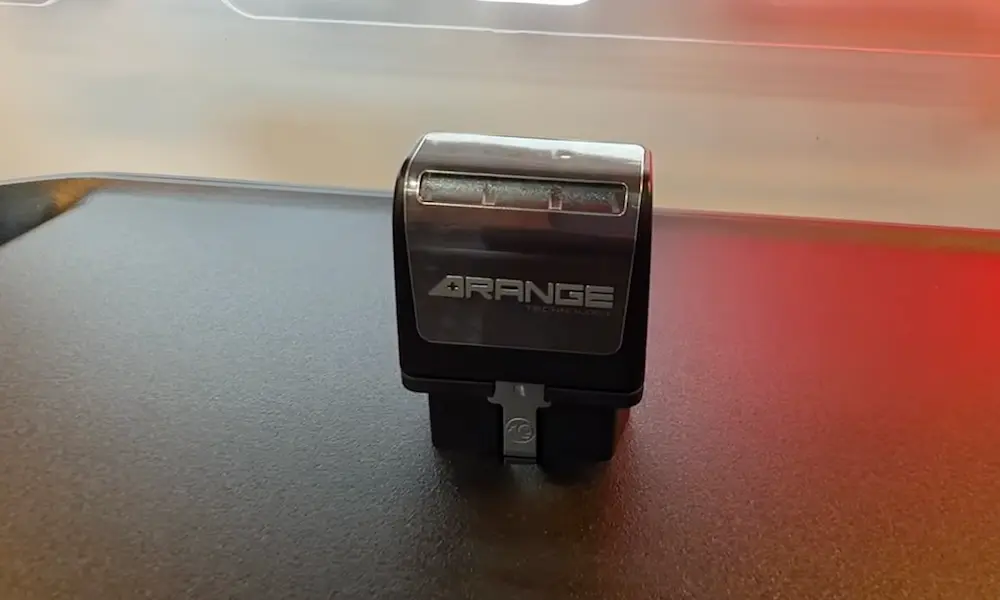
Using an OBD-II scanner with enhanced capabilities:
- Connect the scanner to the OBD-II port under your dash
- Navigate to the HVAC or Body Control Module section
- Scan for any stored diagnostic trouble codes
- Record these codes for reference when making repairs
Modern scanners can read HVAC-specific codes that can pinpoint exactly which component is causing the issue.
Advanced Troubleshooting for the 6-Blink AC Warning
Testing Pressure Switches and Sensors
If basic checks don’t resolve the issue, you’ll need to test the pressure switches:
- Disconnect the electrical connector from the low-pressure switch (usually on the accumulator or dryer)
- Use a multimeter to check for continuity across the switch terminals
- The switch should show continuity when pressure is normal and open circuit when pressure is too low
- Similarly, test the high-pressure switch (usually on the discharge line)
System Voltage Analysis
Low system voltage can also trigger AC system shutdowns:
- Check battery voltage (should be 12.6V when off, 13.5-14.5V when running)
- Measure voltage at the compressor clutch connector when AC is turned on
- If voltage is present but clutch doesn’t engage, the clutch may be faulty
- If no voltage reaches the clutch, trace the circuit back to identify the break
Resetting the Chevy Traverse AC System
After making repairs, you’ll need to reset the AC control module:
Battery Reset Method
- Turn off the ignition
- Disconnect the negative battery terminal
- Wait at least 30 seconds (some technicians recommend 15 minutes for full system discharge)
- Reconnect the battery
- Start the vehicle and test the AC
Scan Tool Reset
For a more direct approach:
- Connect a compatible scan tool
- Access the HVAC control module
- Clear all stored codes
- Perform a system reset function if available
- Some vehicles may require a specific reboot procedure for the infotainment and climate control systems
DIY vs. Professional Repair Considerations
| Repair Task | DIY Difficulty | Special Tools Required | Average Professional Cost |
|---|---|---|---|
| Checking refrigerant | Moderate | Manifold gauge set | $75-150 (diagnostic) |
| Adding refrigerant | Moderate | Gauge set, refrigerant | $150-300 |
| Replacing relay/fuse | Easy | Basic hand tools | $50-150 |
| Repairing wiring | Moderate | Electrical tools | $100-300 |
| Replacing compressor | Difficult | AC tools, recovery machine | $800-1,500 |
| Replacing sensors | Moderate | Scanner, hand tools | $200-400 |
What You Can Tackle Yourself
With basic mechanical skills, you can:
- Check and replace fuses
- Inspect visible wiring for damage
- Add refrigerant (with proper gauge set)
- Reset the system via battery disconnect
When to Seek a Professional
Consider professional help when:
- You need refrigerant recovery (required by law before opening the system)
- The compressor needs replacement
- You can’t locate the leak
- You’ve made basic repairs but the 6-blink warning persists
Preventing Future AC Problems in Your Chevy Traverse
Regular Maintenance Schedule
Implement these preventive measures to avoid future AC issues:
- Run your AC system at least once a week, even in winter (helps maintain seals)
- Have the system inspected annually before hot weather arrives
- Replace the cabin air filter according to the maintenance schedule (typically every 15,000-30,000 miles)
- Keep the condenser clean and free of debris (located in front of the radiator)
Early Warning Signs to Watch For
Pay attention to these indicators before they trigger the 6-blink warning:
- Gradually decreasing cooling performance
- Unusual noises when the AC is running
- AC works intermittently
- Musty or sweet smells from the vents
Cost Comparison: Chevy Traverse AC Repairs
| Component | Part Cost Range | Labor Hours | Total Repair Range |
|---|---|---|---|
| Refrigerant recharge | $50-100 | 0.5-1 | $100-250 |
| Pressure switch | $30-80 | 0.5-1 | $80-200 |
| AC relay | $15-40 | 0.5 | $60-150 |
| Compressor | $300-600 | 2-3 | $500-1,000 |
| Complete system rebuild | $600-1,200 | 4-6 | $1,000-1,800 |
Common AC Problems Specific to Chevy Traverse Models
The Chevy Traverse has some model-specific AC issues worth noting:
2009-2014 Models
Earlier Traverse models (2009-2014) often experience:
- Compressor failure around 80,000-120,000 miles
- Leaking evaporator cases
- Control module glitches requiring system resets
2015-2017 Models
Mid-generation Traverses commonly have:
- Electronic valve issues
- Refrigerant leaks at the condenser
- Pressure sensor failures causing false readings
2018-Present Models
Newer Traverse vehicles may experience:
- Integration issues between climate control and infotainment systems
- More complex electronic diagnostics requiring dealer-level tools
- Higher repair costs due to integrated components
Common Questions About Chevy Traverse AC Light Blinking 6 Times
Can I drive with the AC light blinking 6 times?
Yes, you can still drive your vehicle safely, but the AC system won’t function until the underlying issue is resolved. The warning doesn’t affect engine performance or other critical systems.
Will adding refrigerant fix the 6-blink warning?
If low refrigerant is the only issue, adding the correct amount may fix the problem. However, you’ll still need to reset the system afterward. Also, if there’s a leak causing the low refrigerant, it will eventually return unless the leak is repaired.
How much does it cost to fix the Chevy Traverse AC 6-blink problem?
Costs vary widely based on the underlying cause:
- Simple fixes like relay replacement: $75-150
- Refrigerant recharge after fixing leaks: $150-300
- Compressor replacement: $800-1,500
- Complete system overhaul: $1,000-2,000
Can weather conditions trigger the 6-blink warning?
Extreme temperatures can sometimes trigger pressure-related warnings. On very hot days (above 95°F), high-side pressures can exceed normal limits. Similarly, attempting to use the AC when it’s below 40°F outside might trigger low-pressure warnings. However, the system is designed to work in most normal weather conditions.
Real-World Experiences from Chevy Traverse Owners
Many Traverse owners report success with simple fixes. One owner on Reddit shared that after battling the 6-blink issue for weeks, a simple pressure sensor replacement resolved the problem. Another owner on CarGurus described how a refrigerant recharge and system reset fixed their issue without major repairs.
However, some cases require more extensive work. On the Silverado Sierra forums (which share some AC components with the Traverse), several owners reported needing complete compressor replacement after experiencing similar symptoms.
The key takeaway from these real-world experiences is that proper diagnosis is essential before replacing expensive components. Many owners waste money replacing the compressor when a sensor or wiring issue was the actual cause.