Are you trying to figure out when to service your Nissan Rogue? Keeping up with regular maintenance isn’t just about preventing breakdowns—it’s about protecting your investment. With the right service schedule, your Rogue can run reliably for 150,000+ miles. This guide breaks down exactly what your Nissan Rogue needs and when, so you can avoid costly repairs and keep your crossover performing at its best.
Basic Maintenance: The Foundation of Nissan Rogue Care
Oil Change Intervals: The Lifeblood of Your Engine
Your Nissan Rogue’s engine type determines how often you need oil changes:
- Standard 2.5L engine: Every 5,000 miles or 6 months
- 1.5L turbocharged engine: Every 3,750 miles or 6 months
Many mechanics recommend sticking with the 5,000-mile interval regardless of engine type. This gives you a safety buffer and ensures your engine stays properly lubricated. Using full synthetic oil can improve protection, but don’t stretch the interval too far beyond recommendations.
If you frequently drive in stop-and-go traffic, extreme temperatures, or dusty conditions, you’ll want to change your oil more often—closer to every 3,000-4,000 miles. Fresh oil is much cheaper than a new engine!
Tire Rotation: Ensuring Even Wear
Regular tire rotations extend tire life and maintain balanced handling. For most Nissan Rogues, you should rotate tires:
- Standard models: Every 5,000 miles (with oil changes)
- 1.5L turbo models: Every 3,750 miles
- AWD models: Consider more frequent rotations (every 3,000-5,000 miles)
AWD Rogues benefit from more frequent rotations because the all-wheel-drive system creates different wear patterns. A good rule of thumb: rotate your tires with every oil change to simplify your maintenance schedule.
Critical Service Milestones For Your Nissan Rogue
15,000-Mile Service: First Major Checkpoint
When your odometer hits 15,000 miles, schedule these services:
- Replace cabin air filter
- Inspect Nissan Intelligent Key battery
- Check all fluid levels
- Inspect brake pads and rotors
- Comprehensive multi-point inspection
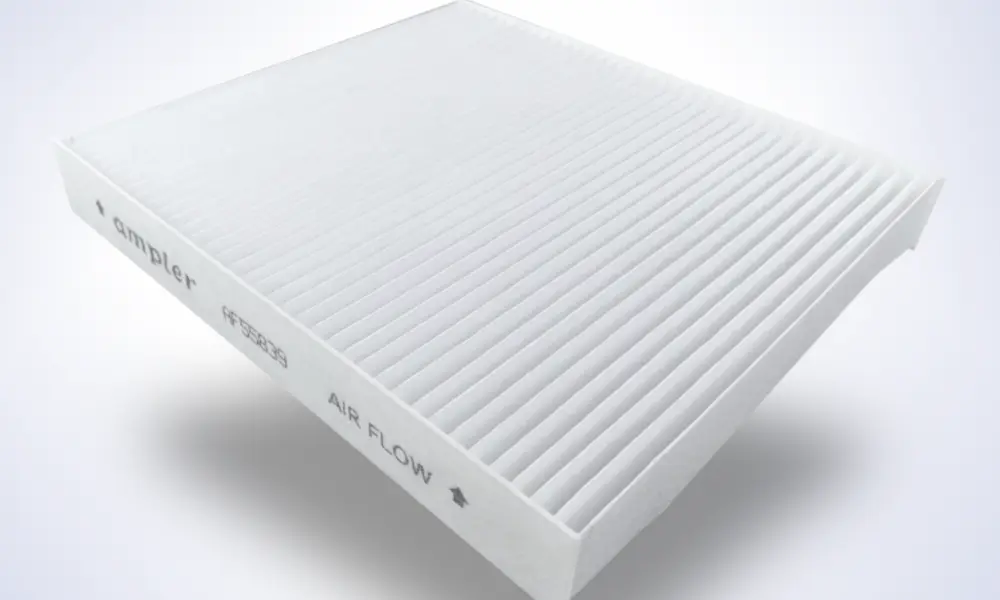
The cabin air filter is particularly important if you have allergies or frequently drive in dusty or polluted areas. Some owners replace it every six months rather than waiting for the 15,000-mile mark.
30,000-Mile Service: Comprehensive Care
The 30,000-mile service is more extensive and includes:
- Replace engine air filter
- Replace cabin air filter (second replacement)
- Replace Nissan Intelligent Key battery
- Inspect CVT fluid condition
- Comprehensive brake system inspection
- Check for any service campaigns or recalls
This service typically costs $250-450 depending on your location and whether you use the dealership or independent shop. The engine air filter replacement is crucial for maintaining fuel economy and performance.
60,000-Mile Service: Major Maintenance Milestone
This is one of the most significant service intervals for your Rogue, including:
- CVT fluid replacement (critical for transmission longevity)
- Spark plug replacement (most models)
- Drive belt inspection/replacement
- Coolant system service
- Comprehensive brake inspection
- All filters replaced
The 60,000-mile service typically runs $800-1,500 at the dealership, making it the most expensive regular maintenance visit. However, it’s absolutely worth the investment to prevent the much higher cost of a transmission failure.
Many owners underestimate the importance of CVT fluid replacement. While Nissan officially recommends changing it at 60,000 miles, many experienced technicians suggest doing it every 30,000 miles for better long-term reliability.
Transmission Care: Protecting Your CVT
CVT Fluid Service: More Important Than You Think
The Continuously Variable Transmission (CVT) in your Nissan Rogue requires special attention:
- Inspection interval: Every 7,500-10,000 miles
- Official replacement interval: Every 60,000 miles
- Recommended by many technicians: Every 30,000 miles
Here’s why CVT maintenance matters so much: replacement transmissions can cost $4,000-7,000. Regular fluid changes cost around $250-350 and can prevent costly failures.
| Driving Conditions | Recommended CVT Fluid Change Interval |
|---|---|
| Normal driving | 30,000-60,000 miles |
| Severe conditions | 30,000 miles |
| Towing regularly | 30,000 miles |
| High heat/humidity | 30,000 miles |
The CVT’s reliability improves significantly with proper fluid maintenance. Don’t skip this service, especially if you plan to keep your Rogue beyond 100,000 miles.
Signs Your CVT Needs Attention
Watch for these warning signs between scheduled services:
- Delayed engagement when shifting from park
- Shuddering or vibration during acceleration
- Unusual noises during acceleration
- Slipping feeling during acceleration
- CVT warning light on dashboard
If you notice any of these symptoms, get your CVT checked immediately—don’t wait for the next scheduled service.
Brake System Maintenance: Safety First
Brake Fluid: Replace More Often Than You Think
Nissan recommends replacing brake fluid every 20,000 miles or 24 months, whichever comes first. This might seem frequent compared to other manufacturers, but it’s critical for several reasons:
- Brake fluid absorbs moisture over time
- Contaminated fluid reduces braking performance
- Moisture in the system can cause internal corrosion
- Fresh fluid maintains consistent pedal feel
A brake fluid replacement typically costs $100-200 and is worth every penny for your safety. Don’t skip this service even if your brakes seem to be working fine.
Brake Pad and Rotor Care
Your brake inspection schedule should follow this pattern:
- Basic inspection: Every 5,000 miles (with oil changes)
- Comprehensive inspection: Every 10,000-20,000 miles
- Typical replacement interval: 30,000-70,000 miles
Front brake pads typically wear faster than rear pads. Replacement costs vary widely:
- Economy brake pads and rotors: $300-500 per axle
- Premium/dealer components: $500-800 per axle
Regular inspections catch wear issues before they become safety hazards or damage other components.
Air Filtration: Breathing Room for Your Rogue
Engine Air Filter: Performance Protection
The engine air filter should be replaced every 30,000 miles under normal conditions. However, if you drive in dusty areas or on unpaved roads, check it more frequently—perhaps every 15,000 miles.
A clean air filter:
- Improves fuel economy
- Maintains engine performance
- Reduces emissions
- Prevents contamination of engine components
This is an easy DIY maintenance item that costs about $20-40 for the part alone, or $50-100 if done at a service center.
Cabin Air Filter: For Your Comfort
Replace your cabin air filter every 15,000 miles or more frequently if you:
- Have allergies or respiratory issues
- Drive in areas with poor air quality
- Notice reduced airflow from vents
- Detect unpleasant odors from the HVAC system
Many Rogue owners replace their cabin filters every six months rather than waiting for the 15,000-mile mark, especially if they have allergies. It’s another easy DIY job that costs $15-30 for the filter.
Spark Plug Maintenance: Firing On All Cylinders
Spark plug replacement intervals vary by engine and model year:
- Most Nissan Rogue models: Every 60,000-105,000 miles
- Earlier replacement recommended: 60,000-75,000 miles
While Nissan’s official interval extends to 105,000 miles for some models, many technicians recommend earlier replacement. Spark plugs that remain in place too long can become difficult to remove and may break during extraction.
Signs your spark plugs might need early replacement:
- Rough idling
- Difficulty starting
- Decreased fuel economy
- Engine misfires
- Check engine light
A full spark plug replacement costs approximately $200-400 depending on your engine type and whether you use iridium, platinum, or standard plugs.
Dealing With Severe Driving Conditions
What Counts as “Severe” Driving?
Your Nissan Rogue is subjected to severe conditions if you regularly:
- Drive short trips (under 5 miles)
- Drive in stop-and-go traffic
- Drive in extreme hot or cold weather
- Tow trailers or carry heavy loads
- Drive on unpaved or dusty roads
- Idle for extended periods
Most of us actually fall into the “severe driving conditions” category without realizing it.
Modified Maintenance for Tough Conditions
If you drive in severe conditions, adjust your service intervals:
- Oil changes: Every 3,000-4,000 miles
- CVT fluid inspection: Every 5,000 miles
- CVT fluid replacement: Every 30,000 miles
- Air filters: Check every 10,000 miles
- Brake inspections: Every 5,000 miles
The additional maintenance cost is worth it—you’ll spend less in the long run by preventing major repairs.
Long-Term Maintenance: Beyond 100,000 Miles
As your Nissan Rogue ages, additional maintenance items become important:
90,000-Mile Service
At 90,000 miles, consider these additional services:
- Cooling system flush and refill
- Power steering fluid check (if applicable)
- Suspension component inspection
- Driveshaft boots and seals inspection
120,000-Mile Major Service
This milestone typically includes:
- Second CVT fluid replacement
- Timing chain inspection
- Valve clearance check
- Complete cooling system service
- All belts and hoses inspected/replaced
By this point, you should also be prepared for potential replacement of:
- Water pump
- Thermostat
- Various sensors
- Suspension components
Maintenance Costs: Planning Your Budget
Regular maintenance for your Nissan Rogue costs less than repairs. Here’s what to expect for common services:
| Service Item | Typical Cost | Interval |
|---|---|---|
| Oil change | $60-120 | 5,000 miles |
| Tire rotation | $20-80 | 5,000 miles |
| Cabin air filter | $50-100 | 15,000 miles |
| Engine air filter | $50-100 | 30,000 miles |
| Brake fluid | $100-200 | 20,000 miles |
| CVT fluid | $250-350 | 30,000-60,000 miles |
| Spark plugs | $200-400 | 60,000 miles |
| 60,000-mile service | $800-1,500 | 60,000 miles |
Annual maintenance costs typically average $600-1,200 depending on your mileage and which services fall in a given year. The 60,000-mile service represents the most expensive regular maintenance milestone.
Tracking Your Maintenance: Stay Organized
Keep detailed maintenance records by:
- Using a dedicated maintenance app
- Keeping all service receipts
- Following your vehicle’s maintenance reminder system
- Creating calendar reminders for upcoming services
Proper documentation helps maintain warranty coverage and increases resale value. It also helps you spot patterns—if you’re replacing certain components more frequently than expected, there might be an underlying issue to address.
DIY vs. Professional Service: What Can You Handle?
Some maintenance items are perfect for DIY:
- Replacing air filters (engine and cabin)
- Checking fluid levels
- Replacing wiper blades
- Checking tire pressure
Leave these to the professionals:
- CVT fluid replacement
- Brake system service
- Major mileage services
- Anything affecting safety systems
Using genuine Nissan parts or high-quality OEM equivalents helps ensure compatibility and proper function. If you’re maintaining your Rogue yourself, consult model-specific repair manuals for proper procedures.
Between Services: Regular Owner Checks
Between scheduled maintenance visits, perform these quick checks monthly:
- Tire pressure and condition
- All exterior lights
- Windshield washer fluid
- Oil level
- Coolant level
- Warning lights/messages
These simple checks take just minutes but can prevent breakdowns and catch developing issues early.
Regular maintenance isn’t just about keeping your Nissan Rogue running—it’s about maximizing your investment. By following this service schedule and paying special attention to the CVT transmission, you’ll enjoy a reliable, efficient crossover for many years to come. Remember that prevention is always less expensive than repair, especially when it comes to complex modern vehicles like the Nissan Rogue.