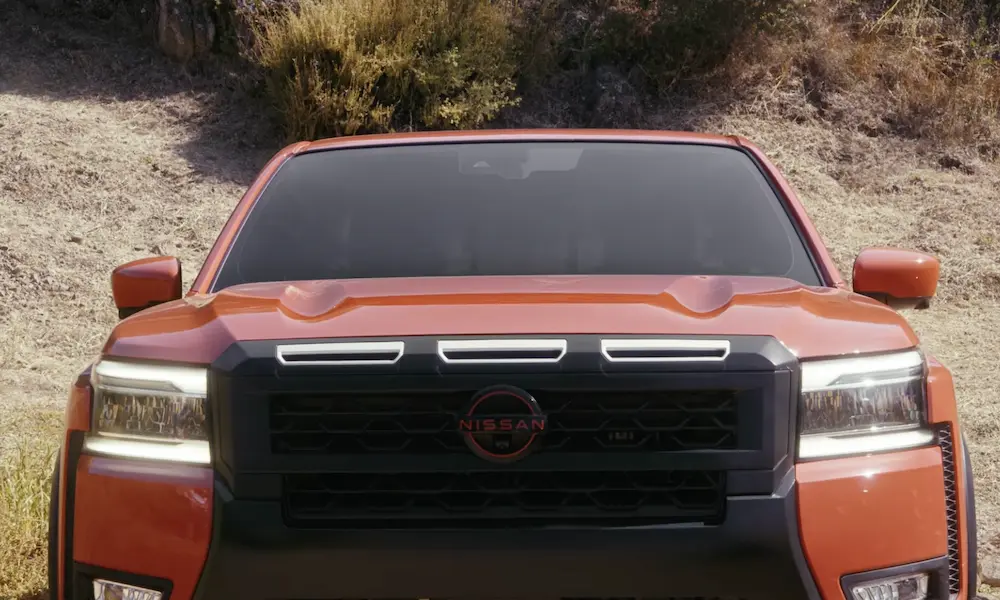
Choosing between the Nissan Sentra and Altima feels harder than it should. They’re both sedans. Both come from the same brand. And both offer solid value. But they’re built for completely different drivers. This guide breaks down every key difference — price, power, tech, and space — so you can pick the right one without second-guessing yourself.
They’re Not the Same Car (Not Even Close)
A lot of buyers assume the Sentra and Altima are nearly identical — just different sizes. That’s not quite right.
The Sentra is a compact sedan aimed at urban commuters, first-time buyers, and budget-focused shoppers. The Altima is a midsize sedan built for families, road-trippers, and anyone who needs all-wheel drive.
Here’s a quick snapshot before diving deeper:
| Feature | Nissan Sentra (2026) | Nissan Altima (2026) |
|---|---|---|
| Segment | Compact | Midsize |
| Starting Price | $22,600 | $27,580 |
| Engine | 2.0L / 149 hp | 2.5L / 188 hp |
| AWD Available | No | Yes |
| Standard Screen | 12.3 inches | 8.0 inches |
| Best Highway MPG | 40 MPG | 39 MPG |
That price gap alone tells a story. But there’s a lot more to it.
Engine and Performance: Which One Feels Faster?
Sentra: Efficient, Not Exciting
The 2026 Sentra runs a 2.0-liter naturally aspirated four-cylinder engine. It puts out 149 horsepower and 146 lb-ft of torque. Those aren’t thrilling numbers, but Nissan tuned the throttle response for the 2026 refresh — so it feels more responsive off the line than the numbers suggest.
The engine pairs with Nissan’s Xtronic CVT, which also got updated tuning to feel more like a traditional automatic. Commuters will appreciate that.
Altima: More Muscle, More Weight
The 2026 Altima uses a larger 2.5-liter engine making 188 horsepower and 180 lb-ft of torque in FWD form. If you go AWD, output drops slightly to 182 hp — the engine tuning accounts for driving all four wheels.
That extra displacement matters on highways, during merges, and when the car’s loaded with passengers and luggage.
| Engine Spec | Sentra MR20DD | Altima PR25DD (FWD) |
|---|---|---|
| Displacement | 2.0L / 1,997cc | 2.5L / 2,488cc |
| Horsepower | 149 hp @ 6,000 rpm | 188 hp @ 6,000 rpm |
| Torque | 146 lb-ft @ 4,000 rpm | 180 lb-ft @ 3,600 rpm |
| Compression Ratio | 10.6:1 | 12.0:1 |
| Fuel Required | Regular unleaded | Regular unleaded |
Bottom line: The Altima wins on power. The Sentra wins on fuel savings.
AWD: A Dealbreaker for Many Buyers
The Sentra is front-wheel drive only. Full stop. If you live somewhere that gets real winters — think Minnesota, Colorado, or upstate New York — that might end the conversation right there.
The Altima’s Intelligent AWD system automatically shifts power between the front and rear axles based on traction conditions. It’s not a hardcore off-road system, but it handles snow, ice, and wet roads much better than a FWD compact.
AWD adds about $1,400–$1,500 to the Altima’s price, depending on trim. Many buyers in colder climates consider it non-negotiable.
Fuel Economy: The Sentra Wins Here
If gas costs are a daily concern, the Sentra’s numbers are hard to argue with.
| MPG Category | Sentra S/SV | Altima FWD | Altima AWD |
|---|---|---|---|
| City | 30 | 26 | 25 |
| Highway | 40 | 36–39 | 33–34 |
| Combined | 34 | 30–32 | 28 |
| Tank Size | 12.4 gallons | 16.2 gallons | 16.2 gallons |
The Sentra’s 40 MPG highway rating is exceptional for a non-hybrid compact. The Altima still does well in its class, but you’ll spend more at the pump.
Worth noting: The Sentra’s smaller 12.4-gallon tank means more frequent fill-ups, even with better efficiency.
Interior Space: Room to Breathe
Sentra Cabin
The 2026 Sentra’s interior got a noticeable upgrade with this refresh. Soft-touch materials on door panels, better finishes, and a modern layout make it feel more premium than the price suggests. The trunk got a wider opening and lower liftover height, too — much easier for loading strollers or sports gear.
Altima Cabin
The Altima simply has more room. More shoulder room, more hip room, and a larger trunk. If you regularly carry three adults in the back seat, the Altima is the obvious choice.
| Interior Measurement | Sentra | Altima |
|---|---|---|
| Passenger Volume | 96.1 cu ft | 100.6 cu ft |
| Front Legroom | 43.8 in | 43.8 in |
| Rear Legroom | 34.9 in | 35.2 in |
| Front Shoulder Room | 56.4 in | 58.2 in |
| Rear Shoulder Room | 54.5 in | 57.1 in |
| Trunk Volume | 14.3 cu ft | 15.4 cu ft |
The front legroom is identical — surprising given the size difference. But the Altima’s extra width and rear space is noticeable when you’re actually sitting in it.
Both models feature Zero Gravity seats inspired by NASA research on neutral posture. They genuinely reduce fatigue on longer drives, and they’re standard on both cars.
Tech and Infotainment: The Sentra’s Biggest Surprise
Here’s where the Nissan Sentra vs Altima comparison gets interesting — and where the Sentra actually wins.
Sentra’s Tech Advantage
The 2026 Sentra comes standard with a 12.3-inch touchscreen on every single trim, including the base $22,600 S. That’s genuinely rare in the compact segment. Higher trims also add a 12.3-inch digital instrument cluster to replace traditional gauges.
This move earned the 2026 Sentra a spot on the Ward’s 10 Best Interiors & UX list — a serious recognition for an entry-level car.
Altima’s More Traditional Approach
The base Altima SV starts with an 8-inch screen. You need to step up to the SR trim or add a package to get the 12.3-inch display. It’s frustrating when the less expensive car offers a bigger screen as standard.
| Tech Feature | Sentra (Base S) | Altima (Base SV) |
|---|---|---|
| Center Display | 12.3 inches | 8.0 inches |
| Digital Dashboard | Available | Available (packages) |
| Wireless CarPlay/Android Auto | SV and above | Available (packages) |
| Wireless Charging | Higher trims | SR standard |
| Bose Audio | SL/SR Premium | SR Premium (9-speaker) |
Safety Features: Both Cars Are Well-Equipped
Nissan’s Safety Shield 360 comes standard on every Sentra and Altima. No haggling, no packages needed. Here’s what you get regardless of which one you buy:
- Automatic Emergency Braking with pedestrian detection
- Rear Automatic Braking for stationary objects
- Blind Spot Warning with mirror indicators
- Rear Cross Traffic Alert
- Lane Departure Warning
- High Beam Assist
Both vehicles have earned five-star overall safety ratings from the NHTSA, confirming their strong crashworthiness performance.
ProPILOT Assist — Nissan’s highway driving aid that helps with steering, acceleration, and braking — is available on both cars. On the 2026 Sentra, it’s standard on the SL trim and optional on the SR. On the 2026 Altima, it’s available through premium packages on both trims.
Pricing: What You Actually Pay
Sentra Trim Breakdown
The 2026 Sentra lineup runs four trims, all front-wheel drive:
| Trim | Starting MSRP |
|---|---|
| S | $22,600 |
| SV | $23,370 |
| SR | $25,000 |
| SL | $27,990 |
All prices exclude a $1,245 destination charge.
Altima Trim Breakdown
Nissan simplified the 2026 Altima down to two trims, dropping the budget S and the luxury SL:
| Trim | Drive | Starting MSRP |
|---|---|---|
| SV | FWD | $27,580 |
| SV | AWD | $28,980 |
| SR | FWD | $29,080 |
| SR | AWD | $30,480 |
The entry-level Altima now starts about $5,000 more than the base Sentra. That’s a meaningful gap, especially if budget is a priority.
Reliability: Should You Worry About the CVT?
Nissan CVTs have a complicated reputation. Older models had real problems. But the current Xtronic transmissions in both the 2020+ Sentra and 2019+ Altima have shown far fewer reported failures than earlier versions.
The key to longevity? Change the transmission fluid every 30,000–60,000 miles depending on how hard you drive. Don’t skip it.
The Altima’s reliability numbers are actually solid:
- Overall reliability: 4.0 out of 5.0
- Probability of a severe repair: 12% (matches the segment average)
- Average annual repair cost: $483 (below segment average)
The 2025 Altima also ranked highest in midsize sedan initial quality according to J.D. Power. Both models carry a 3-year/36,000-mile bumper-to-bumper warranty and a 5-year/60,000-mile powertrain warranty. Nissan also offers complimentary oil changes for the first 2 years or 24,000 miles.
So Which One Should You Buy?
Choose the Sentra if:
- You want the most tech for the least money
- You’re a city commuter watching fuel costs
- Parking in tight spaces matters to you
- You drive solo or with one passenger most of the time
Choose the Altima if:
- You regularly carry a full family
- You live somewhere that gets snow or ice
- Highway cruising comfort is a priority
- You want more power without sacrificing reliability
The Sentra is the better value for urban drivers. The Altima is the smarter choice for families and anyone who needs AWD. Neither car is a wrong choice — they just serve genuinely different needs.