Ever noticed that alarming “Secondary Collision Brake System Malfunction” message on your dashboard? That warning light can turn a normal commute into an anxiety-filled drive. It’s a sophisticated safety feature that’s supposed to protect you after an initial collision—but when it stops working correctly, you need answers fast.
Let’s cut through the confusion and get you back on the road with confidence. We’ll explore what triggers these warnings, what they mean for your safety, and how to fix them without unnecessary dealer costs.
What Is the Secondary Collision Brake System?
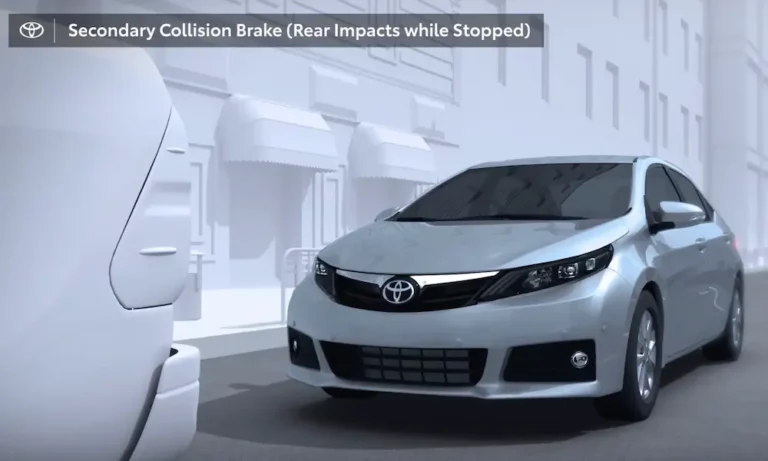
The Secondary Collision Brake System is designed to prevent chain-reaction accidents. When your Toyota detects an initial impact through the SRS airbag sensors while you’re driving, the system automatically applies braking force to help prevent or minimize additional collisions.
Think of it as a guardian angel that takes over when you might be too stunned to react after a first collision. It’s part of Toyota’s commitment to keeping you safe even in worst-case scenarios.
When this system malfunctions, your dashboard displays a warning message, often accompanied by other alert lights. This doesn’t just mean one feature is down—it potentially leaves you vulnerable in accident scenarios where secondary impacts are common.
Common Triggers for Secondary Collision Brake System Malfunctions
Weather-Related Issues
Your Toyota’s sophisticated sensors can be surprisingly sensitive to weather conditions. Many owners report that heavy rain, snow, or ice can trigger these warnings. The system relies on sensors located in critical areas:
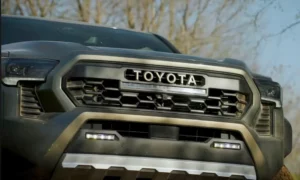
- Behind the Toyota badge on your front grille
- Near your rearview mirror on the windshield
- In your front bumper
When these become covered with snow, ice, mud, or even condensation, your system might think something’s wrong and trigger an alert. It’s similar to how your smartphone might not recognize your fingerprint if your hands are wet.
Battery and Electrical Problems
Your secondary collision system needs consistent power to function properly. Many Toyota owners notice that after jumpstarting a dead battery, multiple warning lights appear, including the Secondary Collision Brake System malfunction.
The system’s sensitive electronics can be disrupted by voltage fluctuations or momentary power loss. Think of it like rebooting your computer improperly—certain programs might not restart correctly.
Recent Vehicle Service or Modifications
Have you recently had maintenance work done? One owner reported that after windshield replacement, multiple warning lights appeared. Service procedures can inadvertently affect calibration or disconnect sensors temporarily.
This is particularly common after:
- Windshield replacement
- Front-end repairs
- Battery disconnection
- Electrical system work
Wiring and Physical Damage
The hidden culprit behind many warnings is damaged wiring. One Toyota owner discovered their malfunction warnings were caused by rodent damage. Another found that loose wires on aftermarket brake lights were triggering alerts when wet.
These intricate electrical systems are vulnerable to:
- Rodent damage (mice love to chew on soy-based wire insulation)
- Water intrusion
- Physical damage from road debris
- Corrosion at connection points
Warning Signs: When Your Secondary Collision Brake System Fails
The Secondary Collision Brake System malfunction rarely appears alone. Based on user reports, you’ll likely see it alongside:
- Pre-Collision System Malfunction warning
- Check Engine light
- LTA (Lane Tracing Assist) Malfunction
- Parking Brake Malfunction
- Traction Control warnings
This cluster of warnings often creates panic, making you think your entire vehicle is failing. In reality, most cases trace back to a single underlying issue affecting multiple systems.
Some drivers also notice subtle performance changes alongside these warnings:
- Engine hesitation
- Unexpected braking behavior
- Changes in transmission shifting patterns
DIY Solutions Before Heading to the Dealership
Before you spend hundreds at the dealer, try these proven fixes that have worked for many Toyota owners:
1. Clean External Sensors
Many owners have completely resolved their warnings by thoroughly cleaning sensors:
- Wipe the Toyota logo/badge on the front grille with a soft, damp cloth
- Clean the windshield area around the rearview mirror
- Gently clear any debris from front bumper sensors
- Wipe cameras under side mirrors
Use glass cleaner for transparent surfaces and mild soap and water for other areas. Avoid harsh chemicals that could damage sensitive equipment.
2. Battery Reset Procedure
A battery reset often fixes communication issues between vehicle systems:
Standard Method:
- Disconnect the negative battery cable (black)
- Wait at least 3 hours (overnight is better)
- Reconnect the battery
Quick Reset Method:
- Disconnect both battery cables
- Touch the cable ends together (away from battery) for 15 seconds
- Reconnect cables (positive first, then negative)
This process clears capacitor memory and forces systems to reestablish communications, often resolving warning light issues.
3. Check and Replace Fuses
Using a multimeter or circuit tester:
- Locate fuse boxes (under hood and driver-side dash)
- Check fuses related to brake and safety systems
- Replace any fuse showing power on only one side
- Look for signs of corrosion in fuse holders
Fuses cost just a few dollars and might save you hundreds in unnecessary diagnostic fees.
When to Seek Professional Help
Sometimes DIY fixes aren’t enough. Here’s when you need professional assistance:
1. ECM Flash Update Needed
Some Toyota vehicles have a known issue addressed by a technical service bulletin that requires an ECM flash update to resolve these warnings. This can only be done at a dealership or specialized shop with access to Toyota’s proprietary diagnostic software.
Ask specifically about TSBs related to the Secondary Collision Brake System for your model and year.
2. Wiring Repairs Required
If damaged wiring is causing your issue, professional repair may be necessary. One owner reported their problem stemmed from both a failing brake actuator assembly and loose wires on aftermarket brake lights getting wet. These complex electrical issues typically require professional diagnosis.
3. Sensor Replacement or Calibration
After windshield replacement, front-end damage, or certain repairs, your sensors may need recalibration. The front-facing camera and radar systems require precise alignment using specialized equipment. This isn’t something you can DIY effectively.
Cost Implications: What to Expect
Repair costs vary dramatically depending on the underlying cause:
| Repair Type | Typical Cost Range | Notes |
|---|---|---|
| DIY Cleaning | Free | Most effective for weather-related issues |
| Battery Reset | Free | Works for many electrical glitches |
| Fuse Replacement | $5-20 | Simple, inexpensive fix |
| ECM Flash Update | $100-200 | May be covered under warranty or TSB |
| Wiring Repairs | $500+ | Depends on damage extent |
| Sensor Replacement | $1,000-3,500 | Most expensive option |
Some owners report being quoted as much as $2,000-3,500 by dealerships, but many find that simpler, less expensive solutions resolve their issues. Always seek a second opinion before authorizing expensive repairs.
Most Affected Toyota Models
This issue appears across multiple Toyota models, with particular frequency in:
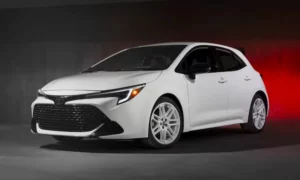
- 2019-2020 Corolla and Corolla Hatchback
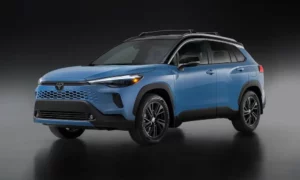
- 2018-2023 RAV4 (including Prime)
- Newer Highlander models
- Models with Toyota Safety Sense 2.0+
The more advanced safety features your Toyota has, the more likely you may encounter these warnings at some point.
Preventive Maintenance Tips
To minimize your chances of experiencing these warnings:
- Keep your front sensors clean, especially in bad weather
- Maintain your battery in good condition
- Use Toyota-approved parts and service for electrical work
- Address check engine lights promptly before they cascade into other systems
- Consider a battery tender if your vehicle sits unused for extended periods
Real-World Success Stories
Many Toyota owners have successfully resolved these warnings without major expense:
“After three days of snow and ice, my 2020 Corolla lit up like a Christmas tree with warnings. I spent 15 minutes cleaning all the sensors with glass cleaner and a microfiber cloth. All warnings disappeared immediately after starting the car.”
“My RAV4 showed multiple warnings after jumpstarting. The dealer quoted $2,100 for diagnostics and possible module replacement. I disconnected my battery overnight, reconnected it in the morning, and haven’t seen a warning since. That was six months ago.”
“Found rodent damage to wiring near my front wheel well. Fixed the chewed wires myself with a $15 repair kit, disconnected the battery for reset, and all systems returned to normal. Saved myself $900 from the dealer quote.”
When Safety Is Truly Compromised
While many Secondary Collision Brake System malfunctions can be resolved with simple fixes, don’t ignore persistent warnings. This system provides critical protection in multi-impact crashes, which account for a significant percentage of serious accident injuries.
If you’ve tried the DIY solutions without success, prioritize proper diagnosis and repair. Your safety is worth more than the repair cost.
The good news? Most owners who experience these warnings find that the issue is far less serious than the alarming dashboard messages suggest. With the right approach, you can likely resolve this problem quickly and affordably.