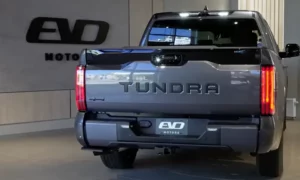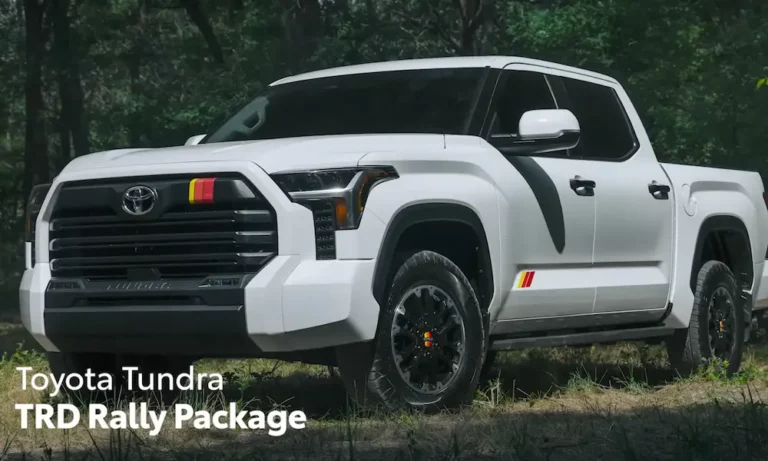
Think your truck engine won’t make it past 200,000 miles? The Toyota 5.7L V8 laughs at that number. This powerhouse routinely hits 400,000+ miles, with some reaching a million. Let’s break down what makes this engine nearly indestructible and how you can push yours to maximum mileage.
What’s the Real Toyota 5.7 Engine Life Expectancy?
The Toyota 5.7 engine life expectancy typically ranges from 400,000 to 650,000 miles with proper maintenance. That’s not marketing fluff—it’s backed by real-world examples and Toyota’s own testing.
Toyota pushed this engine past 808,000 miles during development testing. One hot-shot driver hit 1 million miles on his 2014 Tundra’s original 5.7L engine. Another owner reached 400,000 miles without replacing the engine or transmission.
Here’s the kicker: mechanics consider a 5.7L failing at “only” 287,000 miles unusual enough to investigate. That’s how reliable these engines are.
Mileage Expectations By Use Case:
| Usage Type | Expected Lifespan | Key Factor |
|---|---|---|
| Light duty (commuting) | 500,000-650,000 miles | Regular oil changes critical |
| Mixed use (daily + towing) | 400,000-500,000 miles | Transmission fluid changes matter |
| Heavy towing (frequent) | 300,000-400,000 miles | Shortened service intervals required |
| Severe conditions (extreme temps) | 250,000-350,000 miles | Oil quality makes huge difference |
Why the 5.7L Outlasts Other Truck Engines
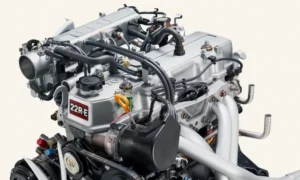
The 3UR-FE (that’s Toyota’s official designation) uses overbuilt components designed to handle way more stress than daily driving demands.
The aluminum block keeps weight down without sacrificing strength. Inside, you’ll find a forged steel crankshaft, forged connecting rods, and aluminum pistons with special resin coating. Four oil jets constantly spray the pistons from below, preventing the heat damage that kills other engines.
Toyota skipped direct injection—a decision that prevents the carbon buildup plaguing modern engines. The sequential fuel injection system keeps things simple and reliable.
The timing system uses chains instead of belts. You’ll never pay for a timing belt replacement, though the hydraulic tensioners occasionally need attention around 200,000 miles.
This engine produces 381 horsepower and 401 lb-ft of torque. Compare that to Ford’s 6.2L (typically 200,000-300,000 miles) or GM’s 6.0L Vortec (similar range). The Toyota consistently doubles their lifespan.
The Problems You Need to Know About
No engine’s perfect. The 5.7L has four main issues worth your attention.
Cam Tower Leaks (The Big One)
This is the 5.7L’s Achilles heel. The factory sealant between the camshaft housings and cylinder heads degrades between 50,000-150,000 miles.
You’ll notice oil seeping from the top of the engine, sometimes dripping onto hot exhaust parts and creating that lovely burning oil smell. Over 7,400 owners signed a petition asking Toyota for a recall, but the company hasn’t budged.
Repair costs run $1,500-$2,500 at most shops, though some dealers quote up to $5,000. The fix requires removing the intake manifold, valve covers, and cam towers to clean and reseal everything properly.
Don’t ignore this leak. While it won’t kill your engine immediately, oil on exhaust components creates fire risk.
Water Pump Failures
The water pump typically fails around 60,000-100,000 miles—way too early for a premium engine.
Watch for coolant puddles under your truck, constantly low coolant levels, or steam from the engine bay. The heater might blow cold air even when the engine’s warm.
Replace it proactively around 90,000 miles if you’re keeping the truck long-term. It’s cheaper than dealing with an overheated engine.
Oil Consumption Issues
Many 5.7L engines start burning oil as they age—sometimes a quart every 1,000 miles. This happens when carbon builds up on the piston rings, preventing them from properly controlling oil.
The fix? High-quality synthetic oil and shorter change intervals. Check your oil every 500-1,000 miles if you notice consumption increasing.
Secondary Air Injection Pump Problems
These pumps inject fresh air into the exhaust during cold starts to reduce emissions. Moisture and debris damage the internal components, triggering check engine lights (usually code P0410).
Replacement pumps cost $200-400 aftermarket. Installation is straightforward from the passenger-side wheel well.
The Maintenance Schedule That Gets You to 500,000 Miles
Toyota’s official maintenance schedule prioritizes meeting EPA requirements over maximum engine life. Here’s what actually works.
Oil Changes: Ignore Toyota’s 10,000-Mile Interval
Change your oil every 5,000 miles. Period.
Toyota recommends 10,000-mile intervals to boost fuel economy numbers for EPA testing. That’s too long for engines expected to last decades.
Oil Viscosity Reality Check:
Toyota specifies 0W-20 in U.S. markets but recommends 5W-30, 5W-40, and even 10W-40 in Middle Eastern markets—for the identical engine. That tells you everything about their priorities.
Use 5W-30 synthetic instead of 0W-20 if you:
- Tow regularly
- Live in hot climates
- Have over 100,000 miles
- Want maximum protection
Stick with quality brands: Toyota Genuine, Mobil 1, Royal Purple, or Pennzoil. You’ll need 8.5 quarts including the filter.
Transmission Fluid: “Lifetime” Means 60,000 Miles
Toyota calls the transmission fluid “lifetime” because the warranty only covers 60,000 miles. Don’t fall for it.
Change transmission fluid every 60,000 miles—or every 30,000 if you tow heavy. Just drain and refill; skip the flush.
Coolant System Maintenance
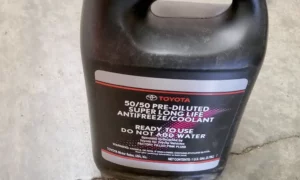
Replace coolant every 50,000-60,000 miles despite Toyota’s longer recommendation. Acidic coolant eats gaskets and causes the leaks you’re trying to prevent.
Given the water pump issues, inspect it thoroughly during coolant changes. Consider replacing it proactively at 90,000-100,000 miles.
4WD Owners: Don’t Forget These Fluids
Change differential and transfer case fluids every 30,000 miles initially, then every 60,000 miles after that. The first change removes break-in debris that accelerates wear.
Use the correct specification (GL-3 vs. GL-5 matters). Check your owner’s manual.
Other Critical Services
Spark plugs: Inspect at 100,000 miles, replace at 120,000. Use OEM Toyota iridium plugs.
Air filter: Check every 15,000 miles, replace when dirty. Dusty conditions require more frequent changes.
Timing chain: Listen for rattle during cold starts. While chains don’t require scheduled replacement, some mechanics recommend proactive replacement around 200,000 miles for ultra-high-mileage goals.
How Your Driving Habits Affect Engine Life
Maintenance matters, but how you drive matters more.
Highway vs. City Driving
Highway miles are easier on engines than city miles. Constant speeds mean less thermal cycling and steadier oil pressure. City driving with frequent stops and starts stresses everything.
A truck with 200,000 highway miles often has more life left than one with 150,000 city miles.
Towing Wears Everything Faster
The 5.7L handles towing exceptionally well—owners successfully tow 9,000+ pound trailers. But towing accelerates wear on the engine, transmission, and cooling system.
If you tow frequently:
- Cut oil change intervals to 3,000-4,000 miles
- Change transmission fluid every 30,000-40,000 miles
- Monitor coolant system closely
- Let the engine idle briefly after hard pulls before shutdown
Climate Considerations
Extreme heat degrades oil faster and stresses cooling systems. Extreme cold increases cold-start wear when oil is thick and metal contracts.
Dusty environments clog air filters faster. Coastal areas with salt air corrode external components and gaskets.
Adjust your maintenance schedule based on where you live.
How the 5.7L Stacks Up Against Competitors
Let’s get real about how Toyota’s engine compares to domestic V8s.
vs. Ford 6.2L V8
Ford’s 6.2L Boss engine makes 411 hp and 434 lb-ft—more power than the Toyota. It feels stronger off the line and provides better towing grunt.
But reliability favors Toyota. The Ford typically lasts 200,000-300,000 miles with common issues including valve spring failures and rocker arm problems. That’s half the Toyota’s lifespan.
Fuel economy also tilts toward Toyota—12-15 mpg city for the Ford vs. slightly better numbers from the 5.7L.
vs. GM 6.0L Vortec
Chevy’s 6.0L Vortec produces 360 hp and 380 lb-ft—less than both competitors. Many owners report it feels less responsive, requiring deeper throttle application.
The simpler overhead-valve design makes repairs cheaper than Toyota’s DOHC setup. Expected lifespan reaches 200,000-300,000 miles, but documented high-mileage examples rarely approach Toyota’s million-mile achievements.
vs. GM 5.3L Vortec
The smaller 5.3L LS engine has earned strong reliability credentials, with many examples exceeding 300,000 miles. Widespread use means cheap parts and extensive aftermarket support.
But it still generally falls short of 5.7L longevity. Older versions had timing chain issues, though later generations fixed these problems.
Engine Longevity Comparison:
| Engine | Typical Lifespan | Max Documented | Common Issues |
|---|---|---|---|
| Toyota 5.7L V8 | 400,000-650,000 mi | 1,000,000+ mi | Cam tower leaks, water pump |
| Ford 6.2L V8 | 200,000-300,000 mi | 400,000 mi | Valve springs, rocker arms |
| GM 6.0L Vortec | 200,000-300,000 mi | 400,000 mi | Variable, simpler design |
| GM 5.3L Vortec | 250,000-350,000 mi | 500,000 mi | Timing chain (older models) |
vs. Toyota’s Own 4.7L V8
Toyota’s previous 2UZ-FE 4.7L commonly exceeds 300,000 miles and sometimes hits 500,000+. But it uses a timing belt requiring replacement every 90,000-100,000 miles—a $1,500+ job.
The 5.7L produces way more power (381 hp vs. 235-282 hp) while maintaining or exceeding the 4.7L’s reliability. The timing chain eliminates expensive belt replacements, though cam tower repairs partially offset this advantage.
Most mechanics consider the 5.7L the better overall engine once you address the cam tower issue.
Advanced Strategies for Maximum Mileage
Want to push your 5.7L past 500,000 miles? Here’s how.
Run an Oil Analysis Program
Send oil samples to Blackstone Laboratories or similar services every few oil changes. Analysis reveals metal contamination indicating wear, assesses remaining oil life, and identifies coolant or fuel contamination.
This objective data catches developing problems before they cause failures. It costs $30-40 per analysis—cheap insurance for a high-mileage engine.
Replace Components Before They Fail
Proactive replacement prevents secondary damage and roadside breakdowns:
- Water pump: Replace at 90,000-100,000 miles regardless of symptoms
- Cam towers: Fix leaks at first sign rather than waiting for major seepage
- Secondary air pumps: Replace when codes appear
- Timing chain tensioners: Inspect at 150,000-200,000 miles
Monitor and Document Everything
Keep detailed records of every service—dates, mileage, parts used, and issues found. This documentation helps diagnose intermittent problems and proves proper care to future buyers.
Check fluid levels every 500-1,000 miles. Declining levels between services indicate leaks or consumption requiring attention.
Warm-Up and Cool-Down Procedures
Let the engine reach operating temperature before aggressive acceleration or heavy loads. Cold engines have thicker oil, tighter tolerances, and incomplete fuel vaporization—all causing accelerated wear.
After sustained high-load operation (mountain towing, heavy hauling), idle briefly before shutdown to prevent heat soak.
Use Top-Tier Gasoline
Stick with quality fuel from reputable suppliers. Top-tier gasoline brands include enhanced detergent packages that keep fuel systems clean.
While the 5.7L doesn’t require premium, running higher-octane occasionally helps clean combustion chambers.
Is the 5.7L Right for You?
The Toyota 5.7 engine life expectancy of 400,000-650,000 miles isn’t hype—it’s proven by millions of miles logged by real owners. This engine delivers exceptional longevity that domestic V8s can’t match.
You’ll pay more upfront for a Toyota truck. But when competitors need engine rebuilds or replacements at 250,000 miles, your 5.7L will still be running strong. That’s the real value proposition.
The cam tower leak issue is annoying but manageable. Water pumps fail early but are easy to replace. Oil consumption develops but responds to quality oil and frequent changes. None of these problems are dealbreakers for an engine capable of lasting 20+ years.
If you prioritize reliability over cutting-edge technology, towing capability over maximum fuel economy, and proven durability over flashy features, the 5.7L deserves serious consideration.
Follow the aggressive maintenance schedule outlined here. Address issues promptly. Use quality fluids and parts. Your 5.7L will reward you with decades of dependable service and mileage numbers that make mechanics shake their heads in disbelief.