Is your Toyota Camry using more oil than it should? You might be dealing with a common issue that’s affected thousands of Camry owners. This guide breaks down what’s causing it, which models are most vulnerable, and what you can do about it.
Why Toyota Camrys Burn Oil: The Low-Tension Piston Ring Problem
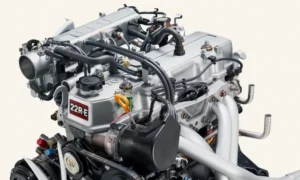
The oil consumption issue in Toyota Camrys isn’t just a random quirk—it’s linked directly to a design change Toyota made around 2007. They switched to low-tension piston rings in the 2AZ-FE 2.4-liter engines to improve fuel economy and meet EPA standards.
Unfortunately, this well-intentioned change created a serious reliability problem. These piston rings don’t create enough pressure against cylinder walls, allowing oil to seep into places it shouldn’t go. The rings often carbonize (become coated with carbon deposits) as early as 60,000 miles, making the sealing problem even worse.
When this happens, you’ll notice:
- Blue smoke coming from your exhaust
- Having to add oil between regular changes
- Dashboard warning lights for low oil
- Potential engine damage if oil levels drop too low
Most Affected Toyota Camry Models
Not all Toyota Camrys suffer from excessive oil consumption. The issue is concentrated in specific model years:
High-Risk Models:
- 2007-2009 Toyota Camry with 4-cylinder engines
- 2007-2011 Toyota Camry Hybrid
- 2010-2011 Camrys with early versions of the 2AR-FE engine (though less severe)
Related Toyota Models Also Affected:
- 2006-2008 Toyota RAV4
- 2007-2008 Toyota Solara
- 2009 Toyota Corolla and Matrix
- 2007-2008 Scion tC
These vehicles typically consume oil at an alarming rate—about 1 quart every 1,000-1,200 miles. In extreme cases, some owners report using 2-3 quarts per 1,000 miles.
How Bad Is Your Oil Consumption?
Understanding how much oil your Camry is burning helps determine how serious the problem has become:
- Normal consumption: Less than 1 quart per 5,000 miles
- Minor problem: 1 quart per 2,000-5,000 miles
- Moderate problem: 1 quart per 1,000-2,000 miles
- Severe problem: More than 1 quart per 1,000 miles
Check your oil level weekly by parking on level ground, waiting a few minutes after shutdown, and using the dipstick to measure the oil level.
Toyota’s Response to the Problem
Toyota didn’t issue a full recall but did take some steps to address the issue:
Technical Service Bulletin
In 2011, Toyota released Technical Service Bulletin T-SB-0094-11 acknowledging the oil consumption problem.
Warranty Enhancement Program
In 2015, Toyota launched a Warranty Enhancement Program that:
- Extended coverage for piston and ring replacement
- Covered qualifying vehicles for up to 10 years or 150,000 miles
- Required a dealer-performed oil consumption test
Many owners were helped by this program, but others had already paid thousands for repairs before it was implemented.
Improved Engines in Newer Camrys
If you’re looking to buy a Camry, you’ll be glad to know Toyota has fixed this issue in newer models:
2018-Present: Dynamic Force Engine
The current generation Camry uses the A25A-FKS Dynamic Force engine, which represents a major improvement:
- Dual injection system prevents carbon buildup
- Improved piston ring design eliminates oil consumption issues
- 40% thermal efficiency – among the best for production gasoline engines
Owners report virtually no oil consumption even after 200,000+ miles.
Temporary Fixes for Affected Vehicles
If you own one of the affected models, here are some ways to address the problem:
1. Switch to Thicker Oil
Using a slightly thicker oil can slow consumption temporarily:
- Try 10W-40 oil instead of the recommended 5W-30
- Consider high-mileage oil formulations with seal conditioners
2. PCV Valve Replacement
A clogged Positive Crankcase Ventilation (PCV) valve can contribute to oil consumption. Replacing it:
- Costs only $20-50 for the part
- Takes about 30 minutes to an hour to install
- May provide partial improvement in some vehicles
3. More Frequent Oil Checks and Changes
Being vigilant about maintenance helps prevent engine damage:
- Check oil level every 500-1,000 miles
- Always top up when needed
- Change oil every 3,000-5,000 miles maximum
- Use quality filters (Toyota OEM recommended)
Permanent Solutions for Oil Consumption
If temporary measures aren’t enough, these solutions address the root cause:
Engine Rebuild with New Pistons and Rings
The only complete fix involves:
- Disassembling the engine
- Replacing pistons and rings with updated designs
- Potentially resurfacing cylinder walls
- Cost: $2,000-$7,000 depending on your location and repair shop
Engine Replacement
Sometimes a full replacement is more cost-effective:
- Remanufactured engine: $3,000-$6,000 installed
- Used engine: $1,500-$3,000 depending on condition
- JDM (Japanese Domestic Market) engine: Often a good alternative
Buying Advice for Toyota Camry Shoppers
If you’re shopping for a used Toyota Camry, here’s how to avoid the oil consumption headache:
Models to Approach with Caution:
- 2007-2009 Camrys with 4-cylinder engines unless repair records show piston/ring replacement
- Early 2010-2011 models with the 2AR-FE engine
Safer Toyota Camry Choices:
- V6 Camry models from any year (not affected by the issue)
- 2018 or newer Camrys with Dynamic Force engines
- 2012-2017 models that have been well-maintained (less prone but not immune)
Pre-Purchase Inspection
When buying a used Camry from the affected years:
- Check maintenance records for oil additions between changes
- Look for blue smoke when starting the engine
- Ask specifically about oil consumption history
- Have a mechanic check compression and leak-down test results
- Request an oil consumption test if possible
The True Cost of Oil Consumption
Beyond just adding oil, this problem creates several ongoing expenses:
| Expense Type | Typical Cost Range | Notes |
|---|---|---|
| Additional oil | $50-150 per year | Depending on consumption rate |
| More frequent oil changes | $160-320 per year | For 4-8 additional changes |
| Engine rebuild | $2,000-7,000 | One-time repair cost |
| Catalytic converter damage | $800-2,000 | Oil can contaminate catalytic converters |
| Lost resale value | $500-2,000 | Due to known issues |
How to Test for Oil Consumption
If you suspect your Camry is burning oil, here’s a simple test:
- Park on level ground and let the engine cool down
- Check and record the oil level
- Note your starting odometer reading
- Drive normally for 1,000 miles
- Park on level ground in the same spot as before
- Check oil level again after engine cooling down
- Calculate how much oil was consumed per 1,000 miles
If consumption exceeds 1 quart per 1,200 miles, your vehicle has excessive oil consumption according to Toyota’s own standards.
Remember: checking your oil regularly is the best way to prevent engine damage. Even if your Camry burns oil, keeping levels topped up will help it last until you can pursue a more permanent solution.