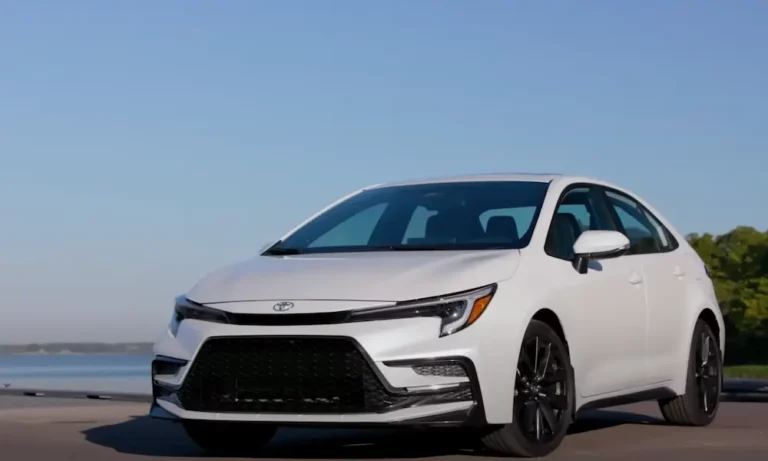
Is your Toyota Corolla alarm randomly blaring in the middle of the night? Nothing ruins a good night’s sleep faster than the sound of your car alarm echoing through the neighborhood. This frustrating problem affects many Corolla owners but can usually be fixed without an expensive trip to the dealership.
Common Reasons Your Toyota Corolla Alarm Triggers Unexpectedly
Low Battery Power Problems
Your Corolla’s alarm system relies on stable voltage from your car battery. When battery power drops below 12.4V, the Body Control Module (BCM) can misinterpret this as tampering and trigger the alarm.
Common battery-related triggers include:
- Aging battery that can’t hold a proper charge
- Corroded battery terminals creating resistance
- Parasitic drain from aftermarket accessories like dashcams
- Extreme temperature conditions affecting battery performance
A quick voltage test with a multimeter can confirm if your battery is the culprit. Readings below 12.6V when the car is off suggest your battery needs attention.
Faulty Door and Hood Sensors
The perimetric sensors monitoring your Corolla’s entry points are common troublemakers. According to repair data, hood latch sensors alone account for a significant percentage of false alarms in Toyota vehicles.
Sensor issues typically include:
- Hood latch sensor corrosion from exposure to engine bay debris
- Misaligned door switches that don’t fully engage when closed
- Worn door strikers preventing proper switch contact
- Trunk latch sensor malfunctions
These sensors can be tested individually by disconnecting them and observing if the false alarms stop.
Motion Sensor Oversensitivity
Modern Corollas feature interior motion sensors that detect movement inside the cabin. These ultrasonic or microwave sensors can be triggered by:
- Insects flying around inside your car
- Hanging air fresheners swinging with temperature changes
- Air currents from partially open windows
- Shifting items left on seats
Toyota actually built in a feature to disable these sensors temporarily. Look for a “Theft Sensor” button in your roof console that you can press before locking the car if you suspect the motion sensors are causing problems.
Key Fob Communication Failures
Your Corolla’s key fob uses radio frequency signals to communicate with the alarm system. When the fob’s battery weakens or the signal gets corrupted, it can lead to:
- Failed disarming attempts that trigger the alarm
- Garbled signals misinterpreted as tampering
- Incomplete lock/unlock commands
The most common solution is simply replacing the CR2032 battery in your key fob, which experts recommend doing annually.
Electrical System Troubleshooting Steps
Perform a Complete Battery Health Check
Start with the most common culprit by checking your battery:
- Measure battery voltage (should be ≥12.6V when rested)
- Check for terminal corrosion and clean as needed
- Test for parasitic drain using an ammeter (anything over 50mA after 30 minutes indicates a problem)
- Consider a load test to determine overall battery health
If your battery is showing signs of weakness, replacing it often resolves phantom alarm triggers.
Inspect Wiring Connections
Wiring problems can mimic sensor triggers:
- Examine door wiring harnesses for pinched or damaged wires
- Check for loose connections at the BCM (usually under the dashboard)
- Look for aftermarket wiring that might be interfering with factory systems
- Apply dielectric grease to connections in high-moisture areas
Pay special attention to any aftermarket accessories that were installed after you purchased the vehicle, as improper installation can cause electrical gremlins.
Sensor-Specific Solutions
How to Test and Fix Door Sensors
Door sensors are relatively simple to diagnose:
- Use a multimeter to test continuity of each door’s ajar switch when closed
- Adjust door striker plates if doors aren’t fully closing
- Clean switches with electrical contact cleaner
- Check that weather stripping isn’t interfering with proper door closure
Many Corolla owners report success with simply lubricating and adjusting their door latches to ensure proper alignment.
Addressing Hood and Trunk Sensor Issues
Hood sensors are particularly vulnerable to the elements:
- Locate the hood latch sensor (usually a green wire connector)
- Disconnect it temporarily to test if it’s causing your alarms
- Clean or replace if it tests positive as the trigger source
- Check the NHTSA database to see if there’s a recall for your model year
Some 2019-2021 Corollas were part of a recall for defective hood latch assemblies that could trigger the alarm system. Toyota repairs these under warranty if your vehicle is affected.
Motion Sensor Calibration
If cabin motion sensors are too sensitive:
- Try temporarily disabling them using the “Theft Sensor” button before locking
- Remove any hanging objects from your rearview mirror
- Close windows completely to prevent air currents
- Check for cabin pests that might be triggering the sensors
For stubborn cases, a dealership can adjust the sensitivity of motion detection systems.
Software and Firmware Issues
BCM Reprogramming Options
The Brain of your alarm system might need an update:
- Check if your Corolla has any outstanding Technical Service Bulletins (TSBs)
- 2020-2022 Corolla Hybrids received a specific BCM update addressing false alarms
- Only a dealer can perform the official reprogramming
- After updates, your system may need to complete a “learning” cycle
Firmware updates often address known bugs in the alarm system’s behavior and can permanently solve persistent problems.
Aftermarket System Complications
Problems with Non-Toyota Alarm Systems
Aftermarket alarms cause a disproportionate number of false triggers:
- Poorly calibrated shock sensors react to passing traffic
- Loose T-tap connectors create intermittent electrical contact
- Integration conflicts between factory and aftermarket immobilizers
- Incorrect installation cutting into factory wiring
If your Corolla has an aftermarket system, consider having it removed or properly integrated by a specialist.
Resolving Aftermarket Installation Issues
For those committed to keeping their aftermarket system:
- Have a professional reduce shock sensor sensitivity
- Secure all wiring connections with proper crimping (not quick-taps)
- Update aftermarket firmware if available
- Consider replacing with an OEM Toyota security system
Many Toyota specialists recommend removing problematic aftermarket systems entirely rather than trying to fix integration problems.
Professional Diagnosis Techniques
Dealership Diagnostic Procedures
When DIY efforts fail, Toyota dealerships use specialized tools:
- Techstream diagnostic software to read BCM error codes
- Sequential component isolation testing
- Factory wiring diagram analysis
- TSB lookup for known model-specific issues
A dealership visit typically costs $100-150 for diagnosis but gives you access to factory tools and information.
Independent Shop Options
Independent shops offer alternatives:
- Often more affordable than dealer rates
- May have experience with common Corolla issues
- Can usually perform the same diagnostic procedures
- Might identify patterns from other vehicles they’ve repaired
Look for shops specializing in Toyota/Lexus vehicles for best results.
Preventative Maintenance to Avoid Future Alarms
Regular System Checks
Prevent future problems with:
- Bi-annual cleaning of door and hood switch contacts with electrical cleaner
- Annual key fob battery replacement (CR2032)
- Periodic battery terminal cleaning to prevent corrosion
- Seasonal testing of alarm range and function
According to Toyota technical documents, regular maintenance dramatically reduces false alarm incidents.
Setting Adjustments for Different Conditions
Adapt your system to your environment:
- Disable interior sensors when parking in high-wind areas
- Reduce sensitivity when street parking in high-traffic locations
- Use valet mode when appropriate to limit alarm functionality
- Adjust settings seasonally (more sensitive in summer, less in winter)
Toyota built flexibility into the system—learn to use the features designed to prevent false alarms.
The Cost of Different Solutions
DIY Fix Expenses
Budget-friendly approaches include:
| Fix Type | Typical Cost | Difficulty |
|---|---|---|
| Key fob battery | $3-5 | Very easy |
| Hood switch | $15-30 | Easy |
| Door switch | $20-40 | Moderate |
| Battery replacement | $120-200 | Easy |
| Cleaning connections | $5-10 | Easy |
Most owners can handle these repairs themselves with basic tools.
Professional Repair Costs
When professional help is needed:
| Repair Service | Average Cost | Notes |
|---|---|---|
| Diagnostic fee | $80-150 | Often applied toward repairs |
| BCM reprogramming | $100-250 | Dealer-only service |
| Full system replacement | $350-700 | For severe cases |
| Aftermarket removal | $150-300 | If causing conflicts |
Always ask for a detailed estimate before authorizing work.
Model-Specific Toyota Corolla Alarm Issues
2018-2022 Corolla Problems
Recent generation-specific patterns:
- 2019-2021 models: Hood latch recall affecting alarm system
- 2020-2022 Hybrids: BCM firmware issues causing false alerts
- All models: Key fob signal interference in certain environments
These newer Corollas benefit from software updates that older models can’t receive.
2009-2017 Corolla Common Triggers
Previous generation issues include:
- Door ajar switch failure common after 7+ years
- Battery drain issues from aging electrical systems
- Higher sensitivity to aftermarket accessory interference
- Hood switch corrosion more prevalent in coastal regions
Older models typically need component replacement rather than reprogramming.
Final Troubleshooting Checklist
If you’re still having issues, work through this systematic approach:
- Test battery voltage (replace if below 12.6V)
- Replace key fob battery
- Clean and inspect all door latches and switches
- Try temporarily disabling interior sensors
- Check for recalls or TSBs for your specific model year
- Inspect for aftermarket device interference
- Test by disconnecting sensors one at a time
- Consider professional diagnostics if problems persist
Most Corolla alarm issues resolve after completing these steps in sequence.
By working through these solutions methodically, you can silence that annoying alarm and get back to peaceful days and quiet nights with your Toyota Corolla.