Are you experiencing unusual noises from your Toyota hybrid transmission? Or maybe you’ve noticed your car suddenly revving high during normal driving? Toyota’s electronic continuously variable transmission (e-CVT) powers millions of hybrid vehicles worldwide, but these innovative systems aren’t without their challenges. This guide explores common e-CVT issues, what causes them, and how you can protect your investment.
What Exactly is Toyota’s e-CVT System?
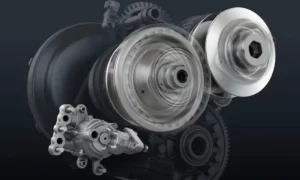
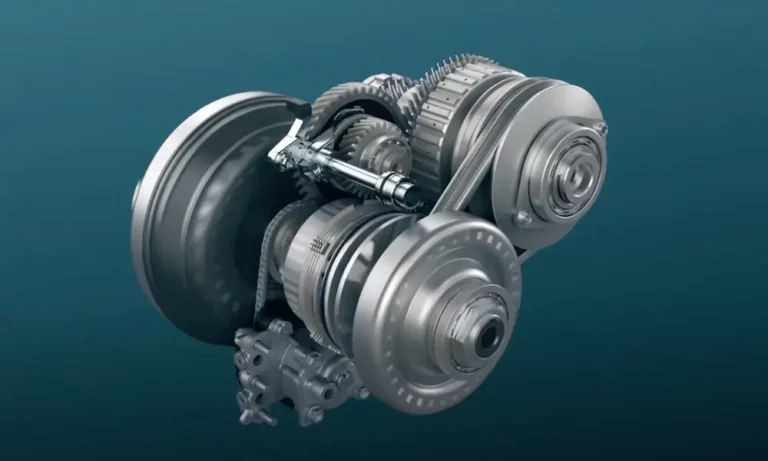
Unlike conventional transmissions, Toyota’s e-CVT doesn’t use traditional gears or belts. Instead, it employs a sophisticated planetary gearset that connects your gasoline engine with two electric motor-generators (called MG1 and MG2).
This clever design creates infinite gear ratios through electromagnetic control rather than physical parts sliding against each other. While this reduces wear compared to traditional transmissions, it introduces unique complexities.
How e-CVT Differs From Regular CVT
Toyota’s hybrid e-CVT should not be confused with the belt-driven CVTs found in many non-hybrid vehicles:
| Feature | Toyota e-CVT | Conventional CVT |
|---|---|---|
| Main components | Planetary gearset + electric motors | Push-belt + variable pulleys |
| Moving parts | Approximately 42 | 220+ |
| Typical failure points | Motor bearings, cooling system | Belt slippage, pulley wear |
| Fluid change interval | 60,000-100,000 miles (varies) | 30,000-60,000 miles |
The e-CVT design eliminates many traditional failure points seen in conventional transmissions, but introduces its own set of challenges.
Most Common Toyota e-CVT Problems
1. High-RPM Engine Surging
One of the most frequently reported e-CVT issues is unexpected engine revving—particularly during highway passing or climbing hills. Your Toyota might suddenly hold the engine at 3,500-4,500 RPM even with moderate acceleration.
This happens because:
- When your hybrid battery charge drops below 40%, the system prioritizes recharging over electric assist
- The engine compensates by working harder
- Thermal protection systems can reduce electric motor assistance, forcing more work onto the gas engine
While this behavior is usually normal, excessive engine revving that doesn’t match your acceleration needs could indicate battery degradation or cooling system issues.
2. Hesitation During Mode Transitions
Have you felt a brief “shudder” or hesitation when your Toyota transitions from electric to engine power? This momentary pause—typically lasting 0.3-0.5 seconds—occurs because:
- The system needs time to start the engine via MG1 (the starter-generator)
- There’s a brief torque imbalance in the planetary gearset
- Software must carefully balance power delivery during the transition
This issue is more noticeable in 2016-2020 models, as Toyota’s early production control units were more conservative about emissions during these transitions. Newer models have improved software that makes these transitions smoother.
3. Overheating and Performance Limiting
Perhaps the most serious e-CVT issue is overheating, which can trigger “limp mode” with symptoms like:
- Drastically reduced power (50-70 kW regardless of how far you press the accelerator)
- Speed limitations (typically capped at around 50 mph)
- Dashboard warning lights
This problem is most common during:
- Mountain driving
- Towing
- Stop-and-go traffic in hot weather
- Extended high-speed driving in temperatures above 95°F
The root cause? Toyota’s e-CVT shares a cooling system with the power inverter and hybrid battery. When one component gets too hot, the entire system must protect itself by reducing power.
Many overheating incidents can be traced to clogged battery intake filters or degraded coolant.
4. Bearing Wear in High-Mileage Vehicles
As Toyota hybrids accumulate significant mileage (typically 150,000+ miles), two main failure points emerge:
- Input shaft bearings: When worn, these produce a high-pitched whine during acceleration
- MG2 motor rotor bushings: Excessive play causes vibrations at 40-55 mph
These issues are most common in high-use vehicles like taxis and rideshare cars. The repair often requires partial transmission disassembly by a specialist.
5. Complete Power Loss (Rare but Serious)
A small percentage of Toyota hybrids—particularly 2016-2022 Prius models—have experienced sudden propulsion loss during uphill acceleration. Investigations have linked these incidents to:
- Improperly torqued drive shafts creating lateral forces on transmission components
- Software glitches causing false battery charge readings
Toyota has addressed many of these concerns through service bulletins and recalls. If you experience a complete power loss, contact Toyota directly to check if your vehicle is affected by any open recalls.
Model-Specific e-CVT Problems
Prius (2016-2022)
The most common Prius-specific issues include:
- Axle binding issues that can damage transmission output components
- False battery readings that prematurely disable electric motor assistance
- Cooling system inadequacies in hot climates
One owner on PriusChat forums noted: “My 2018 Prius would consistently lose power when climbing long grades in summer. The dealer finally found that the cooling system needed a complete flush and the battery intake filter was completely clogged.”
A comprehensive analysis of Prius transmission problems shows these cooling-related issues are most common in high-temperature environments.
RAV4 Hybrid (2019-2022)
RAV4 Hybrid owners have reported:
- More pronounced hesitation when transitioning to engine power
- Overheating concerns during towing
- Occasional inverter cooling issues
Toyota addressed many of these concerns with a service campaign that included coolant flow modifications and fan speed adjustments for improved battery cooling.
Highlander Hybrid
The larger Highlander Hybrid faces unique challenges:
- Higher component stress due to greater vehicle weight
- More severe overheating during towing operations
- Occasional transmission control module issues
According to multiple owner reports, some 2020-2021 Highlander models experienced premature transmission failures around 40,000 miles, though this appears limited to a small production batch.
Essential Maintenance to Prevent e-CVT Problems
Despite Toyota marketing their hybrid transmissions as “maintenance-free,” proper care significantly extends their lifespan:
Cooling System Maintenance
Your hybrid’s cooling system is critical to e-CVT health:
- Clean hybrid battery intake filters annually: These are typically located under your rear seats and collect dust over time.
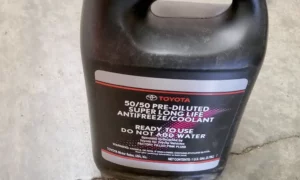
- Flush cooling system every 60,000 miles: Despite “lifetime fluid” claims, oil analysis shows viscosity breakdown at higher mileages, especially in hot climates.
- Inspect cooling fans and radiators: Ensure they’re clean and functioning properly.
Transmission Fluid Service
Toyota’s position on e-CVT fluid changes has evolved:
- Early models were marketed with “lifetime” transmission fluid
- Real-world experience shows benefits from periodic fluid changes
- Many independent Toyota specialists now recommend fluid changes every 60,000-100,000 miles
According to a Reddit discussion among Toyota owners, changing the fluid preventatively can dramatically extend transmission life, especially in severe driving conditions.
Hybrid Battery Care
Your hybrid battery directly impacts e-CVT performance:
- Maintain battery charge between 20-80% for optimal longevity
- Avoid extended periods of inactivity which can lead to battery degradation
- Use “EV Mode” sparingly in extreme temperatures
Warning Signs You Shouldn’t Ignore
Pay attention to these red flags that may indicate developing e-CVT problems:
- Unusual whining or grinding noises during acceleration
- Persistent check engine or hybrid system warning lights
- Unexplained reduction in fuel economy
- Shuddering or hesitation that worsens over time
- Transmission fluid that appears dark or smells burnt
Real-World e-CVT Reliability: What the Data Shows
Despite the issues covered here, Toyota’s e-CVT has proven remarkably reliable compared to conventional transmissions:
- Studies show 83% lower failure rates compared to belt-type CVTs after 100,000 miles
- Taxi fleets regularly achieve 300,000+ miles on original e-CVT systems
- The planetary gear design eliminates many traditional wear points
Most e-CVT problems stem from peripheral components rather than catastrophic internal failures. With proper maintenance, these systems routinely outlast conventional automatics.
Understanding Your Warranty Coverage
If you’re experiencing e-CVT issues, understand your warranty protection:
- Basic powertrain warranty: 5 years/60,000 miles
- Hybrid components (including e-CVT): 8 years/100,000 miles
- Emissions-related components: 8 years/80,000 miles
- California and CARB states: 10 years/150,000 miles on hybrid battery
For serious transmission concerns, you may qualify for coverage under Toyota’s customer support programs even outside normal warranty periods.
Preventing e-CVT Overheating During Demanding Driving
If you frequently drive in conditions that stress the e-CVT:
Mountain Driving Tips
- Use “B” mode when descending to maximize regenerative braking
- Take periodic cooling breaks during long climbs
- Monitor your dashboard for warning indicators
Towing Recommendations
Toyota hybrids have specific towing limitations to protect the e-CVT:
| Model | Maximum Towing Capacity | Special Precautions |
|---|---|---|
| Prius | Not recommended | Avoid towing entirely |
| RAV4 Hybrid | 1,750 lbs | Use “ECO” mode, avoid “Sport” |
| Highlander Hybrid | 3,500 lbs | Consider auxiliary transmission cooler |
Exceeding these limits significantly increases the risk of transmission damage.
The Future of Toyota’s e-CVT Technology
Toyota continues to refine their e-CVT systems:
- Newer models incorporate improved cooling systems
- Silicon carbide inverters reduce heat generation
- Updated software provides smoother power transitions
The fifth-generation system in the latest models (2023+) addresses many earlier concerns through enhanced thermal management and more sophisticated control algorithms.
Making Informed Decisions About Toyota Hybrids
Despite the potential issues, Toyota’s e-CVT remains one of the most reliable transmission technologies available:
- The design fundamentally produces less wear than conventional transmissions
- Most problems are preventable with proper maintenance
- When issues do occur, they typically develop gradually rather than catastrophically
For the highest reliability:
- Choose newer models with improved cooling systems
- Follow maintenance schedules diligently
- Address minor issues promptly before they escalate
If you’re purchasing a used Toyota hybrid, prioritize maintenance records over mileage—a properly maintained higher-mileage vehicle often represents better value than a neglected lower-mileage example.
By understanding how your Toyota’s e-CVT works and following appropriate maintenance procedures, you can enjoy hundreds of thousands of trouble-free miles from this innovative transmission system.