Seeing the “Brake Power Low” warning light on your Toyota Highlander’s dashboard is enough to make your heart skip a beat. This isn’t just another annoying light you can ignore – it’s a critical safety alert that needs immediate attention. Your braking system isn’t getting the support it needs to work properly, which could put you and your passengers at risk. Let’s dive into what’s causing this warning and how you can fix it.
What Does “Brake Power Low” Actually Mean?
When your Highlander flashes this warning, it’s telling you that your braking system isn’t receiving adequate vacuum assist or electronic support. In simple terms, your brakes need extra power to work effectively, and something’s preventing that from happening.
The warning usually comes with instructions to “Stop in Safe Place” – and you should take this advice seriously. Your brakes might still work, but they’ll require much more effort to stop the vehicle, and stopping distances will increase dramatically.
Battery Issues: The Surprising Main Culprit
Here’s something that surprises most Highlander owners: the most common cause of the “Brake Power Low” warning isn’t actually the brakes themselves – it’s a weak or failing 12-volt battery.
The brake control module in Toyotas is particularly sensitive to voltage fluctuations. When your battery starts to fail, one of the first systems to show problems is often the braking system.
Signs your battery might be causing the warning:
- Warning appears when trying to start the vehicle
- Other electrical systems are acting up (dim lights, slow power windows)
- Battery is more than 3-4 years old
- Warning disappears after a jump-start (temporarily)
If you can jump-start your Highlander and the warning goes away, you’ve likely found your problem. But this is just a temporary fix – you’ll need to replace the battery soon, or the warning will return within days.
Vacuum Pump Failures in Toyota Highlanders
Your Highlander uses an electric vacuum pump to provide braking assistance. The engine in many modern Toyotas (especially hybrids) doesn’t naturally create enough vacuum for proper brake assist, so this pump is essential.
When the vacuum pump fails, you’ll notice:
- Extremely hard brake pedal requiring significant physical effort
- Knocking or clunking sounds from the engine compartment
- The “Brake Power Low” warning message
- Reduced braking performance overall
2018 Highlander Recall Alert
If you own a 2018 Toyota Highlander, pay special attention. This model year was subject to a safety recall (J0K/JLD) for defective vacuum pumps that could cause sudden loss of brake assist. Toyota issued this recall after multiple reports of brake assist failure that could increase stopping distances and crash risk.
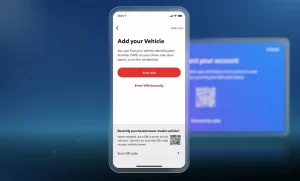
Check if your vehicle is affected by entering your VIN at Toyota’s recall website. If your vehicle is covered, Toyota will replace the vacuum pump assembly free of charge.
Brake Booster Problems
The brake booster multiplies the force you apply to the brake pedal. When it fails:
- Your brake pedal becomes extremely stiff
- You’ll need to push much harder to stop
- Your stopping distance increases dramatically
- You might hear hissing or squealing noises
Brake boosters have been problematic in several Highlander model years. Some 2008-2010 Highlander Hybrids experienced issues with the brake actuator assembly and brake booster pump assembly.
Vacuum Hose Issues
The vacuum system relies on hoses to transfer pressure. When these hoses crack, leak, or disconnect:
- The system can’t maintain proper vacuum
- The brake booster can’t function correctly
- You’ll get the “Brake Power Low” warning
These hoses are typically made of rubber and deteriorate over time, especially in hot climates or high-mileage vehicles. A visual inspection under the hood can sometimes reveal cracked or damaged vacuum lines.
Other Potential Causes
Low Brake Fluid
Your braking system relies on hydraulic fluid to transfer force from your foot to the brake calipers. If this fluid gets too low:
- Air can enter the system
- Braking performance degrades
- Warning lights activate
Check your brake fluid reservoir (located under the hood) to make sure it’s between the MIN and MAX lines. Low fluid could indicate a leak in the system that needs immediate attention.
Brake Fluid Leaks
If you notice puddles under your vehicle, especially near the wheels, you might have a brake fluid leak. Brake fluid typically looks clear to amber and feels slippery between your fingers.
Common leak points include:
- Brake line connections
- Caliper seals
- Master cylinder
- ABS control module
Contaminated Brake Fluid
Brake fluid absorbs moisture over time, which reduces its effectiveness and can cause corrosion inside the braking system. Most manufacturers recommend changing brake fluid every 2-3 years, but many owners neglect this maintenance item.
Signs of contaminated fluid include:
- Dark brown or black color (clean fluid is clear to light amber)
- Decreased braking performance
- Spongy brake pedal feel
Worn Brake Pads
While severely worn brake pads typically trigger a different warning, they can contribute to overall braking performance issues. If your pads are worn below the minimum thickness, they should be replaced immediately.
Diagnosing the Problem: Step-by-Step
Follow these steps to diagnose the cause of your “Brake Power Low” warning:
- Check the battery first
- Have it tested at an auto parts store (most offer free testing)
- Check the battery terminals for corrosion
- Ensure connections are tight
- Inspect brake fluid level
- Locate the reservoir under the hood (usually near the driver’s side firewall)
- Verify fluid is between MIN and MAX lines
- Note the fluid’s color and condition
- Look for visible leaks
- Check under the vehicle for fluid drips
- Inspect around all four wheels
- Look at brake lines running under the vehicle
- Listen for unusual sounds
- Vacuum pump failures often produce knocking sounds
- Failed brake boosters might make hissing noises
- Pay attention to sounds when pressing the brake pedal
- Test brake pedal feel
- With the engine running, press the brake pedal
- It should be firm but not extremely hard
- Note if it feels different than usual
Repair Costs: What to Expect
| Repair | Average Cost | DIY Difficulty |
|---|---|---|
| Battery replacement | $100-200 | Easy |
| Vacuum pump replacement | $300-500 | Moderate |
| Brake booster replacement | $700-1,000 | Difficult |
| Vacuum hose repair | $50-150 | Moderate |
| Brake fluid flush | $80-200 | Moderate |
| Master cylinder replacement | $400-600 | Difficult |
The good news? If your issue is just the battery, you’re looking at one of the least expensive repairs. Many auto parts stores will even install the battery for free when you purchase it from them.
How to Prevent Future “Brake Power Low” Warnings
Keep these maintenance tips in mind to prevent future brake system problems:
- Replace your battery every 3-4 years
Even if it seems to be working fine, batteries tend to fail around this age in most climates. - Flush brake fluid every 2-3 years
Fresh fluid prevents corrosion and maintains proper system performance. - Respond to unusual brake feel immediately
Don’t wait for warning lights if your brakes start feeling different. - Check for open recalls regularly
Visit Toyota’s recall website and enter your VIN to stay updated. - Follow Toyota’s maintenance schedule
The recommended service intervals in your owner’s manual are designed to prevent these issues.
What to Do When the Warning Appears
If the “Brake Power Low” warning illuminates while you’re driving:
- Remain calm but take the warning seriously
- Reduce speed gradually
- Increase following distance behind other vehicles
- Pull over safely as soon as possible
- Do not continue driving – have the vehicle towed to a repair facility
If the warning appears when starting the vehicle and you suspect a battery issue, you can attempt to jump-start the car. However, this is only a temporary solution – have the battery tested and replaced if necessary.
Highlander Models Most Affected
While any Toyota Highlander can experience this issue, certain model years have shown more frequent problems:
- 2018 Highlanders were subject to a specific vacuum pump recall
- 2008-2010 Highlander Hybrids have reported brake booster issues
- 2014-2019 models seem to experience battery-related brake warnings more frequently
If you own one of these model years, be especially vigilant about brake system maintenance and watch for early warning signs.
Remember, your braking system is your vehicle’s most important safety feature. Don’t ignore warnings about its performance – address them immediately to keep yourself and your passengers safe.