Looking to keep your Toyota Sienna running smoothly for years to come? Understanding the right service schedule can save you thousands in repairs and extend your minivan’s life. Whether you’ve just purchased a new Sienna hybrid or are maintaining an older model, this guide breaks down exactly when and what maintenance your vehicle needs.
Oil Change Intervals for Toyota Sienna: What Toyota Recommends vs. Reality
The debate around oil change frequency for Toyota Siennas centers on the gap between manufacturer recommendations and what mechanics actually suggest.
Factory Recommended Schedule
Toyota officially recommends oil changes for the Sienna at:
- Every 10,000 miles or 12 months under normal driving conditions when using 0W-16 synthetic oil
- This extended interval is part of Toyota’s maintenance schedule for modern vehicles with synthetic oil
What Toyota Mechanics Actually Recommend
Despite Toyota’s official stance, many Toyota-certified mechanics suggest more frequent changes:
- Every 5,000 miles or 6 months for optimal engine protection
- This recommendation comes from Toyota Master Diagnostic Technicians like the popular “Car Care Nut” who see the real-world impacts of extended oil change intervals
Toyota’s official recommendation assumes ideal driving conditions, but most of us don’t drive in perfect scenarios. The 5,000-mile interval provides a safety buffer that many experienced mechanics believe is worth the extra cost.
Special Conditions Requiring More Frequent Changes
You should definitely follow the 5,000-mile schedule if you regularly experience:
- Frequent stop-and-go traffic (especially in city driving)
- Short trips where the engine doesn’t fully warm up
- Dusty or extreme climate conditions
- Heavy loads or towing
- High-speed driving for extended periods
These conditions create more stress on your engine oil, causing it to break down faster than under ideal circumstances.
The Complete Toyota Sienna Maintenance Timeline
Following a structured maintenance schedule keeps your Sienna running smoothly. Here’s what needs attention at each milestone:
Every 5,000 Miles (6 Months)
This first checkpoint focuses on preventative care:
- Rotate tires to ensure even wear and extended tire life
- Inspect brake components including pads, rotors, and calipers
- Check all fluid levels (brake, power steering, coolant, washer fluid)
- Inspect windshield wipers for effectiveness
- Check exterior lights for proper operation
- Clean HV battery filter (hybrid models only)
These simple checks can prevent major issues before they start. Tire rotations are particularly important for minivans like the Sienna, which can experience uneven wear due to their weight distribution.
Every 10,000 Miles (12 Months)
At this interval, deeper maintenance begins:
- Perform all 5,000-mile services
- Change engine oil and filter using 0W-16 synthetic oil
- Replace oil drain plug gasket to prevent leaks
- Inspect cabin air filter (replace if dirty)
While Toyota says oil changes can wait until this point, many owners opt for the 5,000-mile oil change instead and use this checkpoint for the other maintenance items.
Every 15,000 Miles (18 Months)
This checkpoint adds several critical inspections:
- Perform all 10,000-mile services
- Inspect cooling system including radiator and hoses
- Check suspension components for wear or damage
- Inspect exhaust system for leaks or deterioration
- Check brake lines and hoses for leaks or damage
- Inspect drive shaft boots for cracks or leaks
- Check steering gear operation and condition
These inspections can identify potential failures before they leave you stranded. Pay particular attention to the cooling system check, as overheating can cause catastrophic engine damage.
Every 30,000 Miles (36 Months)
This major service interval includes several replacements:
- Perform all 15,000-mile services
- Replace engine air filter to maintain performance
- Replace cabin air filter for clean interior air
- Change brake fluid to prevent brake system corrosion
- Inspect drive belts for cracks or wear
The air filter replacement is particularly important for maintaining fuel economy and preventing engine contamination. Many owners report noticeable performance improvements after this service.
Every 60,000 Miles (72 Months)
At this point, several major components need attention:
- Perform all 30,000-mile services
- Replace spark plugs for optimal combustion
- Inspect transmission fluid and replace if needed
- Check fuel system components for leaks or damage
Spark plug replacement is crucial for maintaining performance and fuel economy. Modern iridium plugs last longer than older designs, but they still need replacement at this interval.
Every 100,000 Miles (120 Months)
This major milestone requires attention to long-term systems:
- Perform all 60,000-mile services
- Replace engine and inverter coolant to prevent corrosion
- Inspect PCV (Positive Crankcase Ventilation) system
- Conduct major system inspections of all critical components
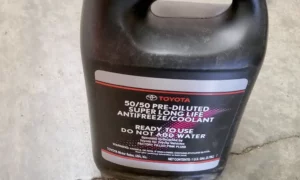
Coolant replacement is absolutely critical at this stage, as degraded coolant can cause expensive damage to the engine and hybrid components. The Toyota maintenance guide emphasizes the importance of using genuine Toyota coolant for these services.
Hybrid-Specific Maintenance for 2021+ Toyota Sienna Models
Since 2021, all Sienna models come exclusively as hybrids, requiring special attention to these components:
Hybrid Battery System Maintenance
The hybrid battery system needs regular care:
- HV battery filter: Inspect every 5,000 miles, clean every 10,000 miles
- Inverter coolant: Replace every 100,000 miles or 10 years
- Battery cooling system: Check for proper operation at every service
Neglecting the HV battery filter can reduce battery performance and lifespan. Keeping it clean ensures proper cooling and extends the hybrid system’s life.
Hybrid Transmission Considerations
The Sienna’s hybrid transmission has different needs:
- Toyota’s specification suggests the transmission fluid is a “lifetime” fill
- However, many mechanics recommend changes at 60,000-100,000 miles
- The hybrid system’s built-in transmission cooler helps extend fluid life compared to traditional transmissions
Cost-Saving Maintenance Strategies for Toyota Sienna Owners
Being strategic about maintenance can save money while protecting your investment:
Maintenance Cost Comparison: Dealer vs. Independent Shop vs. DIY
| Service Type | Dealer Average Cost | Independent Shop | DIY Cost | Potential Savings |
|---|---|---|---|---|
| Oil Change & Filter | $89-120 | $65-85 | $35-45 | Up to $85 per service |
| Tire Rotation | $30-50 | $20-30 | $0 (with tools) | Up to $50 per service |
| Cabin Air Filter | $60-90 | $40-60 | $15-25 | Up to $75 per service |
| Engine Air Filter | $70-100 | $45-65 | $20-30 | Up to $80 per service |
| Brake Fluid Flush | $120-150 | $85-110 | $40-60 | Up to $110 per service |
DIY-Friendly Maintenance Items
Several maintenance tasks are relatively easy for home mechanics:
- Oil changes: Straightforward with basic tools
- Air filter replacement: Simple access, no special tools required
- Cabin air filter: Located behind the glove box with easy access
- Wiper blade replacement: Quick swap with no tools needed
- Battery inspection and cleaning: Simple with basic tools
Even if you prefer professional service for most items, these DIY tasks can save hundreds over your ownership period.
Critical Warning Signs Your Toyota Sienna Needs Immediate Service
Don’t ignore these signals that maintenance is overdue:
Dashboard Warning Lights
Pay immediate attention to these indicators:
- Check Engine Light: Can indicate numerous issues from minor to severe
- VSC/Traction Control Lights: Often signal wheel speed sensor or stability control issues
- Brake System Warning: May indicate low fluid, worn pads, or ABS problems
- Hybrid System Warning: Requires immediate attention as it affects drivetrain function
- Oil Pressure Warning: Stop driving immediately to prevent engine damage
Performance Warning Signs
These symptoms suggest maintenance issues:
- Reduced fuel economy: Often the first sign of engine problems
- Unusual noises: Especially grinding, clunking, or squealing
- Vibration or pulling: Suggests alignment, tire, or brake issues
- Hard starting or rough idle: Indicates ignition or fuel system problems
- Fluid leaks: Any colored fluid under the vehicle requires investigation
Most serious problems begin with minor symptoms. Addressing them early is always cheaper than waiting for a breakdown.
Winter and Summer: Seasonal Maintenance for Toyota Sienna
Different seasons demand specific attention to certain systems:
Winter Preparation (Fall Service)
Before cold weather arrives:
- Check battery strength: Cold weather reduces battery efficiency
- Test antifreeze protection level: Ensure protection to local minimum temperatures
- Inspect heating system: Confirm proper operation before you need it
- Check tire tread depth: Winter driving demands adequate tread
- Replace wiper blades: Winter precipitation requires optimal visibility
Summer Preparation (Spring Service)
Before hot weather hits:
- Test air conditioning performance: Recharge if needed before summer demand
- Check cooling system operation: Prevent overheating in hot conditions
- Inspect belt condition: Heat accelerates deterioration
- Test battery: Heat is actually harder on batteries than cold
- Check cabin air filter: Ensure clean air during allergy season
Resale Value: How Service Records Impact Your Toyota Sienna’s Worth
Maintaining comprehensive service records directly affects your Sienna’s value:
- Complete service history can add 5-10% to resale value
- Documented hybrid system maintenance is particularly valuable for newer models
- Receipts for major services provide confidence to potential buyers
- Regular dealer service stamps in the maintenance book carry weight with buyers
- Digital maintenance logs from apps or dealer systems are increasingly valued
Toyota Siennas already enjoy strong resale value, but proper documentation of regular maintenance can add thousands to your selling price.
Toyota Sienna Service Reminders: Never Miss Maintenance Again
Stay on top of your maintenance schedule with these strategies:
- Use Toyota’s maintenance reminder system in the dashboard
- Set calendar reminders on your phone for time-based intervals
- Track mileage with a maintenance app like CARFAX Car Care or aCar
- Place a small sticker in the corner of your windshield with the next service mileage
- Register for dealer service reminders via email or text
The most expensive maintenance is the maintenance you forget to do. A simple reminder system prevents costly oversights.
Toyota Sienna Extended Warranty vs. Regular Maintenance: What Makes Financial Sense?
When deciding between extended warranty coverage and paying for regular maintenance:
The Cost Analysis
- Basic maintenance: Expect around $600-800 annually for by-the-book service
- Extended warranty: Typically $1,500-3,000 for 3-5 years of coverage
- Potential repairs: Major hybrid system repairs can exceed $5,000 without warranty
- Reliability factor: Toyota Siennas rank high in reliability, reducing the statistical value of extended coverage
For most owners, following the maintenance schedule proves more economical than purchasing extended coverage, but those planning to keep their Sienna beyond 100,000 miles might benefit from the peace of mind an extended warranty provides.
Why Toyota Sienna Service Schedule Matters: The Long-Term Impact
Adhering to the proper service schedule affects your Sienna in multiple ways:
- Longevity: Properly maintained Siennas commonly exceed 300,000 miles
- Reliability: Regular maintenance prevents most common breakdowns
- Safety: Maintained brake, tire and steering systems protect your family
- Fuel economy: Regular maintenance preserves optimal efficiency
- Warranty protection: Following service guidelines preserves warranty coverage
The average Toyota Sienna can last 15+ years with proper care. Given the significant investment a Sienna represents, regular maintenance delivers exceptional return on investment.