Ever tried to replace a starter on your Toyota Tundra only to spend hours searching for where it’s actually located? You’re not the first owner to find yourself in this frustrating situation. Toyota has placed the starter in different spots across Tundra generations, and finding it can feel like a mechanical treasure hunt.
Where Is the Toyota Tundra Starter Located?
The Toyota Tundra starter location varies by generation and engine type:
- First-Gen (2000-2006): With the 4.7L V8, the starter is hidden under the intake manifold in the engine’s “V” valley
- Second-Gen (2007-2021): On 4.6L engines, it’s on the passenger side near the transmission; on 5.7L engines, it’s tucked between the right exhaust manifold and engine block
- Third-Gen (2022+): With the new twin-turbo 3.5L engines, Toyota moved the starter to the driver’s side of the transmission bellhousing for better access
Let’s dig deeper into each generation to help you locate and service your Tundra’s starter.
First-Generation Tundra (2000-2006) Starter Location
4.7L V8 Engine Starter Position
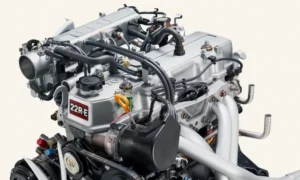
If you own a first-gen Tundra with the 4.7L 2UZ-FE engine, prepare for some serious disassembly. Toyota placed the starter under the intake manifold, nestled in the valley of the engine block.
This location has pros and cons:
Advantages:
- Protected from road debris and elements
- Better thermal protection from extreme heat cycles
Disadvantages:
- Extremely difficult to access and replace
- Requires removal of intake components
To access this starter, you’ll need to remove:
- Air intake assembly
- Throttle body
- Fuel rail
- Intake manifold
Only then can you reach the two 14mm mounting bolts that secure the starter. DIY mechanics report spending 4-6 hours on this job alone due to the complicated location.
Second-Generation Tundra (2007-2021) Starter Location
The second-gen Tundra came with two engine options, each with a different starter placement.
4.6L Engine Starter Location
On 4.6L 1UR-FE engines, Toyota positioned the starter on the passenger side of the engine block next to the transmission bellhousing. While easier to access than the first-gen design, it still requires some disassembly.
To access this starter, you’ll need to:
- Remove the right front wheel
- Take off the splash shield
- Remove heat shields covering the exhaust manifold
The 4.6L starter is partially blocked by the engine mount bracket, so you’ll need a 14mm swivel socket and extensions to remove the mounting bolts.
5.7L Engine Starter Location
The 5.7L 3UR-FE engine presents the most challenging starter location in the second generation. Here, Toyota tucked the starter between the right exhaust manifold and the engine block, behind multiple heat shields.
This placement creates several challenges:
- Limited Access: The starter is almost completely hidden from view
- Heat Exposure: Its proximity to the exhaust manifold subjects it to extreme heat
- Difficult Removal: The factory service manual actually recommends detaching the exhaust manifold for proper access
For 4×4 models, the job becomes even more complicated because the front differential and half-shaft further obstruct access. Many mechanics report having to remove the axle shaft or work through the wheel well to replace the starter.
Third-Generation Tundra (2022-Present) Starter Location
The good news for new Tundra owners is that Toyota finally responded to accessibility complaints. With the third-gen models featuring twin-turbocharged 3.5L V6 engines (i-FORCE and i-FORCE MAX hybrid), the starter moved to a more sensible location.
You’ll find it on the driver’s side of the transmission bellhousing, secured by three 12mm bolts. This placement significantly reduces interference from exhaust components and makes replacement much easier compared to earlier V8 models.
Starter Accessibility Comparison
| Generation | Engine | Starter Location | Access Difficulty | Estimated Replacement Time |
|---|---|---|---|---|
| First-Gen | 4.7L | Under intake manifold | Very High | 4-6 hours |
| Second-Gen | 4.6L | Passenger side, near transmission | Moderate | 2-3 hours |
| Second-Gen | 5.7L | Behind right exhaust manifold | High | 3-5 hours |
| Third-Gen | 3.5L V6 | Driver’s side, transmission bellhousing | Low | 1-2 hours |
Common Starter Issues in Toyota Tundras
Heat-Related Failures
The starter in second-gen 5.7L Tundras is particularly prone to heat damage due to its position near the exhaust manifold. The solenoid wiring harness often becomes brittle after prolonged heat exposure.
Many owners apply DEI heat shield tape to the starter as a preventative measure. Toyota also includes a dedicated heat shield, though it’s sometimes insufficient for trucks used in extreme conditions or for heavy towing.
Corroded Connections
In regions where road salt is used, Tundra starters frequently suffer from terminal corrosion. Mechanics recommend applying dielectric grease to electrical connections and regularly inspecting the solenoid harness for damage.
Starting Problems in Extreme Weather
During cold weather, the already cramped position of the starter can exacerbate starting problems. The metal contracts in cold temperatures, and if the starter’s already struggling, these conditions can push it over the edge.
DIY Replacement Tips
If you’re brave enough to replace your Tundra’s starter yourself, here are some model-specific tips:
First-Gen (4.7L) Tips:
- Set aside a full day
- Take photos as you disassemble to help with reassembly
- Label all vacuum lines and electrical connections
- Have intake gaskets ready for replacement
Second-Gen (5.7L) Tips:
- Use penetrating oil on starter bolts several hours before removal
- Consider removing the passenger-side wheel for better access
- Use a 6-point socket instead of 12-point for better grip on possibly corroded bolts
- Thread-lock the bolts when reinstalling to prevent loosening from vibration
For All Models:
- Disconnect the battery before starting
- Check the wiring harness for damage while you’re in there
- Test the starter before fully reassembling everything
- Clean the mounting surface for better electrical ground
Preventative Maintenance
To extend your Tundra starter’s life:
- Add Heat Protection: For 5.7L engines, wrap the starter in heat-reflective tape
- Keep Connections Clean: Apply dielectric grease to electrical connections
- Perform Regular Inspections: Check for cracked wiring insulation
- Address Starting Issues Early: If you notice the engine cranking slowly, diagnose before complete failure
OEM vs. Aftermarket Starter Options
When replacing your Tundra’s starter, you have several options:
OEM Toyota Starter
- Pros: Direct replacement, quality assurance
- Cons: Typically more expensive ($400-700)
Remanufactured OEM Starter
- Pros: Less expensive than new OEM ($250-400), same specifications
- Cons: Quality depends on remanufacturing process
Aftermarket Starters
- Pros: Most affordable option ($150-300), often come with longer warranties
- Cons: Quality varies significantly between brands
Popular aftermarket brands with good reputations include Denso (OEM supplier to Toyota), Bosch, and ACDelco.
Upgrading Your Starter
If you’ve experienced multiple starter failures, especially in a 5.7L Tundra, consider these upgrades:
- High-Torque Starter: Some aftermarket options offer more cranking power
- Ceramic-Coated Exhaust: Reduces heat transfer to the starter
- Enhanced Heat Shields: Additional protection beyond factory equipment
These modifications can be worthwhile investments for trucks used in extreme conditions or for heavy towing.
Toyota Tundra Starter Specs
| Engine | Starter Type | Gear Reduction | Typical Amperage Draw |
|---|---|---|---|
| 4.7L V8 | Gear reduction | Yes | 160-180 amps |
| 4.6L V8 | Gear reduction | Yes | 160-180 amps |
| 5.7L V8 | Gear reduction | Yes | 180-200 amps |
| 3.5L V6 | High-efficiency | Yes | 150-170 amps |
As you can see from the specs, Toyota has consistently used gear-reduction starters in the Tundra, which provide more torque while drawing less current than direct-drive starters. The newer 3.5L engines benefit from improved starter efficiency and lower amperage draw.
Signs Your Tundra Starter Is Failing
Watch for these warning signs that your starter might be on its way out:
- Slow Cranking: Engine turns over more slowly than normal
- Grinding Noises: Indicates worn starter drive gear or flexplate teeth
- Clicking Sound: The solenoid is activating but the starter isn’t engaging
- Intermittent Starting: Works sometimes but not others
- Smoke: Visible smoke from starter area during cranking (severe overheating)
Addressing these symptoms early can save you from being stranded and may prevent more expensive repairs.
Last Thoughts on Toyota Tundra Starter Location
Toyota’s placement of starters in the Tundra has evolved over the generations. While the first and second-gen models prioritized protection from environmental factors over serviceability, the third-gen finally brings a more accessible design.
If you’re buying a used Tundra, factor in the potential cost and difficulty of starter replacement based on the model year and engine. Second-gen 5.7L owners should be particularly vigilant about heat protection for their starters.
Understanding your truck’s starter location and common failure points will help you maintain this critical component and avoid unexpected starting problems when you least expect them.