Got a grinding noise coming from your wheels? It might be your wheel bearing crying for help. Toyota wheel bearing replacement is one of those repairs that sneaks up on you — and ignoring it can turn a $400 fix into a $2,000 nightmare. Here’s everything you need to know before you hand over your keys.
What Does a Wheel Bearing Actually Do?
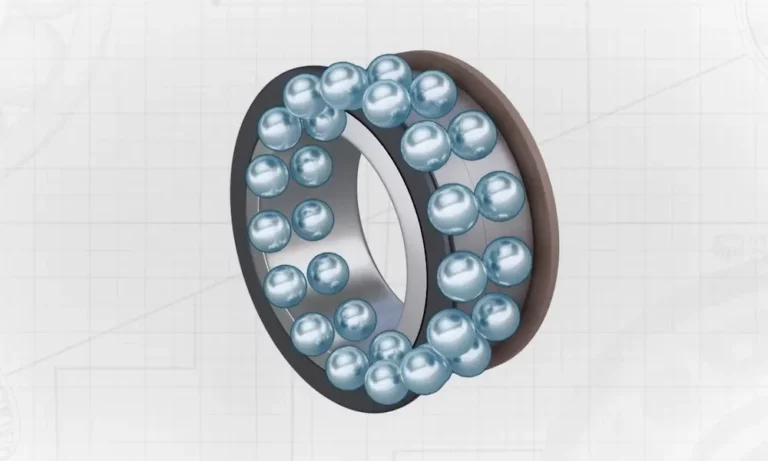
Your wheel bearing sits between your wheel hub and axle. It lets the wheel spin smoothly while carrying the full weight of your vehicle. It handles constant load, heat, and road vibration — every single mile.
When it wears out, things get noisy fast.
Toyota uses pressed or bolt-on wheel bearing assemblies depending on the model. Older Tacomas and 4Runners use traditional tapered roller bearings. Most modern Camrys, RAV4s, and Corollas use sealed hub assemblies — meaning you replace the entire hub unit rather than repacking individual bearings.
Warning Signs Your Toyota Wheel Bearing Is Failing
Don’t wait until the wheel wobbles. These are the signs you need to watch for:
- Grinding or growling noise that increases with vehicle speed
- Humming or rumbling that changes when you swerve left or right
- Wheel wobble felt through the steering wheel at highway speeds
- Uneven tire wear with no obvious alignment cause
- ABS warning light illuminating (wheel speed sensors live inside the hub assembly)
- Clicking or snapping during sharp turns, especially on front-wheel-drive models
A quick test: drive at 40 mph on an empty road and gently swerve left and right. If the noise gets louder when turning one direction, the bearing on the opposite side is likely the culprit. Weight shifts away from the bad bearing, loading it harder.
Toyota Wheel Bearing Replacement Cost by Model
Costs vary significantly based on your specific Toyota, whether it’s front or rear, and where you take it.
| Toyota Model | Front Bearing Cost (Parts + Labor) | Rear Bearing Cost (Parts + Labor) |
|---|---|---|
| Toyota Camry | $280 – $480 | $260 – $450 |
| Toyota Corolla | $250 – $420 | $230 – $400 |
| Toyota RAV4 | $300 – $520 | $280 – $490 |
| Toyota Tacoma | $350 – $600 | $320 – $560 |
| Toyota Tundra | $420 – $720 | $390 – $680 |
| Toyota 4Runner | $380 – $650 | $360 – $620 |
| Toyota Highlander | $310 – $530 | $290 – $510 |
| Toyota Prius | $270 – $450 | $250 – $430 |
Labor typically runs 1–2 hours per bearing on most Toyota models. Rear bearings on older trucks can take longer if the axle needs to come out.
Parts cost splits into two categories:
- OEM Toyota hub assembly: $150–$400 depending on model
- Aftermarket hub assembly: $60–$180 from reputable brands like Moog, SKF, or Timken
OEM vs. Aftermarket Wheel Bearings: Which Should You Choose?
This is a real decision, not a throwaway choice.
OEM Toyota bearings are precision-fit, come pre-greased, and include the wheel speed sensor ring already installed. They’re the safest bet for newer vehicles still under warranty or if you’re keeping the car long-term.
Quality aftermarket bearings from brands like SKF, Moog, or FAG offer solid performance at a lower price. Avoid ultra-cheap no-name bearings from unknown suppliers — wheel bearings carry your entire vehicle at speed. A failed bearing can cause a wheel to seize or separate. That’s not a risk worth taking.
Quick rule of thumb:
- Daily driver under 100k miles → OEM or premium aftermarket
- High-mileage vehicle you’re keeping another 2-3 years → quality aftermarket
- Flip or budget repair → mid-tier aftermarket with a warranty
How Toyota Wheel Bearing Replacement Works
Here’s what actually happens during the repair so you know what you’re paying for.
Front Wheel Bearing (FWD/AWD Models — Camry, RAV4, Corolla)
- Jack up the vehicle and remove the wheel
- Remove the brake caliper and rotor
- Disconnect the ABS sensor wire
- Remove the axle nut (these are torqued to 150–200 ft-lbs — you need a breaker bar)
- Disconnect the tie rod end and lower control arm ball joint
- Press or pull the CV axle from the hub
- Unbolt the hub assembly (3–4 bolts on most Toyota models)
- Install the new hub assembly
- Reassemble in reverse order
- Torque everything to spec — especially the axle nut
The axle nut torque spec matters. Under-torquing it causes premature bearing failure. Over-torquing damages the new bearing immediately.
Rear Wheel Bearing (RWD Trucks — Tacoma, Tundra, 4Runner)
Older Toyota trucks use separate inner and outer tapered roller bearings packed with grease. The replacement process involves:
- Remove the wheel, brake drum or rotor
- Pull the axle shaft (rear axle bearings on solid-axle trucks press onto the axle)
- Press off the old bearing using a hydraulic press
- Press on the new bearing and seal
- Reinstall and repack with fresh grease
This job genuinely requires a hydraulic press. It’s not a driveway repair unless you have the equipment.
Can You Drive on a Bad Wheel Bearing?
Technically yes. Practically — don’t.
A failing wheel bearing gets worse every mile. Here’s what happens if you ignore it:
- Stage 1: Mild hum, barely noticeable at low speed
- Stage 2: Loud grinding, noticeable vibration, ABS light on
- Stage 3: Severe wobble, metal-to-metal contact, heat buildup
- Stage 4: Wheel seizes or separates entirely
The NHTSA has documented numerous complaints related to wheel bearing failures causing loss of vehicle control. Once you hit Stage 3, you’re looking at potential damage to the CV axle, spindle, and knuckle — parts that cost far more than a simple bearing swap.
If the grinding is constant and loud, stop driving and get it checked immediately.
How Long Do Toyota Wheel Bearings Last?
Most Toyota wheel bearings last 85,000 to 100,000 miles under normal conditions. Several factors shorten that lifespan:
- Driving on rough or unpaved roads regularly
- Frequent water crossings (destroys grease seals)
- Hard cornering and aggressive driving
- Previous improper installation (wrong torque specs, hammer installation without a press)
- Pothole impacts that create micro-cracks in the bearing race
Toyota trucks used off-road or in mountain terrain often need bearing service every 50,000–70,000 miles. City Camrys on smooth pavement can easily push past 120,000 miles on original bearings.
DIY or Shop: What Makes Sense for Your Toyota?
DIY-Friendly Jobs
- Rear bearings on 2WD Camry or Corolla — bolt-on hub assemblies, basic tools required
- Front hub assemblies on FWD Toyotas — doable with a torque wrench, socket set, and a floor jack
- Tapered bearings on older trucks — straightforward if you have a grease gun and patience
Leave It to a Shop
- Press-fit rear axle bearings on Tacoma, Tundra, 4Runner — requires a hydraulic press, no exceptions
- Front bearings on AWD RAV4 or Highlander — involve the front differential and transfer case, more complex disassembly
- Any vehicle still under warranty — DIY bearing work can void powertrain warranty coverage
If you’re not confident in your torque specs and you don’t own a proper torque wrench, pay a shop. Incorrectly installed wheel bearings fail fast and dangerously.
What Else Gets Checked During a Bearing Replacement?
A good mechanic won’t just swap the bearing and send you home. While everything’s apart, they should inspect:
- CV axle boots for tears or grease leakage
- Ball joints for play or torn boots
- Tie rod ends for looseness
- Brake rotors and pads for wear
- Wheel speed sensor for damage or corrosion
- Hub knuckle for cracks or distortion from bearing failure
Catching a cracked CV boot at the same time saves a return trip and additional labor charges. The parts are cheap — the labor overlap makes it worth doing together.
Frequently Asked Questions
Does insurance cover wheel bearing replacement?
Standard auto insurance doesn’t cover mechanical wear items like wheel bearings. Comprehensive and collision coverage only applies to accident or weather-related damage. If a pothole specifically caused the failure, some policies have specific provisions — check your policy details. An extended warranty or vehicle service contract may cover wheel bearings depending on the plan level.
Can a bad wheel bearing damage other parts?
Yes, and quickly. A failed bearing creates excessive play in the hub. That play stresses the CV axle, causing accelerated wear or snapping it entirely. It also damages the ABS wheel speed sensor, which sits inside or adjacent to the hub. In severe cases, the hub knuckle itself can crack from the vibration and heat.
How do I know which wheel bearing is bad?
The swerve test works well — noise gets louder when you shift weight onto the bad bearing. For a more precise diagnosis, have a shop spin each wheel by hand with the vehicle lifted. A rough, grinding feel in the hub confirms the failed side. Many shops also use a chassis ear (electronic listening device) to isolate the noise while driving.
What happens if I replace only one wheel bearing?
Replace the one that’s failed. You don’t need to replace both sides simultaneously the way you replace tires in pairs. However, if both sides have similar mileage and one just failed, the other isn’t far behind. Many mechanics recommend replacing both at the same service if both are original and high-mileage — it saves on labor costs later.
Is wheel bearing replacement covered under Toyota’s warranty?
New Toyotas come with a 3-year/36,000-mile bumper-to-bumper warranty and a 5-year/60,000-mile powertrain warranty. Wheel bearings typically fall under bumper-to-bumper coverage for manufacturing defects. Normal wear and tear isn’t covered. If your bearing fails prematurely — say, at 20,000 miles — bring it to a Toyota dealer and push for warranty coverage.
How long does the repair take at a shop?
Most front or rear bearing replacements take 1–2 hours. Add another 30 minutes if the old hardware is heavily rusted, which is common in northern states where road salt accelerates corrosion. Pressed axle bearings on trucks can take 3+ hours depending on rust and axle condition.