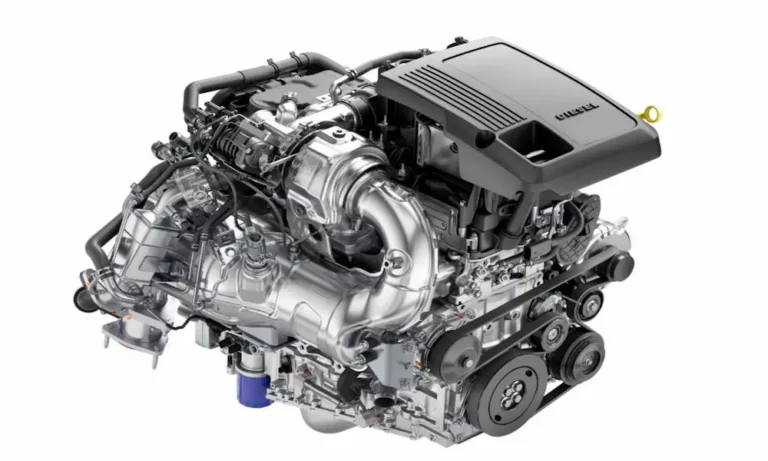
Picking the best Duramax engine isn’t as simple as grabbing the newest one. Each generation has a personality — some are mechanical legends, others are towing monsters, and a few have expensive skeletons in their closet. This guide breaks down every Duramax generation so you can find the right one for your wallet, your work, and your sanity.
How the Duramax Story Started
In the late 1990s, GM’s aging 6.5-liter Detroit Diesel was getting crushed by Ford’s 7.3-liter Power Stroke and Dodge’s Cummins inline-six. GM needed a real competitor — fast.
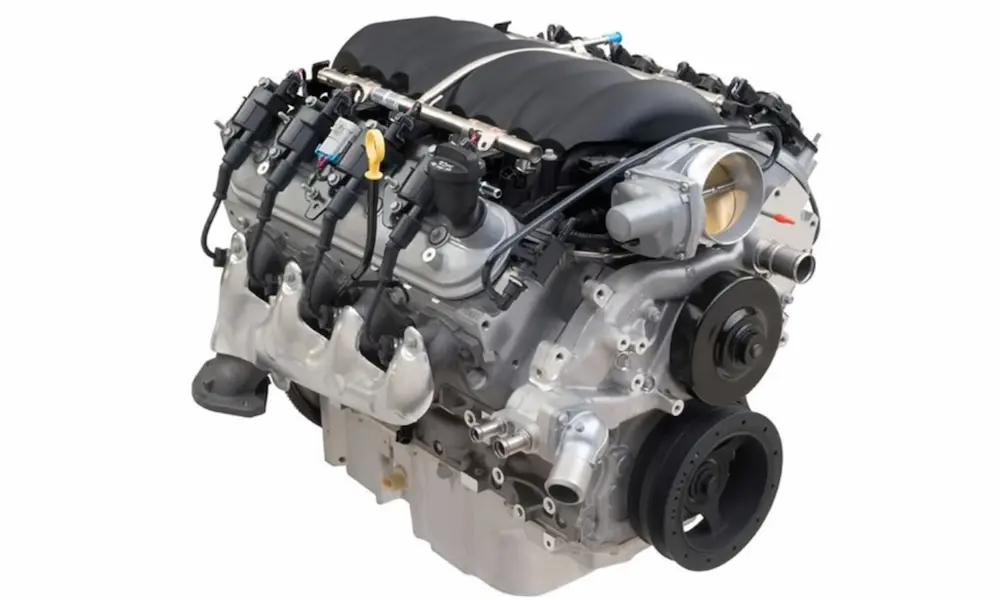
So GM partnered with Isuzu to form DMAX Ltd. and build a diesel engine from scratch. The result was the 6.6-liter Duramax V8, launched in the 2001 Silverado and Sierra HD. It was the first heavy-duty diesel pickup in the US with high-pressure common-rail injection. That was a big deal.
Six distinct generations followed. Each kept the 6.6-liter displacement but changed almost everything inside. Here’s what you need to know about each one.
The 6.6-Liter Duramax Generations Ranked
LB7 (2001–2004): The Engine That Started It All
The LB7 hit 300 horsepower and 520 lb-ft of torque by the end of its run. It used a Bosch CP3 high-pressure injection pump capable of 23,000 psi — serious hardware for its time.
The best part? Zero exhaust aftertreatment. No EGR. No DPF. No DEF. Just clean, simple diesel engineering.
The big problem: The fuel injectors sit completely under the valve covers, bathed in hot engine oil 24/7. The factory injectors crack at the ball seat — usually around 150,000 miles. When they fail, raw diesel leaks into the crankcase, trashes your oil, and destroys your bearings if you keep driving.
Replacing them means pulling the valve covers and most of the top end — repair bills regularly hit $3,000–$4,000.
The fix: Install upgraded aftermarket injectors and add an auxiliary lift pump for better filtration. Do that, and a well-maintained LB7 can push past 400,000 miles without breaking a sweat.
LLY (2004.5–2005): Better Injectors, Worse Cooling
GM improved the LLY in several ways. Power climbed to 310 hp and 605 lb-ft. The new Garrett variable-geometry turbocharger killed turbo lag and added real engine braking. GM also redesigned the cylinder heads so injectors could finally be serviced without tearing the engine apart.
Then the overheating problem showed up.
The big problem: The factory turbo inlet manifold — the “mouthpiece” feeding air to the turbo — is terribly restrictive. It starves the Garrett VGT of airflow, forcing the compressor to work overtime. Intake temps spike. The intercooler and radiator get overwhelmed. The fan clutch can’t keep up. Coolant temps skyrocket, warping cylinder heads and popping head gaskets — especially when towing in heat.
The fix: Swap in a high-flow aftermarket turbo inlet, upgrade the radiator, and install a better fan clutch. After those three fixes, the LLY becomes a solid, durable platform.
LBZ (2006–2007): The One Everyone Wants
Ask any diesel mechanic, tuner, or longtime truck owner what the best Duramax engine is, and most will say LBZ without hesitating. It deserves that reputation.
GM reinforced everything. Thicker block casting. Stronger main bearing webs. Beefier connecting rods. The CP3 pump was upgraded to hit 26,000 psi. Power jumped to 360 hp and 650 lb-ft — paired for the first time with the six-speed Allison 1000.
The LBZ is also the last Duramax built without a Diesel Particulate Filter or SCR system. No regeneration cycles wasting fuel. No DEF to refill. No sensor cascade from soot-clogged aftertreatment equipment.
Known issues: Crimped transmission cooler lines can leak, and factory water pumps tend to quit between 100,000–150,000 miles. Both are cheap, easy fixes.
Tuning potential: The LBZ responds spectacularly to aftermarket calibration. The stock bottom end handles 600+ horsepower reliably. The factory Garrett turbo supports about 530 hp before needing an upgrade.
Because of all this, LBZ trucks command serious money on the used market — often selling for the same price as trucks a decade newer.
LMM (2007.5–2010): Where Emissions Complexity Begins
The LMM kept the LBZ’s strong internals — same block, same CP3 pump, same connecting rods. Power crept up to 365 hp and 660 lb-ft. Mechanically, it’s nearly as tough as the LBZ.
But this is where things got complicated. The LMM was the first Duramax with a Diesel Particulate Filter. When the filter fills with soot, the ECM triggers active regeneration — injecting raw diesel late in the exhaust stroke, burning soot at over 1,000°F.
The big problem: Trucks used for short trips or idle-heavy work never complete a full regen cycle. The DPF clogs. The truck goes into limp mode. And the late-injection strategy slowly dilutes engine oil with diesel fuel over time.
Under heavy tuning, the aluminum pistons also show a tendency to crack down the centerline — not an issue at stock power levels, but worth knowing.
Who it’s for: The LMM makes a smart, value-oriented alternative to the expensive LBZ — especially for buyers who tow on the highway regularly and can keep the DPF cycling clean.
LML (2011–2016): Big Power, Bigger Risk
The LML was a serious overhaul. Stronger block, reinforced mains, upgraded rods, new pistons. A new variable-geometry turbo. Factory output hit 397 hp and 765 lb-ft. GM also added Selective Catalytic Reduction (SCR), requiring diesel exhaust fluid. A smart “ninth injector” in the exhaust pipe handled regeneration without contaminating engine oil.
So far, so good.
The critical problem: GM swapped the bulletproof CP3 fuel pump for the Bosch CP4.2. The CP4.2 was designed for European diesel — not the drier, ultra-low sulfur diesel used in the US. The internal cam and roller tappets wear rapidly without adequate lubricity. When the pump fails, it doesn’t just stop working.
It explodes internally, sending metal shards through the entire fuel system — rails, return lines, and all eight injectors. A complete fuel system replacement routinely costs $8,000–$12,000.
The fix: Install a CP3 conversion kit. The aftermarket built complete bolt-on solutions that swap out the CP4.2 for the reliable CP3. If you keep the factory pump, run a quality lift pump (FASS or AirDog) and add fuel lubricity additives at every fill-up.
L5P (2017–Present): The Modern Powerhouse
The L5P is GM’s most capable heavy-duty diesel ever built. Starting output was 445 hp and 910 lb-ft of torque. The 2024 update pushed that to 470 hp and 975 lb-ft — with a redesigned 10-blade turbine wheel, billet compressor wheel, and a 360-degree thrust bearing in the turbocharger.
GM fixed the LML’s fuel system disaster completely. The Denso HP4 injection pump handles American diesel with zero drama. For the first time, GM included a factory lift pump in the fuel tank. Problem solved.
The 2020+ models pair the L5P with a 10-speed Allison-branded transmission, keeping the engine locked in its peak torque band at all times. Towing capacity exceeds 35,000 lbs.
Known issues: Complex emissions systems mean occasional DEF heater failures, NOx sensor faults, and EGR flow problems. The MAP sensor collects soot and oil vapor, causing rough idle, sluggish throttle, and fuel economy loss. Clean it regularly with electronics-safe solvent — or install a relocation kit.
The 2024+ models use the E42 ECM with military-grade encryption, making aftermarket tuning significantly harder than previous generations.
Heavy-Duty Duramax Comparison at a Glance
| Generation | Years | Power | Fuel Pump | Emissions | Reliability Verdict |
|---|---|---|---|---|---|
| LB7 | 2001–2004 | 300 hp / 520 lb-ft | CP3 | None | Good — fix injectors first |
| LLY | 2004.5–2005 | 310 hp / 605 lb-ft | CP3 | EGR | Fair/Good — fix airflow |
| LBZ | 2006–2007 | 360 hp / 650 lb-ft | CP3 | EGR/DOC | Excellent — minimal weaknesses |
| LMM | 2007.5–2010 | 365 hp / 660 lb-ft | CP3 | EGR/DOC/DPF | Good — watch DPF usage |
| LML | 2011–2016 | 397 hp / 765 lb-ft | CP4.2 ⚠️ | Full stack | Fair — CP3 swap recommended |
| L5P | 2017–Present | 445–470 hp / 910–975 lb-ft | Denso HP4 | Full modern stack | Excellent — sensor monitoring needed |
The Light-Duty Duramax Engines
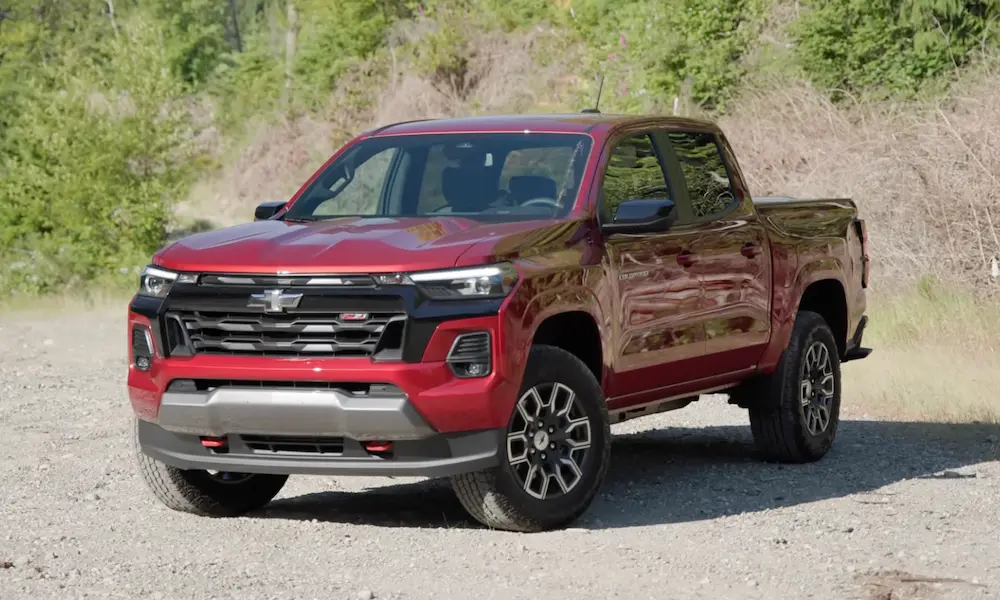
2.8-Liter LWN (2016–2022): The Midsize Experiment
The 2.8-liter four-cylinder, offered in the Colorado and Canyon, produced 181 hp and 369 lb-ft with a 7,700-lb tow rating. Decent numbers for a midsize truck.
But there are two significant red flags:
- Rubber timing belt: The LWN is an interference engine with a rubber timing belt. If it snaps, pistons meet valves. Total engine destruction. Replace it at 150,000 miles or 10 years — no exceptions.
- Soot death spiral: Short city trips prevent the DPF from cleaning itself. Soot recirculates through the EGR system, coating the intake in thick black sludge. Frequent regeneration cycles wash diesel past the rings, diluting engine oil rapidly and destroying turbo bearings.
The 2.8-liter needs regular highway miles to stay healthy. It’s a poor fit for stop-and-go city driving.
3.0-Liter LM2 and LZ0 (2020–Present): The Efficiency King
The inline-six Duramax in the Silverado 1500, Sierra 1500, Tahoe, Suburban, and Yukon is a different animal entirely. It’s remarkably smooth and quiet enough to mistake for a gas engine. Highway fuel economy regularly hits 30 mpg — some owners report high-30s on long unloaded runs.
LM2 problems (2020–2022):
The early LM2 had a rough start. A defective crankshaft reluctor wheel caused crank no-start conditions by scrambling timing signals. Rear main seal leaks were common. And the oil pump runs off a rubber belt — mounted deep inside the engine. Replacing it requires dropping the entire transmission.
LZ0 fixes (2023–Present):
GM overhauled roughly 25% of internal components for the 2023 LZ0. Output jumped to 305 hp and 495 lb-ft. Steel pistons replaced the aluminum units, the reluctor wheel was completely redesigned, and the oil pump belt material was significantly improved. The mandatory belt service interval now extends to 200,000 miles — cutting long-term ownership costs considerably.
For light-to-medium towing under 9,000 lbs with daily driving, the LZ0 is the most refined Duramax available.
What Is the Best Duramax Engine For You?
The honest answer depends on what you’re doing with the truck.
- Best for tuning and mechanical simplicity: The LBZ wins. Strong rotating assembly, CP3 pump, no DPF, no SCR. It handles 600+ hp on the stock bottom end and never chokes on its own exhaust. It’s also the last generation without modern aftertreatment, which is exactly why prices keep climbing on the used market.
- Best for maximum towing: The L5P isn’t close. 975 lb-ft, 35,000-lb tow capacity, bulletproof rotating assembly, and a factory lift pump. The 2020+ 10-speed transmission makes it even better under load.
- Best budget pick: A documented LB7 with fresh injectors or an LML with a CP3 swap conversion gives you excellent capability without paying new-truck prices. Both deliver serious performance once their known vulnerabilities are addressed.
- Best daily driver: The 3.0-liter LZ0 in a half-ton 1500 or full-size SUV. Thirty miles per gallon, smooth power delivery, and 200,000 miles between major service intervals. It’s the most livable Duramax ever made.
Every generation of the Duramax rewards owners who understand its specific quirks. Know the weakness, address it proactively, and these engines will run for hundreds of thousands of miles without complaint.