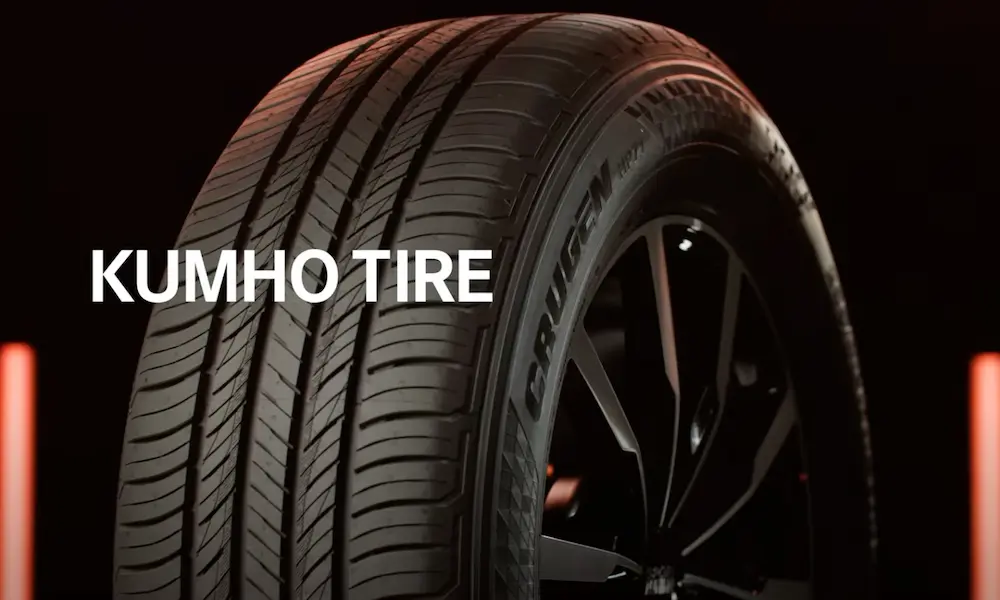
Shopping for new tires and stumbled across Kumho? You’re probably wondering who actually makes them—and if they’re worth your money. Here’s the deal: Kumho’s ownership story is more complicated than you’d think, and it directly impacts what you’re buying. Let’s break down who’s behind the brand and whether these tires deliver real value or just headaches.
The Ownership Story: Korean Tech Meets Chinese Money
Here’s where it gets interesting. Kumho Tire is a South Korean company founded way back in 1960 by Park In-chon. The headquarters? Still in Gwangju, South Korea. The engineers? Korean. The R&D centers? Korean, American, and European.
But here’s the twist: since 2018, a Chinese conglomerate called Qingdao Doublestar owns 45% of Kumho. They’re the controlling shareholder, which means they call the financial shots.
Don’t let that confuse you, though. Kumho didn’t become a Chinese tire company overnight. The Korea Development Bank still holds 23% of the shares—that’s the South Korean government keeping a watchful eye. Why? Because Kumho manufactures tires for combat aircraft. We’re talking national defense tech here.
So who makes Kumho tires? It’s a strategic partnership: Chinese capital funding Korean engineering. You’re getting South Korean technology and manufacturing expertise, bankrolled by Chinese investment looking to crack the premium tire market.
Why the Chinese Bought In
Doublestar didn’t drop billions just for fun. They wanted access to Kumho’s coveted status as an Original Equipment supplier to BMW, Mercedes-Benz, and Audi. That’s the automotive equivalent of a Michelin star—automakers don’t let just anyone supply their factory tires.
The deal gave Kumho something too: cash flow and access to China’s massive car market. It’s a classic “capital-for-technology” swap.
Where Are Kumho Tires Actually Made?
Kumho operates eight manufacturing plants worldwide. Here’s the breakdown:
South Korea (3 plants):
- Gwangju (includes main R&D center)
- Gokseong
- Pyeongtaek
China (3 plants):
- Nanjing
- Tianjin
- Changchun
Vietnam (1 plant):
- Binh Duong Province
United States (1 plant):
- Macon, Georgia
The premium stuff—high-performance tires, those combat aircraft tires, cutting-edge R&D—happens in South Korea. The Chinese plants pump out tires for the Asian market. The Georgia plant? That’s your North American supply hub, cranking out tires for US dealerships and tire shops.
One red flag worth mentioning: in 2019, the National Labor Relations Board found that Kumho’s Georgia plant engaged in “pervasive” illegal conduct during a union campaign. Managers—including the CEO—allegedly threatened layoffs and plant closures. That points to an aggressive cost-cutting culture, which could explain some quality control issues we’ll get into later.
The Value-Performance Game Plan
Kumho doesn’t try to be the cheapest tire on the rack. They’re playing a different game: premium features without the premium price tag.
Think of it this way. Michelin charges top dollar because they’ve convinced you they’re worth it. Budget brands race to the bottom on price. Kumho sits in the middle, asking: “What if you could get 85% of Michelin’s performance for 60% of the price?”
What Tech Are You Actually Getting?
Kumho isn’t just slapping rubber on rims. They’ve developed some legitimate innovations:
ESCOT Technology: This optimizes the tire’s contact patch—the actual rubber touching the road. Better contact means better braking and handling. It’s patented tech, not marketing fluff.
Run-Flat Tires (XRP): Kumho developed Korea’s first run-flat tire. You can drive up to 50 mph for about 50 miles with zero air pressure. That’s peace of mind if you blow a tire on a dark highway.
EV-Optimized Tires: Electric vehicles are heavy and torque-happy, which destroys standard tires. Kumho’s EV tires feature “K-Silent” foam inside to kill road noise—a big deal when there’s no engine sound to mask it.
Aerospace & Racing Pedigree: Here’s something most people don’t know: Kumho is the only South Korean company manufacturing aircraft tires. They also supply tires for the TCR World Tour racing series. That’s serious R&D trickling down to your daily driver.
The Original Equipment Stamp of Approval
Want proof Kumho can build a quality tire? Look at who trusts them on their factory floors:
- Mercedes-Benz (including the G-Wagon)
- BMW (X3, 3-Series)
- Audi (Q5)
- Volkswagen (Atlas, Polo)
- Dodge (Viper)
BMW doesn’t slap random tires on a $50,000 car. Getting that Original Equipment contract means your engineering passed some of the toughest tests in the industry.
But here’s the catch—and it’s a big one.
The Factory Tire Problem: Why OE Kumhos Get Trashed Online
If you Google “Kumho tire reviews,” you’ll find a ton of angry posts from Hyundai, Kia, and VW owners. They’re not wrong to be mad. Those factory-installed Kumho tires often wear out shockingly fast and sound like a jet engine on the highway.
Here’s what’s happening: the tires that come on new cars aren’t designed for you. They’re designed to help the automaker hit government fuel economy targets.
To squeeze out every 0.1 MPG, manufacturers spec tires with ultra-low rolling resistance. That means softer rubber compounds that wear faster. Owners report OE Kumho tires dying at 10,000-20,000 miles—sometimes even faster on heavy EVs.
One VW ID.4 owner reported numerous flats and rapid wear, swapping them out well before 20,000 miles. Kia EV9 owners? Same story.
This isn’t a Kumho-specific problem. Michelin and Goodyear do it too. But Kumho gets more heat because their brand isn’t as established, so people blame the manufacturer instead of understanding it’s the automaker’s spec.
Bottom line: If you hated your factory Kumho tires, don’t write off the brand. The replacement tires you buy yourself are a completely different product.
What the Replacement Tires Actually Deliver
When you walk into a tire shop and buy Kumho replacements with your own money, you’re getting something totally different than those OE spec tires. Let’s break down the winners.
Best All-Season Performers
Kumho Majesty 9 Solus TA91 (Grand Touring All-Season)
This is Kumho’s luxury sedan tire. In independent testing, it scored highest in its class for noise comfort—meaning it’s whisper-quiet on the highway. Surprisingly, it also posted the fastest lap time in dry handling tests, beating “sportier” competitors.
The catch? Some owners report inconsistent treadwear. One buyer’s tires wore to 3/32″ at just 17,000 miles. That suggests potential quality control issues we’ll address later.
Kumho Solus TA11 (Standard Touring All-Season)
This is the high-mileage commuter champ, backed by a 75,000-mile warranty. Professional testers found it comfortable, quiet, and the most fuel-efficient in its class.
Here’s where it gets weird: the pro test dinged it for “lack of lateral grip” in extreme wet conditions—the rear end would slide out when pushed hard. But owners driving normal cars (Mazda CX-5, Toyota Corolla) rave about its wet traction, claiming “almost ZERO” hydroplaning.
The disconnect? Pro testers use rear-wheel-drive cars and drive at the absolute limit. Normal drivers in front-wheel-drive commuters experience totally different real-world performance.
SUV & Crossover Champion
Kumho Crugen HP71
This might be Kumho’s best tire, period. In a 2022 Tire Rack test, it swept the competition. It delivered the highest wet and dry traction, shortest wet stopping distances, and the best lateral grip.
The trade-offs? It transmits road bumps more than comfort-focused rivals, and winter performance is weak—long braking distances on snow and ice. But for three-season driving where safety and handling matter, it’s a performance bargain.
Performance Tire Value
Kumho Ecsta PA51 (Ultra-High Performance All-Season)
Tire Rack used this as their control tire to test newer competitors. That’s a massive endorsement—you only use a “control” tire when it’s a known, reliable benchmark.
Consumer ratings back it up: 90% recommend it, with 8.9/10 dry and 8.4/10 wet scores. It delivers true performance handling with a quiet, comfortable ride (8.2/10 noise rating). Winter performance is the predictable weak spot, scoring a “fair” 6.4/10.
Truck & SUV Off-Road Options
Kumho Road Venture AT52 (All-Terrain)
This is an “on-road first” all-terrain tire. Professional testing praised its quiet ride, minimal tread growl, and test-leading dry braking performance.
Again, there’s a wet performance disconnect. Pro testers found at-the-limit wet grip lacking, but consumers with 149 positive mentions call the real-world wet traction “excellent.” Multiple owners cite it as the “hands down best in snow and ice” for an AT tire.
Kumho Road Venture RT71 (Rugged-Terrain)
This is Kumho’s “tweener” tire—more aggressive than an all-terrain, more civilized than a mud-terrain. Motor1 and Autoblog both gave positive reviews, noting it’s “relatively quiet” with “superior road holding” compared to competitors like the Nitto Ridge Grappler.
Perfect for truck owners who want an aggressive look without the typical noise and harsh ride of extreme off-road tires.
How Kumho Stacks Up Against Competitors
Let’s get real about where Kumho fits in the tire market pecking order.
Kumho vs. Hankook: The Korean Showdown
Hankook is Kumho’s closest competitor—another South Korean value-performance brand. They’re essentially equals, with model-specific wins on both sides.
In direct testing, the Kumho Ecsta HS52 beat the Hankook Ventus Prime 4 in wet braking, dry handling, and tread life. Hankook’s only clear win? Fuel economy (rolling resistance).
The tiebreaker often comes down to price, where Kumho is usually “noticeably cheaper.”
Kumho vs. Michelin: Budget vs. Premium
This isn’t a fair fight—they’re in different weight classes. Michelin is the premium brand with warranties up to 90,000 miles and top-tier longevity.
Kumho is the budget-friendly alternative. You’re making a bet: is the $200+ price premium for Michelins worth potentially marginal gains in tread life and performance?
For many drivers, especially on daily commuters, the answer is no. Kumho delivers 85% of the performance for 60% of the cost.
Kumho vs. BFGoodrich: Off-Road Philosophy
In the all-terrain space, BFGoodrich KO2 is the legend—the king for serious off-roaders. But it’s an “off-road first” tire, which means a rowdier, louder on-road experience.
Kumho’s Road Venture AT52 targets the much larger segment of truck owners who want the aggressive look but drive 95% on pavement. Owners report it’s “super smooth” with “less road noise than the KO2s”.
Different tools for different jobs.
The Safety Concerns You Need to Know About
Now for the uncomfortable part. There’s a pattern of complaints that can’t be ignored.
ConsumerAffairs lists “frequent blowouts reported” as a key complaint. These aren’t just worn-out tires—reports include catastrophic failures on nearly new tires:
- Sidewall blowout at 5,000 miles
- Tire exploding at 70 mph with less than 1,500 miles
- Brand-new 2024 summer tire bursting on a straight road
Tire defect law firms specifically name Kumho tires as susceptible to “detreading, tread loss, sudden deflation, and belt separations.”
The pattern of sidewall failures on low-mileage tires suggests potential manufacturing or quality control defects, not normal wear. This is serious stuff that can cause accidents.
The Quality Control Question
Remember that NLRB finding about the Georgia plant’s “pervasive” illegal anti-labor conduct? A corporate culture that aggressively pressures workers and threatens plant closures is a classic red flag for quality control lapses.
When output gets prioritized over quality, you get “bad batches”—inconsistent manufacturing that leads to some consumers getting perfectly good tires while others get duds prone to sudden failure.
Kumho advertises a warranty rate “below 0.2%,” but consumer complaints suggest that warranty can be hard to claim, with reports of poor customer service experiences.
Different Tires for Different Needs
Not all Kumho tires are created equal. Here’s the honest buying guide:
Best Bets (Based on Testing & Reviews):
- Crugen HP71: Outstanding SUV/crossover tire for three-season safety
- Ecsta PA51: Benchmark UHP all-season for enthusiasts
- Road Venture RT71: Best hybrid rugged-terrain for daily-driven trucks
- Majesty 9 Solus TA91: Premium quiet comfort (if you avoid the treadwear lottery)
Approach with Caution:
- Solus TA31: The OE tire with the terrible reputation—avoid unless it’s dirt cheap
- Ecsta PS31: Entry-level summer tire that disappoints experienced drivers
The Value Math:
Kumho’s top-tier replacement models genuinely compete with—and sometimes beat—tires costing 30-50% more. The Crugen HP71’s performance sweep and the Ecsta PA51’s benchmark status aren’t flukes.
But you’re accepting a non-zero risk of quality control issues. Most buyers will get an excellent tire that dramatically outperforms its price. A small percentage will experience premature failures or defects.
The Smart Move:
Buy from a retailer with a strong return policy and road hazard warranty. Discount Tire and Tire Rack both offer good protection if you get a lemon.
Inspect your new tires carefully before and after installation. Check for bulges, uneven wear patterns, or any abnormalities. Don’t ignore warning signs.