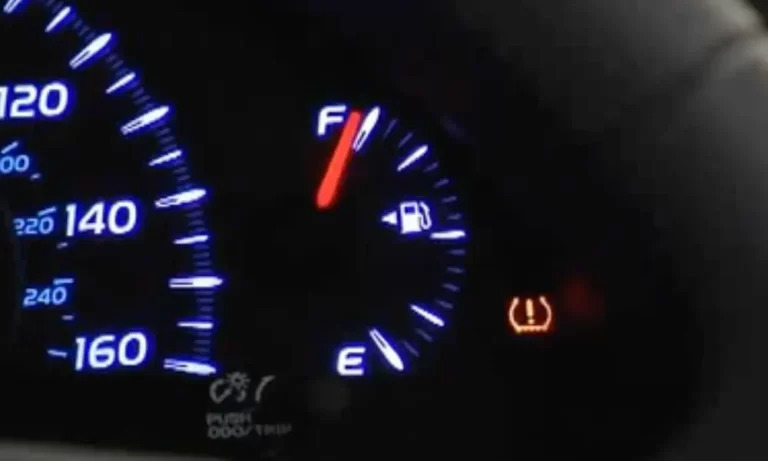
That blinking light on your dashboard can feel like your Toyota is trying to tell you something important – and it is. When your tire pressure monitoring system (TPMS) light starts flashing instead of staying solid, it’s signaling a different kind of problem than simply low tire pressure. Let’s break down what this blinking light means and how you can address it.
What’s the Difference Between Solid and Blinking TPMS Lights?
When your Toyota’s tire pressure light comes on and stays solid, it’s simply telling you that one or more of your tires is underinflated. But when that light starts blinking for about 60-90 seconds before remaining solid, your vehicle is trying to communicate something more serious – a system malfunction in your TPMS.
The blinking pattern is intentional and serves as a warning that the system itself isn’t functioning properly, which means it can’t reliably monitor your tire pressure. This is more concerning than just low tire pressure because you’ve essentially lost your early warning system for dangerous tire conditions.
Common Causes of a Blinking TPMS Light in Toyotas
Dead or Dying TPMS Sensor Batteries
Each tire in your Toyota contains a small sensor with its own battery. These batteries typically last 5-10 years, and when they start failing, your TPMS light will blink to let you know.
“TPMS sensor battery failure accounts for nearly half of all TPMS-related service visits at Toyota dealerships,” according to technical bulletins from Toyota. Once these batteries die, there’s no recharging them – the entire sensor needs replacement.
Recent Tire Service Without Proper TPMS Reset
Did you recently get new tires, have them rotated, or get any other tire service? If the technician didn’t properly reset or reprogram your TPMS system afterward, this could trigger the blinking light.
The TPMS needs to know which sensor is in which position on your vehicle. After tire rotation or replacement, the system needs to be told about these changes through a reset procedure that’s specific to your Toyota model.
TPMS Sensor Damage or Malfunction
The sensors in your tires are exposed to road conditions, temperature changes, and potential impacts. Physical damage to these sensors can cause them to malfunction and trigger the blinking light warning.
According to the National Highway Traffic Safety Administration, proper tire maintenance is crucial for vehicle safety, and functioning TPMS systems help prevent accidents caused by underinflated tires.
Signal Interference Issues
Sometimes external factors can interfere with the signals between your tire sensors and the vehicle’s computer. This could include:
- Radio frequency interference from other electronic devices
- Metallic items near the sensors
- Aftermarket wheels or components that block signals
How the Toyota TPMS System Works
Before diving into solutions, it helps to understand how the system functions in the first place.
Direct vs. Indirect TPMS Systems
Toyota typically uses a direct TPMS system, which means there are physical pressure sensors inside each tire that directly measure the air pressure. These sensors transmit data to your vehicle’s computer system, which then displays warnings when necessary.
This differs from indirect systems (used in some other vehicle makes) that use wheel speed sensors from the anti-lock braking system to detect when a tire is underinflated based on its rotation pattern.
Communication Method
Your Toyota’s tire sensors communicate wirelessly with the vehicle’s computer using radio frequency signals. Each sensor transmits data about:
- Current tire pressure
- Tire temperature
- Sensor battery status
- Unique sensor ID
When any part of this communication chain breaks down, your TPMS light starts blinking.
How to Diagnose a Blinking TPMS Light
Check All Tire Pressures First
Before assuming there’s a system malfunction, verify that all your tires (including the spare in some models) are properly inflated according to the specifications listed on your driver’s door jamb sticker.
Temperature fluctuations can cause temporary pressure changes – a 10°F drop can lower tire pressure by 1-2 psi. Use a quality pressure gauge rather than relying on the “eyeball test” or gas station air machines, which can be inaccurate.
Look for the Reset Button or Procedure
Many Toyota models have a TPMS reset button, usually located beneath the steering wheel or in the glove compartment. The reset procedure varies by model, but typically involves:
- Ensuring all tires are properly inflated
- Turning the ignition to “ON” position (not starting the engine)
- Pressing and holding the TPMS reset button until the light blinks three times
- Starting the engine and waiting 20 minutes for the system to recalibrate
For newer models with touchscreen interfaces, the reset option may be in the vehicle settings menu.
Check for Recent Battery Issues
If your car battery was recently disconnected or died, this could temporarily disrupt the TPMS system. Sometimes driving for 10-15 minutes will allow the system to reset itself.
Use the Process of Elimination
If you have a friend with another Toyota, you might try swapping a wheel (with sensor) to see if the problem follows the wheel or stays with the car. This can help determine if the issue is with a particular sensor or with the vehicle’s receiver system.
TPMS Tools and Professional Diagnosis
TPMS Scanner Tools
Professional-grade TPMS scanners can communicate with your sensors to check their functionality, battery life, and correct ID registration. These tools can run about $200-$500, so they’re mainly used by professionals rather than individual owners.
Some auto parts stores offer TPMS diagnostics as a complimentary service, allowing you to determine which sensor may be causing the problem before you spend money on repairs.
Toyota Dealer Diagnostics
Toyota dealerships use specialized equipment called a Techstream scanner that can pull specific diagnostic trouble codes (DTCs) from your vehicle’s computer. These codes can pinpoint exactly what’s wrong with your TPMS system:
- C2121/22: Indicates a faulty sensor or communication error
- C2123: Often appears after tire rotation when the system hasn’t been properly reset
According to Toyota service bulletins, dealer technicians are trained to perform a series of tests to isolate the exact cause of TPMS malfunctions.
Solutions for a Blinking TPMS Light
DIY Reset Procedure
For many Toyota owners, a simple system reset solves the blinking light issue. The exact procedure varies by model, but generally follows this pattern:
- Inflate all tires to the proper pressure (check the driver’s door jamb sticker)
- Turn the key to the “ON” position without starting the engine
- Locate the TPMS reset button (usually under the steering wheel)
- Hold the button until the TPMS light blinks three times
- Start the car and drive for about 20 minutes to allow the system to recalibrate
Sensor Replacement
If the reset doesn’t work, you likely need one or more sensors replaced. The average cost for Toyota TPMS sensor replacement is:
| Component | Cost Range |
|---|---|
| TPMS Sensor | $40-$100 each |
| Labor | $10-$40 per wheel |
| Programming | $25-$50 |
| Total per wheel | $75-$190 |
Genuine Toyota parts typically cost more than aftermarket options, but they’re guaranteed to be compatible with your vehicle’s systems.
System Relearn Procedure
After installing new sensors, the system needs to “learn” which sensor is in which position. This typically requires a Toyota-specific TPMS tool or a visit to the dealership or tire shop with the proper equipment.
The relearn procedure generally involves:
- Putting the car into learn mode (via a specific button sequence)
- Activating each sensor in a specific order (usually starting with the driver’s front tire)
- Waiting for confirmation signals from the vehicle
Without this procedure, your new sensors won’t communicate properly with your vehicle.
Risks of Ignoring a Blinking TPMS Light
Safety Concerns
The TPMS was mandated by the federal TREAD Act following investigations into accidents caused by underinflated tires. When your system isn’t functioning, you lose an important safety feature.
According to NHTSA statistics, underinflated tires can lead to:
- Reduced vehicle handling capability
- Increased stopping distance
- Higher risk of tire failure/blowout
- More severe accidents when blowouts occur at highway speeds
Impact on Tire Longevity and Fuel Economy
Even if you avoid a catastrophic tire failure, driving with improper tire pressure causes:
- Uneven tire wear (reducing tire life by up to 25%)
- Decreased fuel economy (by about 0.2% per 1 psi below recommended pressure)
- Increased rolling resistance and carbon emissions
Potential for More Expensive Repairs
Ignoring the blinking light won’t make the problem go away. In fact, continuing to drive with a malfunctioning TPMS might mean:
- Multiple sensors failing over time instead of just one
- Damage to the TPMS control module
- More extensive diagnostic time required when you finally address it
Toyota TPMS Specifications by Model
Different Toyota models use slightly different TPMS systems, which affects both the diagnosis and repair procedures.
Common Toyota Models and Their TPMS Types
| Model | TPMS Type | Sensor Frequency | Reset Method |
|---|---|---|---|
| Camry (2007-2018) | Direct | 315 MHz | Button under dash |
| Corolla (2011-2019) | Direct | 315 MHz | Button procedure |
| RAV4 (2006-2018) | Direct | 315 MHz | Button under steering wheel |
| Prius (2010-2021) | Direct | 315 MHz | Through infotainment menu |
| Tacoma (2016+) | Direct | 315 MHz | Button procedure |
| Tundra (2007+) | Direct | 315 MHz | Button under steering wheel |
In newer Lexus models (Toyota’s luxury division), the systems have been upgraded to include spare tire monitoring and more sophisticated diagnostic capabilities.
Clarifying TPMS Myths
“I Can Just Disconnect the Battery to Reset It”
While disconnecting your car battery might temporarily clear the warning light, it won’t solve the underlying problem with the TPMS sensors. The light will return once the system runs its diagnostics again.
“I Can Use My OBD2 Scanner to Fix TPMS Issues”
Standard OBD2 scanners can read engine and transmission codes, but most can’t access TPMS-specific codes. You need a TPMS-compatible scanner or Toyota’s proprietary Techstream software.
“Aftermarket Sensors Are Just as Good as OEM”
While aftermarket sensors can work, they sometimes have compatibility issues with Toyota’s systems. Toyota Nation forum users often report fewer problems when using genuine Toyota sensors, especially in models newer than 2014.