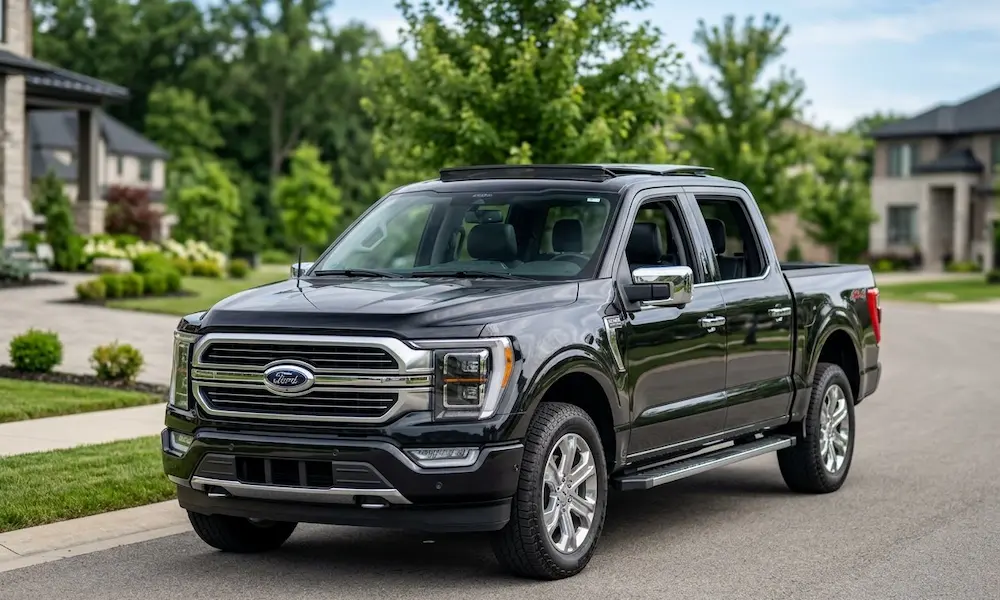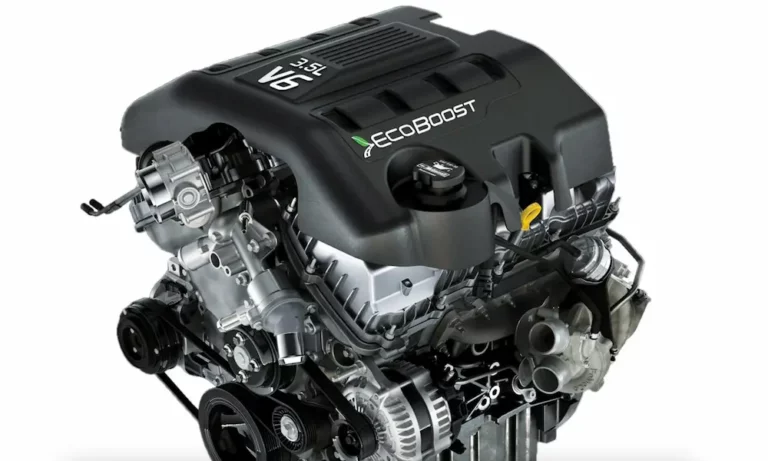
Want more power from your Ford 3.5 EcoBoost? You’re sitting on one of the most tunable truck engines ever built. Whether you drive an F-150, Raptor, or Explorer Sport, there’s a clear path from stock to seriously quick. This guide breaks down every major 3.5 EcoBoost performance upgrade — from a simple tune to a full E85 build — so you know exactly where to start and where it can end.
First, Know Which Generation You Have
Before you spend a single dollar, identify your engine generation. Each one responds differently to mods, and some upgrades don’t cross over between them.
| Generation | Years | Fuel System | Key Feature |
|---|---|---|---|
| Gen 1 | 2011–2016 | Direct Injection Only | Shimless bucket valvetrain |
| Gen 2 | 2017–2020 | Dual Injection (DI + PFI) | Roller-rocker, dual timing chains |
| Gen 3 | 2021+ | Dual Injection (3,675 PSI DI) | Rotary electronic wastegates |
According to Full Race’s EcoBoost generation breakdown, Gen 2 is the sweet spot for most performance builds. It has dual injection, better fueling capacity, and a stronger timing system. Gen 3 refines everything further. Gen 1 is still very capable but has a lower ceiling without more work.
The Best 3.5 EcoBoost Performance Upgrades (Ranked by Impact)
1. Custom ECU Tune — The Biggest Bang for Your Buck
A custom tune is the single most effective 3.5 EcoBoost performance upgrade you can make. The factory PCM holds back significant power to protect the engine across all fuel grades and conditions.
A professional 93-octane tune from tuners like MPT, 5 Star, or GooseTuned routinely adds 100+ horsepower and 100+ lb-ft of torque on a Gen 2 engine. The tune also cleans up transmission shift logic on the 10R80, which dramatically improves drivability. No more gear hunting or lazy shifts.
Here’s what to expect depending on your fuel:
| Tune Type | Fuel | HP Gain | Torque Gain |
|---|---|---|---|
| Daily/Tow | 87 Octane | 30–50 HP | 50–70 lb-ft |
| Performance | 93 Octane | 100–130 HP | 100–140 lb-ft |
| Race Blend | E30/E50 | 150–180 HP | 150–200 lb-ft |
| Competition | Full E85 | 200+ HP | 250+ lb-ft |
There are three tuning options to consider:
- Flash tunes (box tuners): Plug-and-play devices like the Bully Dog BDX or Edge Evolution CTS3. Great starting point, but they’re not customized to your specific vehicle or mods.
- Custom tunes: Built from your car’s data logs. Best results, especially if you’ve added hardware. Worth every penny.
- Piggyback tuners: The Burger Motorsports JB4 tricks sensors to boost pressure. Effective, but doesn’t touch transmission logic.
2. Upgraded Intercooler — Stop Losing Power to Heat
Heat soak is the silent killer of EcoBoost performance. When your intercooler can’t cool the compressed air fast enough, the PCM pulls timing and cuts boost to protect the engine. You feel it as a sudden, frustrating loss of power — especially on hot days or back-to-back pulls.
The factory intercooler uses a tube-and-fin core that saturates quickly under sustained boost. Upgraded bar-and-plate intercoolers — like the CV Fabrication Titan V2 or units from Garrett — increase cooling surface area by 80% or more. The result? Intake air temps drop 40–80°F during hard pulls, and power stays consistent instead of fading.
If you tow heavy loads regularly, this isn’t optional. It’s essential.
3. High-Flow Turbo Exhaust Adapters — The Underrated Gem
Most people skip this one. That’s a mistake.
The factory turbo exhaust adapters — the flanges connecting the turbo housings to the downpipes — have a restrictive 2.0625-inch internal diameter. That’s a choke point sitting right behind your turbos.
SPD Performance’s high-flow turbo exhaust adapter kit opens that up to 2.3125 inches, a nearly 25% increase in exit area. On a stock F-150 Raptor, this change alone has been dyno-proven to add over 20 horsepower and 40 lb-ft of torque. It also lowers exhaust gas temperatures by 100–200°F and noticeably reduces turbo lag.
For the price and difficulty level, this is one of the best value modifications available on the 3.5 EcoBoost platform.
4. Cold Air Intake — More Flow for the Turbos
The factory airbox works fine at stock power levels, but it becomes a restriction when you’re pushing more boost. Aftermarket cold air intake systems like the Banks Ram-Air or aFe Momentum GT reduce airflow restriction by up to 64% with smoother intake tubes and high-flow filters.
On a stock engine, a CAI adds around 10–15 horsepower on its own. The real value comes when you pair it with a tune and other bolt-ons — the intake stops being a bottleneck and lets everything else perform better.
5. Upgraded Downpipes — Free the Turbos
The catalytic converters in the factory downpipes create backpressure that the turbos have to fight against to spool. Swapping to 3-inch high-flow downpipes lets the turbos evacuate exhaust gases faster. That means quicker spool, lower turbine heat, and more consistent power delivery.
Paired with upgraded turbo exhaust adapters, downpipe upgrades make a significant difference at higher power levels. On a tuned Gen 2 engine pushing 450+ WHP, this combination is nearly mandatory.
Quick note on cat-back exhausts: They add some power and change the sound, but the 3.5 V6 won’t sound like a V8. Focus your budget on adapters and downpipes first — chasing a V8 exhaust note with a six-cylinder is a losing battle.
6. Upgraded Spark Plugs (With Correct Gap) — Don’t Overlook This
Under high boost, the increased cylinder pressure can blow out the spark across a gap that’s too wide. For a tuned 3.5 EcoBoost, close your spark plug gap to 0.025 inches or smaller on high-boost setups.
Use quality iridium or ruthenium plugs — NGK Ruthenium HX plugs are a popular choice. Change them every 20,000 to 40,000 miles on a tuned build. The factory 100,000-mile interval is for stock vehicles only.
7. High-Pressure Fuel Pump Upgrade — Required for E85
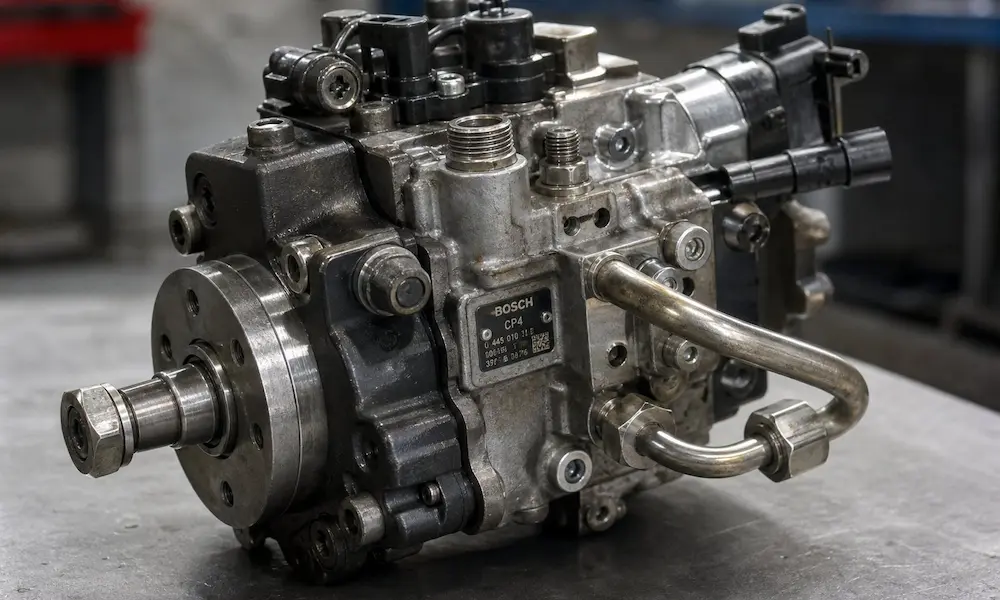
On Gen 1 and Gen 2 engines, the factory high-pressure fuel pump maxes out around 500–550 WHP on gasoline. Push beyond that — especially on ethanol — and you’ll hit fuel starvation.
Companies like Nostrum and Xtreme-DI offer upgraded HPFP kits that provide 36% to 80% more flow than stock. These laser-welded stainless-steel units are essential for running E30, E50, or full E85 blends.
Speaking of ethanol — E85 has an octane rating around 100–105 AKI and cools the intake charge dramatically. With upgraded fueling, a Gen 2 engine on E85 can exceed 600 WHP on stock internals.
8. Turbocharger Upgrades — For Serious Power Goals
When you’ve extracted everything from the factory turbos, it’s time to swap them out. Upgraded turbos like the Garrett PowerMax or CR Performance Stage 5 sets use billet compressor wheels and high-temperature turbine materials. They support 600+ WHP while maintaining factory-like fitment and spool.
Edelbrock’s staged turbo kits offer a clear progression:
- Stage 1: Factory turbos + large intercooler + tune → ~100 HP gain
- Stage 2: Garrett replacement turbos → 54% more airflow
- Stage 3: Turbos + fuel pump booster → 500+ WHP territory
For Gen 1 owners, upgrading the Turbosmart IWG75 internal wastegate actuators is worth doing before going to full turbo swaps. Weak factory springs cause boost flutter at high RPMs. The Turbosmart units hold a flatter boost curve and improve spool consistency.
Maintenance That Goes With Performance
Higher power means higher stress. Don’t skip these:
- Oil changes every 5,000 miles using full synthetic 5W-30 with OEM filters. Direct injection causes fuel dilution over time.
- Oil catch can: Essential for Gen 1 to prevent carbon buildup on intake valves. On Gen 2 and Gen 3, port injection keeps the valves cleaner — but a catch can still keeps oil vapors out of the intercooler, which protects the effective octane of your air-fuel charge.
- 170°F thermostat: Lowers the engine’s operating temperature range and is particularly valuable for towing builds.
Your Warranty and the Law
Worried about losing your warranty? The Magnuson-Moss Warranty Act protects you. A dealer can’t legally void your warranty simply because you installed an aftermarket part. They must prove the aftermarket component directly caused the failure in question.
That said, PCM tuning is more complicated. Because it changes operating parameters beyond factory limits, it can be linked to powertrain failures. Work with a reputable tuner, consider Ford Performance-branded parts where possible, and understand the risk before you flash your PCM.
Which Upgrades Should You Start With?
Here’s a practical starting order based on budget and goals:
Street Performance (Daily Driver):
- Custom 93-octane tune
- Upgraded intercooler
- Turbo exhaust adapters
- Cold air intake
- Spark plug gap + quality plugs
Towing Build:
- Bar-and-plate intercooler
- 170°F thermostat
- 93-octane tune (tow map)
- Turbo exhaust adapters
High-Horsepower Build (500+ WHP):
- Custom tune
- Upgraded intercooler
- High-flow downpipes + turbo exhaust adapters
- HPFP upgrade
- Upgraded turbochargers
- E85 fuel system
The 3.5 EcoBoost is genuinely one of the most scalable performance platforms in a production truck. Whether you want 50 more horsepower for weekend fun or 600 WHP on E85, the hardware path is well-documented and the parts exist. Start with the tune and intercooler — you’ll feel the difference immediately — and build from there.