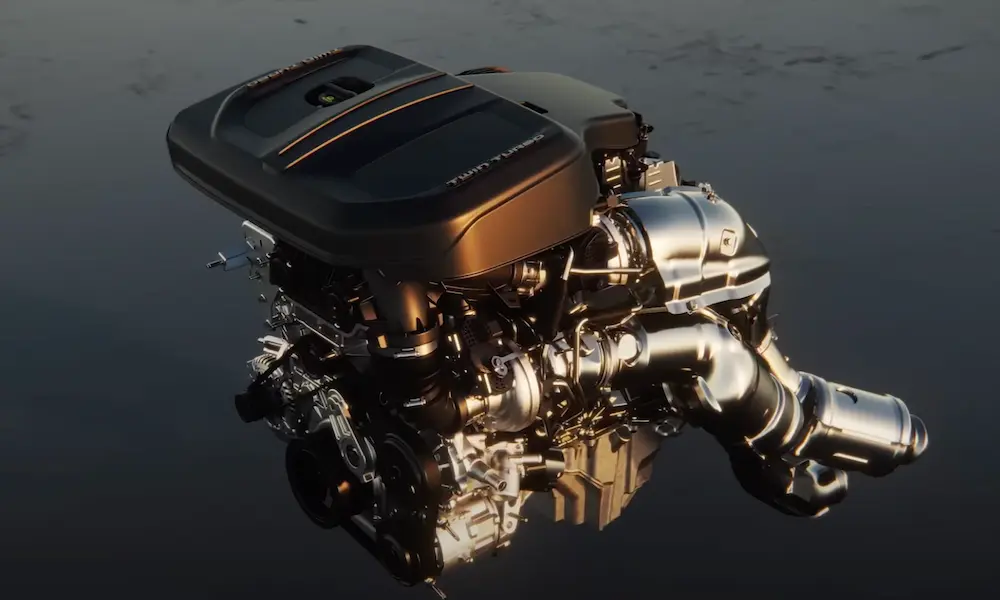
If your GM truck is ticking, burning oil, or shaking like a washing machine on spin cycle, the culprit is probably the Active Fuel Management system. An AFM DOD delete could save your engine — and your wallet. This guide breaks down everything you need to know, from why the system fails to exactly what a proper delete involves. Stick around to the end.
What Is an AFM DOD Delete?
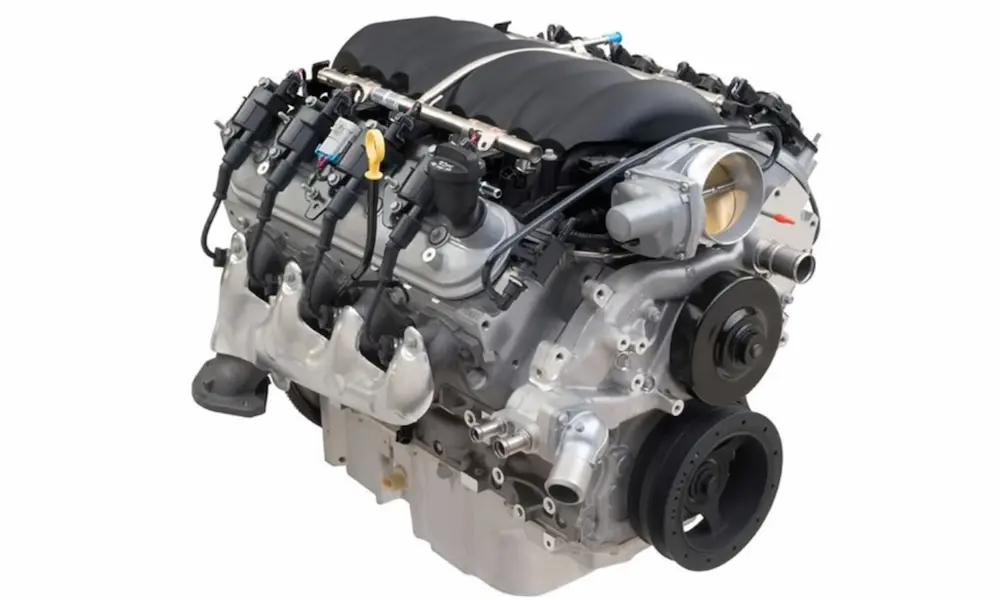
An AFM DOD delete removes the cylinder deactivation hardware from your GM V8 engine permanently. It replaces the factory Active Fuel Management (AFM) or Displacement on Demand (DOD) components with standard, heavy-duty V8 parts.
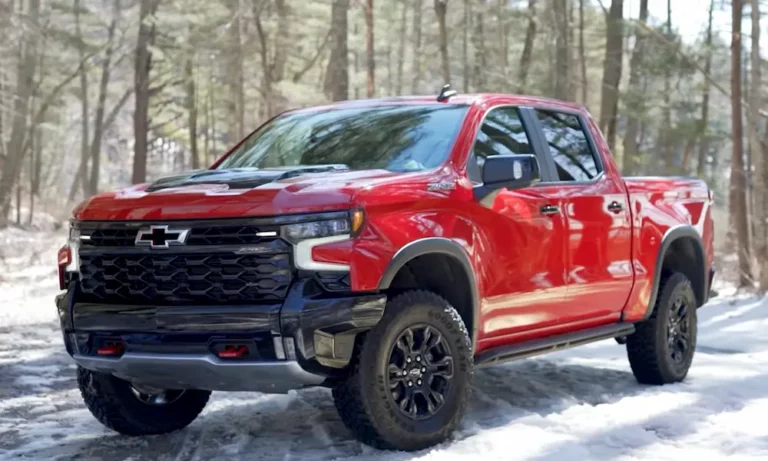
GM introduced this system to squeeze better fuel economy out of large V8 trucks like the Silverado, Sierra, Tahoe, and Suburban. The idea: deactivate four cylinders during light driving, run on four instead of eight, burn less fuel. Sounds smart. In practice, it’s a ticking time bomb.
Why Does the AFM System Fail?
The AFM system uses specialized deactivation lifters in cylinders 1, 4, 6, and 7. These lifters have an internal spring-loaded locking pin that collapses when hit with pressurized oil. Collapse the lifter, the valve stays shut, the cylinder goes dead.
That mechanism cycles billions of times over the engine’s life. The springs fatigue. Carbon debris jams the pins. Things break.
Two failure modes dominate:
- Lifter jams collapsed — the cylinder misfires, power drops, and a loud tick starts under the valve covers
- Roller seizes or twists — the lifter grinds the camshaft lobe into metal shavings, which then circulate through the entire engine
That second failure is catastrophic. Once metal debris circulates, you’re looking at destroyed bearings, a scored oil pump, and a full engine rebuild.
Does the AFM System Cause Oil Consumption?
Yes, and it’s bad. Many owners report burning a quart of oil every 1,000–2,000 miles. Here’s why:
When cylinders deactivate, combustion stops and cylinder temps drop. Without combustion pressure pushing the piston rings outward, oil slips past the rings more easily. Over time, the rings wear, carbon builds up, and oil burns steadily.
The factory oiling system makes it worse. GM used a high-volume oil pump to feed the deactivation lifters fast. To prevent excess pressure from blowing seals, they added a secondary oil pressure relief valve inside the oil pan. This valve opens at roughly 55 psi and sprays oil directly upward onto the rotating crankshaft and cylinder walls. That oil mist overwhelms the oil control rings, and it burns.
Plugging or removing this valve is a critical step in any proper AFM DOD delete.
How Does AFM Destroy Your Transmission?
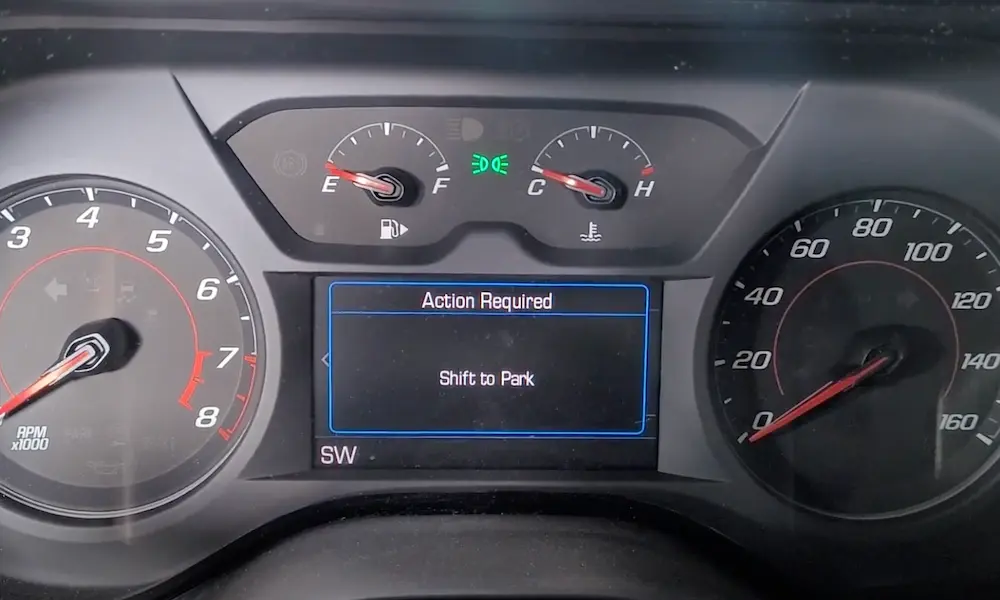
Running a heavy truck on four cylinders creates nasty vibrations. To hide those vibrations from you, the Transmission Control Module commands the torque converter clutch (TCC) to slip continuously while AFM is active. The fluid absorbs the pulses. You feel nothing. Until you do.
That constant slipping generates heat. Thousands of miles of heat glazes the TCC friction material and degrades the transmission fluid. The result: torque converter clutch shudder — that washboard vibration you feel between 35–55 mph under light throttle.
6L80E vs. 10L80: Not the Same Fix
| Transmission | Primary Failure | Correct Fix |
|---|---|---|
| 6L80E (Gen IV) | TCC lining glazed, fluid degraded | Replace torque converter, flush to Dexron VI, retune |
| 10L80 (Gen V) | Valve body bore wear, pressure leaks | Repair valve body with Sonnax Zip Valves, flush to 4.5 cSt fluid |
The 10L80 is trickier. Swapping the torque converter often doesn’t fix it. GM’s Technical Service Bulletin 22-NA-015 specifically warns against that shortcut.
Does Your Engine Actually Have AFM?
Not every GM V8 uses cylinder deactivation. Check your Regular Production Option (RPO) code on the glovebox sticker or your VIN.
| Engine | Generation | RPO Code | Years | System |
|---|---|---|---|---|
| 5.3L | Gen IV | LC9, LMG, LY5, LH6 | 2007–2014 | AFM |
| 6.0L | Gen IV | L76, L77, LFA | 2007–2017 | AFM |
| 5.3L | Gen V | L83, L8B | 2014–2020 | AFM |
| 6.2L | Gen V | L86, LT1 | 2014–2020 | AFM |
| 5.3L | Gen V | L84 | 2019–Present | DFM |
| 6.2L | Gen V | L87 | 2019–Present | DFM |
| 4.8L | Gen IV | LY2, L20 | 2007–2013 | None |
The 5.3L engine — the most common GM truck engine ever built — carries the heaviest burden here.
What About Dynamic Fuel Management (DFM)?
DFM is the upgraded version in 2019+ L84 and L87 engines. Instead of switching between V8 and V4, DFM can deactivate any cylinder combination in real time. All eight cylinders get deactivation lifters. All eight need replacement during a delete. It’s a bigger job, but the kits exist — LSXceleration’s L84/L87 DFM delete kit covers it completely.
Software Disable vs. Mechanical Delete: Which Is Right for You?
You’ve got two routes. Here’s the honest breakdown:
Software Disable (Plug-in or Tune)
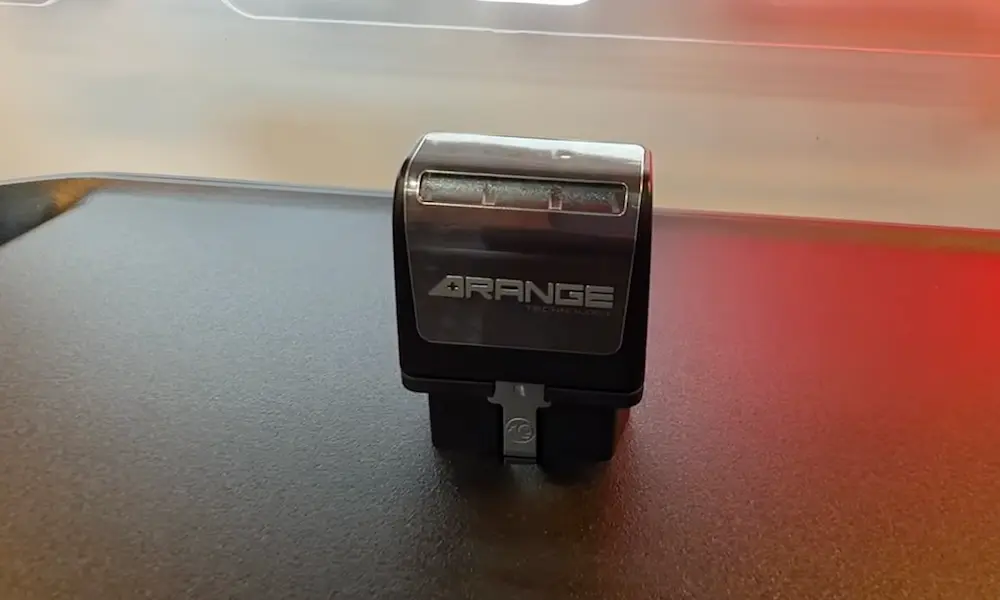
- Plug-in disablers connect to your OBD-II port and tell the ECU to stay in V8 mode permanently
- Custom tunes via HP Tuners rewrite the deactivation logic entirely
- Cost: $200–$600
- The bad news: the fragile lifters stay in the engine. If one is already starting to stick, the software won’t save it
Mechanical Delete
- Pulls every piece of AFM hardware out of the engine physically
- Replaces lifters, camshaft, valley cover, and oil pan relief valve
- Requires cylinder head removal — it’s a real teardown
- Cost: $2,100–$5,000 depending on parts quality
- The payoff: bulletproof reliability, no more risk
Software disabling is smart prevention. Mechanical deletion is the permanent cure.
What’s Actually in an AFM DOD Delete Kit?
A complete mechanical delete touches several interconnected systems. Here’s what gets replaced:
Lifters and Lifter Guide Trays
All 16 lifters get replaced — not just the 8 AFM units. LS7-style standard hydraulic roller lifters are the standard choice. High-performance builds use Johnson or Morel lifters for tighter tolerances.
The plastic lifter guide trays must be replaced too. Reusing old trays risks a lifter spinning in its bore. A spinning lifter destroys the camshaft instantly.
The Non-AFM Camshaft
The factory camshaft can’t stay. Its lobes are ground specifically for the heavier deactivation lifters. Put standard lifters on a deactivation cam and you’ll get misfires and unstable idle immediately.
Your replacement cam options:
- Factory-spec non-AFM cam — like the Chevrolet Performance single-bolt unit — for stock drivability
- Performance cam from Texas Speed, Brian Tooley Racing, or LSXceleration for a horsepower bump
Gen V direct-injection engines need a cam with the correct fuel pump tri-lobe at the rear to drive the high-pressure fuel pump. Miss this detail and the engine won’t fuel properly.
Valley Cover / Block-Off Plate
The AFM valley manifold (LOMA) gets discarded. The oil towers it sat on must be sealed. ICT Billet and Michigan Motorsports make billet aluminum valley covers with integrated O-ring seals that drop right in. Drilling and tapping the towers yourself is risky — you’re working directly over the rotating assembly.
Cylinder Head Gaskets and Fasteners
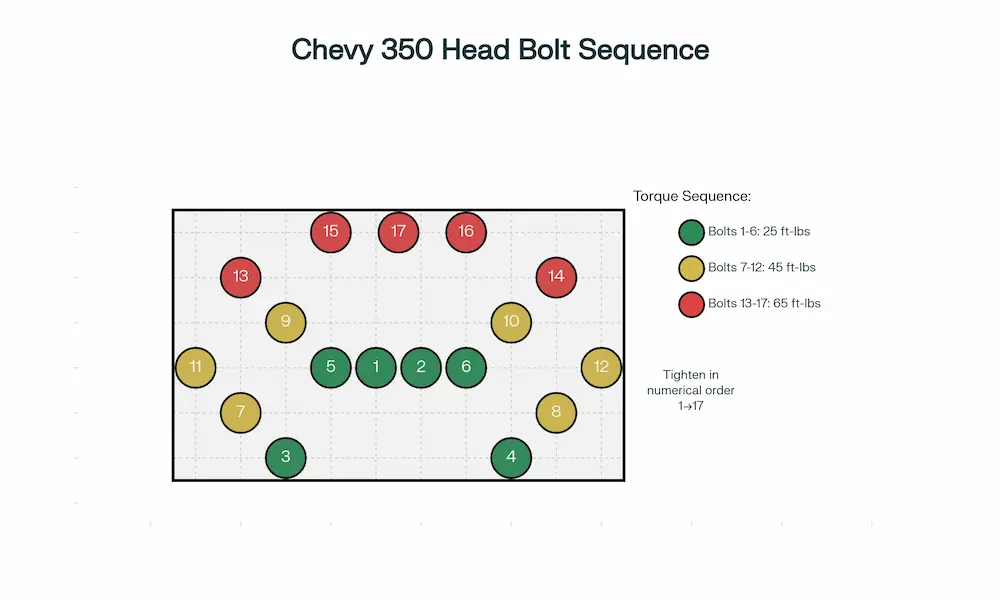
The heads come off for lifter access, so new multi-layer steel head gaskets are mandatory. Factory torque-to-yield head bolts are single-use — they stretch permanently during installation and can’t be reused safely.
For forced induction or heavy towing, upgrade to ARP or Point One head studs. Studs provide more accurate clamping force and dramatically reduce blown head gasket risk under hard use.
Oil Pump Replacement
With the AFM system gone, the secondary relief valve in the oil pan needs to be plugged or removed. Then, replace the oil pump to normalize system pressure.
| Melling Pump | Volume | Pressure | Best For |
|---|---|---|---|
| M365 | Standard | Standard | Stock builds, factory replacement |
| M365HV | High Volume | High Pressure | Performance builds, looser bearing clearances |
Bypass spring selection also matters. A red spring sets bypass at 70 psi; blue at 60 psi. Match the spring to your build specs.
Do You Need a Tune After an AFM DOD Delete?
Yes — 100%. No exceptions.
Without a tune, the ECU looks for the AFM solenoids, can’t find them, throws trouble codes, and puts the truck in limp mode. You need a calibrator to permanently disable all AFM logic in the engine control module.
If you installed a performance camshaft, the tune also needs to rewrite fuel maps, spark timing, and idle air control tables to match the new cam’s valve timing. Skip the tune on a performance cam and you risk lean conditions hot enough to damage pistons.
HP Tuners is the go-to software platform most calibrators use for these builds.
What Does an AFM DOD Delete Actually Cost?
| Method | Parts (USD) | Labor + Tune (USD) | Total (USD) |
|---|---|---|---|
| OBD-II Plug-In Disabler | $200–$250 | $0 | $200–$250 |
| Custom Software Tune Only | $0 | $300–$600 | $300–$600 |
| Mechanical Delete (Stock Spec) | $600–$800 | $1,500–$2,500 | $2,100–$3,300 |
| Mechanical Delete (Performance) | $1,200–$2,000+ | $2,000–$3,000 | $3,200–$5,000+ |
A full mechanical delete at $5,000 sounds steep. A long-block engine replacement after a lifter destroys the cam runs $8,000 or more — and that’s before you fix the transmission.
What Changes After the Delete?
Owners consistently report smoother idle, linear throttle response, and zero exhaust drone after a proper AFM DOD delete. The transmission stops shuddering because the torque converter clutch no longer slips constantly to mask four-cylinder vibrations.
The only real tradeoff is fuel economy. Without cylinder deactivation, you’ll lose roughly 1–2 mpg on the highway. For most truck owners, that’s a completely acceptable trade for an engine that won’t grenade itself at 80,000 miles.
Frequently Asked Questions
Does installing a new camshaft during the delete change the break-in procedure?
Yes. You don’t need the aggressive 20-minute high-RPM break-in that flat-tappet cams require, but you do need to treat the engine carefully for the first 500 miles. Use a quality assembly lube on all valvetrain components during installation. Fill it with a break-in oil high in zinc and phosphorus (ZDDP) additives for the first few hundred miles. This lets the lifter rollers and cam lobes mate properly without galling the hardened steel surfaces.
Does an AFM DOD delete affect my truck’s resale value?
It depends on who’s buying. In the private market, truck enthusiasts and mechanics often pay more for a deleted engine — they know the failure history and see it as a bulletproofed build. At a dealership trade-in, aftermarket engine modifications and a custom tune can lower the appraisal. Dealers typically prefer stock vehicles to minimize liability on their used lot.
Is an AFM DOD delete legal in CARB states like California?
It gets complicated. States following California Air Resources Board (CARB) regulations require any aftermarket engine modification to hold a valid Executive Order (EO) number proving it doesn’t increase emissions. Some compliant remanufactured engines with built-in deletes hold specific designations like CARB E.O. D-391-2. Installing an uncertified performance cam or delete kit without that EO will fail a visual emissions inspection and make the vehicle illegal for street use in those states.
Will my insurance deny a claim if I do an AFM DOD delete?
Generally, no — standard policies don’t scrutinize internal valvetrain upgrades done for reliability. Removing a failure-prone system rarely triggers coverage issues for liability or collision claims. However, if you pair the delete with extreme performance modifications that significantly increase horsepower, disclose that to your insurer. Failing to disclose major power upgrades could create a dispute if the vehicle is deemed substantially more valuable or dangerous than the policy originally covered.