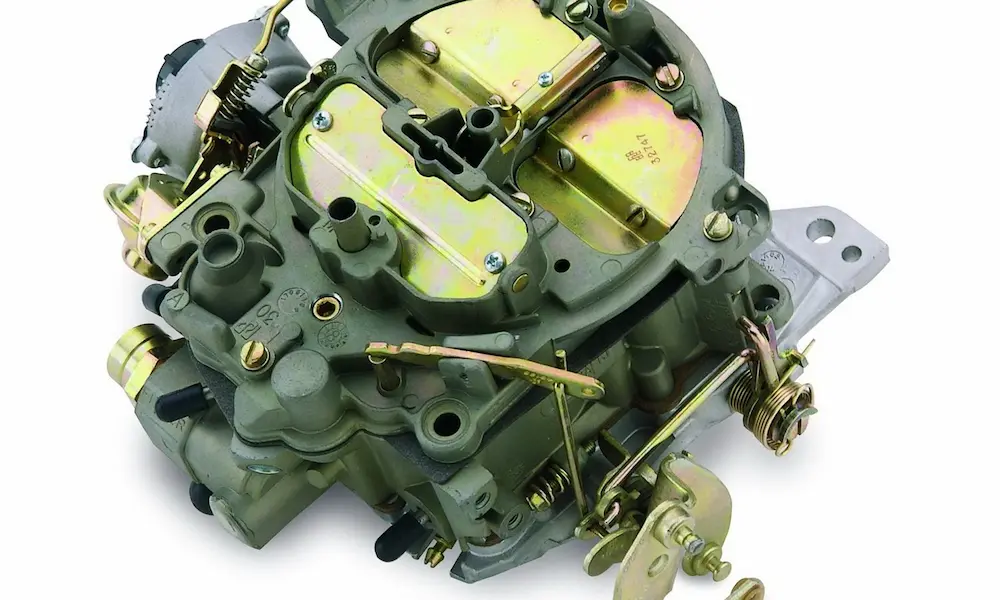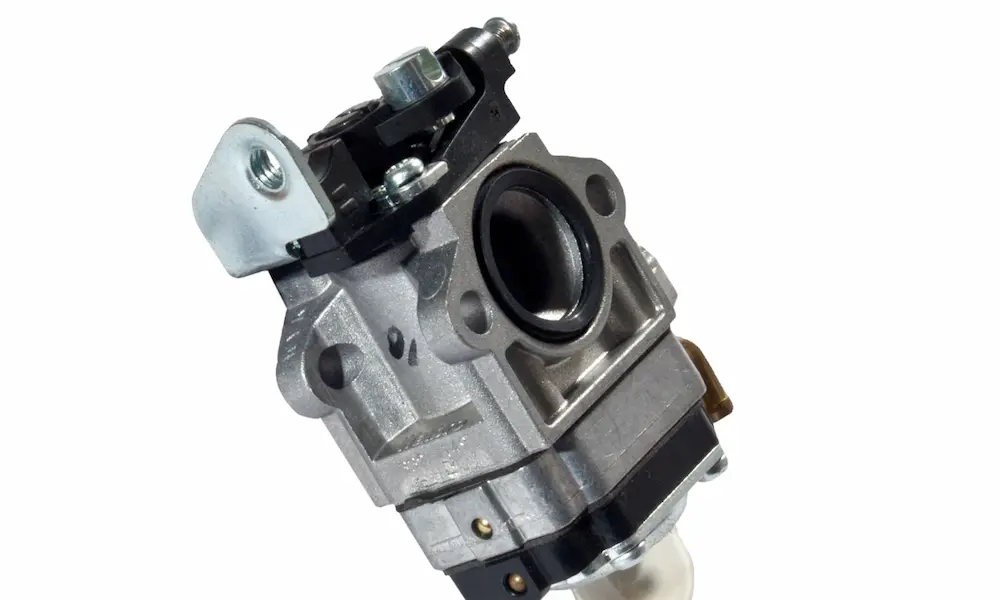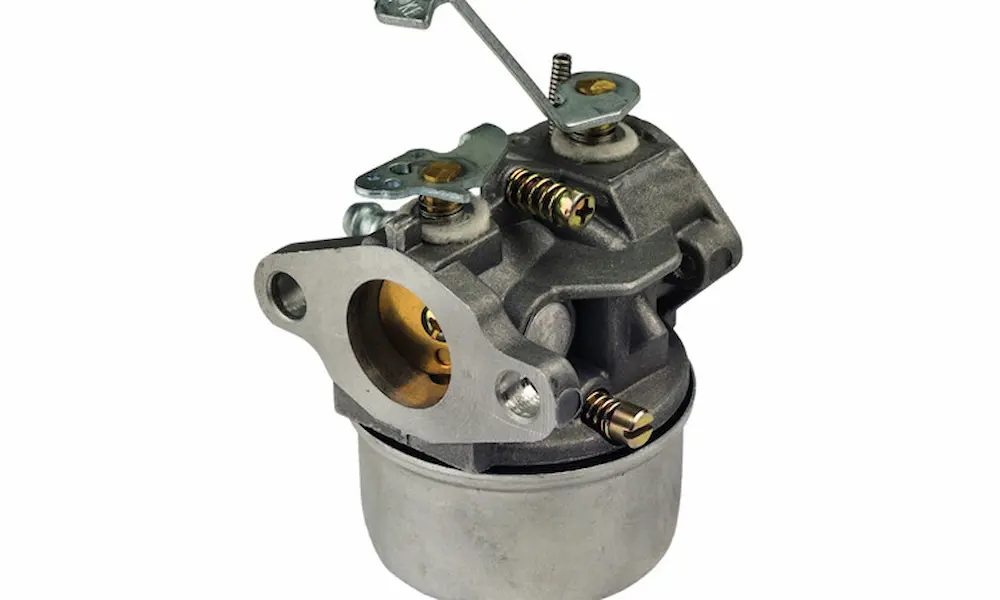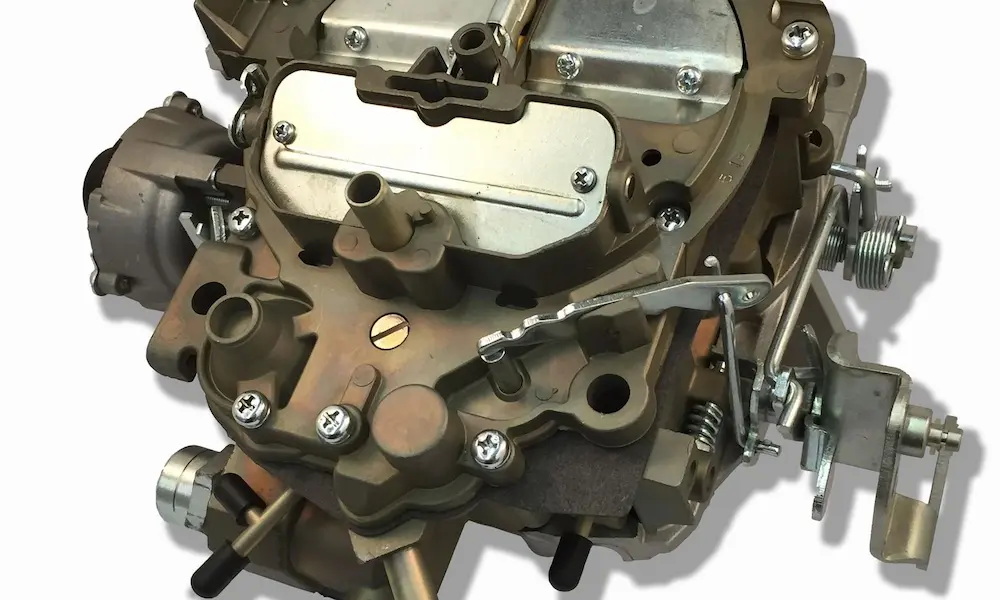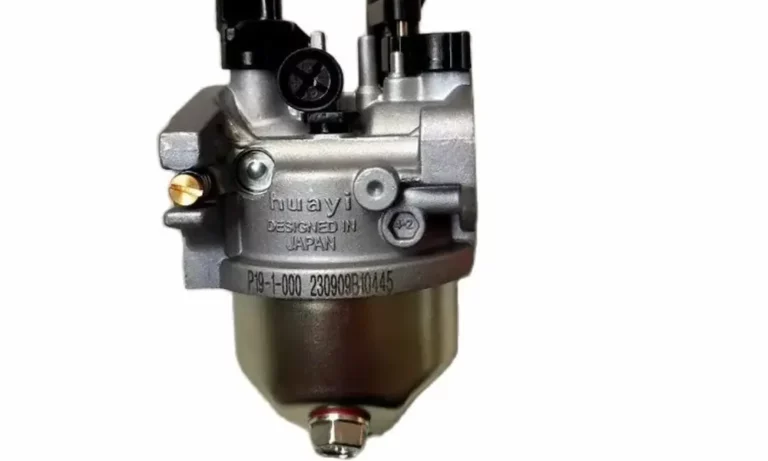
Staring at a carburetor with zero idea what it is? You’re probably dealing with a Huayi unit — and ordering the wrong replacement is a costly mistake. This guide walks you through exact identification steps, calibration codes, product families, and cross-reference data. Stick around, because the difference between a working engine and a seized piston is just a few digits.
Why Huayi Carburetor Identification Actually Matters
Huayi is the primary OEM carburetor supplier for MTD and its family of brands — Cub Cadet, Troy-Bilt, Craftsman, Yard Machines, Yard-Man, Husky, and Bolens. You’ll find their carburetors on walk-behind mowers, snowblowers, tillers, log splitters, and portable generators sold across the United States.
Here’s the catch: MTD uses a dual-sourcing model. Huayi runs primary, Deni runs secondary, and Ruixing occasionally shows up on older units. Two carburetors can sit on identical engine blocks but carry completely different internal calibrations. Order by engine model number alone and you’ll get the wrong part every time.
The only reliable method is reading the carburetor itself.
How to Find the Huayi Logo on Your Carburetor
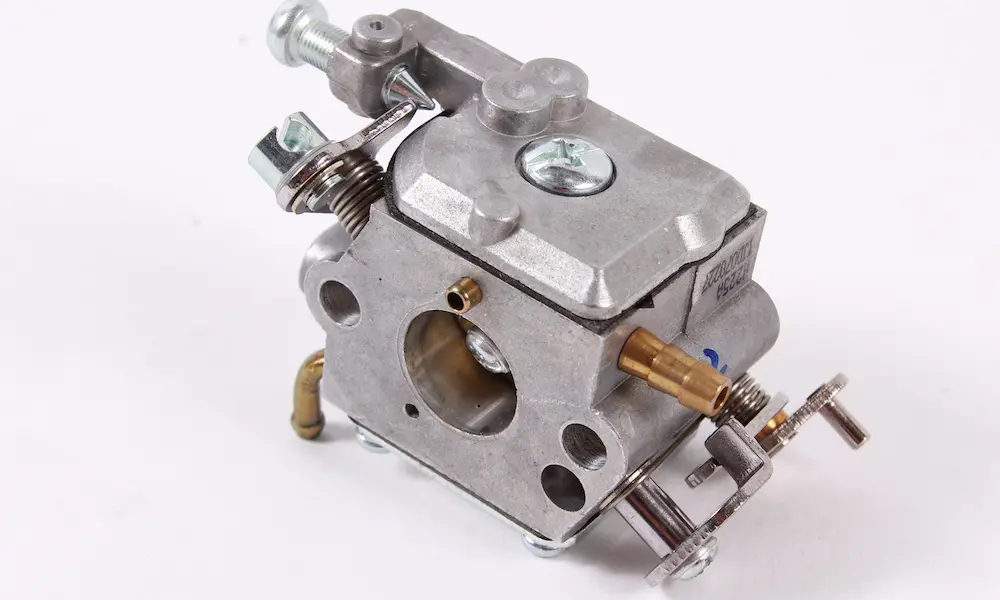
Start by flipping the carburetor to the side opposite the main fuel inlet elbow. The manufacturer’s trademark is cast directly into the metal housing. You’re looking for the Huayi name or logo pressed into the body of the unit.
This single step tells you whether your unit came from Huayi or Deni. It sounds simple, but technicians skip it constantly — then wonder why their rebuild kit doesn’t fit.
Reading the Calibration Code: Step-by-Step
The calibration code is a four-to-six-digit alphanumeric identifier. It controls the jetting configuration, emulsion tube design, and choke routing. Every one of those details matters for how your engine runs.
The code appears in two places:
- Stamped into the casting — check the throttle plate flange or near the fuel inlet
- Embedded in the printed serial number on the carburetor body
For the printed serial number, count past the first seven characters. The calibration code starts at position eight. A serial number beginning with seven digits will reveal its calibration sequence immediately after those first seven characters.
What the Suffix Letters Mean
This naming structure mirrors classic carburetor identification schemes where base codes cover specific engine platforms and suffix letters track engineering revisions.
For Huayi, the suffix progression works like this:
- S, SA, SB, SC — progressive changes to jet sizing, idle circuitry, or throttle linkage
- H, HA, HB — automatic choke variants with sequential updates
- J, JA, JB — separate calibration family for specific engine configurations
The jump from 170S to 170SA represents a direct engineering evolution. Installing a base revision when the engine needs a modified suffix causes mechanical misalignment or driveability problems. Don’t guess here.
Choke Systems Change Everything
Two carburetors sharing identical castings can carry different calibration codes simply because their choke systems differ. Here’s what that looks like in practice:
- Automatic metal choke (MTD model 12705) → different code than a manual plastic choke lever (MTD models 12098 or 164236)
- Primer-bulb system (code 161S) → no choke plate at all, different throttle casting
- Choke-based assembly (code 161H) → has linkage points the primer version lacks
A primer-only carburetor cannot substitute for a choke-based assembly. The castings are physically incompatible. This is one of the most common ordering mistakes in small engine repair.
The P-Series: Generator and Utility Engine Families
Huayi organizes its generator and utility engine carburetors into P-series families based on displacement class. The bolt pitch and bore size are your identification keys.
| Family | Engine Platform | Bore Size (mm) | Bolt Pitch (mm) |
|---|---|---|---|
| P15 | 152F (79cc–98cc) | 15.0 | 40.0 |
| P19 Standard | 168F / 170F (196cc) | 18.5 | 42.0 |
| P19-1 Enhanced | GX200 / 212cc / 224cc | 19.0 | 45.0 x 40.0 |
| P21 | 173F / 177F (242cc) | 21.0 | 53.0 |
| P27-1D | GX390 / 420cc / 459cc | 27.0 | 52.0 |
P19 Standard vs. P19-1 Enhanced: Don’t Mix These Up
The P19 and P19-1 look similar but they won’t swap directly. Key differences:
- P19 Standard: 18.5mm bore, solid throttle shaft, rear-mounted lever arm
- P19-1 Enhanced: 19mm bore, spring-return shaft, side-mounted pivot bracket, larger bolt pattern
Measure your flange bolt centers before ordering. A half-millimeter difference stops installation cold.
Winter Series: L10 and L11D for Snowblowers
Snowblowers running LCT or Lauson engines use the Huayi L10 and L11D winter series. These show up on Ariens, Husqvarna, and Poulan Pro equipment. They’re built with specialized internal galleries that resist freezing and they don’t use traditional paper air filters.
The L10 model SKSN0312 fits LCT Gen I Snow 208cc engines and cross-references to LCT 03022 and Ariens 20001368. If your snowblower won’t start in cold weather and you’ve replaced the fuel, look at this carburetor first.
Generator Carburetors with Anti-Backfire Solenoids
Larger generators — those running 389cc to 459cc blocks — use Huayi P27-series carburetors with a fuel cutoff solenoid mounted on the bottom of the float bowl.
Here’s how the solenoid works:
- Generator runs → solenoid energizes → plunger pulls down → fuel flows through main nozzle
- Ignition cuts off → power drops → spring pushes plunger up → main jet seals instantly
This design prevents two problems: unburned fuel entering a hot exhaust system and fuel slowly leaking past the float needle into the crankcase during storage. If your generator surges after shutdown or smells like raw fuel, check this solenoid before replacing the entire carburetor.
Chainsaw Identification: Chinese 4500/5200/5800 Blocks
For Chinese-manufactured chainsaws, Huayi carburetors carry specific casting codes engraved directly into the housing:
- H-CARB-45K → 4500 series
- H-CARB-52M → 5200 series
- H-CARB-58R → 5800 series
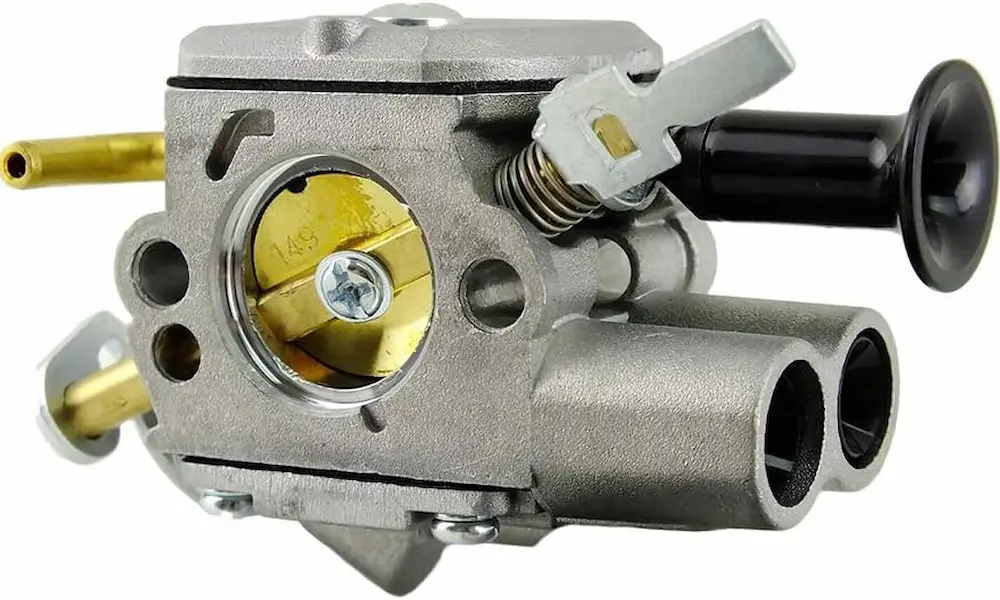
Physical identifiers include vertically protruding brass idle adjustment knobs and tapered inner venturi walls. These features maintain fuel atomization under high-vibration chainsaw conditions.
Calibration Code Cross-Reference: MTD OEM Parts
Use this table to match your stamped calibration code directly to the correct assembly and rebuild kit.
| Supplier | Calibration Code | Assembly Part # | Rebuild Kit # |
|---|---|---|---|
| Huayi | 161H | 951-14019 | 951-12758 |
| Huayi | 161S | 951-14018 | 951-12756 |
| Huayi | 161SA | 951-12612 | 951-12757A |
| Huayi | 165H | 951-12702 | 951-12709A |
| Huayi | 165S | 951-12707 | 951-12716 |
| Huayi | 165SB | 951-12705 | 951-14050 |
| Deni | 165S | 951-12706 | 951-12713 |
| Deni | 165SB | 951-12705 | 951-12712 |
| Huayi | 170S | 951-14026A | 951-12788A |
| Huayi | 170SA | 951-14026A | 951-12788A |
| Deni | 170S | 951-14027A | 951-14153 |
| Deni | 170SA | 951-14027A | 951-14154 |
| Huayi | 178S | 951-14024A | 951-12762A |
| Huayi | 183S | 951-14023A | 951-12760A |
| Huayi | 190S | 951-14022A | 951-12761A |
| Huayi | 190SB | 951-14035 | 951-14231 |
Full data including sub-assembly numbers is available in the official MTD carburetor identification document.
How to Clean a Huayi Carburetor
Ethanol-blended fuel leaves sticky lacquer deposits inside carburetors over time. Here’s the correct service sequence based on generator carburetor cleaning procedures:
- Close the fuel valve
- Open the drain screw on the float bowl bottom to empty remaining fuel
- Detach the float bowl by unthreading the retaining bolt or solenoid
- Unthread the main jet from the center post using a flat-head screwdriver — go easy on brass threads
- Gently pry the main nozzle from the center column
- Clear all lateral ports on the main jet and nozzle with a thin wire strand
- Apply aerosol carburetor cleaner and blow through with compressed air
- Pull the pilot jet with needle-nose pliers and clear it completely
Don’t skip the pilot jet. A blocked idle circuit causes rough low-speed running that mimics carburetor failure — and sends people ordering new parts they don’t need.
What Happens When You Install the Wrong Code
Installing a mismatched calibration code isn’t just an inconvenience. A carburetor calibrated too lean raises combustion temperatures and causes piston seizure. One calibrated too rich fouls spark plugs and breaks down oil viscosity.
U.S. environmental regulations have pushed manufacturers to tighten fuel-air tolerances significantly. That’s why visually identical carburetors can carry different main jet diameters or air bleed configurations. The codes exist for a reason — use them.
Read the trademark. Extract the calibration code starting at character eight of the printed serial number. Match it to the table. That three-step process eliminates technician errors, return shipping costs, and equipment downtime before they start.