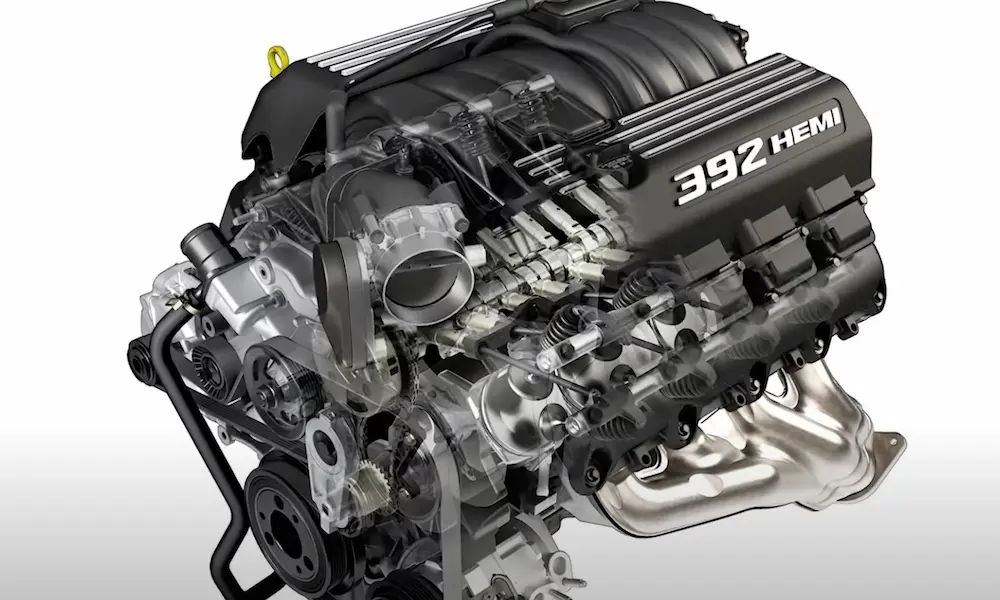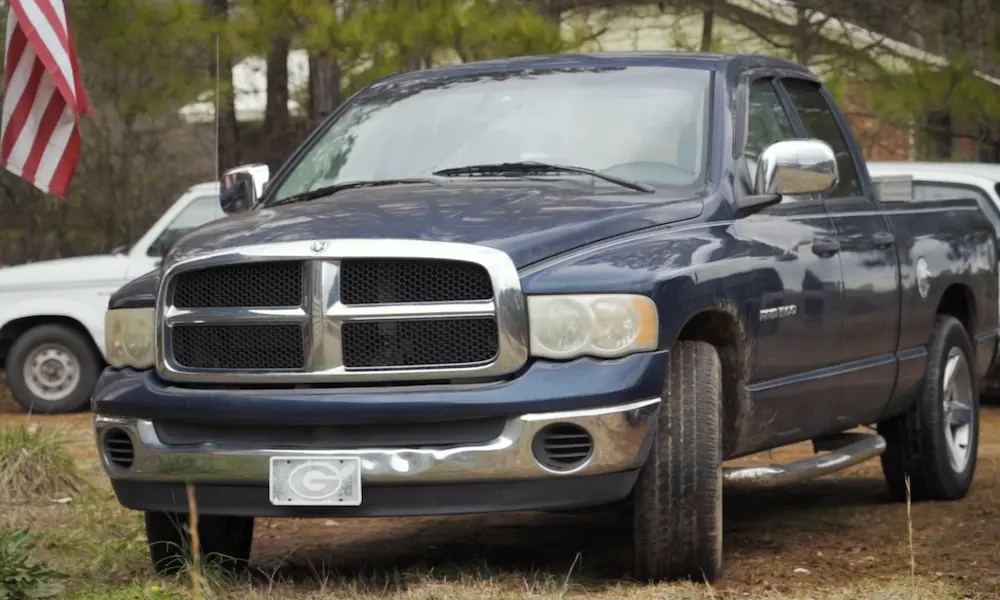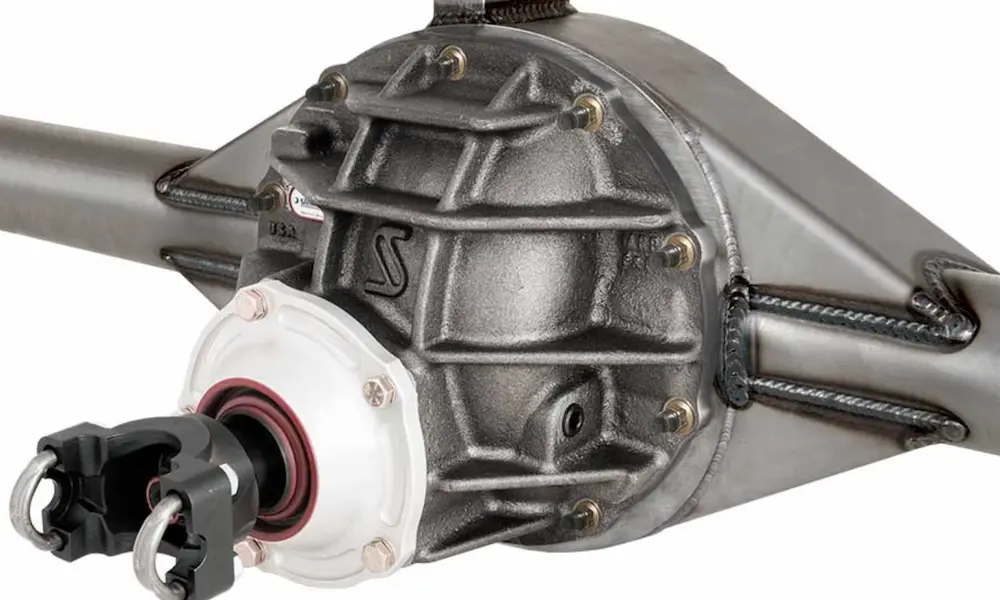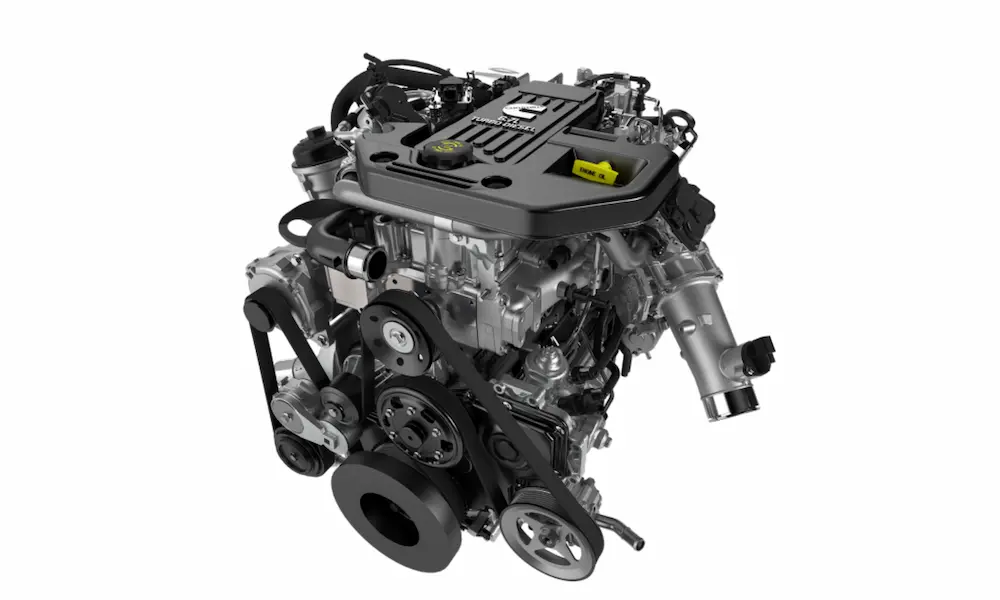
Trying to figure out exactly how much power your 5.9 Cummins makes — or made — can feel like solving a puzzle. The numbers changed almost every year, and your transmission mattered more than you’d think. This guide breaks it all down clearly, from the original 160-horsepower workhorse to the fire-breathing 325-horsepower common-rail beast. Read to the end — the weaknesses section alone could save you thousands.
Why the 5.9 Cummins HP and Torque Numbers Keep Changing
Here’s something most people don’t realize: the 5.9 Cummins didn’t have one set of power numbers. It had dozens, depending on the year, the injection system, and whether you picked an automatic or manual transmission.
Chrysler engineers deliberately tuned the engine differently based on what transmission sat behind it. The automatic couldn’t handle the Cummins’s full torque output, so they dialed the power back electronically. Manual-equipped trucks got the real numbers. That gap was significant — sometimes 35 horsepower and 40 foot-pounds of torque separate the two.
Three generations of injection technology drove most of the changes:
- 12-valve mechanical era (1989–1998): Simple, bulletproof, and beloved
- 24-valve VP44 electronic era (1998.5–2002): More power, new problems
- Common-rail CP3 era (2003–2007): Peak factory output, modern refinement
5.9 Cummins HP and Torque by Year: The Complete Breakdown
First Generation: 12-Valve VE Pump (1989–1993)
The original 6BT engine launched with 160 horsepower at 2,500 rpm and 400 lb-ft of torque at just 1,700 rpm. That torque number arrived at a shockingly low engine speed — lower than almost anything else on the road.
To put it in context: the competing GM 6.2-liter diesel made 130 hp and 240 lb-ft. The Ford 7.3-liter indirect-injection engine made 185 hp and 338 lb-ft. The Cummins obliterated both in real-world towing situations.
A mid-cycle update added an air-to-air intercooler partway through 1991. The factory ratings didn’t change, but cooler intake air meant lower exhaust temps and longer engine life under sustained loads.
Chrysler projected 10,000 first-year sales. They actually sold 18,000. The market had spoken.
Second Generation: 12-Valve P7100 Pump (1994–1998)
The Bosch P7100 inline mechanical pump arrived with the redesigned Ram platform in 1994. Diesel enthusiasts still call this the gold standard of mechanical injection reliability.
Here’s where the transmission split really showed up:
| Year | Transmission | Horsepower | Torque |
|---|---|---|---|
| 1994–1995 | Automatic | 160 hp | 400 lb-ft |
| 1994–1995 | Manual | 175 hp | 420 lb-ft |
| 1996–1998 | Automatic | 180 hp | 420 lb-ft |
| 1996–1998 | Manual | 215 hp | 440 lb-ft |
The P7100 pump was tuned extremely conservatively from the factory — set to about 12 degrees of timing advance. This is exactly why these trucks respond so aggressively to simple mechanical modifications. The potential was always there. Chrysler just locked it down.
Second Generation: 24-Valve VP44 Pump (1998.5–2002)
Tightening EPA emissions standards forced a complete redesign midway through the 1998 model year. The cylinder head went from 12 valves to 24, placing the injector directly above the piston bowl for cleaner combustion. The mechanical P7100 gave way to the Bosch VP44 electronic rotary pump.
Power climbed, but the transmission split continued:
| Year | Transmission | Horsepower | Torque |
|---|---|---|---|
| 1998.5–2000 | Automatic | 215 hp | 420 lb-ft |
| 1998.5–2000 | Manual | 235 hp | 460 lb-ft |
| 2001–2002 | Auto & 5-spd Manual | 235 hp | 460 lb-ft |
| 2001–2002 | NV5600 6-spd (High Output) | 245 hp | 505 lb-ft |
That High Output variant with the NV5600 six-speed manual was a serious machine. It used a 17.0:1 compression ratio versus the standard 16.3:1, heavier flywheel, and custom fuel system software. Those 505 lb-ft were no joke.
Third Generation: 24-Valve Common-Rail CP3 (2003–2007)
This is where the 5.9 Cummins hp and torque story hits its peak. The Bosch CP3 high-pressure common-rail system pressurized a shared fuel rail and fired individual electronic injectors with precision timing — including a small pilot injection before the main event to smooth combustion.
The result: massive power and noticeably quieter operation.
| Year | Configuration | Horsepower | Torque |
|---|---|---|---|
| 2003 | Standard Output | 235 hp | 460 lb-ft |
| 2003 | High Output | 305 hp | 555 lb-ft |
| 2004 | California Emissions | 235 hp | 460 lb-ft |
| 2004.5 | All other markets | 325 hp | 600 lb-ft |
| 2005–2007 | All markets | 325 hp | 610 lb-ft |
The 2004.5 mid-year calibration update pushed output to 325 hp and 600 lb-ft. By 2005, a software refinement nudged torque up to 610 lb-ft — a number that held through the engine’s final year in 2007.
Core Engine Specs That Stayed Consistent Throughout
Despite all the injection system and tuning changes, the bottom end of the 5.9 Cummins barely changed across 18 years of production.
| Specification | Detail |
|---|---|
| Configuration | Inline 6-cylinder |
| Displacement | 5.9L (359 cubic inches) |
| Bore | 4.02 inches (102mm) |
| Stroke | 4.72 inches (120mm) |
| Firing Order | 1-5-3-6-2-4 |
| Dry Weight | ~1,100–1,150 lbs |
That 4.72-inch stroke is enormous. It’s what creates that signature low-rpm torque. The inline-six configuration also achieves perfect primary and secondary balance — no balance shafts required, unlike V8 diesel designs.
Compression ratios shifted slightly by generation: 17.0:1 on early 12-valve engines, 16.3:1 on standard 24-valve units, back to 17.0:1 on High Output variants, and 17.2:1 on the final common-rail engines.
Known Weaknesses You Need to Know About
The 5.9 Cummins has an impressive B50 lifespan rating of 350,000 miles — meaning half of all engines built reach that mileage before needing a major overhaul. But several generation-specific issues can cut that number short if you don’t stay ahead of them.
The Killer Dowel Pin (1989–2002)
A small steel alignment pin pressed into the front timing cover can vibrate loose over thousands of heat cycles. If it falls into the rotating timing gear assembly, it can destroy the timing case, shatter gear teeth, and bend valves — total engine loss. The fix is simple and cheap: remove the timing cover and bolt a small metal tab over the pin bore.
The “53 Block” Cracking (1998–2001)
Engine blocks cast in Brazil between 1998 and 2001 — identifiable by a large “53” cast into the block’s exterior — have abnormally thin coolant jacket walls from a foundry casting shift. Under heavy loads or high boost, those walls crack and leak coolant externally. If you’re buying a VP44-era truck, check for that “53” stamp before anything else.
VP44 Lift Pump Failure (1998.5–2002)
The VP44 injection pump depends entirely on fuel from the lift pump for internal cooling and lubrication. The factory lift pump is notoriously weak. When it fails, the VP44 overheats and dies — usually starting with hot-start stalling and ending with a $1,500+ injection pump replacement. The solution is installing a high-volume aftermarket lift pump with a pressure gauge before the stock one kills your VP44.
Common-Rail Injector Wear (2003–2007)
The CP3 system operates under extreme internal pressures. Factory fuel filters only filtered down to seven microns — not fine enough for long-term injector health. Contaminated fuel scores internal injector components and the CP3 pump itself. A leaking injector can dump raw fuel into a cylinder and melt pistons. Add a supplemental two- to four-micron filtration system and replace fuel filters religiously.
Exhaust Manifold Cracking (1998.5–2007)
Thermal cycling from heavy towing causes factory exhaust manifolds to warp and crack. Sheared manifold bolts and exhaust leaks are common. Aftermarket multi-piece manifolds handle thermal expansion far better than the factory single-piece design.
Aftermarket Power: How Much Can These Engines Really Make?
The 5.9 Cummins responds to modifications better than almost any diesel engine ever built. The forged crankshaft, heavy connecting rods, and cast-iron block are massively over-engineered for factory power levels.
12-valve mechanical tuning is refreshingly simple. A fuel screw adjustment on the VE pump can yield 70 extra horsepower and 200 lb-ft immediately. On the P7100, swapping in a Mack rack plug and installing 3K or 4K governor springs unlocks fuel delivery well past 3,000 rpm. No laptops required.
Electronic tuning on VP44 and common-rail engines works through custom ECM remapping or plug-in performance modules. Entry-level tuning alone routinely adds 100 horsepower and 180 lb-ft to otherwise stock engines.
Once you start adding fuel, you need to manage heat:
- Turbo upgrades (63mm–67mm compressor inducers) drop exhaust gas temperatures and push output past 400 hp
- Upgraded intercoolers and cold air intakes improve intake air density and combustion efficiency
- Aftermarket head studs become mandatory above 400 hp — factory head bolts can’t hold cylinder pressure at elevated boost levels
Fuel Economy and Long-Term Reliability
In unladen highway driving, operators consistently report 19–22 mpg from the 5.9. That’s impressive for a diesel this old. Heavy towing or oversized tires drops that to 11–15 mpg, but the efficiency baseline remains competitive decades after production ended.
Without exhaust gas recirculation systems or diesel particulate filters — equipment that severely hampers fuel economy on newer platforms — the 5.9 keeps its internals clean and its efficiency high. With diligent maintenance, these engines regularly exceed 500,000 miles in commercial service without internal failure.
The key variables: clean fuel supply, quality oil filtration, and keeping an eye on exhaust gas temperatures under load.
FAQs About 5.9 Cummins HP and Torque
What does “6BT” or “ISB” mean in Cummins engine naming?
The “6” means six cylinders, “B” identifies the engine block series, and “T” stands for turbocharged — giving you “6BT.” The designation “ISB” stands for Interact System B, which Cummins used to signal electronic engine management on the 24-valve generations. VIN-embedded codes like “C” (High Output) or “6” (standard) further identify specific power versions.
Does the 5.9 Cummins use glow plugs?
No. Unlike the competing Ford and GM diesels of the era that relied on individual glow plugs in each combustion chamber, the 5.9 uses a single high-amperage grid heater in the intake manifold. It heats incoming air before it enters the cylinders, providing reliable cold-weather starts without the ongoing maintenance of six individual glow plugs.
Why did some years have two different power ratings?
The automatic transmission couldn’t handle the Cummins’s full torque output, so Chrysler used pump governor adjustments (12-valve era) and electronic controls (24-valve era) to limit power on auto-equipped trucks. Manual-equipped trucks received unrestricted tuning. This split was most pronounced from 1994 through 2000.
What’s the highest factory 5.9 Cummins hp and torque rating ever produced?
The peak factory output came in the 2005–2007 model years with the Bosch CP3 common-rail system: 325 horsepower at 2,900 rpm and 610 lb-ft of torque at 1,600 rpm. That 610 lb-ft figure is especially notable — it arrives low in the rpm range where towing actually happens.
Why do 12-valve P-pump engines command such high prices used?
The P7100’s fully mechanical nature means it requires minimal electrical input to run. No ECM, no electronic sensors controlling fuel delivery — just mechanical precision. That makes these engines immune to complex electrical failures, highly tunable without special software, and ideal for extreme-use or remote environments where electronics can’t be easily diagnosed or repaired.