Your GM truck might be quietly destroying itself every time you hit the highway. AFM and DFM — two fuel-saving systems built into millions of GM V8 engines — have a well-documented history of catastrophic failure. But here’s the thing: understanding how they work, how they differ, and what you can do about it could save you thousands in repair bills. Keep reading.
What Do AFM and DFM Actually Stand For?
In the context of GM trucks and SUVs, AFM stands for Active Fuel Management and DFM stands for Dynamic Fuel Management. Both are cylinder deactivation systems. Both save fuel by shutting down cylinders when you don’t need them. And both share a reliability problem that’s sparked class-action lawsuits and a passionate aftermarket industry.
AFM vs DFM: The Core Difference
Both systems cut fuel to specific cylinders during light-load driving — highway cruising, coasting downhill, steady speeds. The big difference is how they do it.
AFM operates as a simple on/off switch. You’re either running on all eight cylinders or exactly four. DFM is a completely different beast — it can run on anywhere from two to eight cylinders in real time, cycling through up to 17 distinct firing patterns (and up to 29 in certain calibrations).
| Feature | AFM | DFM |
|---|---|---|
| Introduced | 2005 | 2019 |
| Cylinder Modes | 4 or 8 (binary) | 2 through 8 (continuous) |
| Hardware Location | Lifter Oil Manifold Assembly (valley) | Individual block-mounted oil control valves |
| Deactivation-Capable Lifters | 8 out of 16 (V8) | All 16 (every cylinder) |
| System Activation Rate | ~52% of drive cycle | ~60% of drive cycle |
| Fuel Economy Gain | ~5–7% | Up to 20% |
| Recalculation Rate | Fixed logic | 80 times per second |
How AFM Works
AFM launched in 2005 on GM’s Generation IV small-block engines. On a V8, it targets cylinders 1, 4, 6, and 7. On a V6, it hits cylinders 3 and 6.
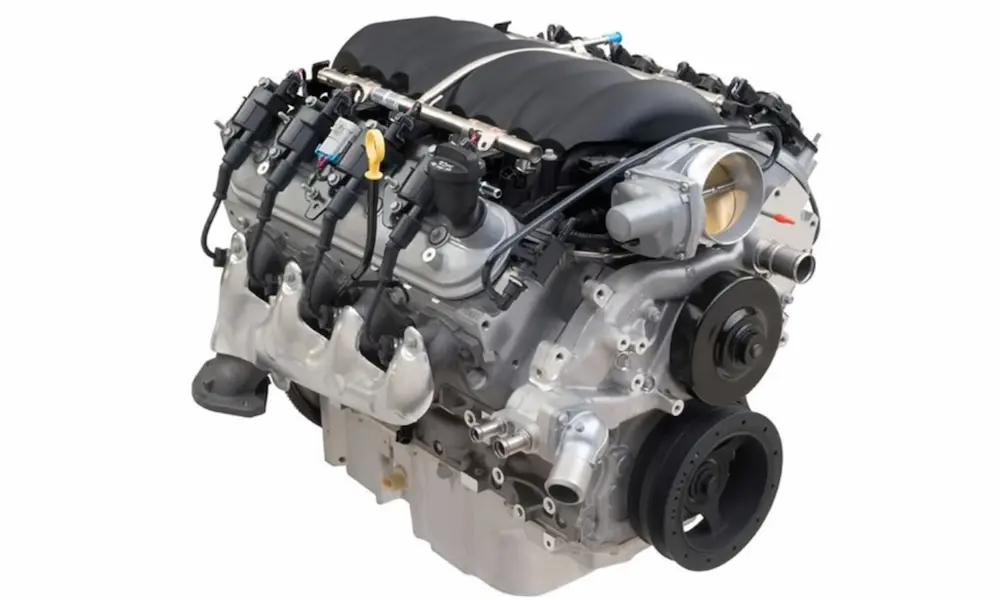
The Lifter Oil Manifold Assembly — bolted into the valley of the engine block under the intake manifold — houses a set of solenoids. When the Engine Control Module detects light load conditions, it opens those solenoids and routes pressurized oil into specialized collapsible lifters on the target cylinders.
Here’s what happens inside that lifter: oil pressure forces spring-loaded locking pins to disengage. The lifter’s inner plunger collapses freely instead of pushing the pushrod upward. The valves stay shut. The ECM cuts fuel injection to those cylinders. The pistons still move up and down, but no combustion occurs.
To prevent those pistons from creating destructive vacuum, AFM traps a full charge of exhaust gas inside the cylinder. That trapped gas acts like a pneumatic spring — compressing on the upstroke and releasing energy on the downstroke. Net energy loss: nearly zero.
How DFM Works
GM developed DFM in partnership with Tula Technology and launched it on 2019 full-size trucks. The goal was to beat tighter emissions targets and improve fuel economy beyond what a binary system could achieve.
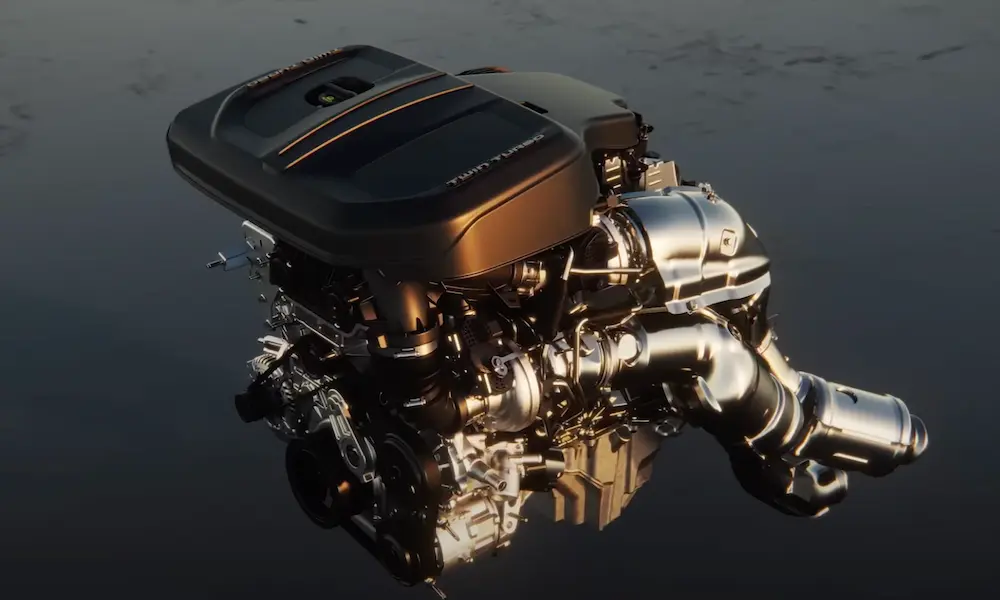
DFM completely redesigned the hardware. The valley-mounted Lifter Oil Manifold Assembly is gone. Instead, individual oil control valves are cast directly into the engine block beside every cylinder. And crucially, all 16 lifters in a DFM V8 are the complex, collapsible, pin-locking type — not just 8.
The ECM recalculates the required firing fraction 80 times per second. It might fire one cylinder, skip three, fire two, and skip five — constantly rotating the thermal load across the entire engine. This keeps any single cylinder from overheating while the others rest.
DFM also reversed the charge-trapping strategy. Instead of trapping high-pressure exhaust gas, it traps a low-pressure charge by deactivating the intake valve first. This further reduces pumping losses.
To smooth out the vibrations from random firing sequences, the paired automatic transmission uses a specially designed damper that slips precisely to cancel torsional irregularities in real time.
Which Engines Use AFM and Which Use DFM?
Not every GM V8 uses the same system. Here’s the breakdown across common engine codes:
| Engine Code | Displacement | System | Key Notes |
|---|---|---|---|
| LV3 | 4.3L V6 | AFM | Deactivates cylinders 3 and 6 |
| L83 | 5.3L V8 | AFM | Paired with 6-speed transmissions |
| L82 | 5.3L V8 | AFM | Transitional; block valves but binary logic |
| L84 | 5.3L V8 | DFM | All 8 cylinders deactivate-capable; 8 or 10-speed |
| L86 | 6.2L V8 | AFM | Pre-2019 trucks and SUVs |
| L87 | 6.2L V8 | DFM | 17–29 firing fractions; standard on premium trims |
| LT1 | 6.2L V8 | AFM | Auto only; inactive with manual transmission |
The Reliability Problem Nobody at the Dealership Mentions
Here’s where things get uncomfortable. Both systems have a well-documented Achilles heel: the collapsible lifters.
Over tens of thousands of miles, those locking pins actuate millions of times. Oil contamination, carbon soot, aeration, or simple metal fatigue causes them to jam in the collapsed position. When a pin sticks, the lifter can’t expand. The camshaft lobe slams into the bottom roller of that collapsed lifter on every rotation. You’ll hear a metallic tick or hammer coming from the top of the engine — that’s your first warning.
Drive it long enough in that state and the camshaft lobe deteriorates. The needle bearings inside the lifter roller shatter. Metal debris circulates through the oiling system, scoring the main and rod bearings. Complete engine failure follows.
A secondary failure is massive oil consumption. The oil pressure relief valves in the oil pan can spray atomized oil directly onto the lower cylinder walls. That oil gets past the piston rings, bakes into the ring grooves as hard carbon, locks the rings in place, and exits your exhaust as blue smoke. Your oil level drops between changes. Your spark plugs foul. Your wallet empties.
DFM actually carries a higher risk profile than AFM. Because it activates more frequently and uses 16 collapsible lifters instead of 8, the statistical probability of failure doubles. Some DFM engines have experienced lifter collapse before 40,000 miles — while AFM failures typically appeared after 100,000 miles.
Two Ways to Protect Your Engine
Electronic Disablers
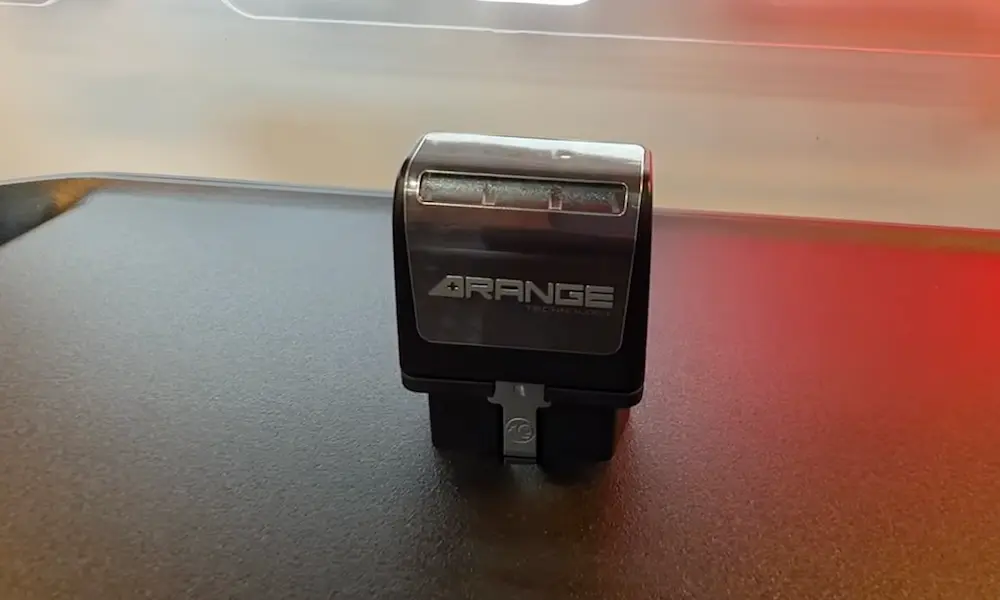
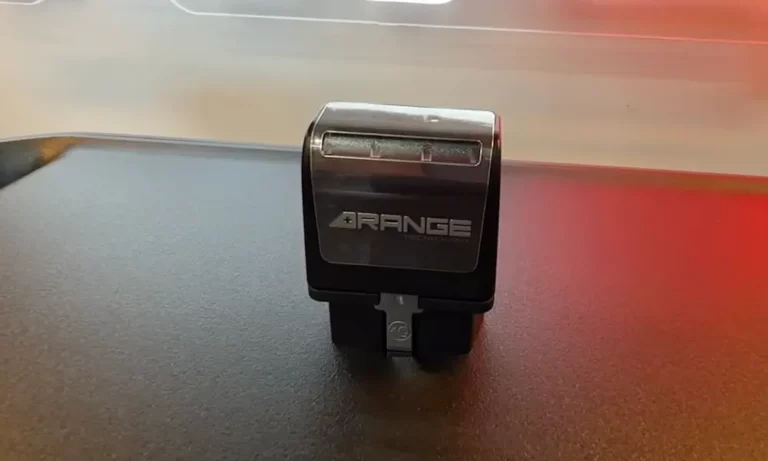
An electronic disabler plugs into your OBD-II port under the steering column and intercepts the ECM signals that request cylinder deactivation. Your engine runs on all cylinders, all the time. No more drone. No more rough transitions.
The upside: it’s cheap (under $250), simple, and leaves no digital footprint when you unplug it before a dealer visit.
The unavoidable downside: it’s software only. The fragile lifters are still physically inside your engine block. If a locking pin fails from metal fatigue or oil contamination, the lifter collapses anyway — regardless of what the computer commanded. A disabler reduces pin cycling wear, but it doesn’t eliminate the failure risk entirely.
Mechanical Deletes
A mechanical delete is a full engine teardown. The intake manifold, fuel rails, exhaust manifolds, and cylinder heads come off. All specialized lifters get pulled and replaced with traditional solid hydraulic roller lifters. The solenoid-filled valley cover gets swapped for a solid aluminum plate. The oil pressure relief valve gets permanently plugged.
Critically, a mechanical delete requires a new camshaft. The factory cam has lobe profiles specifically designed for the larger, heavier collapsible lifters. Drop standard lifters onto the factory cam and you’ll get compression imbalances, violent shuddering, and constant misfires.
The ECM also needs a custom tune to permanently disable the deactivation logic — otherwise the computer detects missing hardware and throws a cascade of fault codes.
Cost: $2,500 to $5,000+. Warranty: voided. But the engine is permanently converted back to a traditional, robust V8 with no collapsible components left to fail.
| Method | Hardware Removed | Cam Replacement | Estimated Cost | Warranty Impact |
|---|---|---|---|---|
| Electronic Disabler | None | Not required | Under $250 | None (if unplugged) |
| Mechanical Delete | All lifters, manifold, valves | Mandatory | $2,500–$5,000+ | Voids powertrain warranty |
Does Tow/Haul Mode Disable AFM or DFM?
No — and this is one of the most persistent myths among truck owners. Engaging Tow and Haul mode does not disable cylinder deactivation. It alters shift points and line pressures. The ECM will still command cylinder shutdown during highway coasting or downhill runs, even with Tow and Haul active. Towing in this state — with lifters still cycling while under heavy load — accelerates pin fatigue significantly.
Oil Type and Change Intervals: Your Best Cheap Insurance
The lifter pins live or die on oil quality. GM requires oil bearing their Dexos certification. The factory spec for many of these engines is 0W-20 — ultra-thin oil optimized for fuel economy testing.
Some fleet operators and independent techs argue that 0W-20 doesn’t provide enough hydrodynamic protection for the lifter rollers under heat. Many switch to 5W-30 and report reduced valvetrain noise and lower oil consumption.
Regardless of viscosity, don’t trust the oil life monitor. Change your oil every 5,000 miles. The microscopic ports inside the lifters clog easily with sludge and varnish. Fresh oil is the cheapest lifter insurance you can buy.
The Chip Shortage, YK9 Trucks, and What’s Next
During the 2021 semiconductor shortage, GM shipped thousands of trucks without the chips required to operate DFM. These vehicles carry the RPO code YK9 on their build sheet — indicating a factory electronic deletion of the system. Buyers received a small credit (roughly $50) at purchase.
Here’s the catch that many YK9 owners don’t realize: the physical lifters and oil control valves are still in those engines. The software is inactive, but the hardware is fully installed. A YK9 truck is mechanically identical to owning a truck with an aftermarket disabler — the lifters can still fail.
Looking ahead, patent filings and VIN analysis for 2026–2027 models suggest GM is moving away from collapsible lifters entirely. An “E” designation in the eighth VIN digit position appears to indicate a redesigned V8 using rocker shaft fluid porting to disengage rocker arms from pushrods — completely eliminating multi-piece lifters. Some models may drop variable displacement altogether. Class-action lawsuits and consumer backlash appear to be pushing GM toward a more reliable architecture.
FAQs About AFM vs DFM
Will an electronic disabler fail my emissions test?
It depends on your state. Cylinder deactivation is part of your vehicle’s certified emissions profile. In states with OBD-II plug-in testing — particularly California — leaving a disabler plugged in during inspection can cause incomplete readiness monitors and a failed test. Unplug it before the inspection. Note that permanently disabling an emissions-related system may conflict with EPA regulations and CARB standards, and most disabler manufacturers label their devices for “off-road use only” for exactly this reason.
Does a mechanical delete hurt or improve resale value?
It depends on the buyer. In the private market, knowledgeable buyers often pay a premium for trucks with documented professional deletes — the failure risk is permanently gone. High-mileage trucks still running factory hardware with no maintenance records typically take a depreciation hit, as buyers anticipate an expensive repair.
Can you fix the oil consumption problem without a full engine teardown?
Yes. The oil pressure relief valve in the oil pan is accessible without removing the cylinder heads. GM released an updated deflector shield that redirects the atomized oil spray downward. Installing it — or plugging the valve with an aftermarket pipe plug — only requires draining the oil and dropping the pan. It won’t fix a collapsed lifter, but it addresses the oil consumption issue specifically.
Do the transmission shift points change with a disabler versus a full delete?
Yes. With an electronic disabler, the transmission still expects the torque drops from cylinder deactivation — some drivers notice slightly firmer or delayed shifts. With a full mechanical delete and custom ECM/TCM tune, the transmission gets completely remapped for uninterrupted V8 power, producing smoother, more predictable behavior.
Should you baby a new truck during break-in to protect the lifters?
Yes. Avoid aggressive driving and heavy towing for the first 500–1,000 miles. More importantly, most engine builders recommend ditching the factory-fill oil at around 1,500 miles — well before the dashboard monitor suggests — to flush out metallic manufacturing debris that can jam the hydraulic pins before they’ve fully seated.