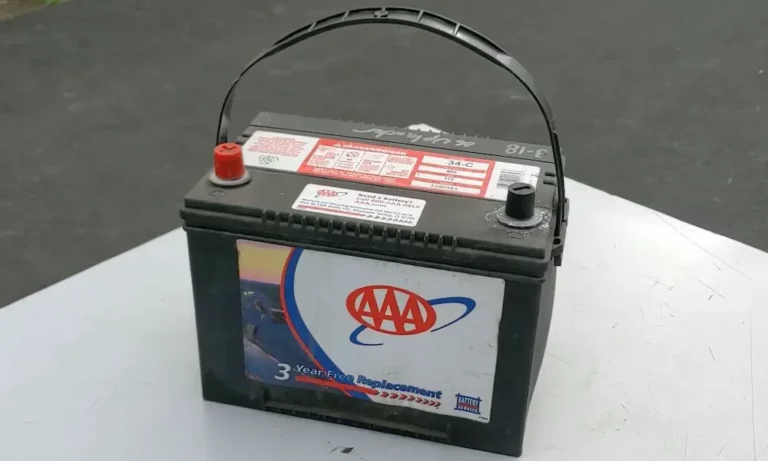
You’re stuck with a dead battery and AAA’s offering a convenient replacement right in your driveway. Sounds perfect, right? Before you say yes, let’s dig into what you’re actually getting for your money—and whether AAA batteries live up to the hype.
What Makes AAA Batteries Different
AAA doesn’t manufacture their own batteries. They source them from Exide Technologies, a company with over 130 years in the battery business. Exide supplies batteries to major automakers like BMW, Mercedes-Benz, and Toyota, which sounds impressive on paper.
The real selling point? AAA brings the battery to you. Their mobile service means a technician shows up at your location, tests your battery and charging system, and installs a replacement on the spot. No towing needed, no waiting at the shop.
But convenience comes at a cost—and we’re not just talking about the price tag.
Performance Specs: Nothing Special Here
Cold Cranking Amps and Starting Power
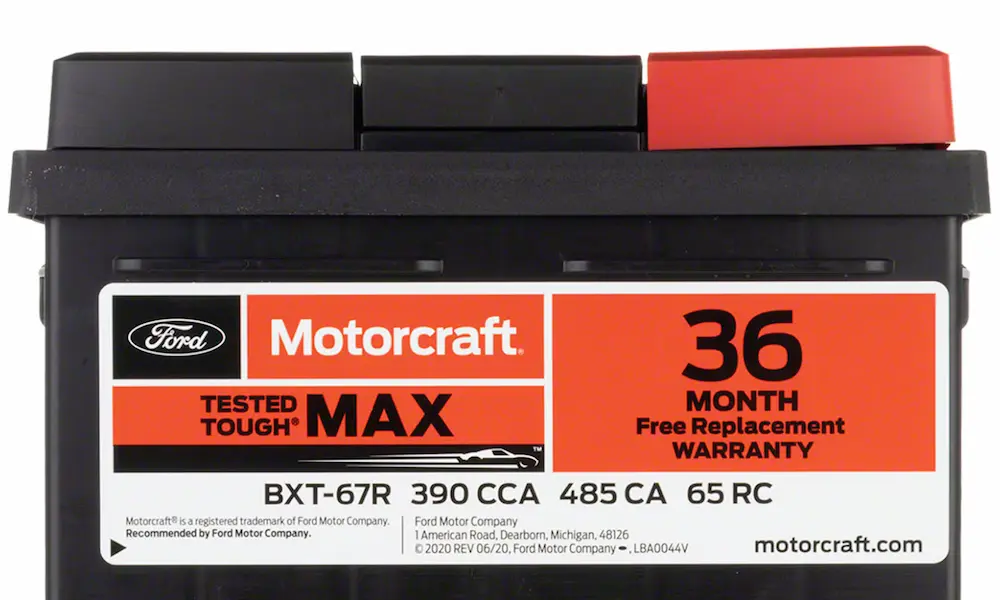
AAA batteries deliver Cold Cranking Amps (CCA) ratings between 550-800. That’s the current a battery can push for 30 seconds at 0°F, which determines how well your car starts in freezing weather.
These numbers meet industry standards. They’ll start your car just fine in most conditions. The problem? They don’t exceed average performance in any meaningful way.
Reserve capacity sits at standard levels too, providing about 25 amps for the typical duration. You won’t find AAA batteries winning any performance awards against competitors.
Battery Technology Options
AAA offers two main types:
- Traditional flooded lead-acid batteries – Your standard, reliable option
- AGM (Absorbed Glass Mat) batteries – Maintenance-free, spill-proof, better vibration resistance
The AGM versions cost more and supposedly handle extreme temperatures better. Marketing materials promise batteries “specifically designed to withstand extreme climate changes.” Real-world results tell a different story.
The Lifespan Problem: AAA’s Biggest Weakness
Here’s where things get ugly. AAA batteries typically last only 2-3 years. Compare that to quality batteries from other brands that routinely hit 4-6 years, and you’ll see why mechanics roll their eyes at AAA batteries.
One long-term customer reported needing three AAA battery replacements between 2011 and 2015. That’s roughly one battery every 16 months. They eventually switched to Interstate and stopped having problems.
This isn’t a one-off complaint. Automotive forums consistently report AAA batteries dying right around the 2-3 year mark. Professional mechanics see the same pattern—batteries failing “right outside of their warranty period.”
Quality Control Red Flags
One automotive professional noted encountering multiple AAA batteries that “typically don’t last more than 2 years.” The consistency of these failures suggests either manufacturing issues or design limitations that affect long-term reliability.
Some mechanics suspect AAA purchases batteries that have been sitting in warehouses too long. Batteries lose capacity during extended storage, which could explain the premature failures. Whether that’s true or not, the short lifespan remains undeniable.
Warranty Headaches You Don’t Need
The Fine Print
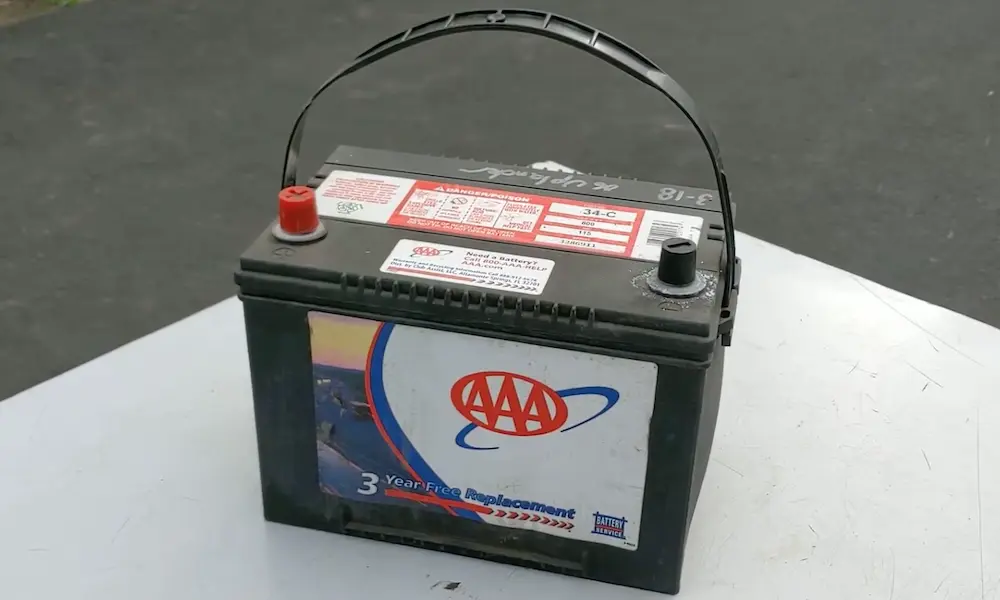
AAA provides a 3-year free replacement warranty. Sounds fair until you read the exclusions. The warranty doesn’t cover “premature failure due to neglect, damage or abuse”—terms that AAA interprets pretty liberally.
One customer got their warranty voided because they drove fewer than 7,500 miles per year. AAA claimed low mileage “constituted neglect.” That’s not a standard warranty exclusion you’ll find with most battery manufacturers.
The Claims Process Nightmare
Another customer spent an entire day trying to get a warranty replacement. Technicians couldn’t provide consistent test results. Management offered to sell them a new battery instead of honoring the warranty.
These experiences reveal a pattern: AAA uses strict warranty interpretation that often disadvantages customers with legitimate claims. When your battery dies at 2.5 years and they find a reason to deny your claim, that “3-year warranty” becomes meaningless.
The Real Cost of AAA Batteries
Upfront Pricing
AAA batteries run $100-180 installed. AAA members get a minimum $25 discount, but you’re still paying mid-to-premium prices. The mobile service convenience drives up the cost compared to buying a battery at an auto parts store.
Cost Per Year: The Ugly Truth
Here’s where the math gets brutal. At a typical $140 cost with a 2.5-year lifespan, you’re paying $56 per year of service.
Let’s compare that to alternatives:
| Battery Brand | Average Cost | Typical Lifespan | Cost Per Year |
|---|---|---|---|
| AAA | $140 | 2.5 years | $56 |
| Interstate (auto parts store) | $150 | 6 years | $25 |
| Costco Interstate | $85 | 5 years | $17 |
| Walmart EverStart Maxx | $90 | 5 years | $18 |
| Optima RedTop | $250 | 6 years | $42 |
You’re paying more than double what you’d spend on better batteries. That mobile service premium doesn’t justify the poor value proposition.
Better Alternatives That Won’t Let You Down
Interstate: The Professional’s Choice
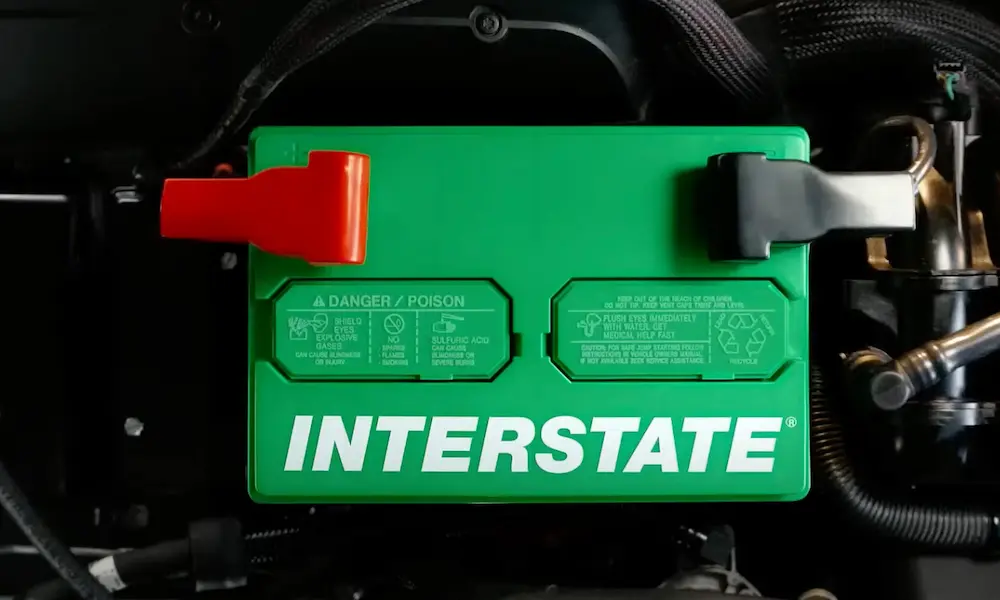
Mechanics consistently recommend Interstate batteries. Users report 5-7 year lifespans with reliable performance. The batteries cost about the same as AAA upfront but last twice as long.
Costco’s Interstate batteries deliver exceptional value at $70-100. You get the same quality Interstate construction with Costco’s superior customer service for warranty claims. No fighting over whether you drove enough miles or arguing about test results.
Premium Performance: Optima RedTop
If you need maximum reliability for extreme conditions, Optima RedTop batteries cost $200-300 but provide 6-8 year lifespans. Their spiral cell AGM design handles vibration better and recovers from deep discharge situations that would kill conventional batteries.
They’re overkill for most daily drivers, but worth considering if you live in harsh climates or have a vehicle with heavy electrical demands.
Budget-Friendly Winners
Walmart’s EverStart Maxx batteries surprise people with their performance. At $50-120, they typically last 4-6 years. Professional testing shows EverStart batteries often outperform more expensive alternatives in cold weather.
You can buy these at any Walmart, and their warranty process doesn’t involve jumping through hoops.
How to Actually Choose a Good Battery
Key Specifications That Matter
Focus on these numbers when shopping:
- CCA rating – Match or exceed your vehicle’s requirements (check what CCA means for your climate)
- Reserve capacity – Higher numbers give you more backup power
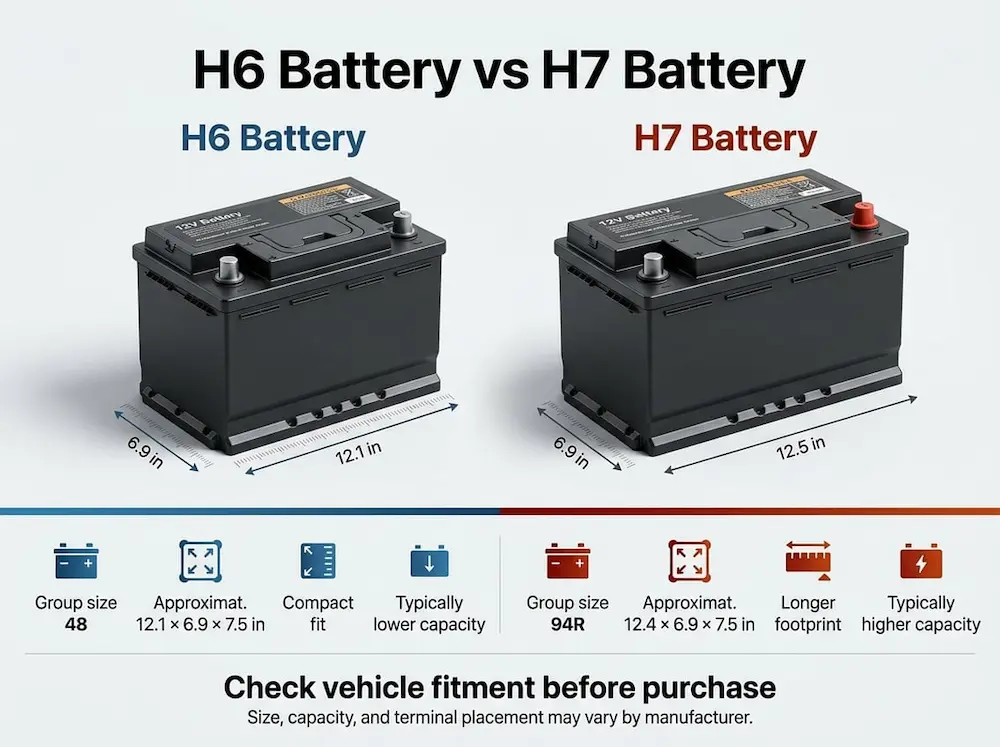
- Physical fit – It needs to fit your battery tray properly
- Group size – Must match your vehicle’s specifications
AGM vs. Flooded Lead-Acid
Only replace AGM batteries with AGM batteries. Your vehicle’s charging system is calibrated for one type or the other. Mixing them causes problems.
Most cars use standard flooded batteries. AGM batteries typically come in luxury vehicles, cars with start-stop systems, or vehicles with heavy electrical demands.
Testing Before You Buy
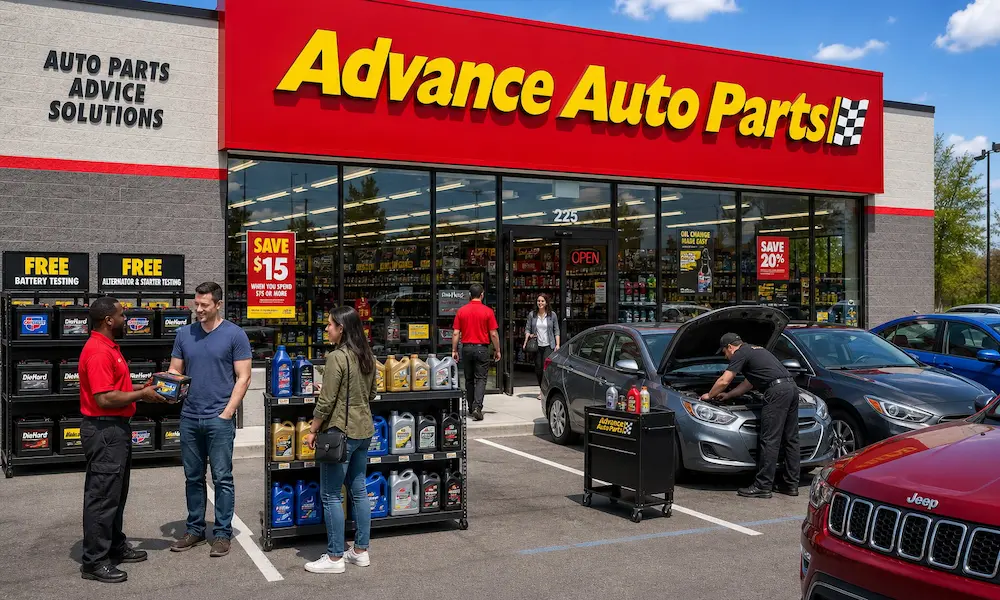
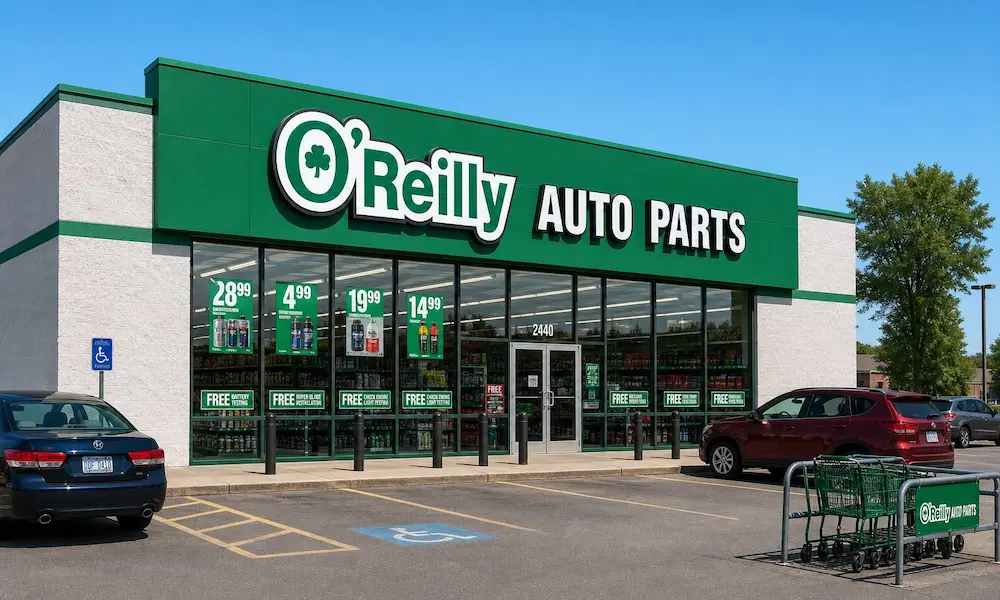
AAA’s roadside testing might pressure you into an unnecessary purchase. Get a second opinion at AutoZone or O’Reilly’s. They’ll test your battery for free without the sales pressure.
Proper battery testing requires a full charge first. If AAA tests your battery immediately after it died, the results won’t accurately reflect its condition.
The Exide Bankruptcy Factor
Remember that Exide manufactures AAA batteries? They filed for Chapter 11 bankruptcy in 2020. While they’re still operating, bankruptcy raises questions about quality control and long-term support.
Companies cutting costs during financial troubles often compromise product quality. Whether that’s happening with AAA batteries is unclear, but the timing coincides with continued reports of poor battery performance.
When AAA Mobile Service Makes Sense
AAA’s mobile battery service isn’t completely worthless. It works in specific situations:
- You’re stranded far from home
- You need an immediate solution at 2 AM
- You’re physically unable to get to a store
- You have zero other options
In these emergencies, pay the premium and get moving. But plan to replace that AAA battery with a better brand within a few months.
For routine battery replacement, skip AAA entirely. Drive to Costco, an auto parts store, or even Walmart. You’ll get better batteries at lower prices with less warranty hassle.
The Bottom Line on AAA Batteries
Are AAA car batteries good? No, they’re not. They meet minimum performance standards but fail prematurely, cost too much for what you get, and come with warranty processes that favor the company over customers.
The 2-3 year average lifespan makes them expensive on a per-year basis. The difficult warranty claims process means you might pay full price for early failures. The mobile service convenience doesn’t justify these downsides.
Skip AAA batteries. Buy Interstate from Costco for the best value, regular Interstate from auto parts stores for solid performance, or Optima for premium needs. Keep your AAA membership for roadside assistance, but get your batteries elsewhere.
If you already have an AAA battery, watch its performance closely after year two. Replace it proactively before it dies and leaves you stranded. Don’t assume the warranty will protect you—it probably won’t.
Your car deserves a battery that’ll last more than two winters. AAA batteries aren’t it.