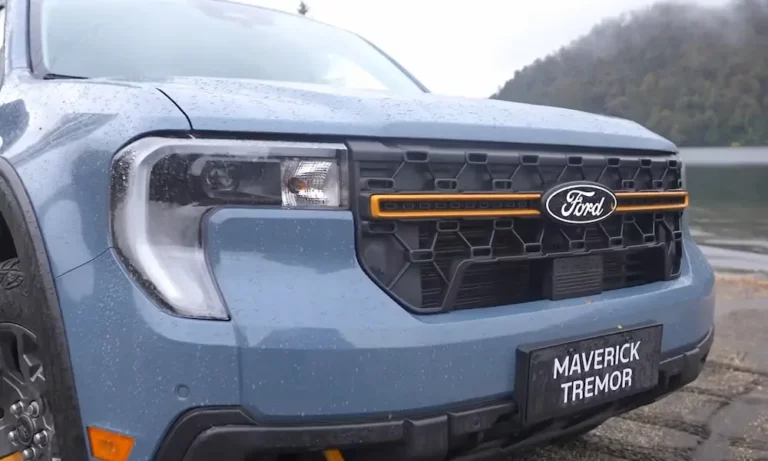
So you’re eyeing a Ford Maverick and wondering if it’ll hold up long-term. That’s a smart question — and the answer is more nuanced than a simple yes or no. This post breaks down real owner data, recall history, powertrain durability, and ownership costs so you can make an informed decision. Stick around — the details at the end could save you thousands.
The Short Answer: Yes, But It Depends on Which Model Year
J.D. Power gives the 2026 Ford Maverick a quality and reliability score of 85/100, which is a solid rating for any truck. But early 2022 and 2023 models came with some growing pains — battery issues, CV axle wear, and software glitches that caught owners off guard.
The good news? Ford addressed most of those problems by the 2025 model year. If you’re asking “are Ford Mavericks reliable,” the honest answer is: the newer the model, the better your odds.
Hybrid vs. EcoBoost: Which Powertrain Is More Reliable?
This is the biggest reliability fork in the road. Choose wisely.
The 2.5L Hybrid Is the Long-Term Winner
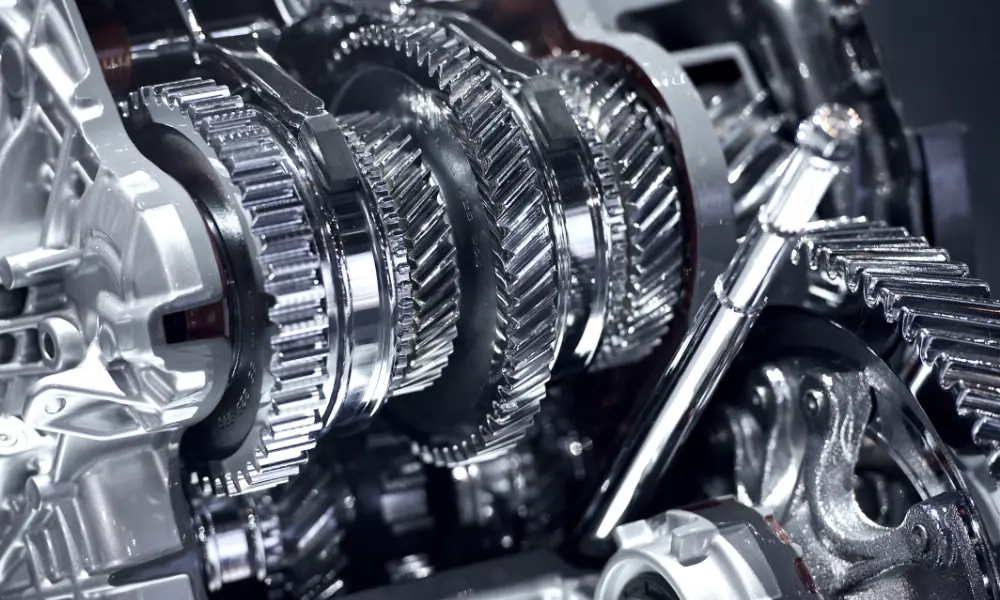
The Maverick’s 2.5-liter Atkinson-cycle hybrid paired with an electronic continuously variable transmission (eCVT) is the standout choice for durability. Unlike traditional belt-driven CVTs, the eCVT uses a planetary gearset — the same power-split design Toyota popularized. It doesn’t shift, so it doesn’t wear the same way.
Real-world proof? Maverick Hybrid owners in high-mileage delivery roles have blown past 100,000 miles without a single engine or transmission failure. The regenerative braking system also saves your brake pads — many hybrid owners report near-zero brake wear at 100,000 miles.
The 2.0L EcoBoost Is Capable, But Needs More Attention
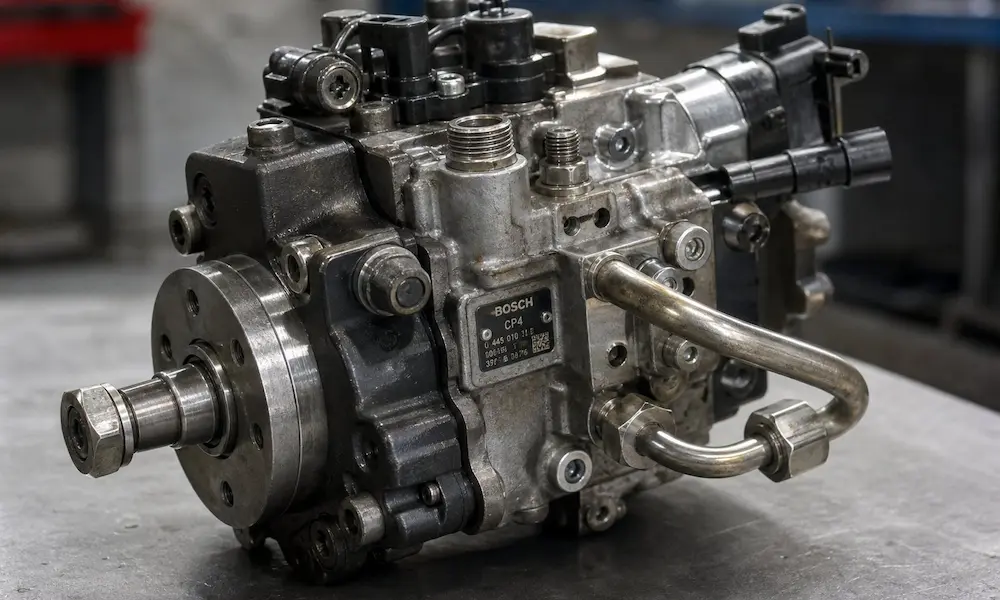
The EcoBoost pushes 238–250 horsepower and 277 lb-ft of torque, which is impressive for a compact truck. The engine itself is proven across Ford’s global lineup. The concern? The 8F35 eight-speed automatic transmission has drawn scrutiny for long-term durability, especially under heavy towing.
Experts recommend transmission fluid exchanges every 30,000 to 50,000 miles — far more aggressive than Ford’s 150,000-mile “lifetime” recommendation. Skip that service and you’re rolling the dice.
| Powertrain Factor | 2.5L Hybrid | 2.0L EcoBoost |
|---|---|---|
| Transmission Type | Planetary eCVT | 8-Speed Torque Converter |
| City / Highway MPG | 42 / 33 | 23 / 30 |
| Max Towing | 2,000–4,000 lbs | 4,000 lbs |
| Brake Wear | Very Low (regenerative) | Normal |
| Long-Term Risk Area | High-voltage harness | Transmission / turbo |
| Maintenance Level | Low | Moderate |
The Electrical Issues You Need to Know About
Electrical problems — not engine failures — cause the most Maverick downtime. Here’s what’s actually happening.
The 12V Battery “Deep Sleep” Problem
Early 2022–2024 Hybrid models had a frustrating quirk: the 12V lead-acid battery would drain even with a fully charged high-voltage traction battery sitting right there. The Battery Management System failed to handle parasitic loads from the telematics system, especially in cold climates. The truck would enter “Deep Sleep” mode and refuse to start.
Ford fixed this by making AGM (Absorbent Glass Mat) batteries standard on 2025 and 2026 models. If you own an older Maverick, swapping to an aftermarket AGM battery is one of the best upgrades you can make.
The “Bricked” Shifter Fault
This one’s more alarming. Some 2025 and 2026 owners have reported a “Shift System Fault” that completely locks the truck in Park, engages the electronic parking brake, and renders the truck immobile. One owner reported this happened at just 527 miles in Colorado Springs, leaving the truck too disabled to even be towed conventionally.
The culprit is a communication failure in the Gear Shift Module or Integrated Park Module. It’s covered under warranty, but it’s a significant issue if you rely on the truck for time-sensitive work.
Infotainment Quirks
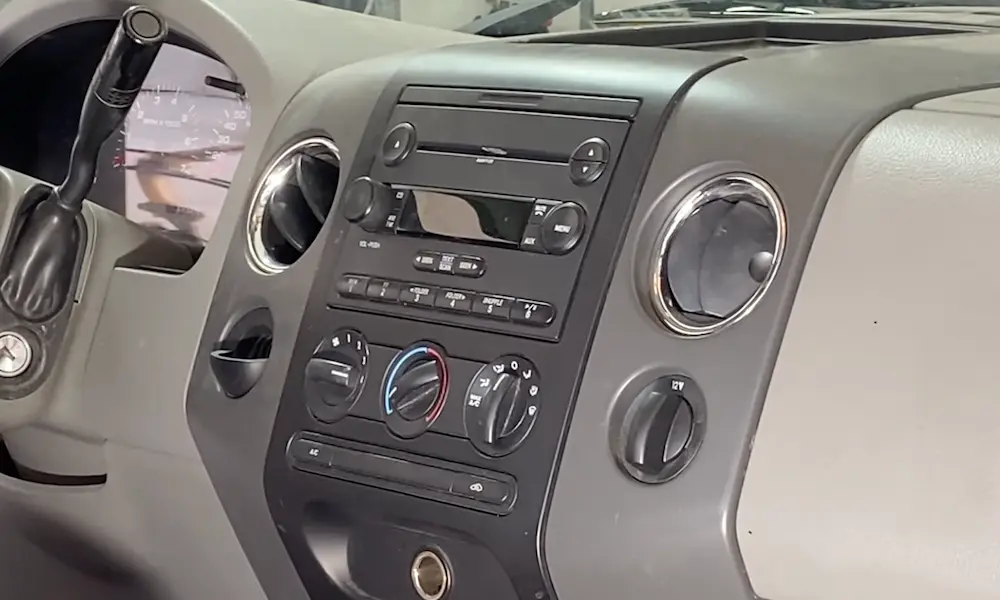
The 2026 Maverick’s new 13.2-inch Sync 4 infotainment system is a big upgrade, but early reports flag occasional GPS loading delays and Bluetooth sync errors. Moving climate controls to a touchscreen also introduces a subtle reliability risk — software icons don’t fail gracefully the way physical buttons do.
Recall History: What Ford Had to Fix
Recalls tell you a lot about a vehicle’s real-world reliability. The Maverick has had several.
Rollaway Risk — Campaign 25V-863
Ford recalled roughly 272,645 vehicles including the 2025–2026 Maverick Hybrid due to a parking pawl binding issue in the Integrated Park Module. If the pawl didn’t fully engage, the truck could roll away without the parking brake applied. Ford’s fix was a software update that automatically engages the Electronic Parking Brake every time you select Park.
Trailer Lighting Failure — Campaign 26V-104
Over 4.3 million Ford vehicles got caught in this one. A software bug in the Integrated Trailer Module could knock out trailer brake lights and turn signals at startup — a direct violation of Federal Motor Vehicle Safety Standard 108. Ford pushed an Over-The-Air (OTA) fix, so most owners don’t need a dealer visit.
Instrument Panel Recall
A 2025–2026 recall affecting around 7,000 vehicles found that the instrument panel topper could detach during a crash, creating an airbag deployment risk.
| Model Year | Issue | System | Consequence |
|---|---|---|---|
| 2022–2024 | 12V Battery Deep Sleep | Electrical | Won’t start |
| 2022–2023 | Instrument Cluster | Safety/Tech | Warning lights fail |
| 2025–2026 | Integrated Park Module | Transmission | Potential rollaway |
| 2025–2026 | IP Panel Topper | Structure | Airbag risk |
| 2022–2026 | Trailer Module (ITRM) | Lighting/Towing | Trailer lights out |
CV Axles and Suspension: The Mechanical Weak Spot
The Maverick’s front CV axles handle both propulsion and steering geometry — and they’ve shown premature wear in high-mileage use. Some delivery drivers needed multiple CV axle replacements within the first 100,000 miles, with symptoms appearing as a side-to-side shudder between 35,000 and 90,000 miles.
Ford redesigned the front CV axles for 2025, and those parts are backward-compatible with 2022–2024 models. If you drive a high-mileage Maverick, watch for torn CV boots or axle vibration during acceleration.
The suspension tuning is deliberately stiff to handle the 1,500-pound payload capacity. That’s a necessary trade-off, but it means more cabin vibration and rattle on rough roads — especially after 50,000 miles when interior trim starts to loosen.
Interior and Paint: Built to a Budget
The Maverick’s price is one of its best features. The interior materials tell you exactly how Ford hit that number.
Plastic Interiors That Scratch Easily
The door panels and dashboard use molded polypropylene — hard plastic that scratches permanently from keys, pet claws, or even fingernails. The cloth seats use recycled polyester foam that can sag after 50,000 miles. Upgrading to the ActiveX synthetic leather seats gives you noticeably better durability.
Paint That Chips Fast
The Maverick’s paint is thin — a common complaint from owners who drive on gravel or in regions with winter road salt. Modern water-based paints across the industry are more chip-prone, but the Maverick seems to wear it more visibly than some competitors. Paint Protection Film (PPF) or a ceramic coating is a smart investment if you drive on unimproved roads regularly.
How Much Does It Cost to Own a Ford Maverick Long-Term?
This is where the Maverick genuinely shines. Five-year maintenance costs for the Hybrid run around $3,390 — significantly less than a Toyota Tacoma’s $6,293 over the same period.
| Ownership Factor | Ford Maverick (Hybrid) | Hyundai Santa Cruz | Toyota Tacoma |
|---|---|---|---|
| 5-Year Maintenance | $3,390 | $4,850 | $6,293 |
| Est. Repair Cost | $966 | $850 | $917 |
| Annual Fuel Cost | $1,500 | $2,400 | $3,200 |
| Powertrain Warranty | 5-yr / 60k miles | 10-yr / 100k miles | 5-yr / 60k miles |
| Hybrid Battery Warranty | 8-yr / 100k miles | N/A | 8-yr / 100k miles |
Even if you face a $1,200 CV axle replacement out of warranty, the fuel savings over 50,000 miles still put the Hybrid ahead of the competition on total cost of ownership.
Ford Maverick vs. the Competition: How Does Reliability Stack Up?
vs. Hyundai Santa Cruz
The Santa Cruz offers a better warranty and a smoother ride, but its Dual-Clutch Transmission can experience clutch chatter and overheating in heavy traffic — environments where the Maverick’s eCVT actually excels. The Maverick also carries a higher standard payload at 1,500 lbs vs. the Santa Cruz’s 1,411 lbs, suggesting it’s built for slightly more demanding work.
vs. Toyota Tacoma
The Tacoma is body-on-frame, heavier, and more off-road capable over a 20-year lifespan. But for the 90% of buyers who mostly drive on pavement and need light-duty hauling, the Maverick costs less to run, gets dramatically better fuel economy, and delivers a more comfortable daily experience. Toyota’s newest turbocharged Tacoma powertrains have also narrowed the traditional reliability gap between the two brands.
The Maverick Maintenance Schedule You Should Actually Follow
Ford’s factory schedule runs on 10,000-mile or annual intervals, but enthusiasts — especially EcoBoost owners — recommend tightening that up:
- 5,000–7,500 miles: Oil and filter change (EcoBoost owners, don’t wait for 10,000)
- 20,000 miles: Cabin air filter replacement; brake inspection
- 30,000 miles: Engine air filter; PTU and rear differential fluid for AWD models
- 60,000 miles: Spark plugs; transmission fluid exchange for EcoBoost — don’t skip this
- 100,000 miles: Engine coolant flush, brake fluid replacement, accessory drive belt swap
What the Data Actually Tells You
Are Ford Mavericks reliable? Yes — particularly the Hybrid powertrain, which has racked up six-figure mileages in demanding conditions. The 2025 and 2026 models fixed the worst early-production problems: weak 12V batteries, fragile CV axles, and hybrid harness vulnerabilities. The main reliability shift now is from mechanical wear to software-defined failures — shifter faults and module communication errors are the new thing to watch.
If you want the most reliable Maverick experience:
- Buy 2025 or newer — most early issues are resolved
- Choose the Hybrid for lower maintenance and proven long-term durability
- Check all open recalls before buying used — Ford’s recall page makes this easy
- Swap to an AGM battery if you own a 2022–2024 Hybrid
- Follow a 5,000-mile oil change interval for the EcoBoost, regardless of what the manual says
The Maverick isn’t a “set it and forget it” truck like a 1990s Toyota. But for a modern, fuel-efficient compact pickup, it holds up remarkably well — and the low operating costs give you real financial cushion when something does need fixing.