Thinking about buying a Ford Ranger but not sure if it’ll hold up? That’s a fair question, and the answer isn’t a simple yes or no. The Ranger’s reliability depends a lot on the year, the generation, and how well you maintain it. This guide breaks it all down so you can make a smart call before signing anything.
The Short Answer: Yes, But With Caveats
The Ford Ranger is a reliable midsize truck — but it’s not the same kind of reliable as a 1998 Toyota with 300,000 miles and a single carburetor. It’s a modern, turbocharged, tech-dense vehicle. That means it rewards good maintenance and punishes neglect.
According to RepairPal, the Ranger scores well across the board, with an average annual repair cost of just $615 — below the industry average of $652. It only needs unscheduled shop visits about 0.2 times per year, which is genuinely impressive for a midsize truck.
So yes, Ford Rangers are reliable. But let’s dig into the details so you know exactly what you’re signing up for.
How Each Ranger Generation Stacks Up
The Ranger has gone through five distinct generations, and each one tells a different reliability story.
| Generation | Years | Peak JD Power Score | Biggest Issue |
|---|---|---|---|
| First | 1983–1992 | N/A | Rust / Fuel System Leaks |
| Second | 1993–1997 | N/A | Transmission Gear Wear |
| Third | 1998–2012 | 87/100 (2010) | 4.0L Timing Chain Guides |
| Fourth | 2019–2023 | 86/100 (2023) | 10R80 Transmission Hesitation |
| Fifth | 2024–Present | 83/100 (Projected) | ADAS Software Glitches |
The older generations (1983–2012) were simpler trucks. Easy to fix, easy to own. The 4.0L SOHC V6 timing chain issue from the third generation is probably the most notorious mechanical problem in Ranger history — but even that era produced some legendary trucks.
The 2010 and 2011 models are widely considered the best of the classic Ranger. They had decades of refinement behind them and almost no significant mechanical weak spots.
The Modern Ranger (2019–2023): What Changed
When Ford brought the Ranger back to North America in 2019, it came on a brand-new platform with a 2.3L EcoBoost turbocharged engine and a 10-speed automatic transmission. That’s a big leap from the old naturally aspirated V6.
The 2019 launch year had the most growing pains — transmission hesitation, electrical gremlins, and paint quality complaints were all common. But Ford ironed things out quickly. By 2021 and 2022, the Ranger had climbed back up the reliability charts and started beating most of its competition.
The 2.3L EcoBoost Engine: Reliable, But Specific
The 2.3L EcoBoost makes 270 horsepower and 310 lb-ft of torque. It’s the same engine family Ford uses in the Mustang and Explorer, so it’s well-tested. Fleet data suggests it can last 200,000 to 250,000 miles with proper care.
The main thing to watch? Carbon buildup on the intake valves. Because it uses direct injection, fuel doesn’t wash the valves clean like it does in older port-injection engines. Over time, oil vapors from the crankcase bake onto the valves and restrict airflow. You’ll notice it through rough idling or reduced fuel economy around 80,000 to 100,000 miles.
The fix: install an oil catch can early, or get the intake valves cleaned every 60,000 to 100,000 miles. It’s not a dealbreaker — just something to plan for.
The 10-Speed Transmission: The Real Reliability Wildcard
This is the part most people worry about — and honestly, it deserves some attention.
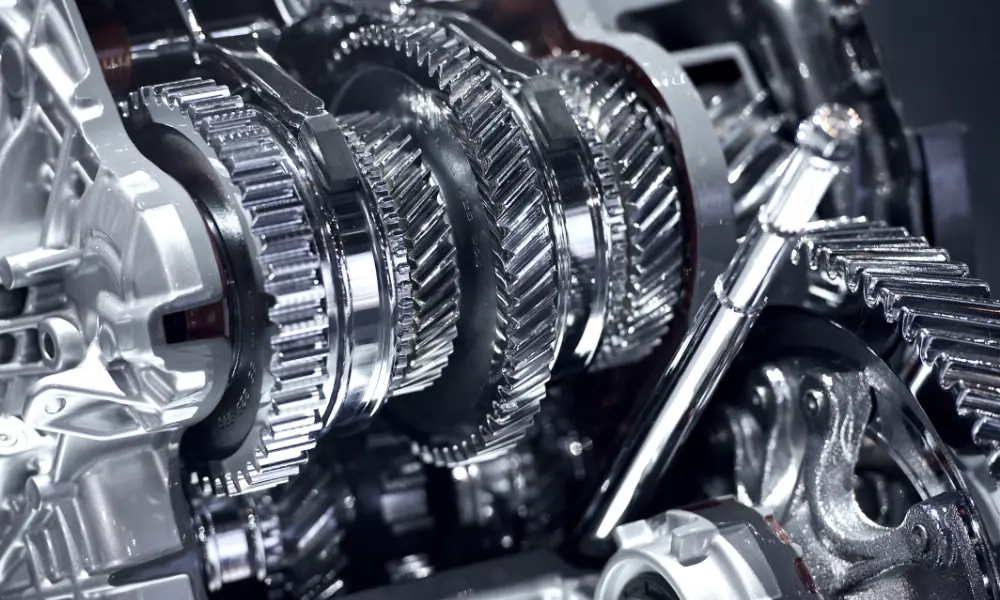
The 10R80 10-speed automatic is a complex piece of machinery. It uses sophisticated hydraulic controls and electronic shift mapping to keep the engine in its optimal RPM range. When it works, it’s smooth and efficient. When it doesn’t, it’s frustrating.
The most documented hardware issue is the CDF drum bushing failure. In Rangers built before August 15, 2022, an internal bushing could shift position and block hydraulic ports inside the transmission. The result? Harsh shifts, gear slipping, or total power loss in higher gears. Ford issued Technical Service Bulletin 24-2254 to address this with a redesigned CDF drum.
If you’re buying a used Ranger built before that date, ask whether this bulletin has been applied.
| Component | Failure Mode | Estimated Repair Cost (Out of Warranty) |
|---|---|---|
| CDF Drum | Axial Bushing Movement | $3,500 – $5,000 |
| Valve Body | Bore Wear / Solenoid Failure | $1,200 – $2,000 |
| Torque Converter | Friction Surface Fatigue | $2,500 – $3,500 |
| Adaptive Learning Reset | Erratic Shift Maps | $150 – $300 |
One more thing: the transmission’s adaptive learning software can develop clunky shift patterns if it gets confused by mixed driving styles. That’s not a mechanical failure — it’s software being software. A TCM reset usually clears it up.
The fix that makes the biggest difference? Change your transmission fluid every 30,000 to 50,000 miles, not the longer interval Ford officially recommends. Technicians who work on these trucks consistently report that fluid-conscious owners have far fewer shift quality issues.
How Reliable Is the Ranger Compared to Its Rivals?
Here’s where things get interesting. The Ranger actually leads the midsize truck segment for reliability right now, according to Consumer Reports 2025 data.
| Make / Model | Reliability Score (0–100) | Ranking |
|---|---|---|
| Ford Ranger | 65 | #1 |
| Ford Maverick | 59 | #2 |
| Honda Ridgeline | 59 | #2 |
| Jeep Gladiator | 50 | #3 |
| Toyota Tacoma | 29 | #4 |
| Nissan Frontier | 27 | #4 |
| Chevy Colorado | 15 | #5 |
Yes, the Ranger now outranks the Toyota Tacoma for reliability. That’s not a typo. The redesigned Tacoma’s turbocharged and hybrid powertrains are causing serious teething issues, while the Ranger’s EcoBoost has had years to mature. The Chevy Colorado sits at the bottom with a 15 — significant performance, low quality.
The 2024–2025 Ranger: Good Truck, Early Recalls
The fifth-generation Ranger arrived in 2024 with a wider wheelbase, a more refined interior, and the option of a 2.7L EcoBoost V6 alongside the familiar 2.3L. It’s the most capable and most tech-loaded Ranger ever built.
Early Consumer Reports scores put it at the top of its segment. But “first two years of a new generation” always comes with a catch — and the 2024–2025 Ranger has already racked up some notable recalls:
- Side curtain airbag defect — over 100,000 Rangers recalled due to airbags that could tear on the B-pillar during deployment
- Integrated trailer brake module — a massive multi-vehicle recall including 2024–2026 Rangers where the trailer brake system could lose communication
- Electronic Brake Booster failure — certain 2025 models face sudden loss of power brake assist, increasing stopping distances
- Front control arm separation — a limited recall for 2024–2025 models for potential loss of steering control
These are mostly electronic and software-related issues — not engine or transmission failures. Ford fixes them through recalls, usually for free. But it’s worth knowing they exist before you buy.
The Best and Worst Ranger Years to Buy
Based on recall data, complaint volume, and quality scores, here’s a clear ranking:
Most reliable years:
- 2010–2011 — The gold standard of the classic Ranger. Simple, durable, easy to fix.
- 2022–2023 — The Ranger’s maturity phase. The CDF drum fix was in place, the EcoBoost was proven, and reliability scores rebounded strongly.
- 2024 — Leads its segment right now, though it’s still early.
Years to approach carefully:
- 2019 — Launch year issues with transmission software, paint, and electrical systems. Avoid unless it’s been well maintained with documented service records.
- 2001–2002 — Hit hard by the Firestone tire recalls and 4.0L timing chain problems.
- 1999 — The highest complaint volume of the older platform era.
What Kills a Ranger (And How to Avoid It)
The Ranger isn’t a “buy it and forget it” truck. It’s a turbocharged, electronically managed machine. Here’s what separates a long-lasting Ranger from a money pit:
Do these things:
- Change the oil every 5,000 miles. The turbo depends on clean oil to stay alive.
- Change transmission fluid every 30,000 to 50,000 miles — even if Ford says you can go longer.
- Inspect spark plugs every 60,000 miles. High cylinder pressure chews through them faster than a naturally aspirated engine.
- Check U-joints and suspension bushings every 5,000 miles if you take the truck off-road.
- Apply undercoating if you live in a salt-belt state or anywhere that gets real winters. The chassis rusts — it’s a documented issue — and a $30 can of Fluid Film goes a long way.
Watch for these as mileage climbs:
- EGR pressure sensor — a $30 part that causes engine surging around highway speeds
- Rear axle seals — can start seeping around 80,000 miles
- Ignition coils — higher boost pressure means more stress on the ignition system
- Turbocharger oil screen — skip oil changes and this gets clogged, leading to a very expensive turbo replacement
What Ownership Actually Costs
The Ranger’s annual repair cost of $615 sits below the industry average, and it beats the Ford F-150 ($775) and Toyota Tundra on that metric. It only visits the shop unexpectedly about 0.2 times per year, and only 12.1% of repairs are classified as “severe.”
| Vehicle | Annual Repair Cost | Unscheduled Visits/Year | Severe Repair Probability |
|---|---|---|---|
| Ford Ranger | $615 | 0.2 | 12.1% |
| Toyota Tacoma | $478 | 0.3 | 17.0% |
| Chevy Colorado | $599 | 0.2 | 13.0% |
| Nissan Frontier | $470 | 0.2 | 12.0% |
| Industry Average | $652 | 0.4 | 15.5% |
Notice the Tacoma’s lower repair cost but higher severe repair probability and more unscheduled visits. The Ranger costs a bit more to maintain annually, but fewer of those repairs blindside you.
The Bottom Line on Ford Ranger Reliability
Are Ford Rangers reliable? Yes — especially if you buy the right year and treat the truck right.
The late fourth-generation Rangers (2021–2023) are the sweet spot right now. The transmission issues are resolved, the EcoBoost is proven, and the numbers back it up. The 2024 model year is looking strong too, though it’s still new enough that early buyers are essentially the final testers.
Three things to keep in mind:
- Maintenance isn’t optional. A Ranger with disciplined oil and transmission fluid changes will comfortably hit 200,000 miles. One that’s been neglected will remind you of every skipped service.
- Recalls are normal for Ford, but they’re handled. Ford’s recall volume is high across all its vehicles, but most are software or electronic fixes that don’t require you to stop driving.
- It’s currently the most reliable midsize truck you can buy. With the Tacoma stumbling through its redesign and the Colorado sitting at the bottom of reliability charts, the Ranger holds the top spot for 2025 — and that’s not marketing, that’s Consumer Reports data.