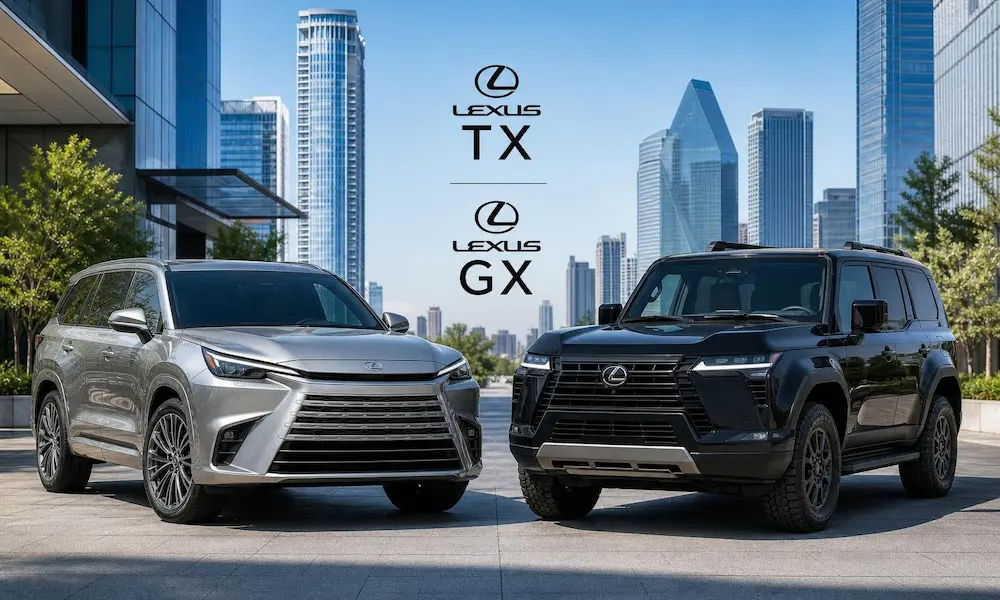
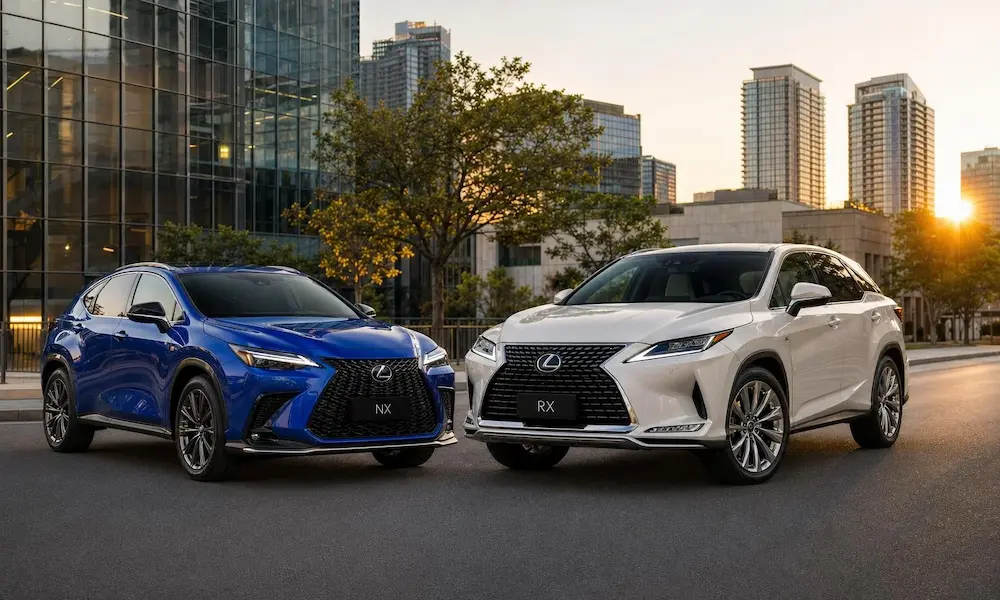
Ever spotted a Lexus on the road and wondered about its connection to Toyota? You’re not wrong to notice similarities. While these two popular car brands share DNA, they’re marketed and positioned quite differently. Let’s dive into what makes them related yet distinct, and why it matters if you’re shopping for your next vehicle.
The Corporate Connection: Lexus as Toyota’s Luxury Division
Lexus is Toyota’s luxury vehicle division, created by the Japanese automaker in 1989 following an ambitious project called “F1” (Flagship One). Toyota invested over $1 billion to develop a premium sedan that could compete with European luxury brands like Mercedes-Benz and BMW. The result was the Lexus LS 400, which marked Toyota’s official entry into the global luxury car market.
Despite being owned by Toyota, Lexus operates with significant autonomy. Since 2005, Lexus has maintained:
- Separate design centers
- Dedicated engineering teams
- Specialized manufacturing facilities
- Its own headquarters in Nagoya, Japan
This relationship is similar to how Audi relates to Volkswagen or how Cadillac connects to General Motors—a premium brand under a larger corporate umbrella.
Manufacturing: Same Family, Different Standards
While Lexus and Toyota vehicles come from the same parent company, they’re built with different priorities and processes:
| Aspect | Toyota | Lexus |
|---|---|---|
| Focus | Mass production efficiency | Craftsmanship and quality |
| Manufacturing Approach | High volume, cost-effective | Lower volume, meticulous detail |
| Quality Control | Rigorous standard process | Extra inspection points and Takumi (master craftsmen) oversight |
| Production Locations | Global factories | Primarily Japan (with exceptions) |
Lexus vehicles are mainly produced in specialized facilities in Japan, such as the Tahara and Miyata plants, which follow stricter quality control standards than Toyota’s regular production sites. However, some models like the RX crossover and ES sedan are now also manufactured in North America to meet regional demand.
Shared Technology and Platforms: The Family DNA
Many Lexus models do share underlying architecture with Toyota vehicles. This platform sharing is a common practice in the auto industry that helps reduce development costs and improve manufacturing efficiency.
Some notable examples include:
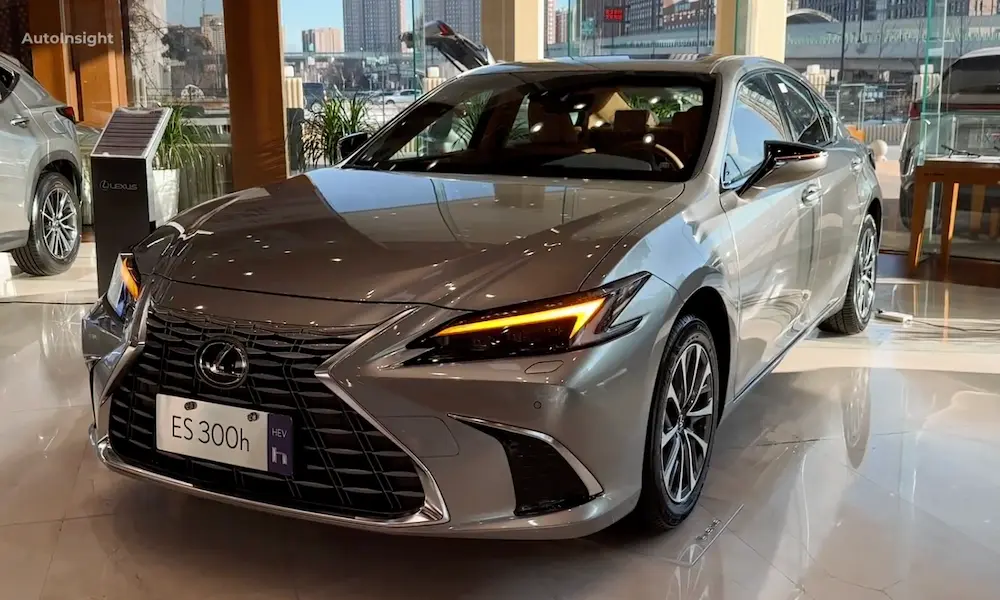
- The Lexus ES sedan shares its platform with the Toyota Camry
- The Lexus RX crossover is related to the Toyota Highlander
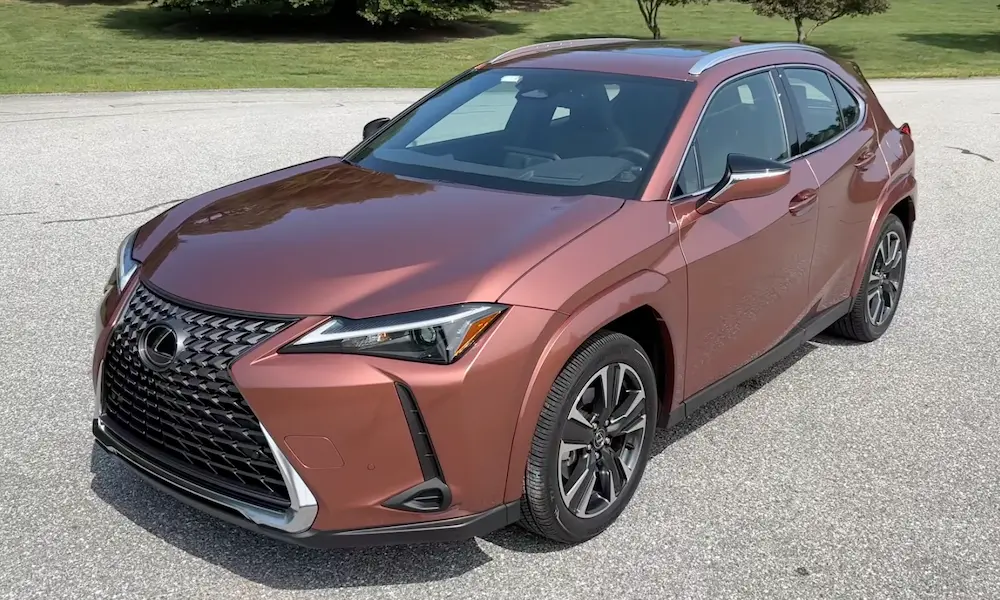
- The Lexus UX crossover is built on the same foundation as the Toyota C-HR
However, Lexus typically uses these shared platforms as starting points before adding premium materials, additional sound insulation, more advanced technology features, and often more powerful engines to create a distinctly upscale experience.
Design Philosophy and Brand Identity: Different Personalities
Toyota and Lexus have deliberately cultivated different brand identities to appeal to different market segments:
Toyota’s Brand Identity
- Practical, reliable transportation
- Affordable pricing
- Mass-market appeal
- Focus on value and efficiency
Lexus’s Brand Identity
- Premium materials and finishes
- Enhanced customer service experience
- Distinctive “L-finesse” design language
- Emphasis on comfort and craftsmanship
- The signature “spindle grille” front-end design
Lexus has worked hard to establish itself as a true luxury brand with its own distinctive character rather than simply being “fancy Toyotas.” This includes developing Lexus-exclusive models like the flagship LS sedan and LC coupe, which use unique rear-wheel-drive architectures not found in Toyota’s lineup.
Performance and Driving Experience: Different Priorities
The driving experience between Toyota and Lexus models reveals significant differences in engineering priorities:
Toyota Vehicles Typically Offer:
- Comfortable but economy-focused ride
- Fuel efficiency as a primary goal
- Accessible performance for everyday drivers
- Practical features for daily use
Lexus Vehicles Typically Offer:
- More refined ride quality with advanced suspension systems
- Quieter cabins with additional sound dampening
- More powerful engine options
- Available F Sport and F performance models for enthusiasts
The Lexus F performance sub-brand, introduced in 2007, further distinguishes Lexus with high-performance variants like the IS F sedan and the limited-production LFA supercar—vehicles that prioritize driving dynamics in ways that differ from Toyota’s typical focus on efficiency.
Price Points and Market Positioning: Different Customer Bases
One of the most obvious differences between Toyota and Lexus is their price positioning:
| Vehicle Type | Toyota Model | Toyota Price | Lexus Model | Lexus Price |
|---|---|---|---|---|
| Compact Sedan | Corolla | $21,000-$27,000 | IS | $40,000-$50,000 |
| Midsize SUV | Highlander | $36,000-$49,000 | RX | $46,000-$58,000 |
| Full-size Sedan | Avalon | $37,000-$43,000 | LS | $77,000-$98,000 |
This significant price difference reflects not just premium features but a deliberate market segmentation strategy by Toyota Motor Corporation to capture different customer demographics without cannibalizing sales between brands.
Dealership Experience: Distinct Customer Service Approaches
The dealership experience highlights perhaps the most tangible difference between the brands for most consumers:
Toyota Dealerships:
- Efficient, high-volume service
- Standard customer amenities
- Practical, straightforward sales approach
Lexus Dealerships:
- Upscale facilities with premium amenities
- Complimentary loaner vehicles during service
- More personalized customer attention
- Concierge services like vehicle pickup and delivery
- Enhanced waiting areas with refreshments
Lexus has consistently ranked among the top luxury brands for customer satisfaction, with approximately 48% of Lexus owners returning to purchase another Lexus—a loyalty rate that exceeds Toyota’s already impressive customer retention.
Reliability and Quality: A Shared Strength
Despite their differences, both Toyota and Lexus share a reputation for exceptional reliability and build quality, consistently ranking at the top of dependability studies. This shared DNA of reliability is one of Toyota Motor Corporation’s key competitive advantages in both the mainstream and luxury segments.
The difference lies in how this reliability is packaged:
- Toyota emphasizes reliability as practical value
- Lexus presents reliability as a premium feature alongside luxury amenities
The Future: Electrification and Technology Sharing
As the automotive industry moves toward electrification, the relationship between Toyota and Lexus continues to evolve:
- Both brands are working on electric vehicles, with Lexus positioned to lead Toyota’s premium EV strategy
- The Lexus RZ 450e electric SUV shares technology with the Toyota bZ4X
- Lexus has announced plans to become an electric-only brand in North America, Europe, and China by 2035
This transition represents both a challenge and an opportunity for Lexus to further differentiate itself while benefiting from Toyota’s massive investments in battery and hybrid technology.
So, Are They the Same?
While Lexus and Toyota are connected through corporate ownership and share some engineering resources, they are distinctly different brands with:
- Different target audiences
- Separate design and development teams
- Distinct vehicle characteristics and features
- Different price points and market positioning
- Contrasting customer service philosophies
Think of them as members of the same family rather than identical twins—related but with their own distinct personalities, priorities, and purposes.
For car shoppers, understanding this relationship helps explain why a Lexus ES might feel familiar to a Toyota Camry in some ways yet deliver a markedly different driving and ownership experience. It also explains why Lexus can offer the renowned Toyota reliability while still justifying its premium pricing through enhanced materials, features, and service.
Whether you choose a Toyota or a Lexus ultimately depends on what you value most in a vehicle—practical transportation or luxury amenities—and how much you’re willing to invest in those priorities. But rest assured, both brands carry the engineering excellence that has made Toyota Motor Corporation one of the world’s most successful automakers.