Ever wondered if that smooth-shifting Toyota with a CVT transmission is a long-term bet or a potential headache? You’re not making a small investment when buying a car, and transmission reliability can make or break your ownership experience.
What Are Toyota CVT Transmissions?
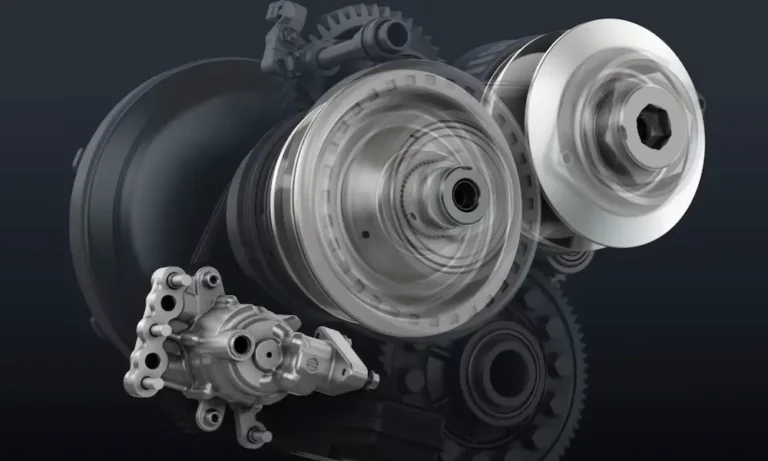
Toyota uses several types of Continuously Variable Transmissions (CVTs) across their vehicle lineup. Unlike traditional automatics with fixed gear ratios, CVTs provide seamless acceleration by constantly adjusting their gear ratio through a pulley system.
Three main types exist in Toyota’s lineup:
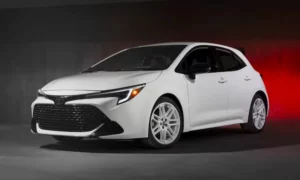
- Traditional CVT – Found in vehicles like the Corolla and C-HR
- e-CVT – Used in hybrid models like the Prius and Camry Hybrid
- Direct Shift-CVT – Toyota’s newer technology introduced in 2019
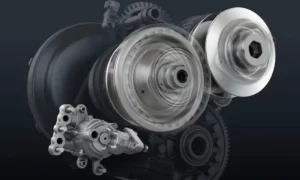
The Direct Shift-CVT represents Toyota’s biggest innovation, featuring a physical first gear that handles initial acceleration before transitioning to the belt-driven CVT system. According to ClassicToyotaTyler.com, this design reduces the stress on belt components during the most demanding phase of acceleration.
Toyota CVT Reliability By Model
Not all Toyota CVTs perform equally. Here’s how reliability breaks down across popular models:
Toyota Corolla (Non-Hybrid)
The Corolla shows a mixed reliability record depending on model year:
- 2014-2017 models: These earlier CVTs experienced valve body failures that triggered the P2757 diagnostic trouble code, as documented in technical service bulletins.
- 2018-2019 models: A limited recall affected about 2,640 vehicles due to torque converter issues. CNET reported these could lead to complete power loss.
- 2020+ models with Direct Shift-CVT: Far fewer complaints, with improved reliability ratings in J.D. Power surveys.
Toyota C-HR
The C-HR has shown the most problematic CVT implementation in Toyota’s lineup:
- Widespread bearing failures: The Automobile Protection Association documented numerous cases of transmission failures between 88,000-178,000 km.
- Expensive repairs: Full CVT replacements cost around $14,000, though timely diagnosis can sometimes lead to $5,000 partial repairs.
Toyota Hybrid Models (Prius, Camry Hybrid, RAV4 Hybrid)
The e-CVT in hybrid models has proven exceptionally reliable:
- Different design: These don’t use traditional belts and pulleys but operate through a planetary gearset with electric motors.
- Outstanding longevity: Many reach 300,000+ miles with minimal transmission issues, making them particularly popular with rideshare drivers.
- Top reliability ratings: Consistently rated 4.5/5 by Consumer Reports and J.D. Power.
How Toyota CVTs Compare to Competitors
| Brand | CVT Reliability Rating | Common Issues | Average Repair Cost |
|---|---|---|---|
| Toyota | 4.0/5 | Valve body issues, bearing failures in some models | $3,500-$7,000 |
| Honda | 3.5/5 | Shuddering, early fluid deterioration | $4,000-$8,000 |
| Nissan | 2.0/5 | Widespread overheating, premature failure | $4,500-$9,000 |
| Subaru | 3.0/5 | Chain slip, overheating | $3,800-$7,500 |
According to RepairPal data, Toyota CVTs experience failure rates approximately one-third those of Nissan CVTs, which have historically been the most problematic in the industry.
What Causes Toyota CVT Transmission Failure?
Several factors can lead to premature CVT failure:
Poor Maintenance Practices
The number one cause of CVT issues is neglected fluid changes. Toyota officially recommends changing CVT fluid every 60,000-90,000 miles, but many mechanics suggest more frequent intervals of 30,000-50,000 miles, especially under severe conditions.
Mr. Transmission warns that contaminated fluid rapidly accelerates belt and pulley wear, leading to major repairs.
Operating Conditions and Driving Habits
CVTs are sensitive to:
- Aggressive “power shifting” – Rapid acceleration puts extra stress on the belt and pulleys
- Continuous high-speed driving – Sustained speeds above 75 mph can cause overheating
- Towing beyond capacity – CVTs generally have lower towing ratings than conventional automatics
The Direct Shift-CVT addresses some of these issues by handling initial acceleration through a mechanical gear before transitioning to the belt system.
Manufacturing Defects
Some Toyota models have experienced specific manufacturing issues:
- Toyota C-HR: Defective transmission bearings led to widespread failures
- 2018-2019 Corolla Hatchback: A small recall addressed torque converter impeller failures
Warning Signs of Toyota CVT Problems
Pay attention to these early indicators of transmission trouble:
- Delayed engagement – Vehicle hesitates when shifting from park to drive
- Shuddering or vibration – Especially noticeable at steady speeds
- Unusual noises – Whining, grinding or rattling sounds
- Check engine light – Particularly with transmission-related codes
- Fluid discoloration – Healthy CVT fluid is clear red; dark or burnt fluid signals problems
How to Maximize Your Toyota CVT’s Lifespan
Follow these best practices to extend transmission life:
Proper Maintenance Schedule
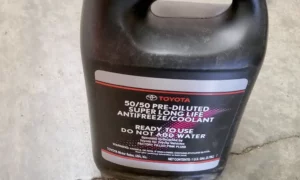
- Use only Toyota WS fluid – Aftermarket fluids rarely meet the exact specifications
- Change fluid every 30,000-50,000 miles – More frequently than Toyota’s official recommendation
- Keep up with software updates – Transmission control module updates improve shift logic and cooling management
- Address fluid leaks immediately – Even small leaks can lead to catastrophic failure
Adapt Your Driving Style
- Allow the car to warm up – Especially in cold weather
- Avoid aggressive acceleration – Gradual throttle inputs reduce belt stress
- Limit extended high-speed driving – Take occasional breaks on long highway trips
- Stay within towing ratings – Or avoid towing altogether with CVT-equipped vehicles
Toyota CVT Warranty Coverage
Toyota’s standard powertrain warranty covers transmission failures for:
- 5 years/60,000 miles – Standard powertrain warranty
- 8 years/100,000 miles – For hybrid components (including e-CVT)
- 10 years/150,000 miles – Extended coverage for some specific models with documented issues
In the case of the C-HR transmission problems, the Automobile Protection Association advocated for extended coverage to 10 years/200,000 km, though Toyota only offered partial reimbursements.
Making a Smart Toyota CVT Purchase Decision
If you’re considering a Toyota with a CVT transmission:
Best Options for Reliability
- Any hybrid model with e-CVT – The Prius, Camry Hybrid, and RAV4 Hybrid have exceptional transmission longevity
- 2020+ models with Direct Shift-CVT – The newer design addresses many earlier weaknesses
- Well-maintained, lower mileage examples – Look for service records showing regular fluid changes
Models to Approach with Caution
- Toyota C-HR (all years) – The model with the highest documented CVT failure rate
- 2014-2017 Corolla – Early CVT design with known valve body issues
- Higher mileage examples (100,000+ miles) – Especially without documented fluid service
Pre-Purchase Inspection for Used Toyota CVTs
Before buying any used Toyota with a CVT, insist on:
- Comprehensive diagnostic scan – Look for stored transmission codes even if no check engine light is active
- Fluid inspection – Healthy fluid should be clear red without metal particles or burning smell
- Test drive evaluation – Pay attention to acceleration smoothness, unusual noises, and temperature gauge
- Service records review – Verify fluid changes have been performed on schedule
A pre-purchase inspection by a Toyota specialist will cost $100-$200 but can save thousands in unexpected repairs.
Toyota CVT vs. Traditional Automatic: The Real Differences
| Feature | Toyota CVT | Traditional Automatic |
|---|---|---|
| Fuel Economy | 5-10% better | Slightly lower efficiency |
| Acceleration Feel | Seamless, no gear shifts | Distinct shift points |
| Towing Capacity | Generally lower | Higher capacity |
| Repair Complexity | More specialized | More common knowledge |
| Typical Lifespan | 150,000-200,000 miles (conventional) 200,000-300,000+ miles (e-CVT) |
200,000-250,000 miles |
| Repair Costs | $3,500-$7,000 for major repairs | $2,500-$5,000 for major repairs |
The Verdict: Are Toyota CVTs Reliable?
Toyota’s CVT reliability varies significantly by model and type:
- e-CVT in hybrids: Excellent reliability, often matching or exceeding traditional automatics
- Direct Shift-CVT (2019+): Good reliability with proper maintenance
- Conventional CVT (pre-2019): Average reliability, requires vigilant maintenance
- C-HR CVT: Below-average reliability with documented issues
Overall, Toyota’s CVTs rank above industry averages in dependability, particularly compared to Nissan’s problematic units. J.D. Power’s 2024 Dependability Study ranked Toyota second overall, with transmission issues accounting for less than 5% of reported problems.
The key to Toyota CVT longevity remains proper maintenance, moderate driving habits, and choosing the right model. When in doubt, Toyota’s hybrid models with e-CVT technology represent the gold standard for transmission reliability in the brand’s lineup.